


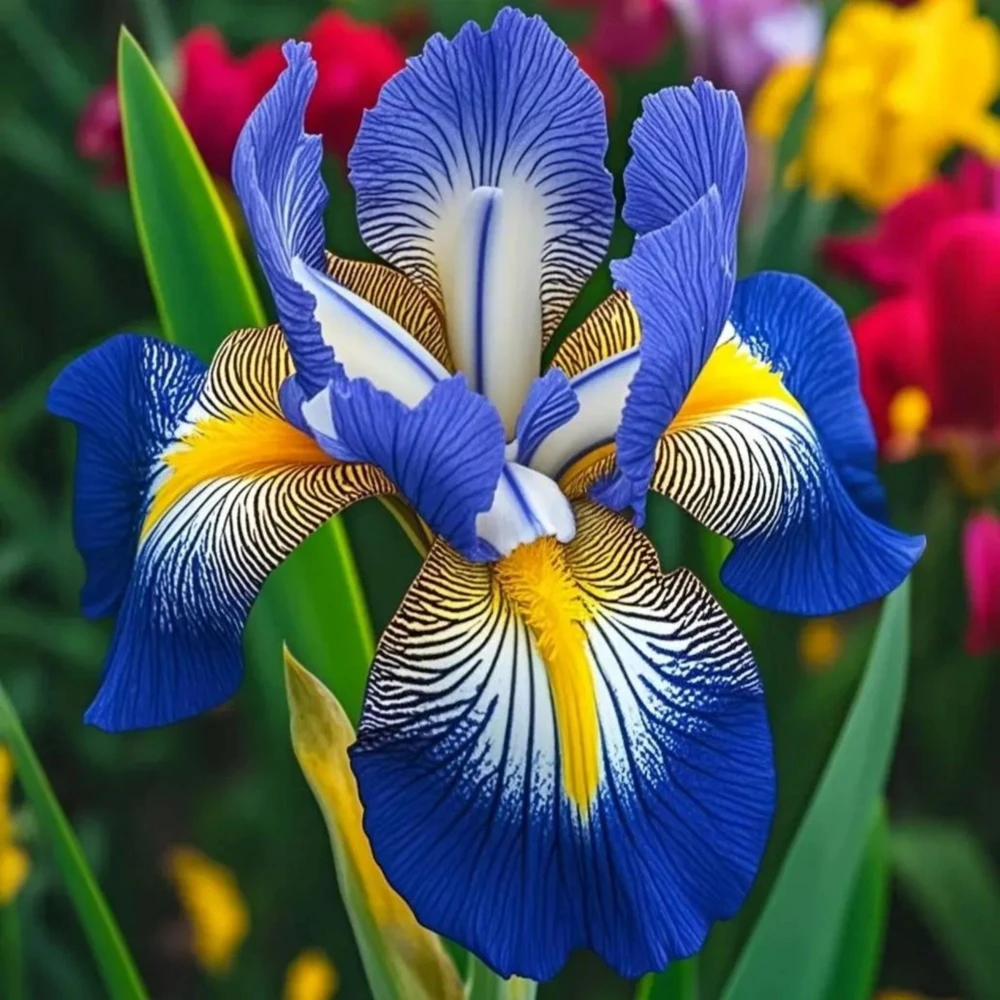
100 Iris Seeds Sapphire Veil – Flowering Perennial Garden Seeds
Original price was: $55.99.$30.99Current price is: $30.99.
Cultivate elegant iris seeds and enjoy the serene beauty of the ‘Sapphire Veil’ variety. These perennial iris seeds are perfect for creating stunning garden displays with their vibrant blue flowers. Easy to grow, they offer a rewarding gardening experience for both beginners and experienced enthusiasts.
Estimated arrival
Oct 27
Nov 01 - Nov 03
Nov 06 - Nov 10
Shop With Confidence
30-Day Plant Health Guarantee
Arrives damaged? We’ll replace it free — see our return policy.
Responsive Support
Email us anytime, we reply within 1 business day.
Expert Packaging
Temperature-controlled shipping to protect your plants in transit.
Secure Checkout
Pay safely with Visa, Mastercard, PayPal.
Plant Specifications
-
USDA Hardiness Zone
USDA zones 3-9 -
Soil Type
Well-draining, neutral to slightly acidic soil -
Sunlight Exposure
Full sun -
Expected Planting Period
Fall or early spring
Overview
Embark on a delightful gardening journey with our premium iris seeds, specifically the enchanting ‘Sapphire Veil’ variety. This offering provides 100 Iris Seeds Sapphire Veil, allowing you to cultivate a breathtaking display of blue-hued iris flowers in your garden. The iris, a genus of over 260 species, is renowned for its striking, intricate blooms and sword-like foliage. Growing iris from seed is a rewarding process, offering the satisfaction of nurturing these beautiful perennials from their very beginning. The ‘Sapphire Veil’ Iris is known for its delicate yet vibrant blue petals, creating a serene and captivating focal point in any landscape. These seeds promise a garden filled with elegance and a touch of natural artistry, making them an excellent choice for gardeners looking to add unique flora to their outdoor spaces.
Our iris seeds are fresh and ready to grow, ensuring a high germination rate and vigorous plant development. Unlike bulbs, growing iris from seeds allows for genetic diversity and can sometimes result in unique color variations, adding an element of surprise to your gardening efforts. The ‘Sapphire Veil’ variety is particularly cherished for its ethereal beauty and robust nature. Whether you’re an experienced gardener or just starting, these seeds provide an accessible way to introduce the timeless charm of iris flowers into your home garden. Prepare to witness the transformation from tiny seed to magnificent bloom, enhancing your garden with a touch of sophistication.
Key Benefits
Cultivating iris seeds offers a multitude of benefits, enriching your garden and providing a fulfilling experience. These flowers are not only visually stunning but also contribute positively to the garden ecosystem.
- Stunning Floral Display: The ‘Sapphire Veil’ Iris produces exquisite blue flowers that are sure to capture attention. Their unique form and vibrant color make them an outstanding addition to flower beds, borders, and rock gardens. Growing iris from seed allows you to create large, impactful displays.
- Perennial Beauty: As a perennial iris, these plants will return year after year, providing consistent beauty without the need for annual replanting. This makes them a sustainable and low-maintenance choice for long-term garden planning.
- Attracts Pollinators: Iris flowers are known to attract beneficial pollinators such as bees and butterflies, contributing to the biodiversity and health of your garden. This natural interaction enhances the vibrancy of your outdoor space.
- Versatile Landscaping Element: The elegant stature and striking blooms of the iris make it suitable for various garden styles, from formal English gardens to more naturalized landscapes. They can be planted in masses for a dramatic effect or individually as accent plants.
- Cost-Effective Gardening: Purchasing iris seeds rather than mature plants or bulbs can be a more economical way to acquire a large number of plants, allowing you to fill extensive garden areas with these beautiful flowers. This is an excellent way to undertake large-scale planting projects.
- Rewarding Growth Process: There is immense satisfaction in watching a plant grow from a tiny seed to a fully blooming flower. Growing iris from seed offers a deeper connection to the gardening process and a greater appreciation for the plant’s life cycle.
Plant Care & Growing Tips
Successful cultivation of your iris seeds into thriving plants requires attention to a few key care guidelines. Irises are generally hardy and adaptable, but providing optimal conditions will ensure the most vibrant blooms. Start by stratifying your seeds if necessary, which often involves a period of cold treatment to break dormancy and encourage germination. Once ready for planting, select a location in your garden that receives ample sunlight.
Irises thrive in areas with at least six hours of direct sunlight per day; partial shade may be tolerated in hotter climates, but full sun generally leads to more prolific flowering. The ideal soil for irises is well-draining, neutral to slightly acidic, with a pH between 6.0 and 7.0. Amend heavy clay soils with organic matter like compost or sand to improve drainage. When planting, sow the iris seeds about 1/2 inch deep and about 3-6 inches apart, allowing enough space for growth. Keep the soil consistently moist but not waterlogged until germination occurs, which can take several weeks to months depending on the variety and conditions. Once established, irises are somewhat drought-tolerant but benefit from regular watering during dry periods, especially when flowering. Avoid overhead watering to prevent fungal diseases.
For fertilization, a balanced fertilizer low in nitrogen is recommended in early spring and again after flowering. Too much nitrogen can promote foliage growth at the expense of blooms. Irises are generally hardy in USDA zones 3-9, though specific hardiness can vary by species. Protect young plants from extreme cold during their first winter. Watch out for common pests like iris borers and diseases such as leaf spot; good air circulation and proper sanitation can help prevent these issues. Deadhead spent flowers to encourage more blooms and prevent the plant from putting energy into seed production, though if you’re aiming to collect more iris seeds, allow some to mature. Regular weeding around the plants will reduce competition for nutrients and water. Understanding how to grow planting iris effectively ensures a beautiful and healthy garden.
Size & Details
This offering includes 100 Iris Seeds Sapphire Veil, providing a generous quantity for planting a significant area or for multiple seasons of cultivation. Each seed has the potential to grow into a magnificent iris plant, typically reaching heights of 24 to 36 inches (60-90 cm) with a spread of about 12 to 18 inches (30-45 cm) once mature. The plants will develop a robust root system and attractive sword-shaped foliage that provides textural interest even when not in bloom. The ‘Sapphire Veil’ variety is known for its medium-sized, elegant blue blossoms. While germination time can vary, expect to see the first flowers within 1-2 years of planting, depending on growing conditions and care. These seeds are ideal for creating dense patches of color or as individual accents in mixed perennial borders. They are shipped as fresh, viable seeds, ready for your planting efforts.
Frequently Asked Questions
- Q: How big does this plant get? A: The Sapphire Veil Iris typically grows to a height of 24 to 36 inches (60-90 cm) with a spread of 12 to 18 inches (30-45 cm) when mature. This size makes it suitable for various garden applications, from borders to focal points.
- Q: Is this an indoor or outdoor plant? A: The iris seeds are best suited for outdoor cultivation. Irises thrive in garden beds, borders, and other outdoor landscapes where they can receive adequate sunlight and natural conditions.
- Q: How much sunlight does it need? A: These iris plants require full sun, meaning at least six hours of direct sunlight per day, for optimal growth and flowering. In very hot climates, a little afternoon shade can be beneficial.
- Q: Is this plant easy to care for? A: Yes, irises are generally considered easy to care for once established. They are relatively low-maintenance perennials, making them a good choice for both beginner and experienced gardeners looking to grow iris from seed.
- Q: What condition will the iris seeds arrive in? A: The iris seeds will arrive fresh and ready for planting. They are carefully packaged to ensure their viability and readiness for germination upon arrival.
- Q: How long until it blooms? A: It typically takes 1-2 years for iris plants grown from seed to reach maturity and produce their first blooms. This timeline can vary depending on cultural conditions and climate.
- Q: When is the best time to plant planting iris seeds? A: The best time to plant iris seeds is usually in the fall or early spring. Fall planting allows for natural cold stratification over winter, which can improve germination rates.
- Q: What type of soil does this Iris prefer? A: The Sapphire Veil Iris prefers well-draining soil that is neutral to slightly acidic, with a pH between 6.0 and 7.0. Amending heavy soils with organic matter will improve drainage and plant health.
Be the first to review “100 Iris Seeds Sapphire Veil – Flowering Perennial Garden Seeds”
People Also Viewed
Vegetable Seeds
Reviews
There are no reviews yet.