
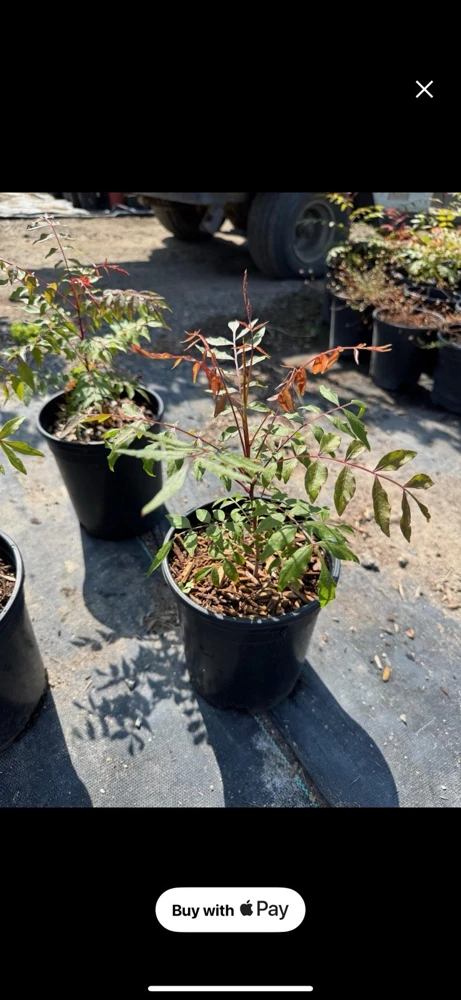
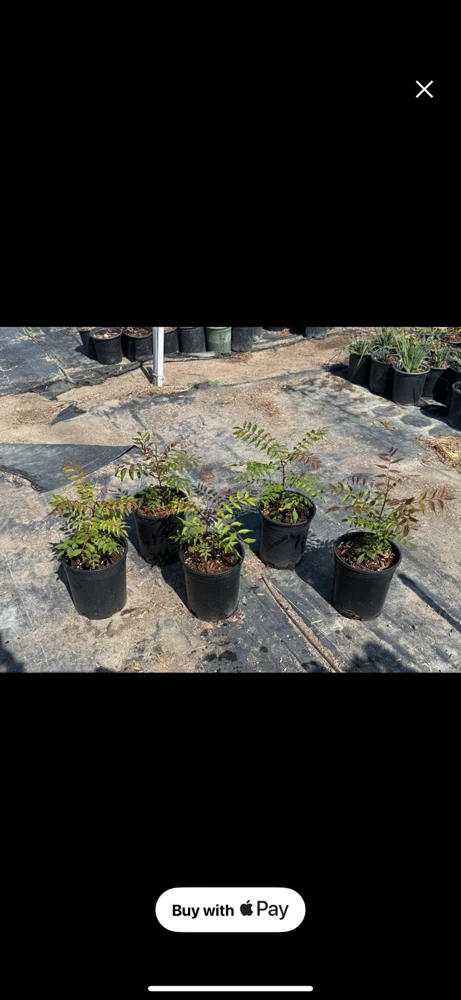

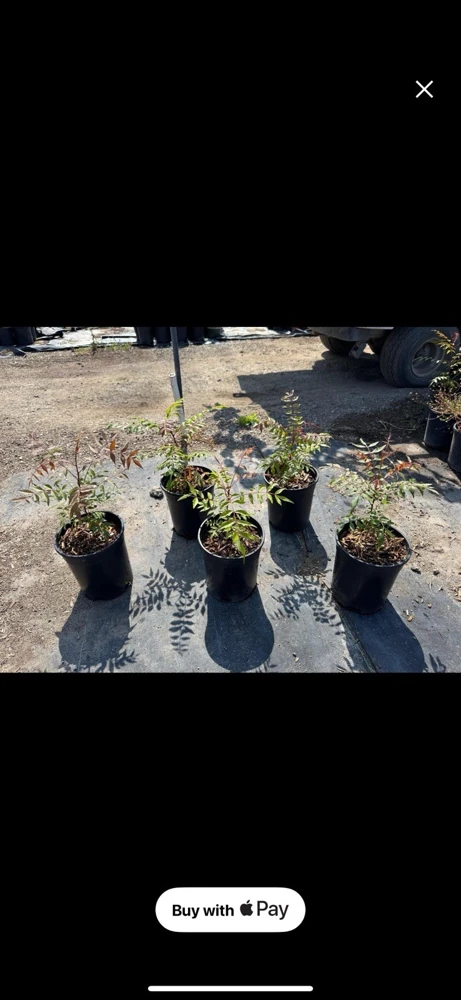
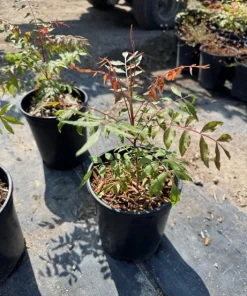
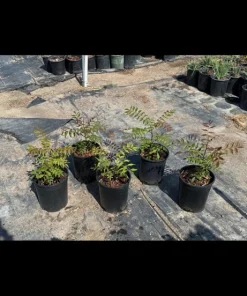
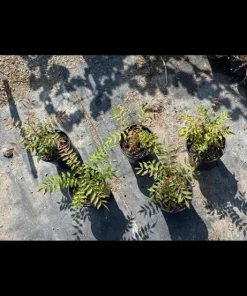
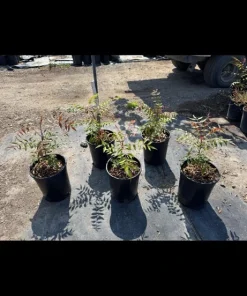
Pistachio Tree Live Plant – Grafted Nut Tree for Home Orchard
Original price was: $108.99.$89.99Current price is: $89.99.
Cultivate your own delicious nuts with this pistachio tree live plant. This grafted pistachio tree is perfect for establishing a productive home orchard, offering fresh, homegrown pistachios. Enjoy the journey of growing pistachio tree from your own garden.
Estimated arrival
Oct 27
Nov 01 - Nov 03
Nov 06 - Nov 10
Shop With Confidence
30-Day Plant Health Guarantee
Arrives damaged? We’ll replace it free — see our return policy.
Responsive Support
Email us anytime, we reply within 1 business day.
Expert Packaging
Temperature-controlled shipping to protect your plants in transit.
Secure Checkout
Pay safely with Visa, Mastercard, PayPal.
Plant Specifications
-
USDA Hardiness Zone
USDA Zones 7-10 -
Soil Type
Well-draining, sandy loam soil -
Sunlight Exposure
Full sun (8-10 hours daily) -
Expected Planting Period
Late winter to early spring
Overview
Embark on the rewarding journey of home nut production with a pistachio tree live plant. This offering is a carefully grafted pistachio tree, ensuring it will bear fruit true to its parent and at an earlier age compared to seed-grown trees. Pistachio trees, scientifically known as Pistacia vera, are renowned for their delicious and nutritious nuts, making them a highly desirable addition to any home orchard or large garden. This live plant provides an excellent opportunity for enthusiasts to cultivate their own supply of fresh pistachios, bringing a taste of the Mediterranean to your backyard. With proper care, this resilient tree will thrive and eventually reward you with bountiful harvests of these savory nuts, making the dream of growing pistachio tree a reality for many.
Pistachio trees are deciduous, meaning they shed their leaves in the fall, and are known for their attractive foliage and robust growth habit. Grafting is a crucial step for pistachio trees, as it combines the desired fruiting characteristics of one variety with the strong rootstock of another, leading to a more vigorous and disease-resistant plant. This method also ensures that the tree will produce nuts, as pistachios require both male and female trees for pollination, and grafted trees often come with specific varieties selected for fruit production. This particular pistachio tree live plant is ready to be established in your garden, offering the promise of future harvests and the unique satisfaction of growing your own gourmet nuts.
Key Benefits
Adding a pistachio tree to your landscape offers numerous advantages, from the joy of fresh produce to the aesthetic appeal of a mature tree. Here are some key benefits of owning a pistachio tree live plant:
- Homegrown Nuts: Enjoy the unparalleled taste of fresh, homegrown pistachios, free from commercial processing. This allows you to harvest nuts at peak ripeness and prepare them exactly to your liking.
- Long-Term Investment: A well-cared-for grafted pistachio tree can live for many decades, providing a continuous supply of nuts for your family and even future generations. It’s a sustainable and enduring addition to your property.
- Unique Orchard Addition: Stand out from traditional fruit orchards by cultivating a less common but highly prized nut tree. It adds diversity and interest to your edible landscape, making your home orchard truly unique.
- Ornamental Value: Beyond its delicious nuts, the pistachio tree is an attractive specimen with appealing foliage that changes color in the autumn, adding seasonal beauty to your garden. Its hardy nature makes it a robust choice for various climates.
- Health Benefits: Pistachios are packed with nutrients, including healthy fats, protein, fiber, and antioxidants, contributing to a healthy diet. Having them readily available encourages better snacking habits.
- Educational Experience:Growing pistachio tree provides a fascinating educational experience for both children and adults, teaching about plant life cycles, pollination, and sustainable food production.
- Drought Resistance: Once established, pistachio trees are remarkably drought-tolerant, making them a suitable choice for regions with limited water resources, contributing to water-wise gardening practices.
Plant Care & Growing Tips
Caring for your pistachio tree live plant involves understanding its specific needs for sunlight, water, soil, and climate. Pistachio trees thrive in hot, dry climates with long, warm summers and cold winters, which are essential for proper nut development. They require a significant amount of full sun, ideally 8-10 hours per day, to produce the best yields. Choose a site in your garden that receives abundant direct sunlight throughout the day and has excellent air circulation to prevent fungal issues. When considering a nut tree for home, ensuring adequate sun exposure is paramount for pistachios.
These trees prefer well-draining, sandy loam soil with a slightly alkaline pH (7.0-8.0). Good drainage is crucial, as pistachios are highly susceptible to root rot in waterlogged conditions. Amend heavy clay soils with organic matter and sand to improve drainage if necessary. While established trees are drought-tolerant, young trees require regular watering to encourage root development. Water deeply but infrequently, allowing the soil to dry out completely between waterings. Reduce watering significantly during the dormant winter months. For optimal growth, conduct a soil test to understand your specific soil composition and adjust accordingly. Maintaining proper soil conditions is a key aspect of pistachio plant care.
Pistachio trees are hardy in USDA Zones 7-10, though some varieties can tolerate colder temperatures. They require a certain number of chill hours (temperatures below 45°F or 7°C) during winter for proper flowering and fruiting. Fertilize young trees sparingly with a balanced fertilizer in early spring. As the tree matures and begins to bear fruit, a fertilizer higher in phosphorus and potassium will be beneficial. Pruning should be done in late winter or early spring to shape the tree, remove dead or diseased branches, and encourage fruit production. Remember that pistachio trees are dioecious, meaning male and female flowers grow on separate trees. For nut production, you will need at least one male tree for every 8-10 female trees for pollination, making this grafted pistachio tree an important part of a productive orchard.
Size & Details
This pistachio tree live plant arrives as a healthy, actively growing specimen, ready for transplanting into your garden or a larger container. Typically, grafted pistachio trees are sold at a height ranging from 2 to 4 feet, providing a good head start on growth. The specific height and caliper of the tree will vary depending on its age and the nursery stock. These trees exhibit a moderate to fast growth rate, eventually reaching mature heights of 15-30 feet with a similar spread, forming a beautiful, spreading canopy. They are shipped as a potted plant, ensuring the root system is intact and protected during transit, which significantly aids in successful establishment after planting.
Expect your nut tree for home to begin bearing nuts within 5-7 years after planting, with full production achieved around 10-15 years. The nuts develop within a hull that splits open when mature, indicating they are ready for harvest. The tree will arrive with robust roots and healthy foliage, prepared to adapt to its new environment. With proper care and favorable growing conditions, this pistachio tree live plant will establish itself as a long-lived and productive member of your home orchard, bringing years of delicious harvests. The initial size allows for easier handling and planting, while still providing a well-developed plant for quick establishment.
Frequently Asked Questions
- Q: How big does this pistachio tree get? A: A mature pistachio tree live plant can typically reach heights of 15 to 30 feet tall with a similar spread. Its size can be managed with proper pruning, especially if you are interested in keeping it a more manageable size for easier harvesting in a home orchard setting.
- Q: Is this an indoor or outdoor plant? A: This grafted pistachio tree is an outdoor plant. It requires full sun exposure and specific climate conditions, including hot summers and cold winters, to thrive and produce nuts effectively. It is not suitable for long-term indoor cultivation.
- Q: How much sunlight does it need? A: Pistachio trees require a significant amount of full sun, ideally 8 to 10 hours of direct sunlight per day, to ensure vigorous growth and optimal nut production. Planting in a sunny, unshaded location is crucial for your nut tree for home.
- Q: Is this plant easy to care for? A: While growing pistachio tree is not overly difficult, it does require specific climate conditions and attention to well-draining soil and proper watering, especially when young. Once established, they are relatively low-maintenance and drought-tolerant.
- Q: What condition will it arrive in? A: Your pistachio tree live plant will arrive as a healthy, actively growing potted plant with its roots protected. We ensure careful packaging to minimize stress during transit, preparing it for successful planting in your garden.
- Q: When is the best time to plant a pistachio tree? A: The best time to plant a pistachio tree is in late winter or early spring, after the danger of hard frost has passed but before the tree breaks dormancy. This allows the tree to establish its root system before the heat of summer. This is vital for proper pistachio plant care.
- Q: Will I need more than one tree to get nuts? A: Yes, pistachio trees are dioecious, meaning they have separate male and female trees. You will need at least one male tree to pollinate female trees to produce nuts. This grafted pistachio tree typically refers to a female variety intended for nut production, implying the need for a separate male pollinator.
- Q: What kind of soil does a pistachio tree prefer? A: Pistachio trees prefer well-draining, sandy loam soil with a slightly alkaline pH (7.0-8.0). Good drainage is essential to prevent root rot, as they do not tolerate overly wet conditions.
- Q: How long until it starts producing nuts? A: A grafted pistachio tree typically begins to bear nuts within 5 to 7 years after planting, with full commercial production usually achieved around 10 to 15 years. This makes it a long-term, rewarding investment for a nut tree for home.
- Q: What are the main challenges in growing a pistachio tree? A: The primary challenges for growing pistachio tree include ensuring proper pollination (having both male and female trees), providing sufficient chill hours in winter, protecting against pests and diseases, and ensuring well-draining soil to prevent root issues.
Be the first to review “Pistachio Tree Live Plant – Grafted Nut Tree for Home Orchard”
People Also Viewed
Reviews
There are no reviews yet.