
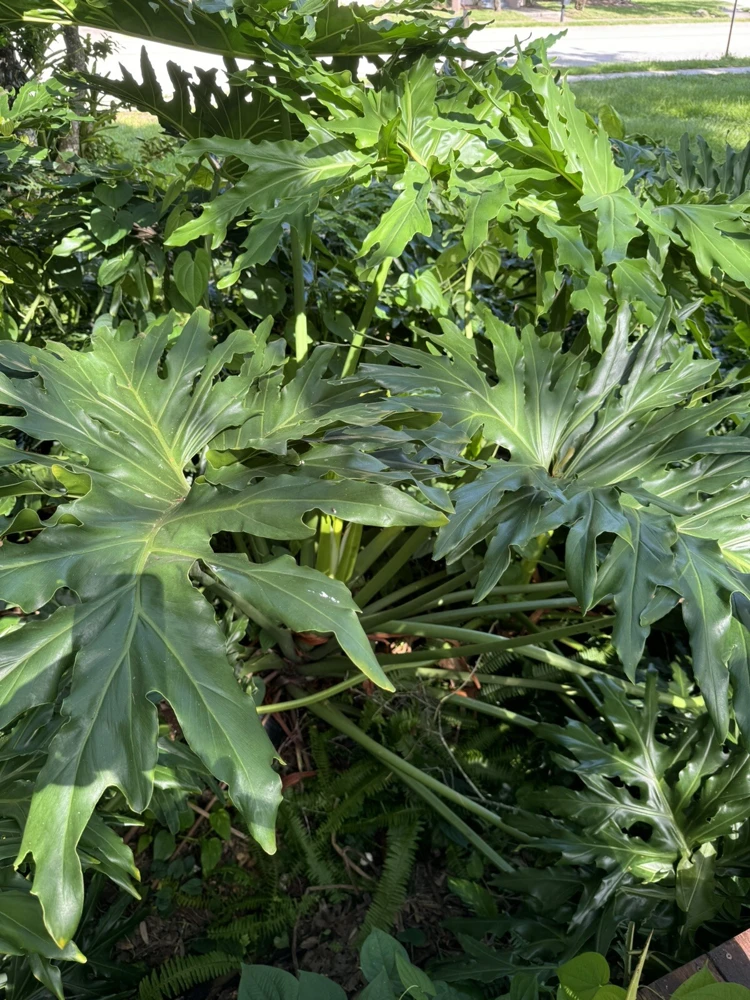
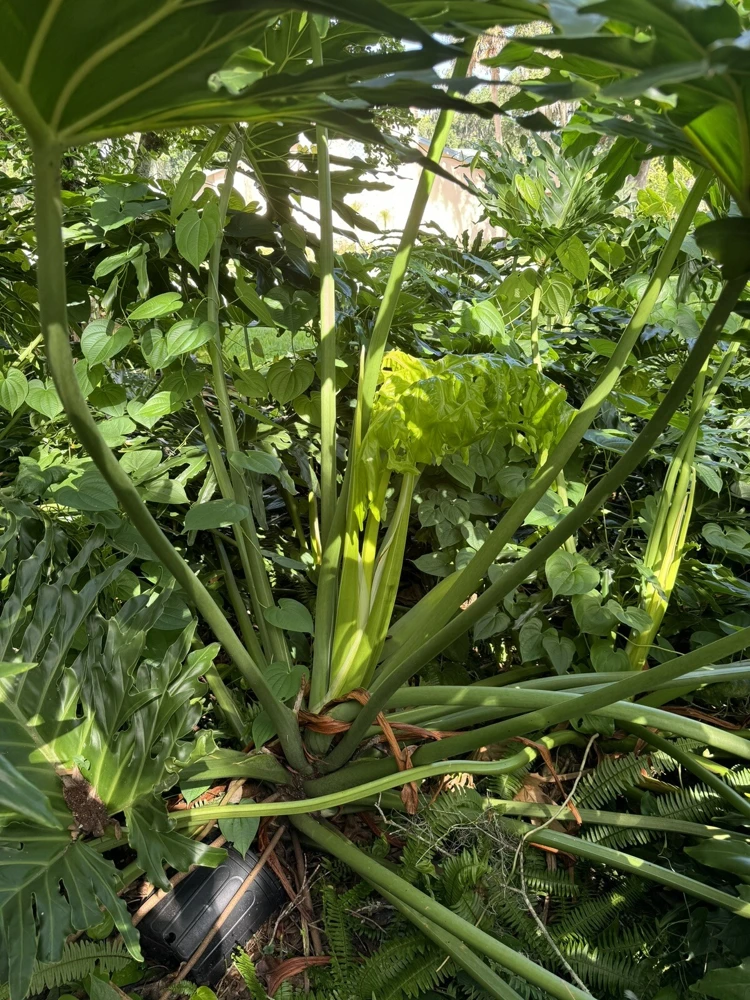
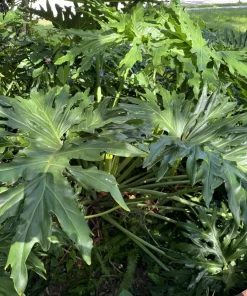
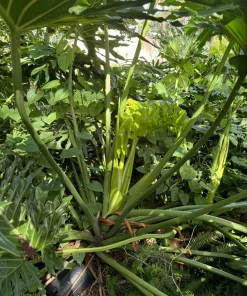
Giant Philodendron Live Plant – Large Tropical Indoor Houseplant – Choose Variety
Original price was: $60.99.$49.99Current price is: $49.99.
Bring a touch of the tropics indoors with a giant philodendron live plant. This large, lush houseplant offers dramatic foliage and is perfect for adding a vibrant, natural feel to any room. Choose from various stunning varieties to suit your style.
Estimated arrival
Oct 27
Nov 01 - Nov 03
Nov 06 - Nov 10
Shop With Confidence
30-Day Plant Health Guarantee
Arrives damaged? We’ll replace it free — see our return policy.
Responsive Support
Email us anytime, we reply within 1 business day.
Expert Packaging
Temperature-controlled shipping to protect your plants in transit.
Secure Checkout
Pay safely with Visa, Mastercard, PayPal.
Plant Specifications
-
USDA Hardiness Zone
year-round indoors -
Soil Type
well-draining potting mix -
Sunlight Exposure
bright indirect light -
Expected Planting Period
year-round indoors
Overview
Transform your living space with a magnificent giant philodendron live plant. Renowned for its impressive size and lush, often deeply lobed or heart-shaped leaves, the Philodendron genus offers a diverse range of species perfect for creating a tropical oasis within your home. These plants are celebrated for their adaptability and striking appearance, making them a popular choice among houseplant enthusiasts and beginners alike. Each giant philodendron live plant is a testament to nature’s artistry, providing not just greenery but also a dynamic focal point that evolves as it grows. With its ability to thrive indoors, this tropical beauty brings a piece of the rainforest directly into your environment, enhancing air quality and aesthetic appeal.
Whether you’re looking to fill a large space with dramatic foliage or simply want to enjoy the benefits of a thriving indoor garden, a giant philodendron live plant is an excellent choice. Our selection allows you to choose your favorite variety, ensuring you find the perfect match for your home decor and personal preference. These plants are known for their relatively straightforward care requirements, making them rewarding to cultivate. Embrace the joy of nurturing a truly spectacular plant that will captivate attention and infuse your home with natural elegance.
Key Benefits
Investing in a giant philodendron live plant offers a multitude of advantages beyond just its stunning looks. These tropical houseplants contribute significantly to creating a healthier and more inviting indoor environment.
- Dramatic Aesthetic Appeal: The large, vibrant leaves and often vining or upright growth habit of a giant philodendron live plant create an instant focal point, adding a touch of exotic elegance and lushness to any room. Its impressive size makes it a statement piece.
- Improved Air Quality: Like many houseplants, philodendrons are known to help purify indoor air by absorbing common toxins and releasing fresh oxygen, contributing to a healthier living or working space. This makes them beneficial for overall well-being.
- Easy Care Houseplants: Despite their grand appearance, many philodendron varieties are surprisingly low-maintenance, making them ideal for both seasoned plant parents and those new to indoor gardening. Their resilience makes them forgiving of occasional neglect.
- Versatile Decor Element: With various leaf shapes and growth patterns, large philodendron varieties can complement a wide range of interior design styles, from modern minimalist to bohemian and traditional. They can be trained to climb or allowed to trail gracefully.
- Promotes Well-being: Studies suggest that having plants indoors can reduce stress, improve mood, and increase productivity. Caring for a living plant like a giant philodendron live plant can be a therapeutic and rewarding experience.
- Adaptable to Various Light Conditions: While they prefer bright, indirect light, many philodendrons can tolerate lower light conditions, offering flexibility in placement within your home. This makes it easier to find a suitable spot for your new plant.
- Long-Lived Companions: With proper care, a philodendron can be a long-term addition to your plant collection, growing and evolving with your home for many years. They offer continuous beauty and enjoyment.
Plant Care & Growing Tips
Caring for your giant philodendron live plant is a rewarding experience that ensures its continued health and impressive growth. Most philodendrons thrive in conditions that mimic their native tropical habitats, which generally means warmth, humidity, and consistent moisture.
Sunlight requirements: Philodendrons prefer bright, indirect light. Direct sunlight, especially harsh afternoon sun, can scorch their leaves, leading to yellowing or browning. An east-facing window is often ideal, providing gentle morning sun, or a few feet away from a south or west-facing window. If your plant isn’t getting enough light, you might notice leggy growth or smaller leaves. Conversely, too much light can cause fading foliage. Finding the right balance is key to promoting healthy growth and vibrant leaf color in your large philodendron varieties.
Watering schedule and soil moisture: Water your philodendron when the top 1-2 inches of soil feel dry to the touch. It’s better to underwater slightly than to overwater, as constantly wet soil can lead to root rot. Ensure your pot has drainage holes to prevent water from sitting at the bottom. During warmer months, you’ll likely need to water more frequently, while in winter, reduce the frequency as the plant’s growth slows. High humidity is also appreciated by these tropical plants; consider misting the leaves regularly or placing the pot near a humidifier. This helps create an ideal environment for your tropical indoor houseplant.
Soil type and drainage: Use a well-draining potting mix that retains some moisture but doesn’t become waterlogged. A good quality indoor potting mix amended with perlite, orchid bark, or coco coir works well. This provides the aeration roots need while offering essential nutrients. Temperature range and USDA hardiness zone: Philodendrons prefer temperatures between 65-80°F (18-27°C) and should be protected from temperatures below 50°F (10°C). They are not frost-tolerant and are typically grown as houseplants, making specific USDA zones less relevant unless you’re in a tropical climate. Fertilization schedule and type: Feed your philodendron with a balanced liquid fertilizer diluted to half strength every 2-4 weeks during the growing season (spring and summer). Reduce or cease fertilization during fall and winter. Common problems and solutions: Watch out for yellowing leaves (overwatering or nutrient deficiency), brown leaf tips (low humidity), and pests like spider mites or mealybugs. Address pests promptly with horticultural oil or insecticidal soap. Providing consistent care will help prevent many issues, ensuring your philodendron plant care routine is effective.
Size & Details
This giant philodendron live plant is provided as a young, robust specimen, ready to establish itself in your home. While specific dimensions can vary based on the chosen variety, you can generally expect a plant that is already substantial, typically ranging from 12 to 24 inches in height upon arrival, not including the pot. These plants are known for their vigorous growth rate, and with optimal conditions, they can quickly mature into impressive, large specimens, often reaching several feet in height and spread. The exact pot size will vary, but it will be appropriately sized for the plant’s current stage of growth, usually in a nursery pot of 4 to 6 inches in diameter, allowing for healthy root development during transit.
Your giant philodendron live plant will arrive carefully packaged in its nursery pot with soil, ensuring minimal stress during shipping. The growth habit can be vining or upright, depending on the particular variety you select. Many philodendrons can be trained to climb a moss pole or allowed to trail elegantly from a hanging basket or shelf. Expect continuous new leaf development throughout the growing season, with individual leaves reaching significant sizes as the plant matures. With proper easy care houseplants techniques, your philodendron will become a magnificent feature in your indoor garden. These plants typically do not flower indoors, focusing their energy on producing stunning foliage.
Frequently Asked Questions
- Q: How big does this plant get? A: A giant philodendron live plant can grow quite large indoors, often reaching several feet in height and spread with proper care and support. The ultimate size depends on the specific variety and growing conditions, but they are known for their impressive dimensions.
- Q: What size pot does it come in? A: Your philodendron will arrive in a nursery pot, typically between 4 to 6 inches in diameter, which is suitable for its current size and allows for healthy root development. We recommend repotting to a slightly larger decorative pot after it has acclimated to your home.
- Q: Is this an indoor or outdoor plant? A: While philodendrons are tropical plants, this tropical indoor houseplant is best suited for indoor environments in most climates. It can be moved outdoors during warm summer months in a shaded location but must be brought inside before temperatures drop below 50°F (10°C).
- Q: How much sunlight does it need? A: Philodendrons thrive in bright, indirect light. Avoid direct harsh sunlight, which can scorch their leaves. A spot near an east-facing window or a few feet from a south or west-facing window is usually ideal for healthy growth of your large philodendron varieties.
- Q: Is this plant easy to care for? A: Yes, many philodendron varieties are considered relatively easy to care for, making them a great choice for both beginners and experienced plant enthusiasts. They are quite forgiving and adaptable, fitting well into an easy care houseplants routine.
- Q: What condition will it arrive in? A: Your giant philodendron live plant will be carefully packaged to ensure it arrives in excellent condition, healthy and vibrant, in its nursery pot with soil. We take great care to protect the plant during transit.
- Q: How often should I water my philodendron? A: Water your philodendron when the top 1-2 inches of soil are dry to the touch. This typically means once a week, but it can vary based on humidity, light, and temperature. Always check the soil moisture before watering to prevent overwatering.
- Q: Is the philodendron pet-safe? A: No, philodendrons are generally considered toxic to pets and humans if ingested due to calcium oxalate crystals. It’s best to keep your philodendron plant care in a location out of reach of curious pets and children.
- Q: Do I need to fertilize my philodendron? A: Yes, during the growing season (spring and summer), fertilize your giant philodendron live plant with a balanced liquid fertilizer diluted to half strength every 2-4 weeks. Reduce or stop fertilizing during fall and winter.
- Q: Can I propagate my philodendron? A: Many philodendron varieties are easy to propagate from stem cuttings. Simply take a cutting with a few nodes, place it in water or moist soil, and roots should develop within a few weeks.
Be the first to review “Giant Philodendron Live Plant – Large Tropical Indoor Houseplant – Choose Variety”
People Also Viewed

Herb Seeds
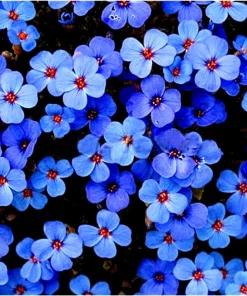
Creeping Thyme Herb Flower Seeds – Blue Ground Cover, Thymus Serpyllum, 100+ Seeds, Perennial
Reviews
There are no reviews yet.