
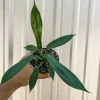
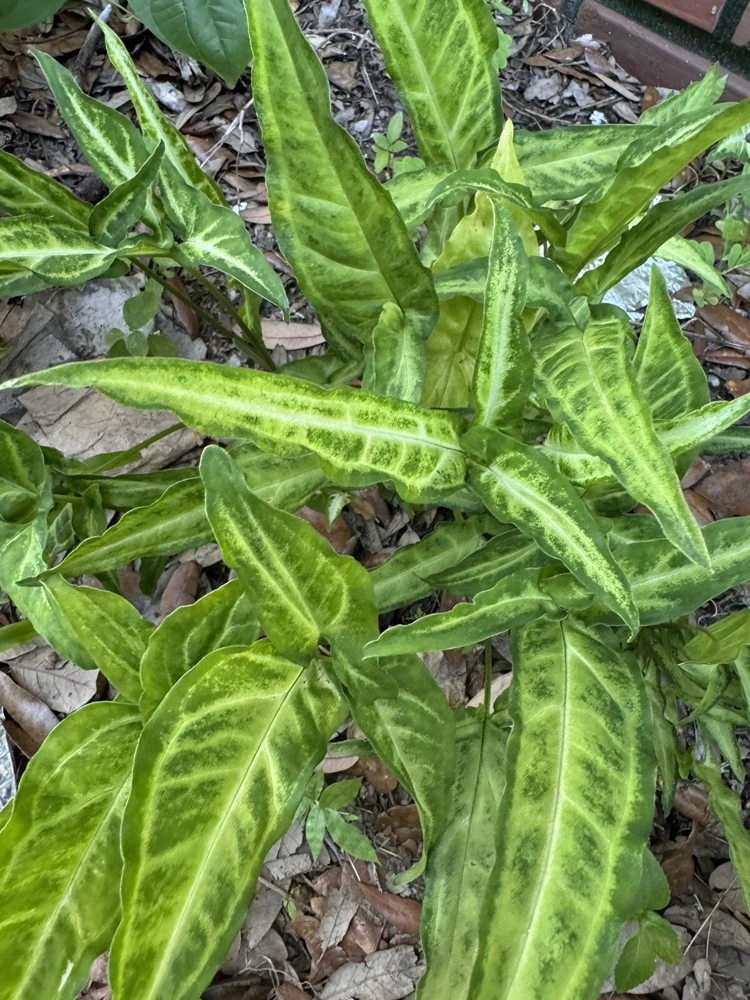
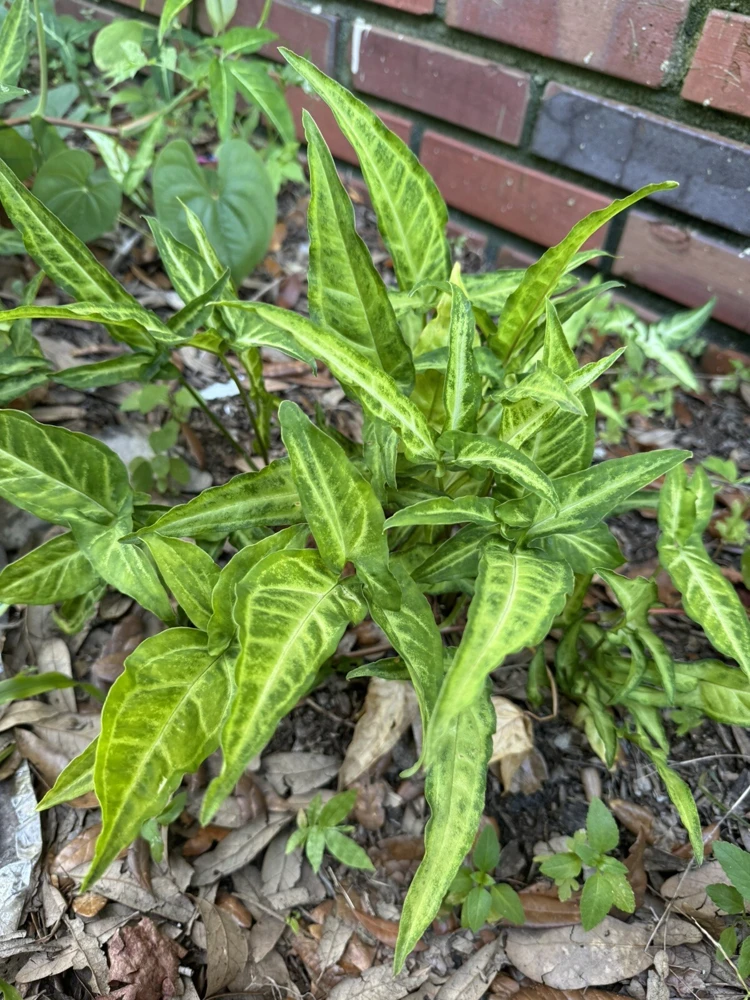
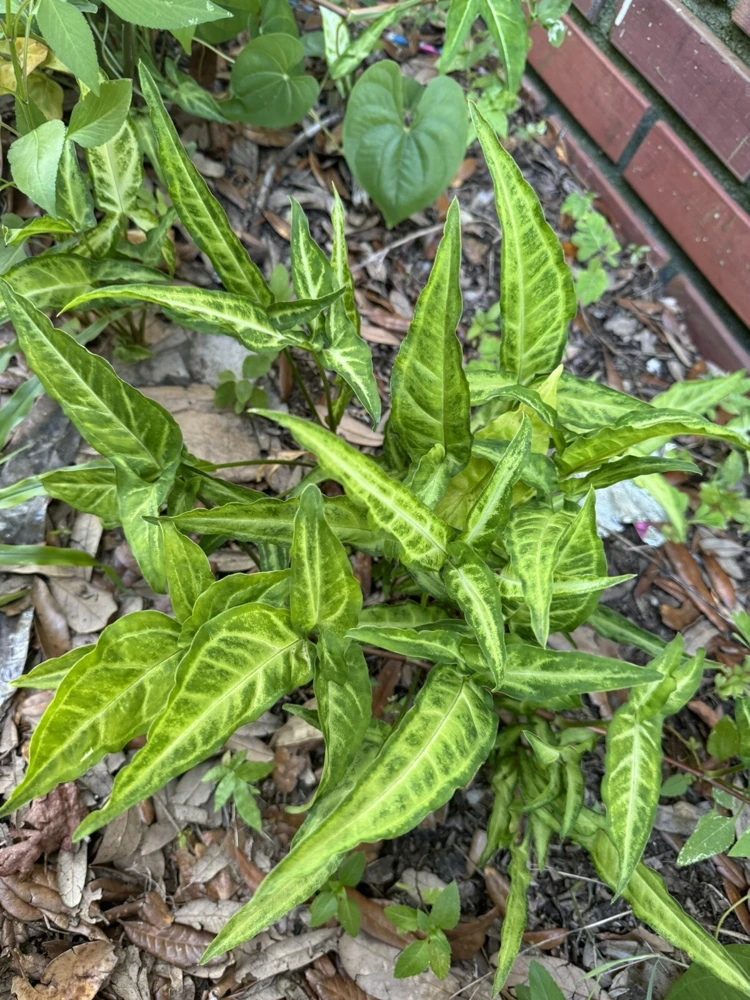
Arrowhead Vine Live Plant – Syngonium Podophyllum Indoor Houseplant
Original price was: $24.99.$19.99Current price is: $19.99.
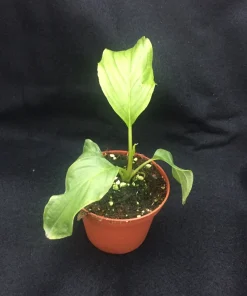
Bring lush tropical beauty into your home with this stunning arrowhead vine live plant. Also known as Syngonium podophyllum, this easy-care indoor houseplant is perfect for adding vibrant greenery to any space. Its unique arrow-shaped leaves and adaptable nature make it a favorite for both beginners and experienced plant enthusiasts.
Estimated arrival
Oct 27
Nov 01 - Nov 03
Nov 06 - Nov 10
Shop With Confidence
30-Day Plant Health Guarantee
Arrives damaged? We’ll replace it free — see our return policy.
Responsive Support
Email us anytime, we reply within 1 business day.
Expert Packaging
Temperature-controlled shipping to protect your plants in transit.
Secure Checkout
Pay safely with Visa, Mastercard, PayPal.
Plant Specifications
-
USDA Hardiness Zone
USDA zones 10-12 (outdoors), typically grown indoors -
Soil Type
Well-draining potting mix -
Sunlight Exposure
Bright, indirect light -
Expected Planting Period
Year-round indoors
Overview
Transform your living space with the exquisite beauty of the arrowhead vine live plant, scientifically known as Syngonium podophyllum. This popular indoor houseplant is celebrated for its distinctive arrow-shaped leaves that change form as the plant matures, offering a dynamic visual appeal. Originating from tropical rainforests, the arrowhead vine live plant is not only visually appealing but also known for its air-purifying qualities, making it a wonderful addition to any home or office environment. Its easy-care nature ensures that even those new to gardening can enjoy its lush foliage and vibrant growth. This live plant arrives ready to thrive, bringing a touch of nature’s tranquility directly to you.
The Syngonium podophyllum is native to a wide region of Latin America, from Mexico to Bolivia, and is a member of the Araceae family. Its common names, such as arrowhead plant, arrowhead vine, or goosefoot plant, all refer to the characteristic shape of its leaves. As a young plant, the leaves are typically heart-shaped, developing into a more pronounced arrow or three-lobed shape as it ages. This versatility in appearance, combined with its relatively compact size, makes it an ideal choice for various indoor settings, from desk plants to hanging baskets or even climbing plants with proper support. It’s a truly rewarding plant to grow, offering continuous interest and growth.
Key Benefits
The arrowhead vine live plant offers a multitude of benefits, enhancing both the aesthetics and the environment of your home. Its charming foliage and resilient nature contribute to a healthier and more inviting atmosphere. Incorporating an arrowhead vine live plant into your decor is an excellent choice for anyone seeking a low-maintenance yet impactful botanical accent.
- Aesthetic Appeal: The unique arrow-shaped leaves, often displaying beautiful variegation or shades of green, pink, or white, provide a striking visual element. As the plant matures, its leaf shape evolves, adding continuous interest to your indoor garden.
- Air Purification: Like many houseplants, the Syngonium podophyllum is known to help improve indoor air quality by filtering out common toxins. This contributes to a fresher and healthier living environment.
- Easy Care Houseplants: This plant is incredibly forgiving and adaptable, making it an excellent choice for beginners or those with busy lifestyles. It tolerates a range of conditions and requires minimal fuss once established. Understanding syngonium podophyllum care is straightforward.
- Versatile Growth Habits: The arrowhead vine can be grown as a compact bushy plant, allowed to trail gracefully from a hanging basket, or trained to climb a support, offering flexibility in how you display it. This adaptability makes it suitable for various spaces and design preferences.
- Boosts Mood and Well-being: Studies suggest that having plants indoors can reduce stress, improve focus, and enhance overall well-being. The vibrant greenery of the arrowhead vine can create a calming and refreshing atmosphere. These arrowhead plant benefits extend beyond just visual appeal.
- Pet-Friendly Alternative (with caution): While all parts of the Syngonium are toxic if ingested, many plant enthusiasts still enjoy them in homes with pets by placing them out of reach. Always exercise caution and consult a vet if ingestion is suspected.
Plant Care & Growing Tips
Caring for your arrowhead vine live plant is relatively simple, making it one of the most popular easy care houseplants. Providing the right conditions will ensure a thriving and vibrant plant. Understanding proper syngonium podophyllum care will help it flourish for years to come. These indoor vine plants are quite resilient, but a little attention goes a long way.
Sunlight Requirements: The arrowhead vine thrives in bright, indirect light. Avoid direct sunlight, which can scorch its delicate leaves, especially the variegated varieties. An east or west-facing window is often ideal, or a few feet away from a south-facing window. If the plant isn’t getting enough light, its growth may become leggy, and its vibrant leaf patterns might fade. Conversely, too much direct sun can cause the leaves to turn yellow or brown. Providing consistent, diffused light is key to healthy growth and maintaining the beautiful patterns of your arrowhead vine live plant.
Watering Schedule and Soil Moisture: Water your Syngonium podophyllum when the top inch or two of soil feels dry to the touch. It prefers consistently moist, but not soggy, soil. Overwatering can lead to root rot, which is detrimental to the plant’s health. Ensure the pot has drainage holes to prevent water from sitting at the bottom. During winter months, reduce watering frequency as the plant’s growth slows down. Always check the soil moisture before watering to avoid issues. Misting the leaves occasionally can also help, especially in dry indoor environments, as these indoor vine plants appreciate humidity.
Soil Type and Drainage: A well-draining potting mix is crucial for the arrowhead vine. A standard houseplant potting mix amended with perlite or orchid bark for extra drainage works well. The soil should retain some moisture but allow excess water to escape quickly. Good drainage prevents root rot and ensures the roots receive adequate oxygen. Repotting every 1-2 years, or when the plant becomes root-bound, into a slightly larger pot with fresh soil will encourage continued growth. These simple steps are fundamental to successful syngonium podophyllum care.
Temperature Range and USDA Hardiness Zone: As a tropical plant, the arrowhead vine prefers warm temperatures, ideally between 60-80°F (15-27°C). Avoid exposing it to temperatures below 50°F (10°C), which can cause damage. Keep it away from cold drafts from windows or air conditioning vents. Humidity is also important for this plant; consider placing it near a humidifier or on a pebble tray with water. While primarily an indoor plant, if you live in a tropical climate (USDA zones 10-12), it can thrive outdoors in a shaded, protected spot. The arrowhead plant benefits from stable, warm conditions.
Fertilization Schedule and Type: Feed your arrowhead vine live plant with a balanced liquid houseplant fertilizer diluted to half strength every 2-4 weeks during the growing season (spring and summer). Reduce or stop fertilization during fall and winter when the plant’s growth naturally slows. Over-fertilization can lead to salt buildup in the soil, which can harm the roots. Always follow the instructions on your chosen fertilizer product. A healthy feeding regimen supports robust growth and vibrant foliage for these wonderful easy care houseplants.
Size & Details
This arrowhead vine live plant, Syngonium podophyllum, typically arrives as a well-rooted, young plant, ready to thrive in its new environment. The exact size will vary, but you can expect a plant that is compact enough for desk display, yet with enough established growth to show its characteristic arrow-shaped leaves. With proper syngonium podophyllum care, it has a moderate to fast growth rate, quickly developing into a lush specimen. It can reach heights of 1-2 feet as a bushy plant or trail several feet long if allowed to climb or hang. The plant is shipped in a nursery pot, ensuring its roots are protected and healthy upon arrival.
The versatility of these indoor vine plants allows them to adapt to various display methods. While compact at first, given time and care, your arrowhead vine live plant will develop into a beautiful, full plant. Expect new leaves to emerge regularly, showcasing the plant’s vibrant growth. It’s an excellent choice for adding a touch of the tropics and enjoying the natural arrowhead plant benefits of enhanced indoor air quality.
Frequently Asked Questions
- Q: How big does this plant get? A: The arrowhead vine live plant can grow to be quite versatile. As a bushy plant, it typically reaches 1-2 feet in height, but if allowed to trail or climb, its vines can extend several feet long, making it a great choice for hanging baskets or trellises.
- Q: Is this an indoor or outdoor plant? A: The Syngonium podophyllum is primarily grown as an indoor houseplant due to its tropical nature. It thrives in typical indoor temperatures and humidity. In USDA zones 10-12, it can be grown outdoors in shaded, protected areas.
- Q: How much sunlight does it need? A: This easy care houseplant prefers bright, indirect light. Direct sunlight can scorch its leaves, especially variegated varieties. An east or west-facing window is often ideal, or a spot a few feet away from a south-facing window.
- Q: Is this plant easy to care for? A: Yes, the arrowhead vine live plant is considered one of the easiest houseplants to care for. It’s forgiving of occasional neglect and adapts well to various indoor conditions, making it perfect for beginners.
- Q: What condition will it arrive in? A: Your arrowhead vine live plant will arrive as a healthy, well-established young plant in a nursery pot, with its roots protected and ready for its new home. We package carefully to ensure safe transit.
- Q: How often should I water my arrowhead vine? A: Water when the top 1-2 inches of soil feel dry to the touch. It prefers consistently moist, but not soggy, soil. Always ensure good drainage to prevent root rot, which is crucial for good syngonium podophyllum care.
- Q: Is the arrowhead vine pet-safe? A: No, the Syngonium podophyllum is considered toxic if ingested by pets or humans due to calcium oxalate crystals. Keep it out of reach of children and pets, or choose alternative pet-safe plants if you have curious animals.
- Q: Does this plant help purify the air? A: Yes, one of the significant arrowhead plant benefits is its ability to help purify indoor air by filtering out common airborne toxins, contributing to a healthier home environment.
- Q: What kind of soil is best for these indoor vine plants? A: A well-draining potting mix is ideal. You can use a standard houseplant mix and amend it with perlite or orchid bark to improve drainage and aeration.
- Q: Can I propagate my arrowhead vine? A: Yes, Syngonium podophyllum is quite easy to propagate from stem cuttings. Simply take a cutting with a node, and place it in water or moist soil until roots develop.
Be the first to review “Arrowhead Vine Live Plant – Syngonium Podophyllum Indoor Houseplant”
People Also Viewed

Shrub Seeds
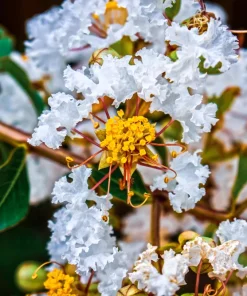
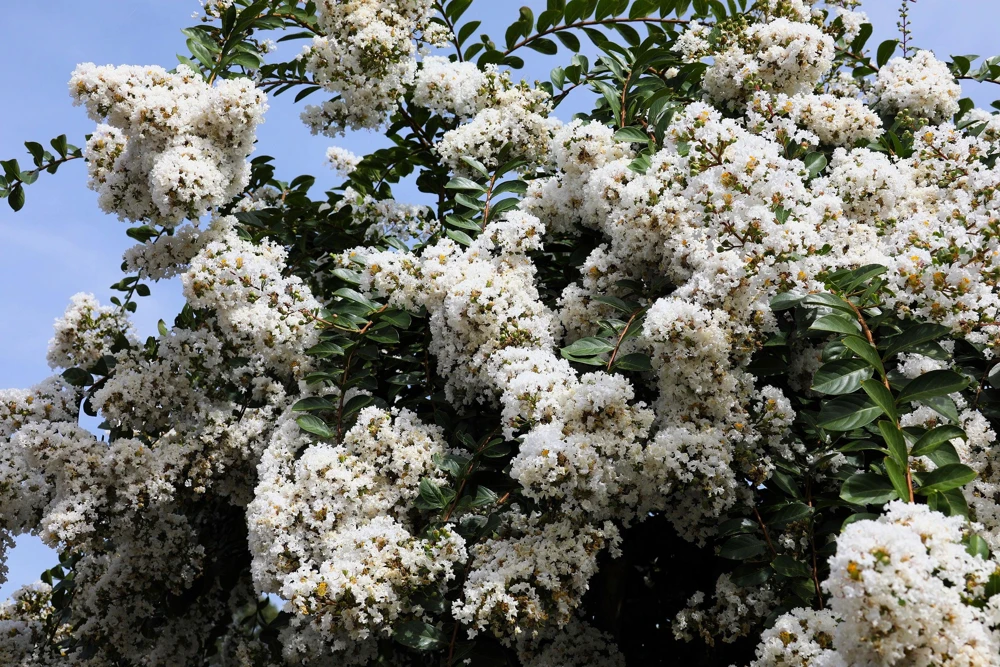
35 White Crepe Myrtle Seeds – Lagerstroemia Indica Flowering Shrub Bush Small Tree Seeds





Reviews
There are no reviews yet.