
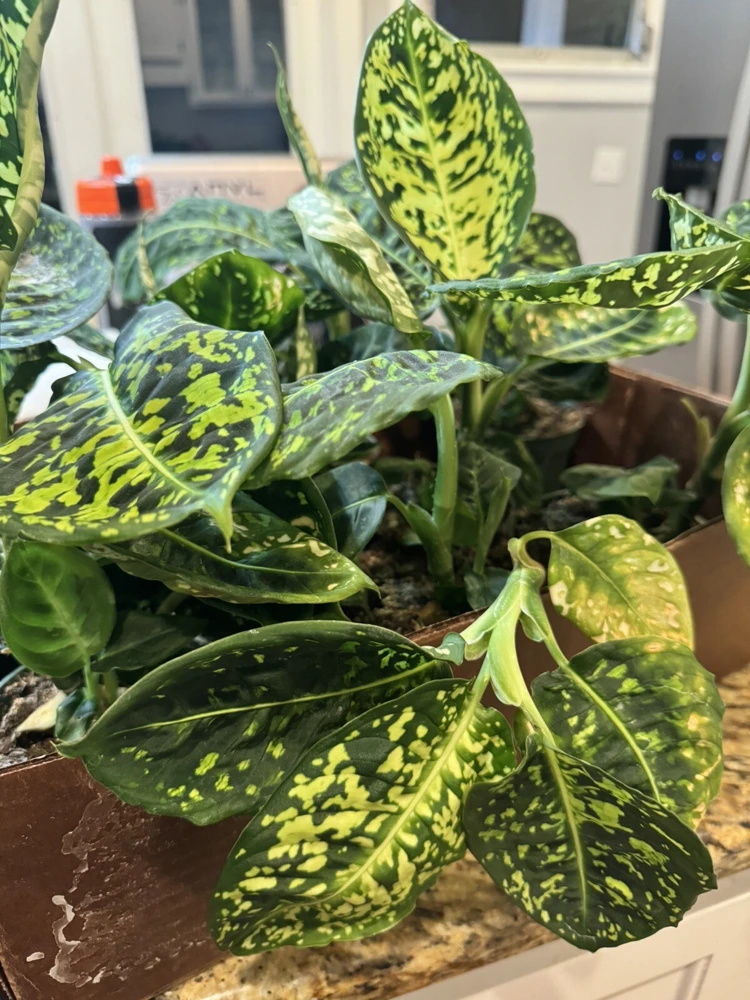
Dieffenbachia Reflector Live Plant – Rare Tropical Foliage Houseplant
Original price was: $43.99.$35.99Current price is: $35.99.
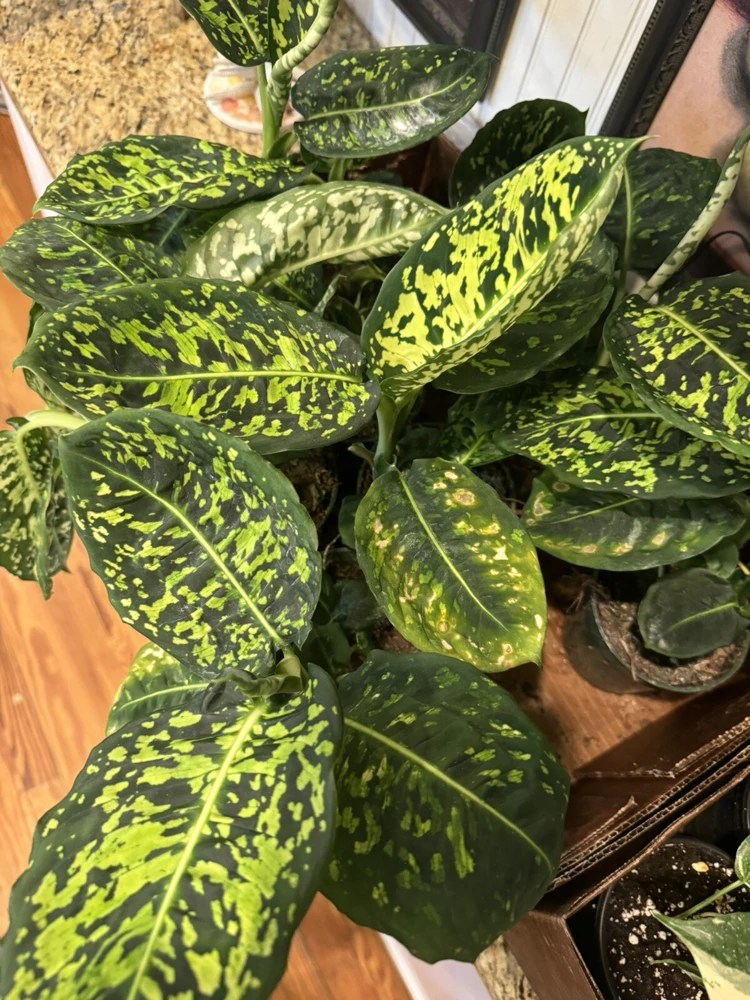
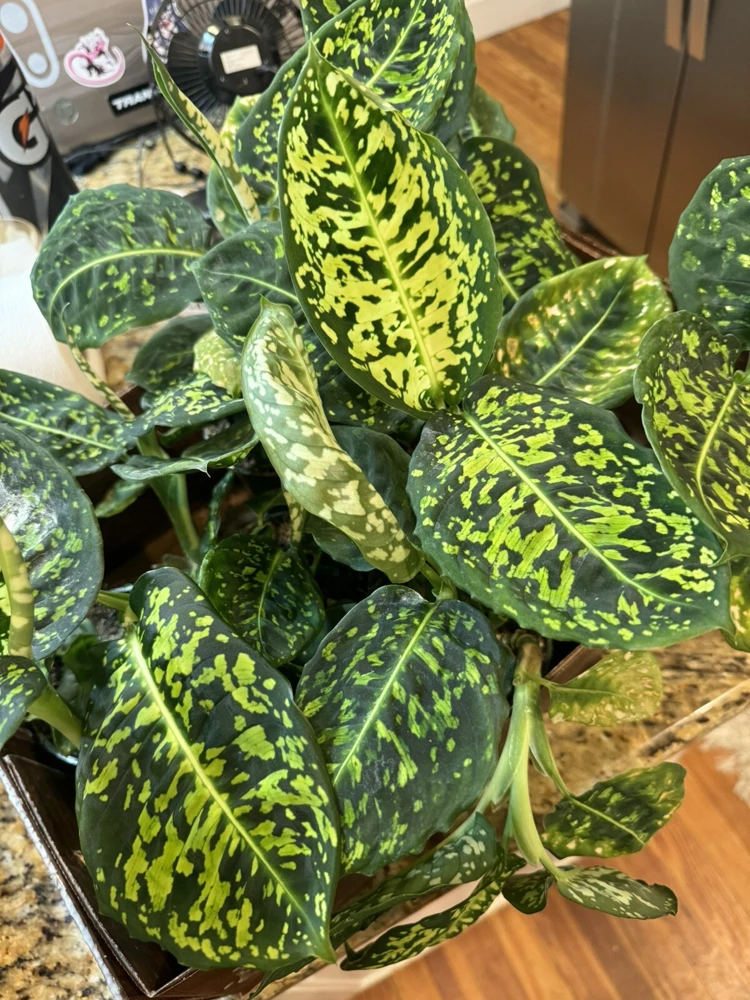
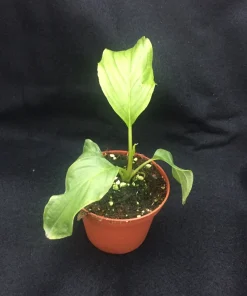
Enhance your indoor jungle with the stunning dieffenbachia reflector live plant. This beautiful, rare tropical foliage houseplant features unique variegated leaves, adding an exotic touch to any space. Easy to care for, it’s perfect for both beginners and experienced plant parents looking for a vibrant addition.
Estimated arrival
Oct 27
Nov 01 - Nov 03
Nov 06 - Nov 10
Shop With Confidence
30-Day Plant Health Guarantee
Arrives damaged? We’ll replace it free — see our return policy.
Responsive Support
Email us anytime, we reply within 1 business day.
Expert Packaging
Temperature-controlled shipping to protect your plants in transit.
Secure Checkout
Pay safely with Visa, Mastercard, PayPal.
Plant Specifications
-
USDA Hardiness Zone
unknown -
Soil Type
well-draining potting mix -
Sunlight Exposure
bright indirect light -
Expected Planting Period
year-round indoors
Overview
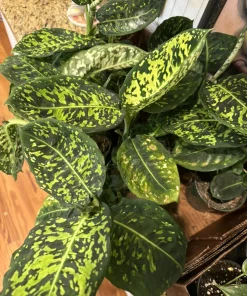
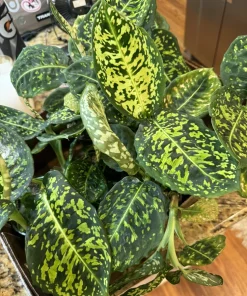
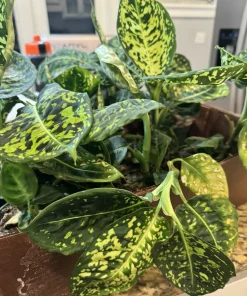
Introduce a touch of the tropics to your home with the magnificent dieffenbachia reflector live plant. This highly sought-after houseplant is celebrated for its truly unique and captivating foliage, featuring dark green leaves intricately patterned with lighter green and silver-gray markings that shimmer under light, giving it its ‘Reflector’ name. As a rare tropical foliage plant, it stands out from more common varieties, making it a prized possession for collectors and enthusiasts alike. Dieffenbachia, also known as Dumb Cane, is a genus of flowering plants in the Araceae family, native to the tropical Americas. The ‘Reflector’ cultivar is particularly admired for its striking visual appeal and its ability to thrive indoors, bringing a vibrant, exotic atmosphere to any room. This live plant offers an instant aesthetic upgrade, transforming ordinary spaces into lush, green sanctuaries.
Key Benefits
The dieffenbachia reflector live plant offers numerous benefits beyond its undeniable beauty, making it an excellent choice for indoor environments. Its presence can significantly enhance your living or working space.
- Stunning Visual Appeal: The unique variegated patterns and reflective qualities of the ‘Reflector’ leaves create a mesmerizing display, acting as a natural focal point in any room. Its exotic appearance adds a sophisticated touch to modern and traditional decor alike.
- Air Purification: Like many houseplants, Dieffenbachia contributes to improved indoor air quality by filtering out common toxins, creating a healthier and more refreshing environment for you and your family.
- Easy Care for Houseplant Enthusiasts: While appearing exotic, the reflector dumb cane plant is surprisingly resilient and forgiving, making it suitable for a wide range of plant care skill levels. With basic attention to its needs, it will flourish.
- Tropical Ambiance: Instantly transform your space into a tropical oasis. The lush foliage evokes feelings of relaxation and tranquility, bringing the calming essence of nature indoors.
- Adaptable to Indoor Conditions: This indoor houseplant dieffenbachia is well-suited to typical home environments, adapting to various light conditions and humidity levels, though it thrives best with consistent care.
- Growth and Vigor: With proper care, the ‘Reflector’ can grow into a substantial plant, providing abundant foliage and a significant green presence in your home.
- Unique Collector’s Item: Due to its distinctive variegation and relative rarity, owning a dieffenbachia reflector live plant is a unique opportunity for those who appreciate unusual and beautiful botanical specimens.
Plant Care & Growing Tips
Caring for your dieffenbachia reflector live plant is straightforward, ensuring it remains a vibrant and healthy addition to your home. Understanding its specific needs will help it thrive and display its best foliage. This rare tropical foliage plant prefers bright, indirect light. Direct sunlight can scorch its delicate leaves, causing discoloration and damage. An east-facing window or a spot a few feet away from a south or west-facing window is ideal. Consistent, even lighting will encourage vibrant leaf patterns. Avoid low-light conditions, which can lead to leggy growth and less pronounced variegation.
Watering is crucial for the health of your Dieffenbachia. Allow the top 1-2 inches of soil to dry out completely between waterings. Overwatering is a common mistake and can lead to root rot. When you water, do so thoroughly until water drains from the bottom of the pot. Ensure your pot has drainage holes. During winter months, reduce watering frequency as the plant’s growth slows down. The ideal soil for this plant is a well-draining potting mix. A mix containing peat moss, perlite, and pine bark is excellent, providing both moisture retention and aeration. The dieffenbachia care routine also includes maintaining a consistent temperature, ideally between 65-80°F (18-27°C). Avoid sudden temperature drops or cold drafts, as this tropical plant is sensitive to chill. It thrives in high humidity, so consider misting regularly, using a pebble tray, or placing it near a humidifier, especially in dry indoor environments.
Fertilize your Dieffenbachia every 2-4 weeks during the growing season (spring and summer) with a balanced liquid fertilizer diluted to half strength. Reduce or stop fertilization during fall and winter. Common problems include yellowing leaves (often due to overwatering or nutrient deficiency), brown leaf tips (low humidity), and pests like spider mites or mealybugs. Inspect your plant regularly and treat any infestations promptly with insecticidal soap. Repotting is typically needed every 1-2 years, or when the plant becomes root-bound. Choose a pot that is only one size larger than the current one to prevent excess soil from retaining too much moisture.
Size & Details
This dieffenbachia reflector live plant is typically shipped in a nursery pot, ready to be acclimated to its new home. The exact size may vary, but it generally arrives as a young, robust plant with established roots, usually between 6-12 inches tall, measured from the base of the pot. With optimal care, this plant can grow to an impressive size, reaching heights of 3-6 feet indoors, with a spread of 2-3 feet, making it a significant statement piece. Its growth rate is moderate, allowing you to enjoy its development over time. The plant’s mature leaves can be quite large, contributing to its lush, tropical appearance. It is an established plant, ready to continue its growth journey in your care. Expect to see new, beautifully patterned leaves unfurl regularly, especially during the warmer months. This indoor houseplant dieffenbachia is sure to become a cherished part of your plant collection.
Frequently Asked Questions
- Q: How big does this plant get? A: The dieffenbachia reflector live plant can grow quite large indoors, typically reaching 3 to 6 feet in height and spreading 2 to 3 feet wide when mature. Its growth is influenced by pot size, light, and care.
- Q: Is this an indoor or outdoor plant? A: This is primarily an indoor houseplant. While it enjoys warm, humid conditions, it is not tolerant of cold temperatures and direct, harsh sunlight, making it unsuitable for most outdoor environments in the US, except in very specific tropical zones.
- Q: How much sunlight does it need? A: The reflector dumb cane plant thrives in bright, indirect light. Avoid direct sun exposure, which can scorch its leaves. A spot near an east-facing window or a few feet from a south/west window with filtered light is ideal.
- Q: Is this plant easy to care for? A: Yes, the Dieffenbachia ‘Reflector’ is considered relatively easy to care for, making it a good choice for both beginners and experienced plant enthusiasts. Consistent watering and appropriate light are key to successful dieffenbachia care.
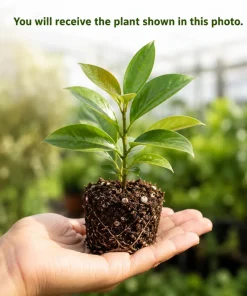
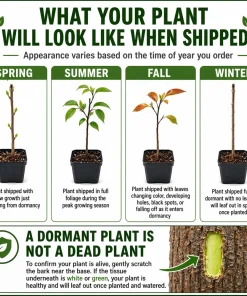
- Q: What condition will it arrive in? A: Your dieffenbachia reflector live plant will arrive carefully packaged in a nursery pot, with its roots established and foliage intact. It will be ready for you to acclimate it to its new environment.
- Q: Is it pet-safe? A: No, Dieffenbachia plants are toxic if ingested by pets or humans due to calcium oxalate crystals. It’s important to keep this plant out of reach of children and pets.
- Q: When is the best time to repot this plant? A: The best time to repot your indoor houseplant dieffenbachia is in the spring or early summer, when the plant is actively growing. Repot when you notice roots growing out of the drainage holes or the plant becoming top-heavy.
- Q: How often should I fertilize it? A: Fertilize your Dieffenbachia ‘Reflector’ every 2-4 weeks during its active growing season (spring and summer) using a balanced liquid fertilizer diluted to half strength. Reduce or stop fertilizing in fall and winter.
- Q: What kind of soil does it prefer? A: This plant prefers a well-draining potting mix that retains some moisture. A good mix would typically include peat moss, perlite, and a bit of pine bark for aeration.
- Q: Will it grow well in a dry home environment? A: While tolerant, the rare tropical foliage of the Dieffenbachia ‘Reflector’ prefers higher humidity. In dry environments, consider misting regularly, using a pebble tray, or a humidifier to keep the leaves lush and prevent brown tips.
Be the first to review “Dieffenbachia Reflector Live Plant – Rare Tropical Foliage Houseplant”
People Also Viewed
Vegetable Seeds
Big Bertha Sweet Pepper Seeds – 10 Count – Giant Bell Peppers


Reviews
There are no reviews yet.