
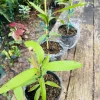
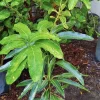
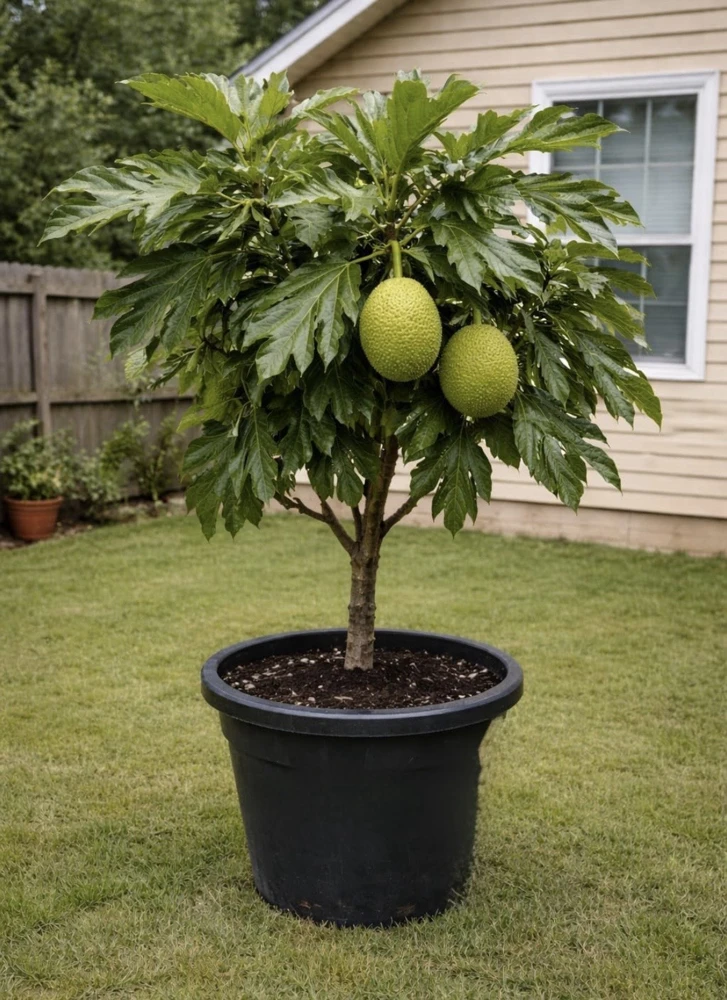
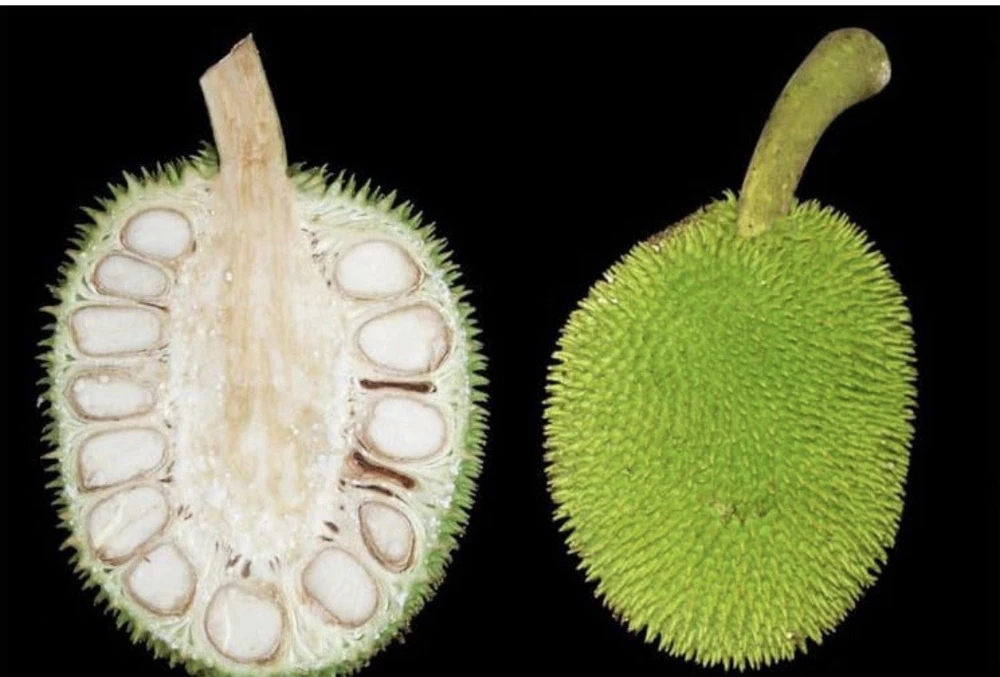
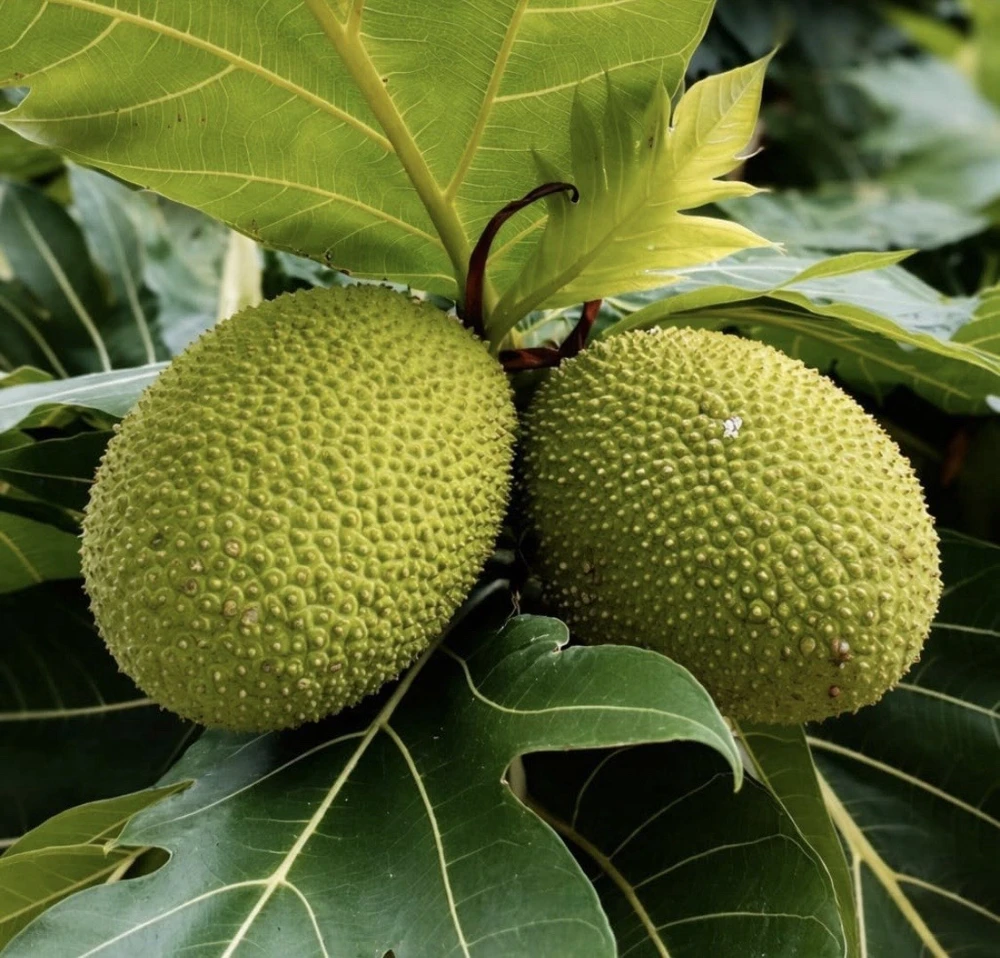
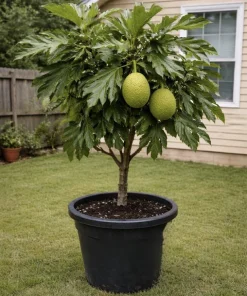
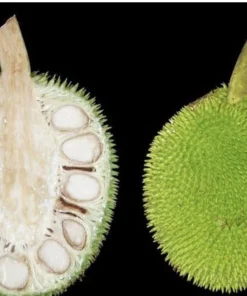
Organic Breadfruit Tree Live Plant – Artocarpus altilis Tropical Fruit
Original price was: $108.99.$89.99Current price is: $89.99.
Cultivate your own tropical paradise with this organic breadfruit tree live plant. Known botanically as Artocarpus altilis, this versatile fruit tree offers delicious, starchy fruits and lush foliage, making it a unique addition to any garden or greenhouse.
Estimated arrival
Oct 27
Nov 01 - Nov 03
Nov 06 - Nov 10
Shop With Confidence
30-Day Plant Health Guarantee
Arrives damaged? We’ll replace it free — see our return policy.
Responsive Support
Email us anytime, we reply within 1 business day.
Expert Packaging
Temperature-controlled shipping to protect your plants in transit.
Secure Checkout
Pay safely with Visa, Mastercard, PayPal.
Plant Specifications
-
USDA Hardiness Zone
USDA zones 10-11 (outdoors); container plant for other zones -
Soil Type
Rich, well-draining, loamy soil -
Sunlight Exposure
Full sun (6-8 hours direct sunlight daily) -
Expected Planting Period
Year-round indoors; Spring to early summer outdoors in suitable zones
Overview
Bring the tropics to your home with this exceptional organic breadfruit tree live plant. Scientifically known as Artocarpus altilis, the breadfruit tree is a magnificent specimen renowned for its large, deeply lobed leaves and distinctive, starchy fruits. Originating from the South Pacific, this tropical fruit tree is a staple food source in many cultures, offering a versatile ingredient for both sweet and savory dishes. Growing your own breadfruit tree is a rewarding experience, providing not only an abundant harvest but also a striking ornamental presence in your landscape or a large container.
Our Artocarpus altilis plant is cultivated organically, ensuring you receive a healthy, robust specimen ready to thrive. Breadfruit trees are fast-growing and can reach significant sizes in ideal conditions, producing fruit within a few years. The fruit itself is highly nutritious, packed with carbohydrates, vitamins, and minerals, and can be prepared in countless ways, from baking and frying to boiling and roasting. This truly unique plant offers both aesthetic appeal and culinary adventure for the dedicated gardener.
Key Benefits
Cultivating an organic breadfruit tree live plant offers a multitude of advantages beyond just its delicious fruit:
- Sustainable Food Source: The breadfruit tree is a highly productive plant, capable of yielding a large amount of nutritious fruit from a single tree, contributing to food security and sustainable living. This makes the organic breadfruit tree live plant an excellent choice for those looking to grow their own food.
- Unique Culinary Experience: Breadfruit is incredibly versatile, tasting somewhat like potato or fresh bread when cooked. It can be used in a wide array of recipes, from chips and fries to curries and desserts, offering an exotic flavor profile that is hard to find elsewhere.
- Stunning Ornamental Value: With its large, glossy, deeply lobed leaves, the Artocarpus altilis plant creates a dramatic and lush tropical aesthetic. It serves as an impressive focal point in any garden or a large, bright conservatory.
- Air Purification: Like many large-leaved plants, the breadfruit tree contributes to improving air quality by absorbing carbon dioxide and releasing oxygen, enhancing the environment around it.
- Drought Tolerance (Once Established): While young plants require consistent moisture, mature breadfruit trees are relatively drought-tolerant, making them a resilient choice for warmer climates. This resilience is key when you grow breadfruit tree specimens.
- Shade Provider: Due to its broad canopy and dense foliage, a mature breadfruit tree provides excellent shade, creating a cool and comfortable microclimate in tropical and subtropical gardens.
- Supports Biodiversity: Planting diverse fruit trees like the tropical fruit tree organic breadfruit can attract local wildlife and pollinators, contributing to a healthier ecosystem.
Plant Care & Growing Tips
To ensure your organic breadfruit tree live plant flourishes, proper care is essential. Breadfruit trees thrive in warm, humid, tropical to subtropical climates. They require abundant sunlight, ideally receiving at least 6-8 hours of direct sun daily. When growing in containers in cooler climates, ensure it’s placed in the sunniest spot available, such as a south-facing window or greenhouse. Protect from temperatures below 50°F (10°C), as frost can be very damaging. For those looking to grow breadfruit tree successfully, understanding its environmental needs is paramount.
Watering should be consistent, especially for young plants. The soil should be kept moist but not waterlogged. Once established, the tree can tolerate short periods of drought but will perform best with regular irrigation. Well-draining, rich, loamy soil is preferred, with a slightly acidic to neutral pH (6.0-7.5). Fertilize regularly during the growing season (spring and summer) with a balanced, organic fertilizer to support its rapid growth and fruit production. Pruning is generally minimal, focusing on removing dead or diseased branches and shaping the canopy as needed. Keep an eye out for common tropical pests like mealybugs or scale, and treat with organic pest control methods if necessary. Adhering to these guidelines will help your Artocarpus altilis plant reach its full potential.
Size & Details
Our organic breadfruit tree live plant is carefully nurtured to ensure healthy growth upon arrival. These young trees are typically shipped in a nursery pot, ready for transplanting into a larger container or directly into the ground if you live in a suitable climate. While exact dimensions may vary, expect a well-rooted plant with strong foliage, usually within a height range suitable for safe shipping and easy establishment. Breadfruit trees are known for their relatively fast growth rate, and with optimal care, you can expect your tree to begin producing fruit within 3 to 5 years after planting. The final size of the tree can range from 30 to 60 feet tall in its native habitat, but container-grown trees will remain significantly smaller and can be managed with pruning.
When you receive your tropical fruit tree organic, it will be a young, vibrant specimen, ready to adapt to its new home. It’s important to acclimate the plant gradually to its new environment, especially if moving from an indoor setting to outdoors. These plants are grown with an emphasis on organic practices, ensuring a natural and healthy start for your future fruit-bearing tree. Proper planting and initial care will set the stage for a thriving, productive breadfruit tree for years to come.
Frequently Asked Questions
- Q: How big does this organic breadfruit tree live plant get? A: In optimal tropical conditions, a breadfruit tree can grow up to 30-60 feet tall. However, when grown in a container or a less ideal climate, its size will be significantly more manageable and can be controlled with pruning.
- Q: What size pot does it come in? A: The Artocarpus altilis plant typically arrives in a standard nursery pot, usually around 4-6 inches in diameter, providing enough space for initial growth before transplanting.
- Q: Is this an indoor or outdoor plant? A: Breadfruit trees are tropical plants that thrive outdoors in USDA zones 10-11. In cooler climates, they can be grown in large containers and brought indoors during colder months, making them versatile for those who want to grow breadfruit tree specimens.
- Q: How much sunlight does it need? A: This organic breadfruit tree live plant requires full sun, meaning at least 6-8 hours of direct sunlight per day, for optimal growth and fruit production.
- Q: Is this plant easy to care for? A: While it has specific requirements for warmth and light, once established in the right environment, the breadfruit tree is relatively low maintenance. Consistent watering and feeding during growth periods are key.
- Q: What condition will it arrive in? A: We ensure that your tropical fruit tree organic is carefully packaged and shipped as a healthy, live plant, ready to be transplanted and begin its growth journey in your home or garden.
- Q: Can I use breadfruit in cooking? A: Absolutely! Breadfruit is a highly versatile and nutritious fruit, often described as tasting like potato or fresh bread. It can be baked, fried, boiled, or roasted and used in a variety of savory and sweet dishes.
- Q: How long until it fruits? A: With proper care and ideal growing conditions, a young breadfruit tree typically begins to produce fruit within 3 to 5 years after planting.
- Q: Will it survive winter in my zone? A: Breadfruit trees are sensitive to cold and will not survive frost. If you are outside USDA zones 10-11, you must provide winter protection or grow it in a container that can be moved indoors.
- Q: What type of soil does it prefer? A: The Artocarpus altilis plant prefers rich, well-draining, loamy soil with a slightly acidic to neutral pH. Good drainage is crucial to prevent root rot.
Be the first to review “Organic Breadfruit Tree Live Plant – Artocarpus altilis Tropical Fruit”
People Also Viewed
Reviews
There are no reviews yet.