
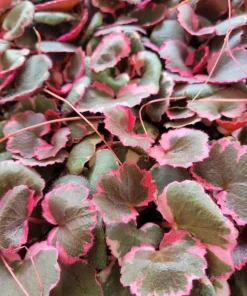
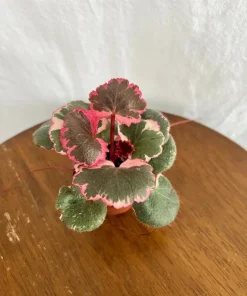
Variegated Strawberry Begonia Live Plant – Saxifraga stolonifera Rare Houseplant
Original price was: $58.99.$47.99Current price is: $47.99.
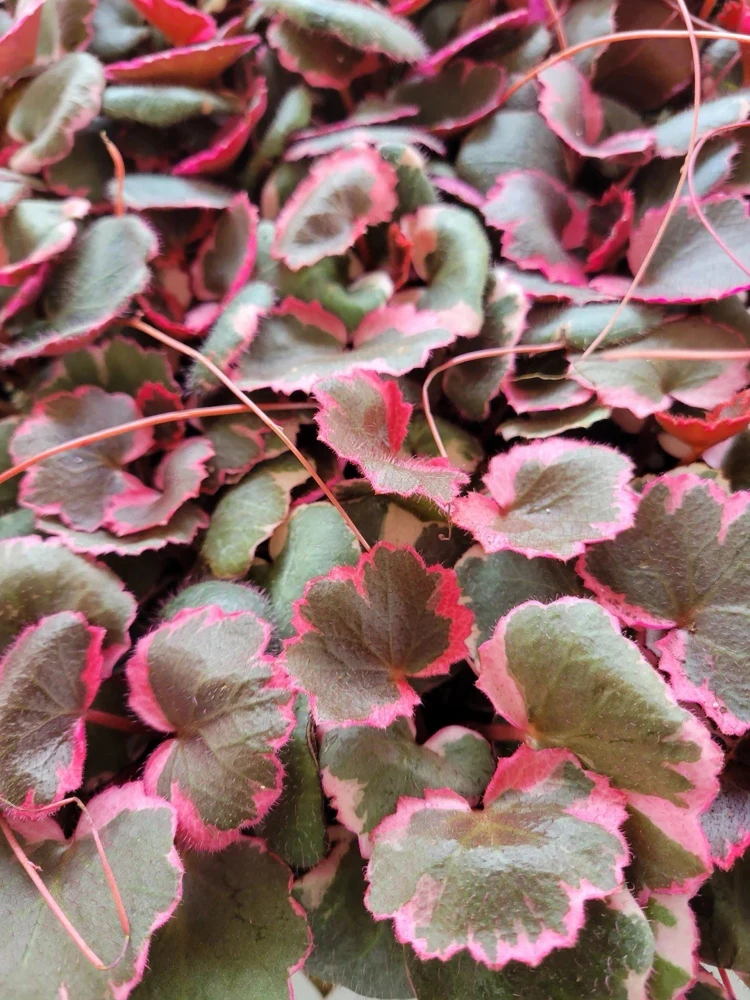
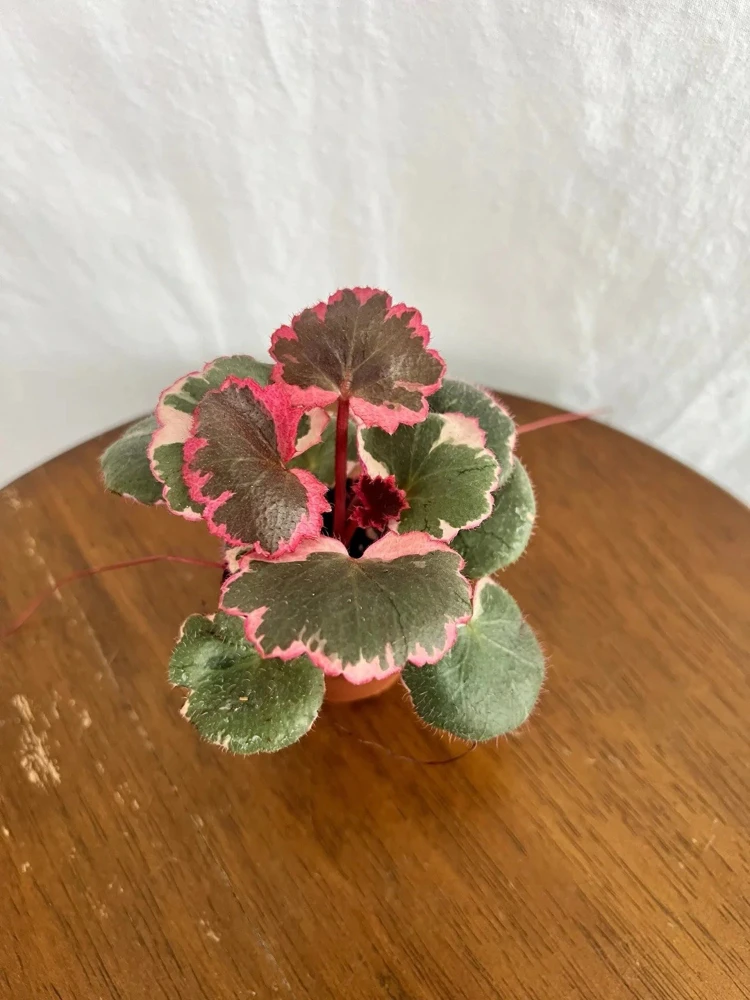
Bring home a beautiful variegated strawberry begonia live plant, also known as Saxifraga stolonifera. This charming houseplant features unique variegated foliage and a trailing habit, making it an ideal choice for hanging baskets or shelves. Enjoy its easy-care nature and vibrant appearance.
Estimated arrival
Oct 27
Nov 01 - Nov 03
Nov 06 - Nov 10
Shop With Confidence
30-Day Plant Health Guarantee
Arrives damaged? We’ll replace it free — see our return policy.
Responsive Support
Email us anytime, we reply within 1 business day.
Expert Packaging
Temperature-controlled shipping to protect your plants in transit.
Secure Checkout
Pay safely with Visa, Mastercard, PayPal.
Plant Specifications
-
USDA Hardiness Zone
USDA zones 9-11 (typically grown indoors) -
Soil Type
Well-draining potting mix -
Sunlight Exposure
Bright indirect light -
Expected Planting Period
Year-round indoors
Overview
Welcome a delightful addition to your indoor plant collection with the variegated strawberry begonia live plant. Known botanically as Saxifraga stolonifera, this enchanting houseplant is celebrated for its distinctive foliage and charming growth habit. The ‘Strawberry Begonia’ common name comes from its stolons (runners) that resemble strawberry plant runners, producing new plantlets. While not a true begonia, this plant offers a unique visual appeal with its variegated leaves, typically featuring shades of green, cream, and sometimes pink or red undersides. It’s an excellent choice for those seeking a touch of natural beauty and elegance in their living spaces, offering a relatively low-maintenance option for both novice and experienced plant enthusiasts. This rare houseplant variegated variety brings a splash of color and texture, making it a focal point in any room.
Key Benefits
The variegated strawberry begonia live plant offers numerous advantages, making it a popular choice among indoor gardeners. Its aesthetic appeal combined with its ease of care contributes to a rewarding plant ownership experience. Here are some of the key benefits:
- Stunning Variegated Foliage: The leaves boast an intricate pattern of green, cream, and often pink or red, providing year-round visual interest and adding a pop of color to your home decor.
- Unique Trailing Growth: This plant produces delicate stolons with new plantlets, creating a beautiful cascading effect perfect for hanging baskets, shelves, or as a groundcover in terrariums. This characteristic contributes to its charm and makes it a dynamic display plant.
- Easy Care for Beginners: The Saxifraga stolonifera care requirements are straightforward, making it an excellent plant for those new to houseplants or looking for a low-maintenance option that still delivers high visual impact.
- Air Purification Qualities: Like many houseplants, the variegated strawberry begonia live plant contributes to a healthier indoor environment by helping to filter airborne toxins and improve air quality.
- Versatile Placement: Its compact size and trailing habit allow for versatile placement in various settings, from bright windowsills to shaded corners, as long as its light needs are met.
- Propagates Easily: The plantlets produced on the stolons can be easily rooted, allowing you to propagate new plants and share the beauty with friends and family. This makes expanding your collection simple and enjoyable.
Plant Care & Growing Tips
Caring for your variegated strawberry begonia live plant is a rewarding experience, and with the right approach, it will thrive and bring beauty to your home for years. Understanding the specific needs of Saxifraga stolonifera care is crucial for its health and vibrant appearance. This plant prefers bright, indirect light. Avoid direct harsh sunlight, which can scorch its delicate leaves and fade the variegation. An east or north-facing window is often ideal, or a spot a few feet away from a south or west-facing window. Insufficient light can lead to leggy growth and less pronounced variegation, so finding the right balance is key for a healthy strawberry begonia indoor plant.
When it comes to watering, consistency is important, but overwatering should be avoided. Allow the top inch or two of soil to dry out between waterings. Stick your finger into the soil to check moisture levels before watering again. During warmer months, it may need more frequent watering, while in winter, reduce the frequency. Ensure your pot has good drainage to prevent root rot. A well-draining potting mix is essential for this plant. A mix formulated for houseplants or African violets, often containing peat moss, perlite, and vermiculite, works well. The ideal temperature range for this plant is between 60-75°F (15-24°C). It can tolerate slightly cooler temperatures but should be protected from frost. Humidity is appreciated, so consider placing it near a humidifier or on a pebble tray, especially in dry environments. Fertilize lightly during the growing season (spring and summer) with a balanced liquid fertilizer diluted to half strength, typically once a month. Reduce or stop fertilizing during fall and winter. Regular pruning is not usually necessary but you can trim back any leggy growth or remove older leaves to maintain its shape and encourage bushier growth. Watch out for common pests like spider mites or mealybugs, and treat promptly with insecticidal soap if spotted. Providing these optimal conditions will ensure your begonia plant care tips lead to a flourishing and beautiful specimen.
Size & Details
This variegated strawberry begonia live plant is typically shipped as a well-rooted, healthy plant, ready to thrive in its new home. It will arrive carefully packaged to ensure its safety during transit. While specific dimensions can vary based on the individual plant and growth stage, these plants are generally compact when young, with leaves typically reaching 1-3 inches in diameter. The plant produces runners that can extend several inches, eventually forming new plantlets. These plantlets can be left to trail or can be easily propagated to grow new plants. When mature, a strawberry begonia indoor plant can create a beautiful cascading display, with its foliage spreading to about 6-12 inches wide, depending on pot size and growing conditions. It is a relatively fast grower under optimal conditions, quickly filling out its container and producing abundant plantlets. The plant is suitable for various pot sizes, from small decorative pots to larger hanging baskets, allowing for flexibility in display. You will receive a vibrant specimen ready to add charm to your collection.
Frequently Asked Questions
- Q: How big does this plant get? A: The variegated strawberry begonia live plant typically spreads about 6-12 inches wide, with its trailing runners extending further. The individual leaves are generally 1-3 inches in diameter, creating a lush, full appearance.
- Q: Is this an indoor or outdoor plant? A: While it can tolerate some outdoor shade in warm, humid climates, the variegated strawberry begonia live plant is primarily grown as an indoor houseplant, especially in regions with colder winters. It thrives in typical indoor temperatures and humidity.
- Q: How much sunlight does it need? A: This plant prefers bright, indirect light. Avoid direct sunlight, which can burn its leaves. An east or north-facing window is ideal, or a spot with filtered light. Optimal light helps maintain the vibrant variegation.
- Q: Is this plant easy to care for? A: Yes, Saxifraga stolonifera care is considered relatively easy, making it a great choice for beginners. It’s forgiving of minor care mistakes and responds well to consistent, basic care routines.
- Q: What condition will it arrive in? A: Your variegated strawberry begonia live plant will arrive as a healthy, well-rooted specimen, carefully packaged to minimize stress during shipping. It will be ready to be placed in your preferred pot upon arrival.
- Q: Can I propagate this plant? A: Absolutely! The plant produces small plantlets on its runners, which can be easily detached and rooted in soil or water to create new plants. This is a simple and enjoyable way to expand your collection or share with others.
- Q: Is the ‘Strawberry Begonia’ a true begonia? A: Despite its common name, the ‘Strawberry Begonia’ is not a true begonia. It belongs to the Saxifragaceae family, while true begonias belong to the Begoniaceae family. Its common name comes from its strawberry-like runners.
- Q: What are some good begonia plant care tips for beginners? A: For beginners, focus on consistent, bright indirect light, allowing the top inch of soil to dry between waterings, and using a well-draining potting mix. Avoid overwatering and protect it from cold drafts for best results.
- Q: What kind of pot is best for a strawberry begonia indoor plant? A: This plant thrives in pots with good drainage. Hanging baskets are particularly popular due to its trailing habit, but it also looks great in standard pots on shelves or tabletops.
- Q: How often should I fertilize my rare houseplant variegated variety? A: Fertilize during the spring and summer growing seasons, typically once a month, using a balanced liquid fertilizer diluted to half strength. Reduce or stop fertilization during fall and winter.
Be the first to review “Variegated Strawberry Begonia Live Plant – Saxifraga stolonifera Rare Houseplant”
People Also Viewed
Flower Plants
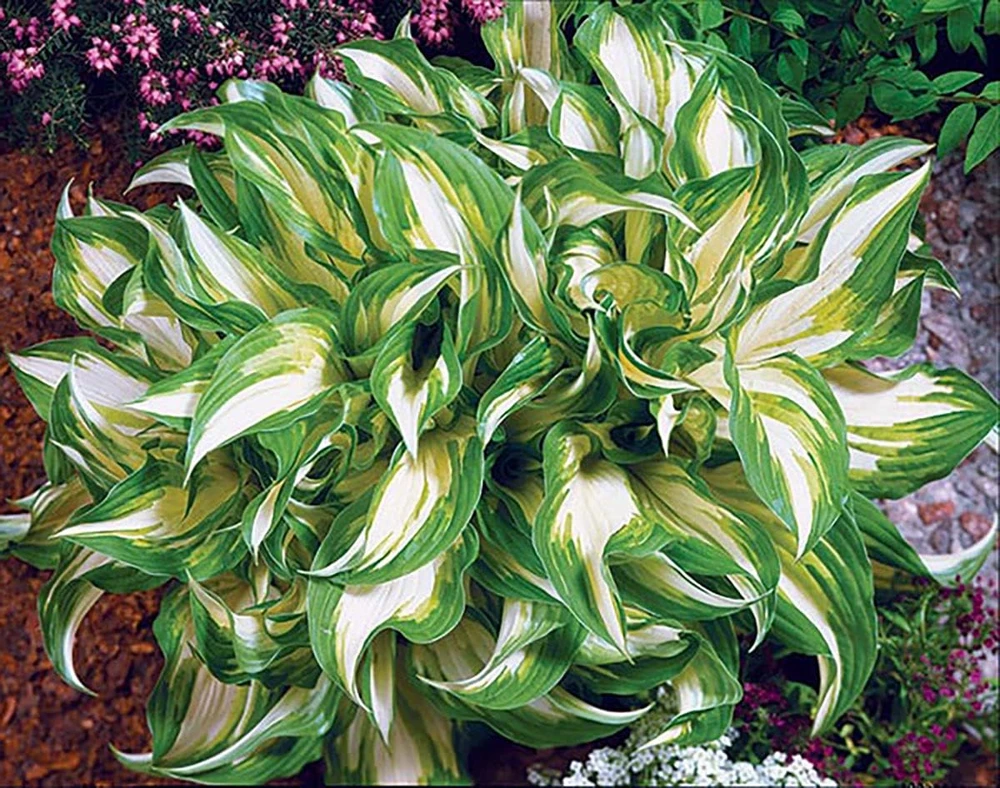
Mediovariegata Hosta Undulata Live Plant – Wavy Leaves – 4 inch Pot – Outdoor Shade Plant

Vegetable Seeds
1250 White Icicle Radish Seeds – Fast Growing Vegetable Seeds
Reviews
There are no reviews yet.