
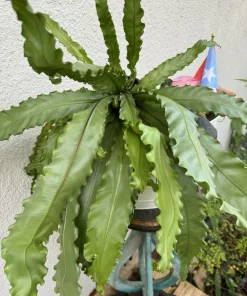
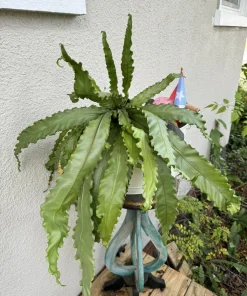
Bird’s Nest Fern Live Plant – Asplenium Nidus Tropical Houseplant
Original price was: $72.99.$59.99Current price is: $59.99.
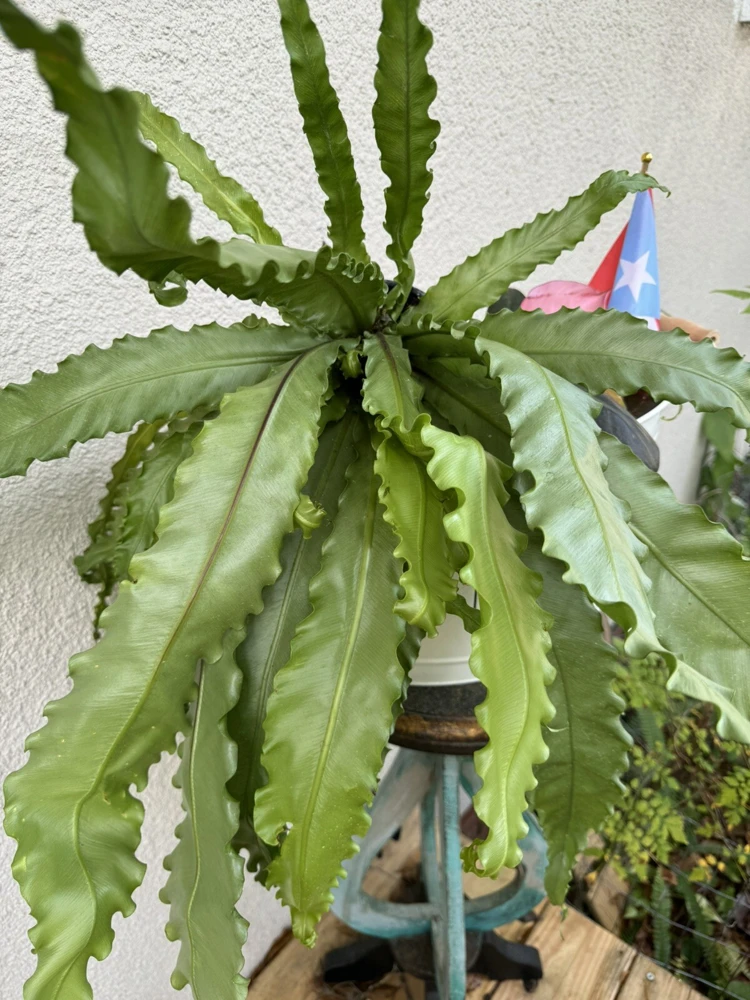
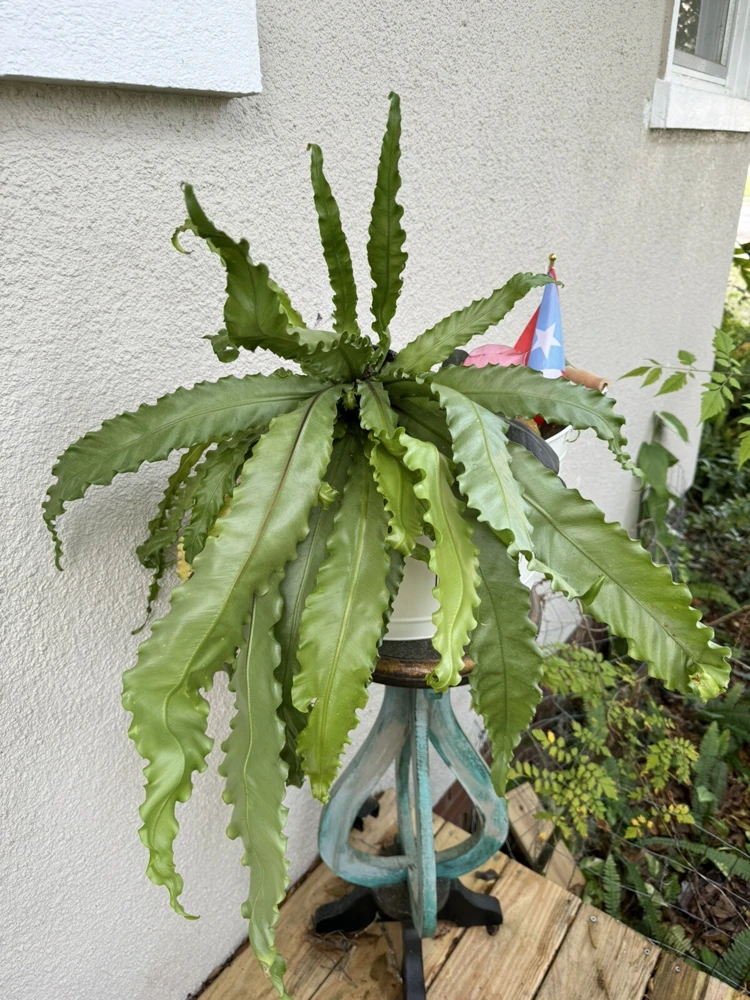
Bring tropical elegance into your home with a bird’s nest fern live plant. This stunning Asplenium Nidus tropical indoor fern features lush, ripple-edged fronds, perfect for adding a touch of nature to any room. Known for being an easy care houseplant, it thrives in indirect light and adds vibrant greenery to your decor.
Estimated arrival
Oct 27
Nov 01 - Nov 03
Nov 06 - Nov 10
Shop With Confidence
30-Day Plant Health Guarantee
Arrives damaged? We’ll replace it free — see our return policy.
Responsive Support
Email us anytime, we reply within 1 business day.
Expert Packaging
Temperature-controlled shipping to protect your plants in transit.
Secure Checkout
Pay safely with Visa, Mastercard, PayPal.
Plant Specifications
-
USDA Hardiness Zone
USDA zones 10-11 (outdoors); suitable for all zones indoors -
Soil Type
Well-draining, peat-based potting mix -
Sunlight Exposure
Bright, indirect light -
Expected Planting Period
Year-round indoors
Overview
Transform your living space with the exquisite beauty of a bird’s nest fern live plant. Also known by its botanical name, Asplenium nidus, this stunning tropical fern is a favorite among plant enthusiasts for its unique appearance and relatively easy care. Originating from the rainforests of Southeast Asia, Eastern Australia, and Hawaii, the bird’s nest fern live plant gets its common name from the way its fronds emerge from a central rosette, resembling a bird’s nest. It brings a lush, vibrant green to any indoor setting, making it an ideal choice for adding natural elegance and a touch of the tropics to your home or office. This particular variety is cherished for its broad, undivided fronds that can grow quite large, creating a dramatic and serene botanical display.
The Asplenium nidus care requirements are straightforward, making it an excellent option for both seasoned plant parents and those new to gardening. Unlike many ferns, the bird’s nest fern has solid, glossy fronds that are less prone to shedding, contributing to its clean and sophisticated appeal. It thrives in conditions that mimic its natural humid habitat, making bathrooms and kitchens ideal locations, though it can adapt well to other rooms with proper humidity. Its striking architectural form and rich green color make it a focal point in any room, enhancing decor and promoting a sense of calm and well-being.
Key Benefits
The bird’s nest fern live plant offers numerous advantages, making it a highly desirable addition to any indoor plant collection. Its unique beauty and ease of maintenance are just the beginning of its appeal.
- Aesthetic Appeal: The distinctive, bright green, ripple-edged fronds of the bird’s nest fern live plant create a captivating visual interest, adding a sophisticated and tropical touch to any interior design scheme. Its architectural form makes it a natural centerpiece.
- Air Purification: Like many houseplants, the Asplenium nidus helps to improve indoor air quality by filtering out common airborne toxins, contributing to a healthier living environment.
- Low Maintenance: This is an easy care houseplant, suitable for beginners. It doesn’t require extensive pruning or complex care routines, making it perfect for busy individuals.
- Adaptable to Indoor Conditions: While it appreciates humidity, the tropical indoor fern can adapt well to typical household environments, provided its basic light and water needs are met.
- Pet-Friendly: The fern plant for home is generally considered non-toxic to pets, offering peace of mind for households with cats and dogs.
- Unique Foliage: Unlike traditional ferns with delicate, lacy fronds, the Bird’s Nest Fern boasts broad, undivided leaves that emerge from a central rosette, providing a distinct and modern look.
- Stress Reduction: Bringing nature indoors, especially with lush plants like this tropical fern, has been shown to reduce stress, improve mood, and enhance overall well-being.
Plant Care & Growing Tips
Proper Asplenium nidus care ensures your bird’s nest fern live plant thrives and remains a vibrant addition to your home. Understanding its needs, particularly regarding light, water, and humidity, is crucial for its long-term health. This easy care houseplant is forgiving but benefits greatly from consistent attention to its environment.
Sunlight Requirements: The tropical indoor fern prefers bright, indirect light. Avoid direct sunlight, which can scorch its delicate fronds and turn them yellow or brown. An east-facing window is often ideal, providing gentle morning sun. If placed near a south or west-facing window, ensure it’s set back or protected by sheer curtains. Low light conditions can cause slow growth and dull frond color. Rotate your fern plant for home occasionally to ensure even growth.
Watering Schedule and Soil Moisture: Keep the soil consistently moist but never waterlogged. Allow the top inch or two of soil to dry out before watering again. Overwatering can lead to root rot, while underwatering can cause fronds to wilt and crisp. Water thoroughly until water drains from the bottom of the pot, then discard any excess water in the saucer. During winter, reduce watering frequency as growth slows. It’s best to water around the outer edge of the plant, avoiding the central rosette, as water trapped there can lead to rot.
Soil Type and Drainage: A well-draining, peat-based potting mix is ideal for the bird’s nest fern live plant. A mix designed for ferns or a general houseplant mix amended with perlite or orchid bark will provide the necessary drainage and aeration. Good drainage is paramount to prevent root issues. Ensure the pot has drainage holes.
Temperature and Humidity: These ferns thrive in warm, humid conditions, mimicking their native tropical environment. Maintain temperatures between 65-80°F (18-27°C) and avoid sudden temperature fluctuations. Protect from cold drafts. High humidity is essential; consider placing the plant on a pebble tray with water, using a room humidifier, or grouping it with other plants. Misting the fronds occasionally can also help, especially in dry indoor environments, though this should be done carefully to avoid water sitting in the crown.
Fertilization: Fertilize sparingly during the growing season (spring and summer) with a balanced liquid fertilizer diluted to half strength. Avoid fertilizing in fall and winter when the plant is dormant. Over-fertilization can harm the plant.
Common Problems: Brown frond tips often indicate low humidity or inconsistent watering. Yellowing fronds can suggest overwatering or nutrient deficiency. Pests like scale insects or mealybugs can occasionally affect the plant; inspect regularly and treat with insecticidal soap if necessary. Ensure good air circulation to prevent fungal issues.
Size & Details
The bird’s nest fern live plant is renowned for its striking foliage and can grow to a significant size, making a bold statement in any indoor garden. When mature, its fronds can typically reach lengths of 2 to 5 feet (60-150 cm) indoors, with a spread of similar dimensions, though growth rate depends on environmental conditions and care. This vibrant tropical indoor fern is generally shipped as a young, healthy plant, ready to establish itself in its new home. It arrives in a nursery pot, ensuring its roots are protected during transit and allowing for a smooth transition upon arrival.
The plant exhibits a moderate growth rate under optimal conditions, gradually unfurling new, bright green fronds from its central ‘nest’. While specific dimensions will vary per individual plant, you can expect a compact and attractive specimen initially, which will expand over time with proper Asplenium nidus care. Its robust nature makes it a resilient choice, and with sufficient humidity and indirect light, your fern plant for home will develop into a lush, impressive display. No specific blooming period applies, as this plant is prized for its foliage rather than flowers, providing year-round greenery.
Frequently Asked Questions
- Q: How big does this bird’s nest fern live plant get? A: Indoors, a mature Bird’s Nest Fern can typically reach frond lengths of 2 to 5 feet (60-150 cm) and a similar spread, depending on growing conditions and care. It starts smaller and grows steadily over time.
- Q: What size pot does it come in? A: The plant typically arrives in a standard nursery pot, providing a safe and stable environment for shipping and initial growth. You can repot it into a slightly larger decorative pot upon arrival.
- Q: Is this an indoor or outdoor plant? A: The bird’s nest fern live plant is primarily grown as an indoor houseplant in most climates due to its tropical origins. It can be placed outdoors in very warm, humid, and shaded environments in USDA zones 10-11, but generally thrives best indoors.
- Q: How much sunlight does it need? A: This tropical indoor fern prefers bright, indirect light. Direct sunlight can scorch its fronds. An east-facing window or a spot several feet away from a south or west-facing window is ideal for optimal Asplenium nidus care.
- Q: Is this easy care houseplant good for beginners? A: Yes, the Bird’s Nest Fern is considered relatively easy to care for, making it an excellent choice for beginners. Its needs are straightforward, mostly revolving around consistent moisture and high humidity.
- Q: What condition will the fern plant for home arrive in? A: Your plant will be carefully packaged and shipped to ensure it arrives healthy and in excellent condition, ready to be placed in your home. Some minor leaf adjustments might be needed after transit.
- Q: How often should I water my Bird’s Nest Fern? A: Water when the top 1-2 inches of soil feel dry to the touch. It prefers consistently moist, but not waterlogged, soil. Reduce watering in winter. Avoid pouring water directly into the central rosette.
- Q: What kind of soil is best for this plant? A: A well-draining, peat-based potting mix is best. You can use a mix specifically formulated for ferns or a general houseplant mix amended with perlite or orchid bark to ensure good drainage.
- Q: Is the Bird’s Nest Fern pet-safe? A: Yes, the bird’s nest fern live plant is generally considered non-toxic to cats and dogs, making it a safe choice for households with pets.
- Q: Does this tropical indoor fern need high humidity? A: Yes, it thrives in high humidity. You can increase humidity by misting, using a pebble tray, or placing it near a humidifier, which is a key aspect of good Asplenium nidus care.
Be the first to review “Bird’s Nest Fern Live Plant – Asplenium Nidus Tropical Houseplant”
People Also Viewed
Reviews
There are no reviews yet.