
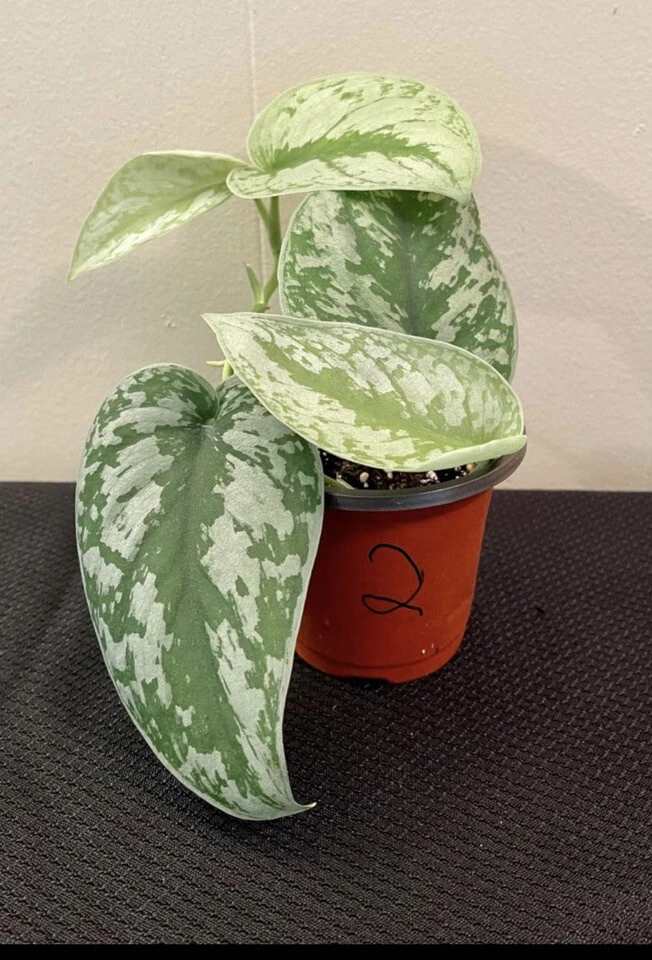
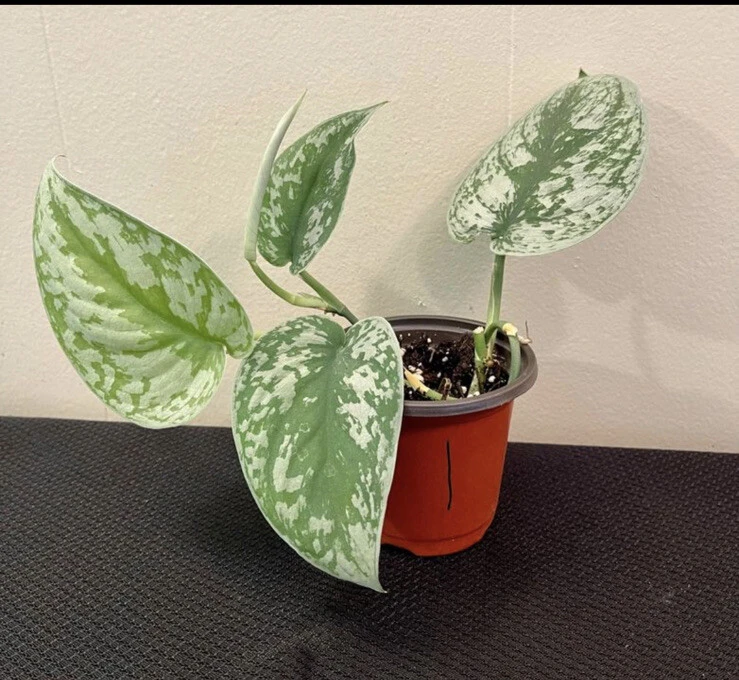
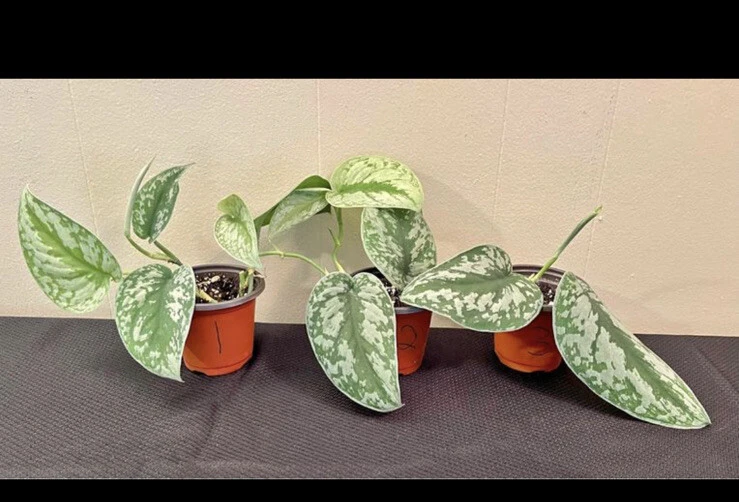
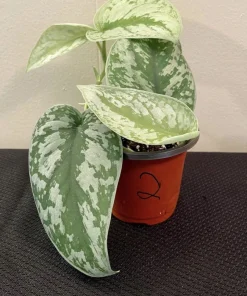
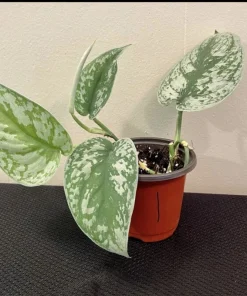
Scindapsus Jade Satin Variegated Live Plant – Rare Indoor Pothos
Original price was: $24.99.$19.99Current price is: $19.99.
Bring home the exquisite scindapsus jade satin live plant, a highly sought-after variegated Pothos variety. Known for its unique silvery-green foliage, this easy-care houseplant adds a touch of rare beauty to any indoor collection.
- Stunning variegated leaves
- Ideal for indoor environments
- Low maintenance and resilient
Estimated arrival
Oct 27
Nov 01 - Nov 03
Nov 06 - Nov 10
Shop With Confidence
30-Day Plant Health Guarantee
Arrives damaged? We’ll replace it free — see our return policy.
Responsive Support
Email us anytime, we reply within 1 business day.
Expert Packaging
Temperature-controlled shipping to protect your plants in transit.
Secure Checkout
Pay safely with Visa, Mastercard, PayPal.
Plant Specifications
-
USDA Hardiness Zone
USDA zones 10-11 (outdoors); year-round indoors -
Soil Type
Well-draining potting mix -
Sunlight Exposure
Bright indirect light -
Expected Planting Period
Year-round indoors
Overview
Introduce a touch of elegance and rarity to your indoor plant collection with the magnificent scindapsus jade satin live plant. This captivating plant, often referred to as a ‘Satin Pothos’ due to its similar care and growth habits to true Pothos (Epipremnum), is botanically a member of the Scindapsus genus. Its defining feature is the stunning variegation: deep green leaves adorned with shimmering, silvery-jade patches that create a velvety, satin-like finish. Each leaf is a unique work of art, making the scindapsus jade satin live plant a conversation starter and a true gem for plant enthusiasts. Perfect for hanging baskets, shelves, or as a trailing accent, this plant thrives indoors, bringing lush, exotic beauty to your home or office space.
The Scindapsus pictus ‘Jade Satin’ is prized for its hardy nature and relatively straightforward care, making it an excellent choice for both beginner and experienced plant parents. Its vining habit allows it to be trained up a moss pole or cascade gracefully, adding dynamic visual interest. This particular cultivar stands out even among other Scindapsus varieties for its rich, uniform jade green base color complemented by the distinctive silver sheen, offering a sophisticated aesthetic that brightens any room.
Key Benefits
The scindapsus jade satin live plant offers numerous advantages beyond its undeniable beauty, enhancing your living space and well-being. Its unique characteristics make it a standout choice for home decor and plant care.
- Exquisite Foliage: The primary benefit is its highly attractive, velvety, variegated leaves. The deep jade green contrasted with silver patches creates a luxurious, satin-like appearance that is visually stunning and unique among houseplants. This makes the scindapsus jade satin live plant a focal point in any room.
- Air Purification: Like many houseplants, Scindapsus varieties contribute to healthier indoor air quality by filtering out common airborne toxins, helping to create a fresher and more pleasant environment.
- Versatile Decor: Its vining and trailing growth habit makes it incredibly versatile. It looks spectacular in hanging baskets, cascading from shelves, or climbing up support structures, fitting seamlessly into various interior design styles.
- Relatively Easy Care: Despite its exotic appearance, the ‘Jade Satin’ is known for being quite forgiving. It tolerates a range of indoor conditions and is not overly demanding, making variegated scindapsus care accessible for many.
- Enhances Mood: Surrounding yourself with beautiful, living plants, especially those with unique textures and patterns like the scindapsus jade satin live plant, has been shown to reduce stress and improve overall mood and focus.
- Propagation Potential: This plant is relatively easy to propagate from stem cuttings, allowing you to create new plants to share with friends or expand your own collection. Learning about scindapsus jade satin propagation is a rewarding aspect of plant ownership.
- Low Light Tolerance: While it thrives in bright indirect light, it can also tolerate lower light conditions, making it adaptable to different spots in your home where other plants might struggle.
Plant Care & Growing Tips
Caring for your scindapsus jade satin live plant is a rewarding experience, as it is generally a resilient and adaptable houseplant. To ensure your plant thrives and maintains its vibrant variegation, follow these essential care guidelines. Providing the right conditions will lead to lush, healthy growth and the stunning display of its unique foliage.
Sunlight Requirements: This plant prefers bright, indirect light. Direct sunlight can scorch its delicate leaves, causing brown spots and fading of the variegation. Conversely, too little light can lead to less pronounced variegation and leggy growth. An east-facing window or a few feet away from a south or west-facing window is usually ideal. For optimal variegated scindapsus care, rotate your plant occasionally to ensure even light exposure on all sides.
Watering Schedule and Soil Moisture: Water thoroughly when the top 1-2 inches of soil feel dry to the touch. Allow excess water to drain completely from the pot’s bottom. Scindapsus plants do not like to sit in soggy soil, which can lead to root rot. If the leaves start to curl or feel soft, it’s often a sign of underwatering. Overwatering is a more common issue than underwatering, so it’s always best to check the soil moisture before watering again. Ensure good drainage to prevent waterlogging.
Soil Type and Drainage: A well-draining potting mix is crucial for the health of your Scindapsus. A standard houseplant potting mix amended with perlite or orchid bark will provide the necessary aeration and drainage. This ensures that roots have access to oxygen and are not constantly wet. Repotting should be done every 1-2 years or when the plant becomes root-bound, typically in spring.
Temperature Range and Humidity: The ‘Jade Satin’ thrives in average room temperatures, ideally between 65-80°F (18-27°C). Avoid sudden temperature fluctuations or cold drafts. As a tropical plant, it appreciates higher humidity. You can increase humidity by misting the leaves regularly, placing the pot on a pebble tray with water, or using a humidifier. This is particularly important for optimal variegated scindapsus care, as it helps prevent crispy leaf edges.
Fertilization Schedule and Type: Feed your plant with a balanced liquid fertilizer diluted to half strength every 2-4 weeks during the active growing season (spring and summer). Reduce feeding in fall and winter when the plant’s growth slows down. Over-fertilization can lead to nutrient burn, so always follow product instructions. This helps to support healthy growth and maintain the vibrancy of the foliage of your scindapsus jade satin live plant.
Common Problems and Solutions: Yellowing leaves can indicate overwatering or nutrient deficiency. Drooping leaves often signal underwatering. Brown, crispy leaf edges usually point to low humidity or direct sun exposure. Pests like spider mites or mealybugs can be managed with insecticidal soap or neem oil. Regular inspection of your plant will help catch any issues early.
Size & Details
The scindapsus jade satin live plant typically exhibits a vining growth habit, with individual vines capable of reaching several feet in length over time when provided with suitable growing conditions and support. When grown in a pot, the plant can spread to create a lush, full appearance, with a typical spread of 1-2 feet. The leaves themselves are moderately sized, usually ranging from 3 to 6 inches long, showcasing the distinctive jade and silver variegation. This plant ships as a young, healthy live plant, carefully packaged to ensure its safe arrival, ready to be acclimated to its new indoor home. It is generally sent in a nursery pot, the size of which may vary (typically 2-4 inches), providing a stable environment for initial growth.
The growth rate of the scindapsus jade satin live plant is moderate; it will produce new leaves and extend its vines steadily throughout the growing season. While it doesn’t flower significantly indoors, its primary appeal lies in its stunning foliage. Expect your plant to establish itself and begin putting out new growth within a few weeks of arrival, given proper care. This indoor satin pothos is a long-lived plant, offering years of beauty with appropriate attention.
Frequently Asked Questions
- Q: How big does this plant get? A: The scindapsus jade satin live plant is a vining plant, and its individual vines can grow several feet long (up to 6-10 feet) if allowed to trail or climb. Its spread in a pot can be around 1-2 feet, creating a lush, full appearance.
- Q: What size pot does it come in? A: This plant typically ships in a standard nursery pot, generally ranging from 2 to 4 inches in diameter, depending on the current growth stage and availability. It is ready to be transplanted into a slightly larger decorative pot upon arrival.
- Q: Is this an indoor or outdoor plant? A: The scindapsus jade satin live plant is primarily an indoor houseplant in most climates. It can be moved outdoors in shaded areas during warm summer months in USDA zones 10-11, but it is not frost-tolerant and must be brought inside before temperatures drop.
- Q: How much sunlight does it need? A: It thrives in bright, indirect light. Direct sunlight can harm its leaves, while very low light can reduce the vibrancy of its variegation. A spot near an east-facing window or a few feet from a south/west window is ideal for this rare scindapsus pothos.
- Q: Is this plant easy to care for? A: Yes, the scindapsus jade satin live plant is considered relatively easy to care for, making it suitable for both beginners and experienced plant enthusiasts. Its needs for light, water, and humidity are quite manageable, especially with attention to variegated scindapsus care guidelines.
- Q: Is it good for beginners? A: Absolutely! Its forgiving nature and tolerance for minor care inconsistencies make it an excellent choice for those new to houseplants, offering a beautiful reward for minimal effort.
- Q: What condition will it arrive in? A: Your plant will arrive as a healthy, live specimen, carefully packaged to minimize stress during transit. It will be ready to be unboxed and placed in its new home.
- Q: Is it shipped in soil? A: Yes, the plant is shipped rooted in its nursery pot with soil, ensuring it remains hydrated and stable during its journey to you.
- Q: Can I propagate this plant? A: Yes, scindapsus jade satin propagation is quite straightforward. You can easily propagate it from stem cuttings in water or directly in moist soil, making it simple to expand your collection or share with others.
- Q: What’s the minimum temperature it can tolerate? A: This tropical plant prefers temperatures above 65°F (18°C). It should not be exposed to temperatures below 50°F (10°C) for extended periods, as cold can severely damage or kill the plant.
- Q: Is this plant pet-safe? A: No, like many plants in the Araceae family, Scindapsus pictus ‘Jade Satin’ contains calcium oxalate crystals, which can be irritating if ingested by pets. It’s best to keep this indoor satin pothos out of reach of curious cats and dogs.
Be the first to review “Scindapsus Jade Satin Variegated Live Plant – Rare Indoor Pothos”
People Also Viewed
Houseplants
White Veined Birkin Philodendron Live Plant – 6 inch Hanging Basket – Indoor Tropical Foliage
Reviews
There are no reviews yet.