

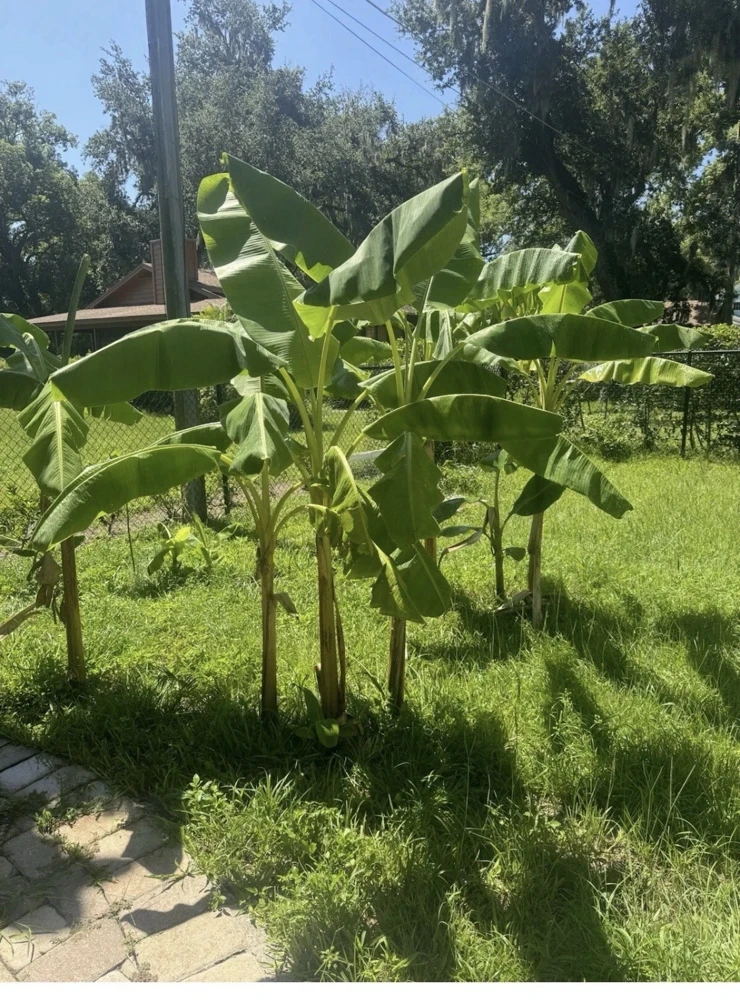
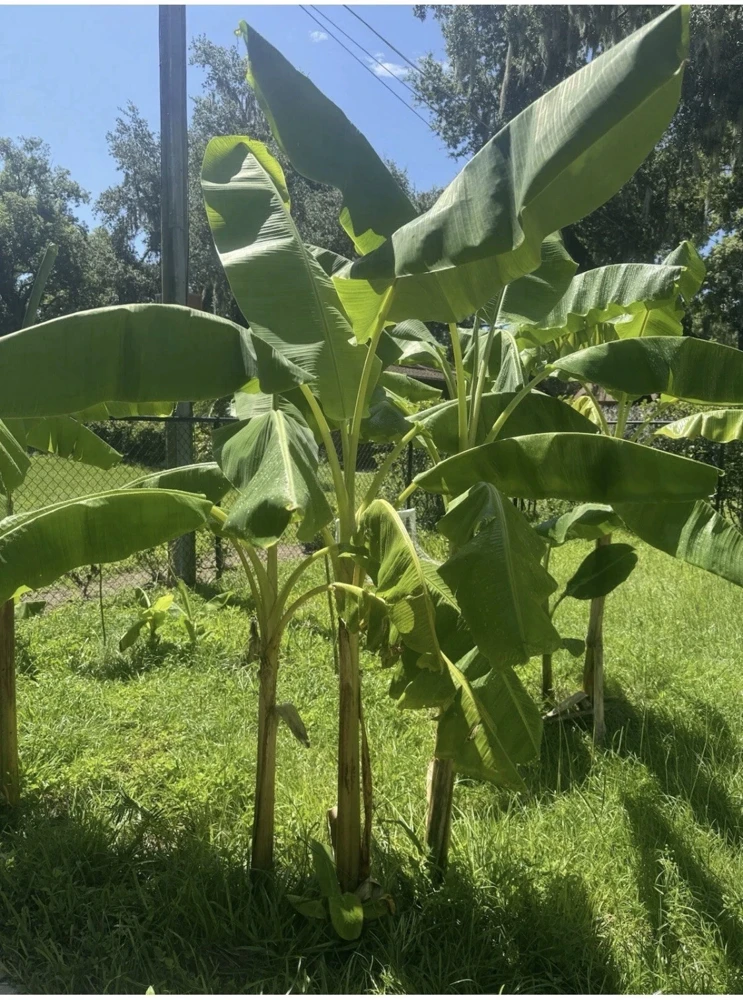
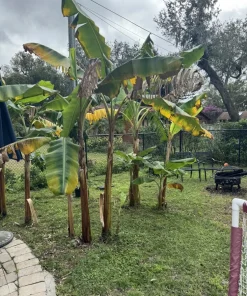
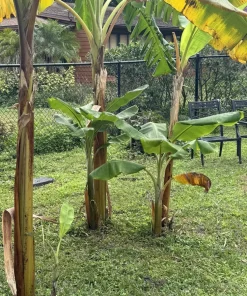
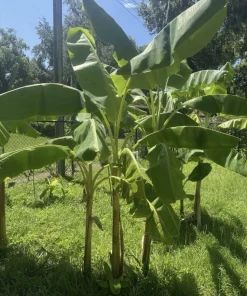
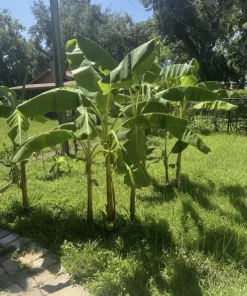
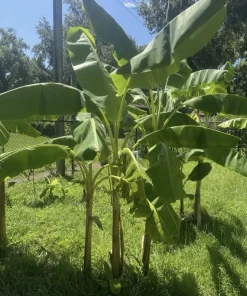
Organic Caribbean Plantain Tree Live Plant – Puerto Rican Cooking Banana
Original price was: $60.99.$49.99Current price is: $49.99.
Cultivate your own delicious fruit with this organic Caribbean plantain tree live plant. Known for its savory cooking bananas, this plant is a staple in Puerto Rican and Latin American cuisine. Arrives ready to thrive in your tropical garden or as a patio specimen.
Estimated arrival
Oct 27
Nov 01 - Nov 03
Nov 06 - Nov 10
Shop With Confidence
30-Day Plant Health Guarantee
Arrives damaged? We’ll replace it free — see our return policy.
Responsive Support
Email us anytime, we reply within 1 business day.
Expert Packaging
Temperature-controlled shipping to protect your plants in transit.
Secure Checkout
Pay safely with Visa, Mastercard, PayPal.
Plant Specifications
-
USDA Hardiness Zone
USDA zones 9-11 -
Soil Type
Rich, well-draining loamy soil -
Sunlight Exposure
Full sun -
Expected Planting Period
Spring to early summer
Overview
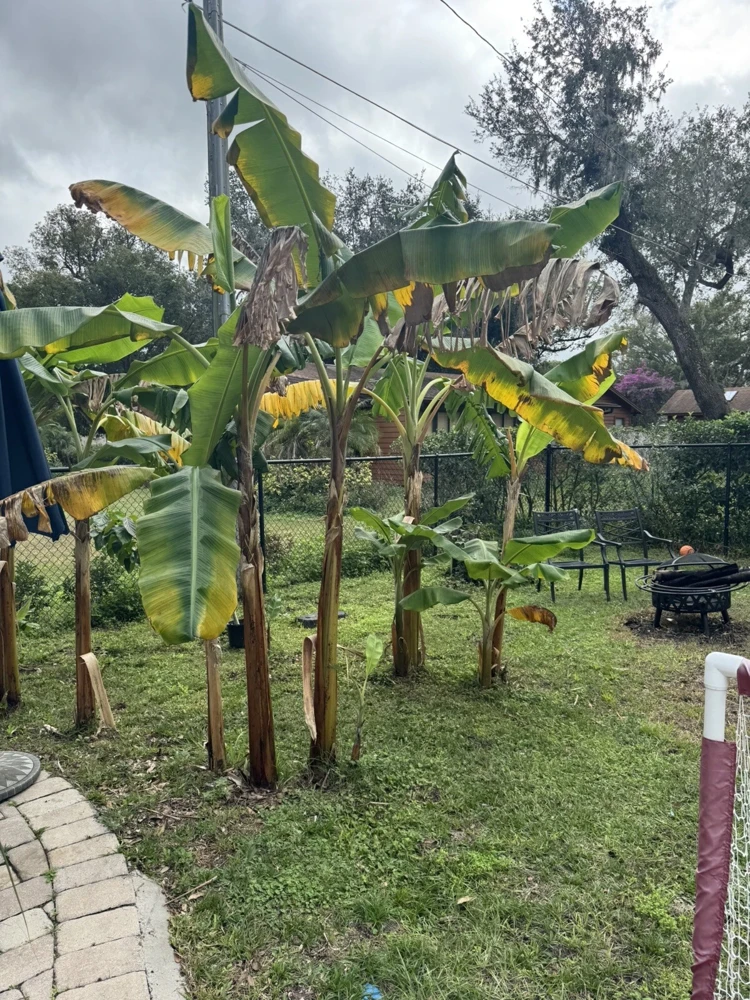
Bring the taste of the tropics to your home with this vibrant Caribbean plantain tree live plant. Also known as a cooking banana plant, this specimen is cherished for its versatility in the kitchen, particularly in Puerto Rican and other Latin American dishes. Unlike sweet dessert bananas, plantains are typically cooked before eating and are a fundamental ingredient in many savory meals. This particular variety is organically grown, ensuring you receive a healthy, robust plant ready to flourish. Imagine harvesting your own fresh, green plantains for tostones, mofongo, or maduros right from your backyard. This tropical tree offers not only delicious produce but also a lush, exotic aesthetic to any landscape or large container.
Growing your own organic plantain tree is a rewarding experience, providing a continuous supply of nutritious and flavorful fruit. This live plant is carefully nurtured to ensure it arrives in optimal condition, ready for planting and growth. Whether you’re an experienced gardener or a budding enthusiast, cultivating a cooking banana plant adds a unique and functional element to your garden.
Key Benefits
Discover the numerous advantages of adding a Caribbean plantain tree live plant to your garden:
- Fresh, Organic Produce: Enjoy the satisfaction of harvesting your own organic plantains, free from pesticides and chemicals. The taste and quality of homegrown fruit are unparalleled, providing a healthy addition to your diet.
- Culinary Versatility: Plantains are incredibly versatile in the kitchen, forming the base for countless savory and sweet dishes across various cuisines. From fried to baked, their unique texture and flavor enhance any meal.
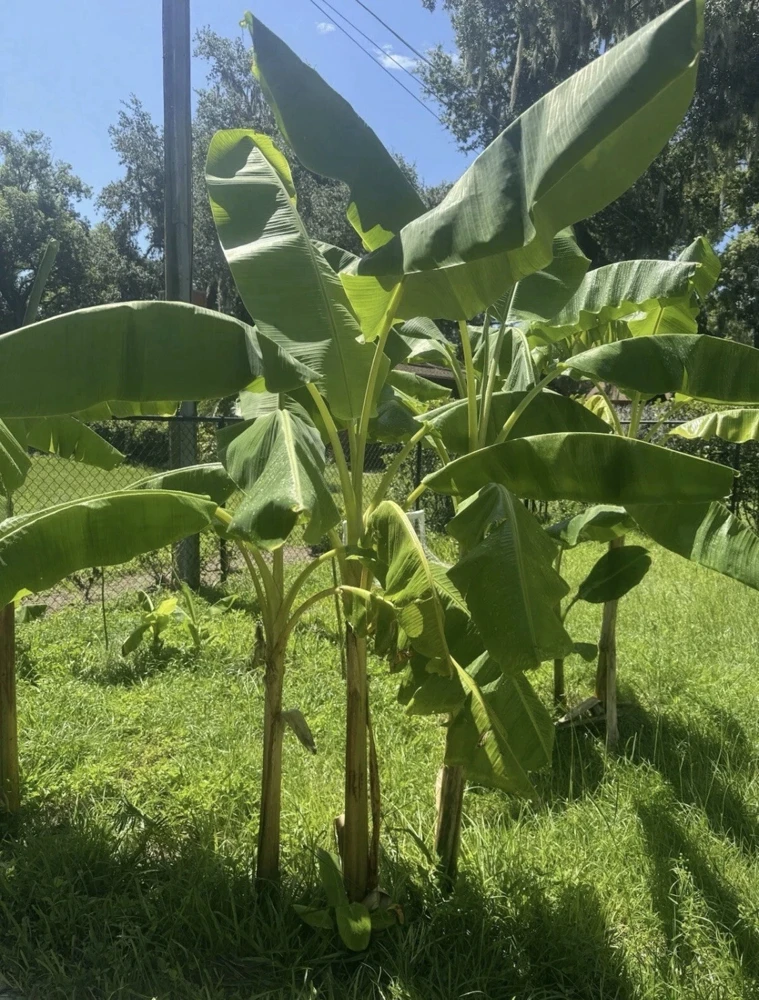
- Exotic Garden Aesthetic: With its large, paddle-like leaves and tropical stature, the organic plantain tree adds a stunning, lush, and exotic touch to your garden or patio. It creates a focal point that evokes a tropical paradise.
- Nutrient-Rich Fruit: Plantains are a good source of vitamins, minerals, and dietary fiber, contributing to a balanced and healthy diet. Growing your own ensures you have access to these nutritional benefits.
- Rewarding Growing Experience: Cultivating a tropical fruit tree like this cooking banana plant offers a unique and gratifying gardening challenge. Witnessing the plant grow and bear fruit is a truly rewarding experience.
- Support for Tropical Ecosystems: By choosing to grow a tropical plant, you contribute to the diversity of your local ecosystem, attracting beneficial insects and adding to the green canopy.
- Authentic Flavor: For those who appreciate authentic Latin cuisine, having a fresh Puerto Rican plantain source is invaluable. It ensures the true, traditional flavors of dishes are achieved.
Plant Care & Growing Tips
To ensure your Caribbean plantain tree live plant thrives and produces abundant fruit, follow these essential care guidelines. Plantains are tropical plants and require specific conditions to flourish. They prefer a location that receives at least 6-8 hours of direct sunlight per day. In very hot climates, some afternoon shade can be beneficial to prevent leaf scorch. Ensure the planting site is sheltered from strong winds, which can easily tear the large leaves.
Watering is crucial for plantain trees. They require consistently moist, but not waterlogged, soil. Water deeply and regularly, especially during dry spells and the fruiting period. The soil should be well-draining to prevent root rot. A rich, loamy soil with a slightly acidic to neutral pH (6.0-7.0) is ideal. Amend heavy clay soils with organic matter like compost to improve drainage and fertility. Fertilize your organic plantain tree every 1-2 months during the growing season with a balanced, slow-release fertilizer or a fertilizer high in potassium to promote fruiting. Reduce fertilization in cooler months.
Plantains are sensitive to cold and thrive in warm, humid conditions. They are generally suited for USDA Zones 9-11. In cooler zones, they can be grown in large containers and brought indoors during winter or treated as annuals. Protect young plants from frost. Watch out for common pests like spider mites and aphids, and treat with organic insecticidal soap if necessary. Proper care will lead to a healthy and productive cooking banana plant, allowing you to successfully grow plantain tree specimens.
Size & Details
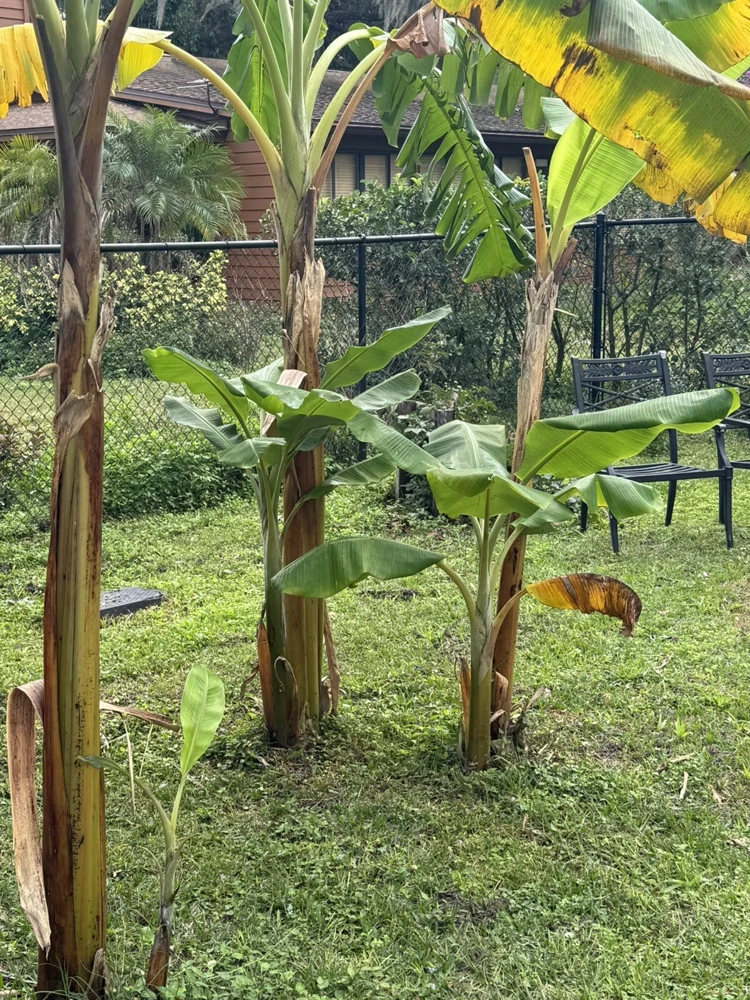
This Caribbean plantain tree live plant is shipped as a healthy, established specimen, typically in a nursery pot, ready for transplanting. While specific heights can vary, young plants generally range from 1 to 2 feet tall upon arrival, with robust root systems developed for successful growth. Plantains are fast-growing trees, and under ideal conditions, they can reach mature heights of 10 to 20 feet, though container-grown plants tend to be smaller. The growth rate is rapid, with fruit production typically beginning within 12-18 months after planting, depending on climate and care. Each plant produces a single stalk of fruit, after which the main stem dies back, and new ‘suckers’ or pups emerge from the base to continue the cycle. This ensures a continuous supply of delicious Puerto Rican plantain fruit for your culinary adventures.
Frequently Asked Questions
- Q: How big does this plant get? A: A Caribbean plantain tree live plant can grow 10-20 feet tall in ideal outdoor conditions. When grown in containers, their size will be more constrained, typically reaching 6-10 feet depending on pot size and pruning.
- Q: Is this an indoor or outdoor plant? A: Plantains are tropical plants best suited for outdoor growing in USDA Zones 9-11. In colder climates, they can be grown outdoors during warm months and brought indoors as a container plant for winter protection.
- Q: How much sunlight does it need? A: Your organic plantain tree requires full sun, meaning at least 6-8 hours of direct sunlight daily for optimal growth and fruit production. In very hot climates, some afternoon shade can prevent leaf burn.
- Q: Is this plant easy to care for? A: Plantains require consistent watering, rich soil, and protection from cold. While not extremely difficult, they do need regular attention, making them suitable for gardeners with some experience or those willing to learn tropical plant care to successfully grow plantain tree.
- Q: What condition will it arrive in? A: Your cooking banana plant will arrive as a healthy, live specimen, carefully packaged to minimize stress during transit. It will be ready for immediate planting in its permanent location.
- Q: Can I use this plantain in cooking? A: Absolutely! This variety is specifically known as a cooking banana plant. It produces savory plantains that are perfect for traditional Caribbean and Latin dishes like tostones, mofongo, and maduros.
- Q: When is the best time to plant a plantain tree? A: The best time to plant your Puerto Rican plantain tree is in the spring or early summer, after all danger of frost has passed and soil temperatures have warmed up. This gives the plant ample time to establish before cooler weather.
- Q: Will it survive winter in my zone? A: Plantains are sensitive to cold. If you are in USDA Zone 8 or below, you will need to provide winter protection, such as bringing a potted plant indoors or heavily mulching the base of an outdoor plant to protect the corm.
- Q: How long until it starts producing fruit? A: Under optimal growing conditions, a Caribbean plantain tree live plant can begin to produce fruit within 12 to 18 months of planting. The exact timing can vary based on care and climate.
- Q: What type of soil does a plantain tree prefer? A: Plantain trees thrive in rich, well-draining soil with plenty of organic matter. A slightly acidic to neutral pH is ideal for healthy growth and fruit production.
Be the first to review “Organic Caribbean Plantain Tree Live Plant – Puerto Rican Cooking Banana”
People Also Viewed

Reviews
There are no reviews yet.