
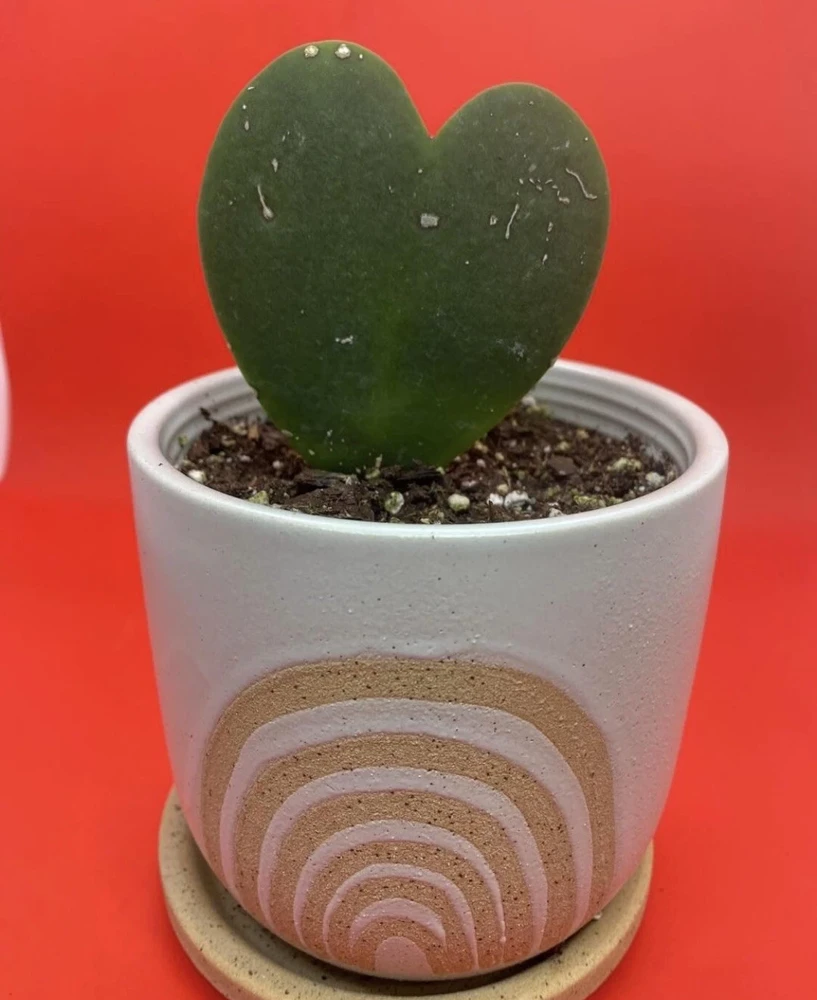
Hoya Wax Plant Live Houseplant – Indoor Tropical Climbing Vine
Original price was: $31.99.$25.99Current price is: $25.99.
Bring home a beautiful hoya wax plant, a stunning indoor climbing plant known for its waxy leaves and unique star-shaped flowers. This tropical vine is an easy care houseplant, perfect for adding a touch of elegance to your home decor. Enjoy its lush foliage and potential for fragrant blooms.
Estimated arrival
Oct 27
Nov 01 - Nov 03
Nov 06 - Nov 10
Shop With Confidence
30-Day Plant Health Guarantee
Arrives damaged? We’ll replace it free — see our return policy.
Responsive Support
Email us anytime, we reply within 1 business day.
Expert Packaging
Temperature-controlled shipping to protect your plants in transit.
Secure Checkout
Pay safely with Visa, Mastercard, PayPal.
Plant Specifications
-
USDA Hardiness Zone
year-round indoors -
Soil Type
well-draining potting mix -
Sunlight Exposure
bright indirect light -
Expected Planting Period
year-round indoors
Overview
Introduce a touch of tropical elegance to your living space with the exquisite hoya wax plant. This captivating live houseplant, also known as the Wax Plant or Porcelain Flower, is celebrated for its thick, waxy leaves and often fragrant, star-shaped clusters of flowers. As a beautiful indoor climbing plant, the Hoya species is a popular choice for plant enthusiasts and beginners alike, offering stunning visual appeal with relatively low maintenance. Originating from tropical Asia and Australia, this plant thrives indoors, making it an ideal companion for brightening up any room. Its unique growth habit allows it to trail gracefully from hanging baskets or climb elegantly up a trellis, adding a dynamic and lush element to your home decor. The hoya wax plant is not just a plant; it’s a living piece of art that brings a serene, natural ambiance to your environment.
The Hoya is a diverse genus with many varieties, each boasting slightly different leaf shapes, textures, and flower colors. Regardless of the specific Hoya you choose, you’ll be delighted by its resilience and beauty. This particular hoya wax plant is a perfect specimen to start or expand your indoor garden, providing year-round greenery and the promise of its charming, intricate blooms. Its ability to adapt to various indoor conditions makes it a fantastic choice for those seeking an easy care houseplant that doesn’t compromise on beauty or character.
Key Benefits
The hoya wax plant offers numerous benefits, making it an excellent addition to any home. Its aesthetic appeal is undeniable, but it also contributes positively to your indoor environment and overall well-being. This indoor climbing plant is more than just a decorative item; it’s a living asset.
- Stunning Aesthetic Appeal: The thick, glossy, waxy leaves and unique, often fragrant, star-shaped flowers make the Hoya a visually captivating plant. It adds a sophisticated and exotic touch to any room, whether trailing or climbing.
- Air Purification: Like many houseplants, the hoya wax plant contributes to cleaner indoor air by absorbing toxins and releasing oxygen, promoting a healthier living space.
- Low Maintenance & Easy Care: This plant is remarkably forgiving, making it an easy care houseplant ideal for busy individuals or those new to plant parenthood. It tolerates some neglect and doesn’t demand constant attention.
- Versatile Display Options: Its vining nature allows for various display methods – from hanging baskets where its tendrils can cascade beautifully, to trellises where it can climb and create a green wall effect.
- Long-Lived & Drought Tolerant: Hoya plants are known for their longevity and ability to withstand periods of drought due to their succulent-like leaves that store water, making them resilient.
- Unique Fragrance: Many Hoya varieties produce sweetly scented flowers, particularly at night, adding another sensory dimension to your home.
Plant Care & Growing Tips
Caring for your hoya wax plant is straightforward, especially once you understand its basic needs. This hoya houseplant care guide will help you ensure your plant thrives and potentially graces you with its beautiful blooms. Proper care will lead to a robust and healthy indoor climbing plant.
Sunlight requirements: Hoya plants prefer bright, indirect light. A spot near an east or west-facing window is ideal. Direct, harsh afternoon sun can scorch their leaves, while too little light may result in fewer blooms. If you notice your plant isn’t flowering, increasing its light exposure (without direct sun) might help. For optimal growth, aim for at least 4-6 hours of bright, indirect light daily.
Watering schedule and soil moisture preferences: Hoya plants are somewhat succulent in nature, storing water in their waxy leaves. Therefore, they prefer to dry out completely between waterings. Overwatering is a common killer of Hoyas. Stick your finger about two inches into the soil; if it feels dry, it’s time to water. Reduce watering significantly during the cooler, darker winter months. Ensure good drainage to prevent root rot.
Soil type and drainage requirements: A well-draining potting mix is crucial for a healthy hoya wax plant. A mix designed for succulents or orchids, or a general potting mix amended with perlite, orchid bark, or pumice, works well. The goal is a chunky, airy substrate that allows water to pass through freely. Repotting is generally only needed every 2-3 years, as Hoyas prefer to be slightly root-bound.
Temperature range and USDA hardiness zone: These tropical plants prefer consistent warm temperatures, ideally between 65-80°F (18-27°C). Avoid sudden temperature drops or exposure to cold drafts. While primarily an indoor plant, if grown outdoors in very warm climates, it would fall into USDA zones 10-12. As an easy care houseplant, it’s happily grown indoors across all zones.
Fertilization schedule and type: Fertilize your Hoya sparingly during its active growing season (spring and summer). Use a balanced liquid fertilizer diluted to half strength, once a month. Avoid fertilizing in fall and winter when the plant is dormant. A fertilizer higher in phosphorus can encourage blooming.
Common problems and solutions: Watch out for common pests like mealybugs or spider mites, which can be treated with insecticidal soap. Yellowing leaves often indicate overwatering, while shriveled leaves can mean underwatering. Lack of blooms is usually due to insufficient light or too much nitrogen fertilizer. Adjusting your hoya houseplant care routine will typically resolve most issues.
Size & Details
This hoya wax plant is typically shipped as a well-rooted live plant, ready for transfer to your preferred decorative pot. While specific dimensions can vary based on growth stage and variety, most young Hoyas arrive in a 4-inch or 6-inch nursery pot, with vines ranging from 6 to 12 inches in length, ready to start trailing or climbing. The growth rate is moderate, allowing you to enjoy its development without it quickly outgrowing its space. Mature plants can reach vine lengths of several feet when provided with proper support and conditions, making them impressive specimen plants over time. The thick, succulent-like leaves are typically 2-4 inches long and 1-2 inches wide, providing a lush and vibrant green backdrop for the intricate flowers. Expect your plant to establish itself and begin showing new growth within a few weeks of arrival, with potential for blooms appearing during warmer months once the plant is mature and settled.
Frequently Asked Questions
- Q: How big does this hoya wax plant get? A: While young plants may have vines around 6-12 inches, mature Hoya vines can grow several feet long, especially when given proper support to climb. Its size is quite manageable indoors.
- Q: Is this an indoor or outdoor plant? A: This is primarily an indoor climbing plant, thriving in typical household temperatures and humidity. It can be moved outdoors in shaded areas during warm summer months in suitable climates but must be brought inside before temperatures drop.
- Q: Is this plant easy to care for? Is it good for beginners? A: Yes, the hoya wax plant is considered an easy care houseplant. It is quite forgiving and suitable for beginners, provided you avoid overwatering and give it bright, indirect light.
- Q: What condition will it arrive in? Is it shipped in soil? A: Your Hoya will arrive as a healthy, live plant, typically in a nursery pot with its roots established in soil. It will be carefully packaged to ensure safe transit.
- Q: How do I encourage my Hoya to bloom? A: To encourage blooming, ensure your Hoya receives plenty of bright, indirect light, allow the soil to dry out between waterings, and use a fertilizer higher in phosphorus during the growing season. Also, avoid repotting too frequently, as they bloom best when slightly root-bound.
- Q: What’s the best soil for hoya houseplant care? A: Hoyas prefer a well-draining, airy potting mix. A succulent and cactus mix, or a standard potting mix amended with perlite or orchid bark, works very well to prevent waterlogged roots.
- Q: Is the hoya wax plant pet-safe? A: While generally considered non-toxic to pets, it’s always best to prevent pets from ingesting any houseplant material to avoid potential digestive upset.
- Q: How often should I water my Hoya? A: Water only when the top 2 inches of soil are completely dry. This could be anywhere from once a week to once every two weeks, depending on your home’s humidity and light conditions. When in doubt, it’s better to underwater than overwater.
- Q: Can I hang this indoor climbing plant? A: Absolutely! Hoyas are excellent for hanging baskets, allowing their beautiful vines to trail gracefully. You can also provide a small trellis or moss pole for them to climb.
- Q: What is the ideal temperature range for a tropical wax plant? A: The ideal temperature range for a tropical wax plant is between 65-80°F (18-27°C). Avoid exposing it to temperatures below 50°F (10°C) or sudden cold drafts.
Be the first to review “Hoya Wax Plant Live Houseplant – Indoor Tropical Climbing Vine”
People Also Viewed

Reviews
There are no reviews yet.