
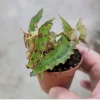
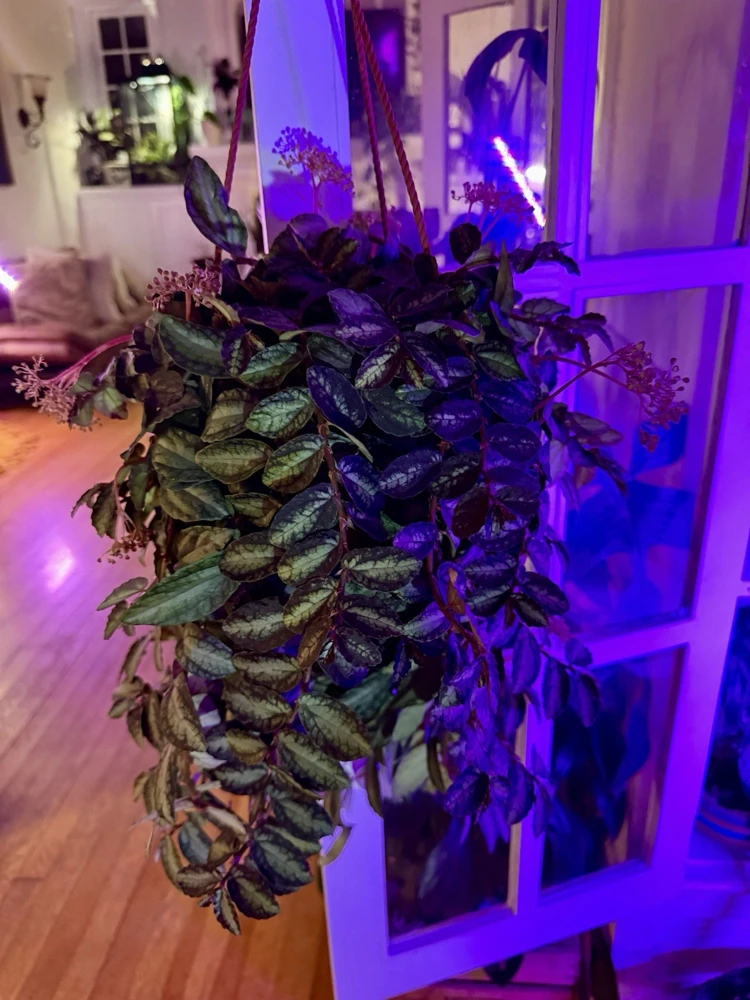
Pellionia Repens Live Cutting – Watermelon Begonia Trailing Houseplant
Original price was: $31.99.$25.99Current price is: $25.99.
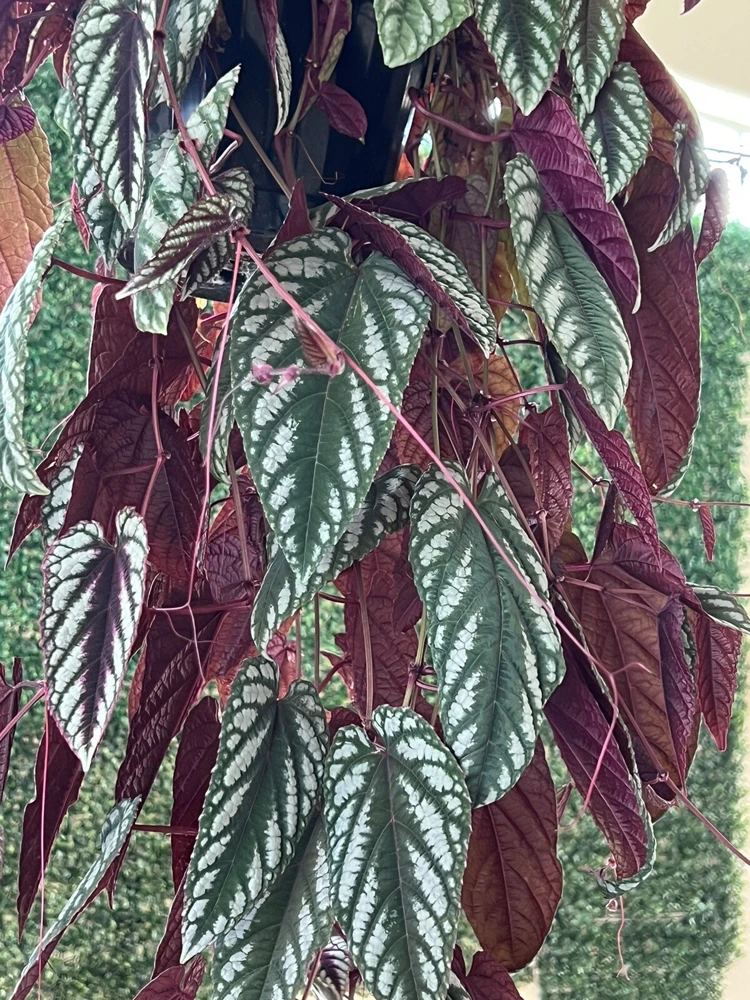
Bring home a vibrant Pellionia repens live cutting, known as watermelon begonia trailing. This stunning, easy-to-care-for houseplant features unique patterned leaves, perfect for adding a touch of natural beauty to your indoor space. Ideal for hanging baskets or shelves, it thrives with minimal fuss, making it a great choice for both beginners and experienced plant enthusiasts.
Estimated arrival
Oct 27
Nov 01 - Nov 03
Nov 06 - Nov 10
Shop With Confidence
30-Day Plant Health Guarantee
Arrives damaged? We’ll replace it free — see our return policy.
Responsive Support
Email us anytime, we reply within 1 business day.
Expert Packaging
Temperature-controlled shipping to protect your plants in transit.
Secure Checkout
Pay safely with Visa, Mastercard, PayPal.
Plant Specifications
-
USDA Hardiness Zone
USDA zones 10-11 (outdoors), typically grown indoors -
Soil Type
Well-draining potting mix -
Sunlight Exposure
Bright indirect light -
Expected Planting Period
Year-round indoors
Overview
Introduce a touch of tropical charm to your home with the Pellionia repens live cutting. Often referred to as the watermelon begonia trailing plant due to its distinctive leaf patterns resembling a miniature watermelon, this stunning foliage plant is a fantastic addition to any indoor garden. This offering provides a fresh, viable cutting, ready for propagation, allowing you to cultivate your own beautiful new plant. Known for its vigorous trailing habit and striking silver-green and dark green variegation, Pellionia repens creates an eye-catching display in hanging baskets, terrariums, or as a groundcover in larger planters. It’s a delightful and relatively low-maintenance option for those seeking an indoor foliage plant that offers visual interest without demanding constant attention.
The botanical name, Pellionia repens, accurately describes its creeping growth habit. Originating from Southeast Asia, this plant thrives in warm, humid environments, making it well-suited for typical household conditions, especially in bathrooms or kitchens with higher moisture levels. Its unique appearance and easy propagation make it a popular choice for plant enthusiasts looking to expand their collection or share with friends. Growing your own crawling pellionia from a cutting offers a rewarding experience and a deep connection to nature.
Key Benefits
The Pellionia repens live cutting offers numerous advantages, making it a beloved choice for indoor gardening. Its unique aesthetic and straightforward care regimen contribute to a vibrant and thriving indoor environment.
- Stunning Visual Appeal: The primary draw of the watermelon begonia trailing is its captivating foliage. The oval leaves feature intricate patterns of silvery-green and dark green, often with purplish undersides, providing a beautiful contrast and adding significant decorative value to any room. This plant truly stands out among other indoor greenery.
- Easy Propagation: Starting with a Pellionia repens live cutting means you can easily grow new plants. This process is straightforward, often requiring just water or moist soil, making it a fulfilling project for gardeners of all skill levels and an economical way to expand your plant collection.
- Versatile Trailing Habit: Its natural trailing and creeping growth make it perfect for a variety of displays. Whether cascading from a hanging basket, crawling across a shelf, or acting as a vibrant groundcover in a larger planter, this plant adapts beautifully to different settings, enhancing vertical and horizontal spaces.
- Adaptable to Indoor Conditions: This plant is well-suited for indoor environments, tolerating a range of light conditions and humidity levels found in most homes. It’s not overly fussy, making it a resilient and enjoyable easy care houseplant.
- Compact Growth: While it trails, the plant generally remains compact, making it suitable for smaller spaces such as desks, windowsills, or terrariums where larger plants might be overwhelming. Its delicate appearance doesn’t take up too much physical space but provides ample visual impact.
Plant Care & Growing Tips
Caring for your Pellionia repens live cutting is relatively simple, making it an excellent choice for both novice and experienced plant parents. To ensure your watermelon begonia trailing thrives, pay attention to its specific needs regarding light, water, and humidity. This plant prefers bright, indirect light; direct sunlight can scorch its delicate leaves, causing them to fade or burn. An east-facing window or a spot several feet away from a south or west-facing window is ideal. Ensure it receives consistent, diffused light for optimal growth and vibrant foliage coloration. Providing adequate light is crucial for a healthy indoor foliage plant.
When it comes to watering, consistency is key. Keep the soil consistently moist but never waterlogged. Allow the top inch of soil to dry out slightly before watering again. Overwatering can lead to root rot, while prolonged dryness can cause the leaves to wilt and crisp. Use a well-draining potting mix to prevent water from sitting around the roots. Humidity is also important for Pellionia repens, as it originates from humid tropical environments. You can increase humidity by misting the plant regularly, placing it near a humidifier, or setting its pot on a pebble tray filled with water. The ideal temperature range is between 65-80°F (18-27°C); avoid temperatures below 50°F (10°C). Fertilize monthly during the growing season (spring and summer) with a balanced liquid fertilizer diluted to half strength. During fall and winter, reduce fertilization frequency.
To propagate your crawling pellionia, simply place the cutting in water or moist soil. Ensure the cutting has at least two nodes (where leaves emerge), as roots will form from these points. In water, change the water every few days. In soil, keep the soil consistently moist. Roots typically form within a few weeks. Pinching back the stems encourages bushier growth and prevents the plant from becoming too leggy. Watch out for common pests like spider mites or mealybugs, and treat promptly with insecticidal soap if detected. This easy care houseplant will reward you with its beautiful foliage for years with proper attention.
Size & Details
This offering includes a fresh Pellionia repens live cutting, typically measuring between 4-6 inches in length, ready for propagation. These cuttings are carefully selected to ensure they have healthy nodes, which are essential for successful rooting. Once rooted and established, the watermelon begonia trailing plant can grow to have stems that trail several feet long, making it an excellent choice for hanging baskets or as a spreading groundcover in larger terrariums or planters. Its growth rate is moderate, and with ideal conditions, it can establish itself and begin trailing within a few months. The mature plant typically forms a dense mat of foliage, with individual leaves reaching about 1-2 inches in length. This indoor foliage plant is shipped without a pot or soil, ensuring a lightweight and efficient delivery for you to begin your propagation journey.
Frequently Asked Questions
- Q: How big does this plant get? A: While the initial Pellionia repens live cutting is small, once rooted and established, the plant can produce trailing stems that reach several feet in length. Its growth habit is more spreading and trailing rather than tall.
- Q: What condition will the cutting arrive in? A: Your Pellionia repens live cutting will arrive fresh and healthy, carefully packaged to ensure its vitality during transit. It will be ready for immediate propagation upon arrival.
- Q: How much sunlight does the watermelon begonia trailing need? A: This plant thrives in bright, indirect light. Avoid direct sunlight, which can scorch its leaves. A location near an east-facing window or a few feet from a south or west-facing window is ideal.
- Q: Is this an indoor or outdoor plant? A: While it can be grown outdoors in very warm, humid climates (USDA zones 10-11), it is primarily cultivated as an indoor foliage plant in most regions. It appreciates consistent indoor temperatures and humidity.
- Q: Is this plant easy to care for? A: Yes, Pellionia repens is considered an easy care houseplant. It’s relatively forgiving, making it suitable for beginners, as long as its basic needs for light and consistent moisture are met.
- Q: How do I propagate the crawling pellionia cutting? A: You can propagate the cutting in water or moist soil. Place the cutting with at least two nodes into water or directly into a well-draining potting mix, keeping it consistently moist until roots form.
- Q: How long until it roots? A: With proper care, roots typically begin to form within 2-4 weeks when propagating a Pellionia repens live cutting. You’ll notice new growth soon after.
- Q: What kind of soil does it prefer? A: This plant prefers a well-draining, airy potting mix. A mix formulated for tropical houseplants or a general potting mix amended with perlite or orchid bark works well to ensure good drainage.
- Q: Does this plant have flowers? A: While Pellionia repens can produce small, inconspicuous greenish-white flowers, it is primarily grown and valued for its striking and decorative foliage.
- Q: Is it pet-safe? A: Pellionia repens is generally considered non-toxic to pets, making it a safer choice for homes with furry friends. However, it’s always best to prevent pets from ingesting any houseplant.
Be the first to review “Pellionia Repens Live Cutting – Watermelon Begonia Trailing Houseplant”
People Also Viewed
Houseplants
Snow Capped Artillery Fern Live Plant – Pilea microphylla – Rare Indoor Plant – 2.5″ Pot


Herbs
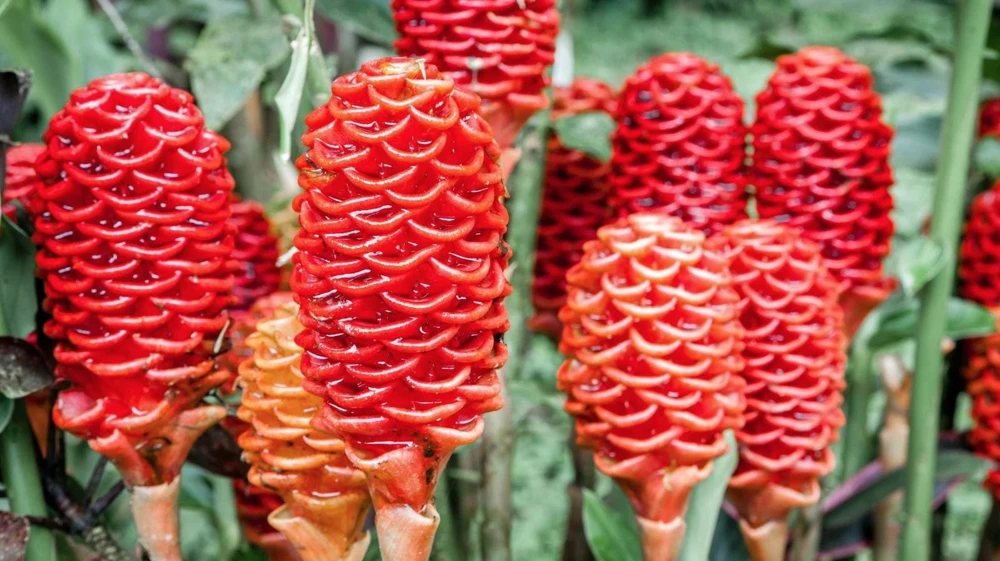
Shampoo Ginger Rhizomes Live Plant – 5 Pack Exotic Pinecone Ginger, Red Blooms, Indoor/Outdoor

Reviews
There are no reviews yet.