

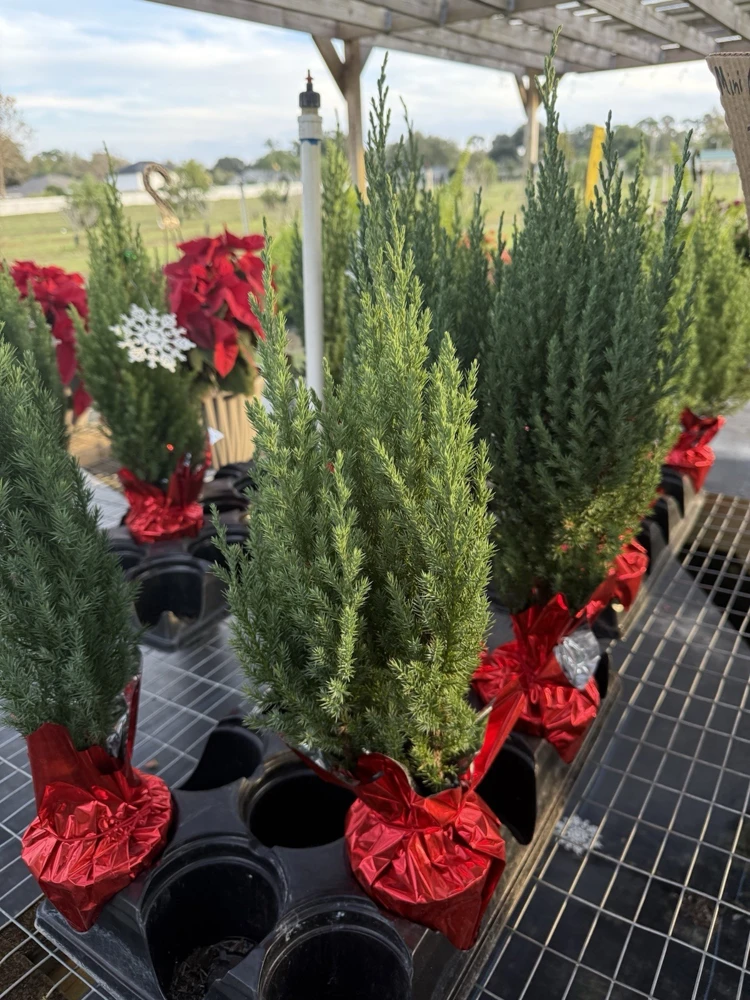
Blue Point Juniper Live Tree – Evergreen Privacy Plant – Drought Tolerant
Original price was: $108.99.$89.99Current price is: $89.99.
Add year-round beauty and privacy to your garden with a blue point juniper live tree. This hardy evergreen is known for its dense, upright growth and attractive blue-green foliage, making it an ideal evergreen privacy tree or focal point in any landscape design. It’s also a remarkably drought tolerant tree, requiring minimal water once established.
Estimated arrival
Oct 27
Nov 01 - Nov 03
Nov 06 - Nov 10
Shop With Confidence
30-Day Plant Health Guarantee
Arrives damaged? We’ll replace it free — see our return policy.
Responsive Support
Email us anytime, we reply within 1 business day.
Expert Packaging
Temperature-controlled shipping to protect your plants in transit.
Secure Checkout
Pay safely with Visa, Mastercard, PayPal.
Plant Specifications
-
USDA Hardiness Zone
USDA Zones 4-9 -
Soil Type
Well-draining soil -
Sunlight Exposure
Full sun -
Expected Planting Period
Spring or Fall
Overview
Transform your outdoor space with the stunning blue point juniper live tree, a versatile and resilient evergreen celebrated for its striking pyramidal form and vibrant blue-green needles. This coniferous beauty, scientifically known as Juniperus chinensis ‘Blue Point’, is a popular choice for gardeners seeking a low-maintenance yet impactful addition to their landscape. Originating from Asia, the Blue Point Juniper has become a staple in American gardens due to its adaptability and aesthetic appeal. Whether you’re looking to create a natural privacy screen, add architectural interest, or simply enjoy a touch of year-round greenery, this evergreen privacy tree delivers on all fronts. Its dense foliage provides excellent cover and a rich textural element that complements various garden styles, from formal to contemporary. The Blue Point Juniper’s ability to thrive in diverse conditions makes it an excellent investment for both novice and experienced gardeners, promising enduring beauty and structural elegance.
The upright, conical growth habit of the blue point juniper live tree makes it a perfect specimen plant or an effective border tree. Its unique coloration provides a refreshing contrast against other green plants, adding depth and visual interest to your garden palette. Unlike many other evergreens, the Blue Point Juniper maintains its vibrant hue throughout the seasons, ensuring your landscape remains lively even during the colder months. This tree is not just about looks; it’s also incredibly tough. Its inherent resilience to various environmental stresses, including urban pollution and poor soil conditions, further solidifies its reputation as a garden favorite. Choose the Blue Point Juniper for a dependable, beautiful, and lasting green solution.
Key Benefits
The blue point juniper live tree offers a multitude of benefits that make it a standout choice for any garden. From its aesthetic appeal to its practical uses, this evergreen is a true garden workhorse.
- Year-Round Beauty: Enjoy consistent, vibrant blue-green foliage that maintains its color and density throughout all four seasons, providing continuous visual interest and structure to your landscape.
- Excellent Privacy Screen: With its dense, upright growth habit, the evergreen privacy tree creates an effective and attractive living fence, offering seclusion and blocking unsightly views. It grows tall and narrow, perfect for smaller spaces or property lines.
- Drought Tolerance: Once established, the Blue Point Juniper is remarkably resilient to dry conditions, making it a sustainable and low-water-use option for xeriscaping or areas prone to drought. This feature makes it a truly drought tolerant tree.
- Low Maintenance: This juniper requires minimal pruning to maintain its desirable shape and generally needs little intervention once it has settled into its new environment, saving you time and effort.
- Adaptable to Various Soils: While preferring well-draining soil, the Blue Point Juniper can tolerate a range of soil types, including sandy or clay, as long as drainage is adequate.
- Deer Resistant: Its aromatic foliage naturally deters deer, helping to protect your landscape from browsing damage without the need for chemical repellents.
- Architectural Interest: The naturally conical and symmetrical form of the blue point juniper live tree adds a strong vertical element and formal elegance to garden designs, acting as a superb focal point or an accent plant.
Plant Care & Growing Tips
Caring for your blue point juniper live tree is straightforward, ensuring it remains a healthy and beautiful addition to your garden for many years. This resilient evergreen thrives with proper attention to its basic needs. When choosing a location, select an area that receives full sun, meaning at least six hours of direct sunlight per day. While it can tolerate some partial shade, optimal growth and color are achieved in full sun. The Blue Point Juniper prefers well-draining soil and can adapt to various soil types, including sandy, loamy, or clay, as long as it doesn’t stay waterlogged. Good drainage is crucial to prevent root rot, a common issue for junipers in overly wet conditions. If your soil is heavy clay, consider amending it with organic matter or planting on a slight mound to improve drainage.
Watering is critical during the establishment phase. For the first year or two after planting, water regularly and deeply, typically once or twice a week, allowing the soil to dry out slightly between waterings. Once established, the drought tolerant trees, including the Blue Point Juniper, require minimal supplemental irrigation, often thriving on natural rainfall. Overwatering is more detrimental than underwatering for this species. Fertilize in early spring with a balanced, slow-release granular fertilizer formulated for evergreens, following the product instructions. Pruning is generally minimal; the plant naturally maintains its attractive pyramidal shape. Any necessary pruning should be done to remove dead, damaged, or crossing branches, or to lightly shape the plant, ideally in late winter or early spring before new growth begins. Avoid heavy shearing, which can damage the plant’s natural form. This hardy evergreen privacy tree is generally pest and disease resistant, but monitor for common issues like spider mites or juniper scale, treating promptly if detected. Ensuring good air circulation also helps prevent fungal problems.
Size & Details
The blue point juniper live tree is typically sold as a young plant, ready for transplanting into your garden. Its growth rate is moderate, allowing it to reach a mature height of 8 to 12 feet with a spread of 4 to 8 feet over many years, creating a substantial presence in the landscape. This conical evergreen develops a dense, compact form that makes it an excellent choice for a natural screen or a stately accent. Young plants will arrive potted, ensuring the root ball is intact and ready for successful establishment. The mature size of a dwarf blue point juniper is generally smaller, reaching 4-6 feet, so ensure you choose the correct variety for your space. Expect this juniper to establish itself quickly, especially with consistent care during its first year, and begin to provide significant visual impact within a few growing seasons.
When planning your landscape, consider the eventual size and spread of the blue point juniper live tree to ensure adequate spacing. Its dense foliage ensures privacy and windbreak capabilities. This tree is a long-lived specimen, offering decades of beauty and utility in the right conditions. It’s often shipped in nursery pots ranging from 1 to 3 gallons, providing a well-developed root system that is ready to thrive in its new environment. The attractive blue-green color remains consistent throughout the year, adding a reliable splash of color to your garden. Understanding the growth habit and mature dimensions will help you integrate this evergreen privacy tree seamlessly into your garden design.
Frequently Asked Questions
- Q: How big does a Blue Point Juniper live tree get? A: A mature blue point juniper live tree typically reaches a height of 8 to 12 feet and a spread of 4 to 8 feet. There are also smaller varieties, like the dwarf blue point juniper, which stays more compact.
- Q: Is this an indoor or outdoor plant? A: The Blue Point Juniper is an outdoor plant, best suited for landscape planting. It requires full sun and cannot thrive as an indoor houseplant.
- Q: How much sunlight does the Blue Point Juniper need? A: This evergreen thrives in full sun, requiring at least 6 hours of direct sunlight per day for optimal growth and foliage color.
- Q: Is this plant easy to care for? Is it good for beginners? A: Yes, the blue point juniper live tree is considered low-maintenance and is an excellent choice for beginners due to its hardiness and drought tolerance once established.
- Q: What condition will it arrive in? Is it shipped in soil? A: Your Blue Point Juniper will arrive as a live plant, typically shipped in its nursery container with soil to protect the root system and ensure a smooth transition to your garden.
- Q: When is the best time to plant a Blue Point Juniper? A: The best times to plant a blue point juniper live tree are in the spring or fall when temperatures are moderate, allowing the plant to establish its roots before extreme heat or cold.
- Q: Will it survive winter in my zone? What’s the minimum temperature? A: The Blue Point Juniper is very cold hardy, typically thriving in USDA Zones 4-9. It can withstand winter temperatures well below freezing, making it a reliable evergreen privacy tree in many climates.
- Q: How often should I water my new Blue Point Juniper? A: During its first year, water your new blue point juniper live tree regularly, 1-2 times per week, ensuring the soil dries slightly between waterings. Once established, it becomes a drought tolerant tree and needs less frequent watering.
- Q: Can I use the Blue Point Juniper for a hedge? A: Absolutely! Its dense, upright growth makes it an ideal evergreen privacy tree or hedge. Plant them about 4-6 feet apart for a solid screen.
- Q: What kind of soil does the Blue Point Juniper prefer? A: It prefers well-draining soil but is adaptable to various soil types, including sandy or clay, as long as drainage is good. Avoid areas where water tends to collect.
Be the first to review “Blue Point Juniper Live Tree – Evergreen Privacy Plant – Drought Tolerant”
People Also Viewed





Reviews
There are no reviews yet.