
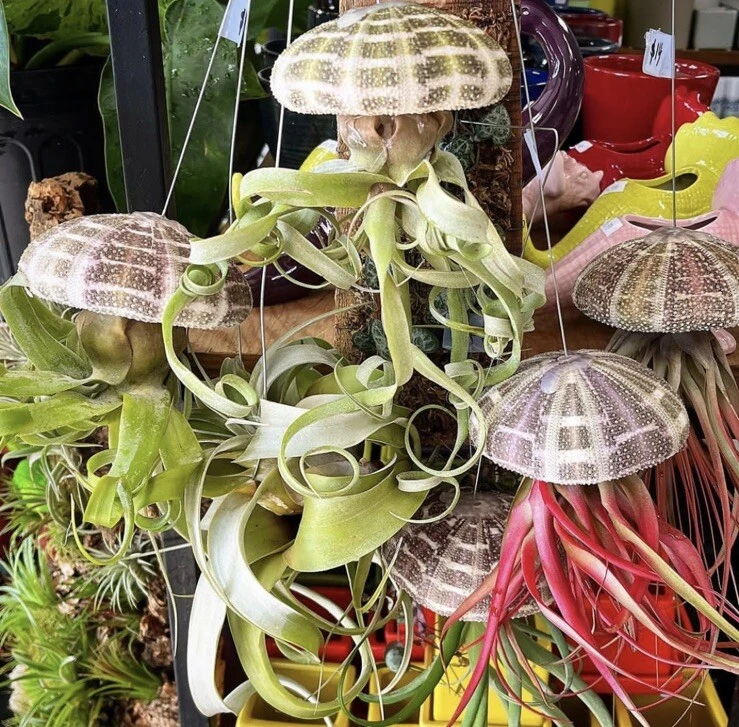
Tillandsia Air Plants Collection – Live Houseplants for Terrariums & Decor
Original price was: $65.99.$53.99Current price is: $53.99.
Enhance your space with this beautiful tillandsia air plant collection. These unique live air plant collection varieties are perfect for terrariums, mounting, or simply displaying as elegant home decor. Enjoy their low-maintenance nature and striking appearance.
Estimated arrival
Oct 27
Nov 01 - Nov 03
Nov 06 - Nov 10
Shop With Confidence
30-Day Plant Health Guarantee
Arrives damaged? We’ll replace it free — see our return policy.
Responsive Support
Email us anytime, we reply within 1 business day.
Expert Packaging
Temperature-controlled shipping to protect your plants in transit.
Secure Checkout
Pay safely with Visa, Mastercard, PayPal.
Plant Specifications
-
USDA Hardiness Zone
unknown -
Soil Type
None (epiphytic) -
Sunlight Exposure
bright indirect light -
Expected Planting Period
year-round indoors
Overview
Welcome to the enchanting world of tillandsia air plant varieties, a unique and captivating addition to any home or office space. This carefully curated live air plant collection offers a diverse selection of Tillandsia species, commonly known as air plants, renowned for their ability to thrive without soil. Each plant in this collection is a living piece of art, perfect for creating stunning terrariums, enhancing existing decor, or simply enjoying as a standalone botanical marvel. Air plants absorb nutrients and moisture directly from the air through specialized cells on their leaves, making them incredibly adaptable and easy to care for. They are ideal for both seasoned plant enthusiasts and beginners looking for low-maintenance greenery. Explore the various shapes, textures, and subtle colors that make each Tillandsia a fascinating specimen.
Our collection emphasizes healthy, vibrant specimens, ready to integrate into your creative projects. Whether you’re designing an intricate terrarium, crafting a unique centerpiece, or seeking an effortless way to bring nature indoors, these air plants provide endless possibilities. Their versatility allows them to be placed in a variety of settings, from modern minimalist designs to rustic displays. Embrace the beauty and simplicity of these remarkable plants, which require minimal attention while offering maximum visual impact. This live air plant collection is an excellent choice for anyone seeking to add a touch of natural elegance and tranquility to their environment.
Key Benefits
Embrace the numerous advantages of incorporating a tillandsia air plant into your indoor garden or decor. These unique botanicals offer a blend of aesthetic appeal and practical benefits that make them highly desirable:
- Low Maintenance & Easy Care: Air plants require minimal attention, making them perfect for busy individuals or those new to plant care. No soil or traditional potting is needed, simplifying their upkeep significantly.
- Versatile Decor: Their ability to thrive without soil allows for creative display options. Use them in terrariums, hang them, place them on shelves, or incorporate them into wreaths and other decorative arrangements.
- Unique Aesthetic Appeal: Each tillandsia air plant boasts distinct shapes, textures, and growth habits, adding an exotic and contemporary touch to any room. They are natural conversation starters.
- Space-Saving: Ideal for small spaces, apartments, or offices, as they don’t require large pots or extensive root systems. They can fit into compact designs with ease.
- Air Purification: Like many plants, air plants contribute to better indoor air quality by absorbing carbon dioxide and releasing oxygen, promoting a healthier living environment.
- Pet-Friendly Option: Generally considered non-toxic to pets, making them a safer choice for households with curious cats or dogs compared to many traditional houseplants.
- Boosts Well-being: Bringing natural elements like a live air plant collection into your home has been shown to reduce stress, improve mood, and enhance overall well-being.
Plant Care & Growing Tips
Caring for your tillandsia air plant collection is surprisingly straightforward once you understand their basic needs. Unlike traditional potted plants, air plants absorb water and nutrients through their leaves, not roots. The most crucial aspect of air plant care is proper watering. The best method is to soak your air plants in a bowl of room-temperature water for 20-30 minutes once a week. After soaking, gently shake off excess water and allow them to dry completely in a well-ventilated area before returning them to their display. This prevents rot. In drier climates or during hot spells, you might need to mist them a few times a week between soaks.
Light is another vital factor for healthy air plants. They thrive in bright, indirect light. Placing them near a window that receives filtered sunlight or in a well-lit room away from direct, harsh sun is ideal. Direct sun can scorch their leaves. Good air circulation is also essential; avoid placing them in enclosed, stagnant spaces immediately after watering. Fertilization is not strictly necessary, but a diluted air plant-specific fertilizer can be applied once a month during the growing season (spring and summer) to encourage growth and blooming. Ensure the fertilizer is specifically formulated for air plants to avoid burning their delicate leaves. For optimal air plant care, remember to protect them from extreme temperatures, both hot and cold. They generally prefer temperatures between 50-90°F (10-32°C).
Size & Details
This live air plant collection features a variety of Tillandsia species, each typically ranging from 2 to 6 inches in height and width, depending on the specific variety. Air plants have a moderate growth rate, slowly increasing in size and producing ‘pups’ (offsets) over time, which can be separated to propagate new plants. They arrive as mature, healthy specimens, ready for immediate display. Due to their epiphytic nature, they do not come with a pot or soil; they are shipped as bare-root plants, ensuring their health and adaptability upon arrival. Expect variations in size and shape as each plant is a natural, living organism, contributing to the unique character of your terrarium plants.
The collection is ideal for various applications, from small desktop displays to larger decorative arrangements. While exact measurements vary by species, the overall size of the plants makes them suitable for most creative projects. These indoor air plants are durable and resilient, designed to thrive in typical indoor environments with minimal fuss. They will maintain their vibrant appearance and continue to grow, offering long-lasting beauty with proper care.
Frequently Asked Questions
- Q: How big does a tillandsia air plant typically get? A: Most Tillandsia varieties in this collection range from 2 to 6 inches tall and wide. Their size can vary slightly depending on the specific species and growing conditions, but they generally remain compact.
- Q: Is this an indoor or outdoor plant? A: This live air plant collection is primarily intended for indoor display in the US, especially since most Tillandsia varieties are not cold-hardy. They can be placed outdoors in warm, humid climates during summer but must be brought inside before temperatures drop.
- Q: How much sunlight does it need? A: Air plants thrive in bright, indirect light. Avoid direct, intense sunlight, which can scorch their leaves. A spot near a window with filtered light or a well-lit room is ideal for optimal air plant care.
- Q: Is this plant easy to care for? A: Yes, air plants are considered very easy to care for, making them excellent choices for beginners and busy individuals. Their primary needs are regular soaking and proper light, with no soil required.
- Q: What condition will my live air plant collection arrive in? A: Your air plants will arrive healthy, vibrant, and bare-root, carefully packaged to ensure their safe journey. They will be ready to be placed in your chosen display as soon as they are unboxed.
- Q: How do I display these terrarium plants? A: Air plants are incredibly versatile! You can place them in glass terrariums, on decorative rocks or wood, in hanging planters, or simply on shelves. Ensure they have good air circulation around them.
- Q: Can I fertilize my air plants? A: While not strictly necessary, you can use a highly diluted, air plant-specific fertilizer once a month during the spring and summer growing seasons to encourage healthier growth and potential blooms for your indoor air plants.
- Q: Are these air plants safe for pets? A: Generally, Tillandsia air plants are considered non-toxic to pets, making them a safe choice for homes with cats and dogs. However, it’s always best to prevent pets from chewing on any houseplant.
- Q: How often should I water my tillandsia air plant? A: The most effective watering method is to soak your air plants in room-temperature water for 20-30 minutes once a week. In very dry environments, you may also mist them a few times between soaks.
- Q: What is the best soil type for these plants? A: Air plants do not require soil! They are epiphytes and absorb all their water and nutrients through their leaves. They should never be planted in soil.
Be the first to review “Tillandsia Air Plants Collection – Live Houseplants for Terrariums & Decor”
People Also Viewed



Reviews
There are no reviews yet.