

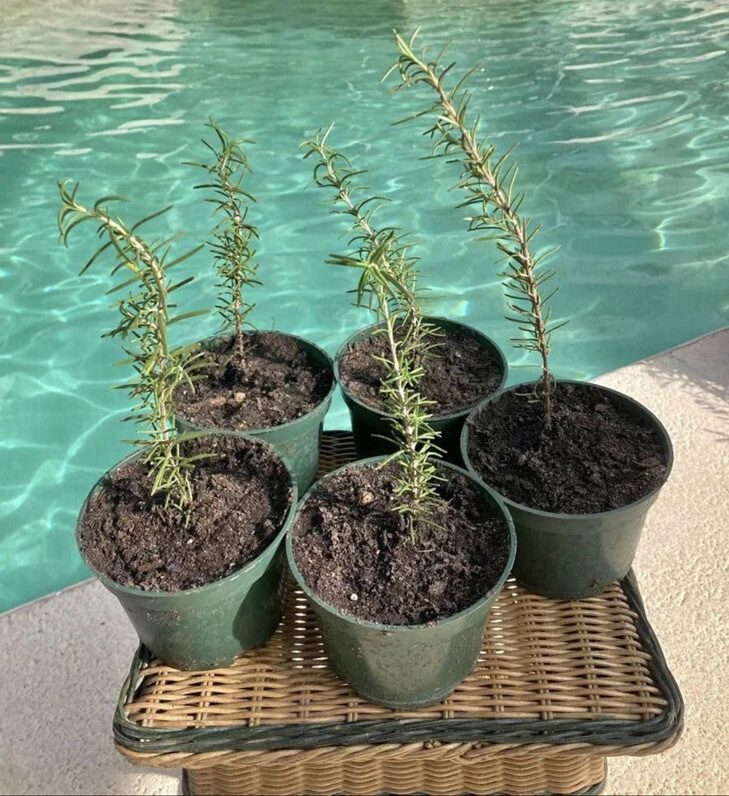
Organic Rosemary Live Plant in Pot – Edible Culinary Herb for Indoor & Outdoor
Original price was: $29.99.$23.99Current price is: $23.99.
Bring the delightful aroma and flavor of fresh rosemary to your home with this organic rosemary live plant. Perfect for both indoor and outdoor cultivation, this versatile culinary rosemary plant offers fragrant leaves for cooking, aromatherapy, and garden beauty. Enjoy the ease of growing rosemary indoors or outdoors with this healthy starter plant.
Estimated arrival
Oct 27
Nov 01 - Nov 03
Nov 06 - Nov 10
Shop With Confidence
30-Day Plant Health Guarantee
Arrives damaged? We’ll replace it free — see our return policy.
Responsive Support
Email us anytime, we reply within 1 business day.
Expert Packaging
Temperature-controlled shipping to protect your plants in transit.
Secure Checkout
Pay safely with Visa, Mastercard, PayPal.
Plant Specifications
-
USDA Hardiness Zone
USDA zones 7-10 (can be overwintered indoors in colder zones) -
Soil Type
Well-draining, sandy loam -
Sunlight Exposure
Full sun (6-8+ hours daily) -
Expected Planting Period
Year-round indoors; Spring to early summer outdoors
Overview
Welcome the aromatic charm and culinary versatility of a healthy organic rosemary live plant into your home or garden. Rosemary (Rosmarinus officinalis) is a beloved evergreen shrub renowned for its fragrant, needle-like leaves and delicate flowers. This particular plant is grown organically, ensuring you receive a pure and natural herb free from synthetic pesticides or fertilizers. Ideal for seasoned gardeners and beginners alike, this culinary rosemary plant is perfect for enhancing your cooking with fresh, vibrant flavor. Whether you’re planning an indoor herb garden or adding to an outdoor landscape, this live rosemary plant will thrive with proper care, offering both beauty and a bountiful harvest of fragrant leaves. Its distinct piney, peppery aroma makes it an indispensable addition to any kitchen.
Originating from the Mediterranean region, rosemary has been cherished for centuries not only for its culinary applications but also for its ornamental value and traditional medicinal uses. This robust and resilient plant is delivered ready to grow, providing an immediate source of fresh herbs. It’s an excellent choice for those looking to start an edible herb garden or expand their existing collection with a high-quality, organic specimen.
Key Benefits
An organic rosemary live plant offers a multitude of benefits, from its aromatic presence to its practical uses in the kitchen and garden:
- Fresh Culinary Ingredient: Enjoy the unparalleled flavor of freshly picked rosemary in your cooking. Its strong, aromatic taste is perfect for seasoning meats, vegetables, breads, and oils, elevating your culinary creations to new heights.
- Aromatic Appeal: The distinct, refreshing scent of rosemary is known to be invigorating and calming. Placing this plant indoors can naturally freshen your living space, while planting it outdoors adds a sensory delight to your garden.
- Organic & Healthy: Grown without harmful chemicals, this organic plant ensures you’re consuming a pure, wholesome herb, safe for you and your family. It contributes to a healthier lifestyle and a more sustainable garden.
- Versatile Growth: This culinary rosemary plant is adaptable and can thrive in various environments. It performs well as a potted plant indoors, making growing rosemary indoors accessible even in smaller spaces, or as a robust shrub in outdoor garden beds.
- Low Maintenance: Rosemary is a relatively hardy and drought-tolerant plant once established, requiring minimal fuss. Its resilience makes it an excellent choice for gardeners seeking a rewarding yet easy-to-care-for herb.
- Natural Pest Deterrent: The strong aroma of rosemary can help deter certain common garden pests, making it a beneficial companion plant for other vegetables and flowers in your edible herb garden.
- Ornamental Value: With its attractive evergreen foliage and occasional delicate blue flowers, the rosemary plant adds year-round beauty and structure to landscapes, patios, or windowsills.
Plant Care & Growing Tips
Caring for your organic rosemary live plant is straightforward, ensuring a continuous supply of fresh herbs. Rosemary thrives in conditions that mimic its native Mediterranean climate. It absolutely loves sunlight, so provide at least 6-8 hours of direct sun daily. If growing indoors, place it in your brightest south-facing window or supplement with a grow light. For outdoor planting, choose a spot that receives full sun throughout the day.
When it comes to watering, rosemary prefers well-draining soil and can tolerate periods of dryness, making it drought-tolerant once established. Water thoroughly when the top inch of soil feels dry, then allow the soil to dry out almost completely before watering again. Overwatering is the most common cause of rosemary plant failure, leading to root rot. Ensure your pot has drainage holes if growing indoors. A sandy, loamy soil mix with good aeration is ideal. For outdoor planting, amend heavy clay soils with sand or compost to improve drainage.
Rosemary is hardy in USDA zones 7-10, though some varieties can tolerate colder temperatures. In colder climates (zones 6 and below), it’s best to grow rosemary plant care in a container and bring it indoors before the first frost. Fertilize sparingly, if at all. Rosemary is not a heavy feeder; a light application of balanced liquid fertilizer once in spring can be sufficient. Pruning is essential for maintaining shape and encouraging bushy growth. Harvest sprigs regularly by snipping off the top few inches of new growth, which also serves as a form of pruning. Watch out for common pests like spider mites or powdery mildew, especially in humid or poorly ventilated indoor environments; ensure good air circulation to prevent these issues.
Size & Details
This organic rosemary live plant typically arrives as a young, actively growing specimen planted in a nursery pot, ready for transplanting or enjoying as is. The exact height and pot size may vary slightly but are generally suitable for immediate enjoyment and further growth. When mature, rosemary can grow anywhere from 2 to 6 feet tall and wide, depending on the variety and growing conditions. This particular culinary rosemary plant is suitable for both compact container gardening and larger garden beds, making it adaptable to various spaces. It has a moderate growth rate, establishing itself well within the first year and producing abundant foliage for harvesting. Expect a robust root system and healthy green foliage upon arrival, ensuring a strong start for your edible herb garden endeavors.
Frequently Asked Questions
- Q: How big does this plant get? A: A mature organic rosemary live plant can grow between 2 to 6 feet tall and wide, depending on the variety, growing conditions, and whether it’s pruned. Regular harvesting and pruning can help maintain a more compact size.
- Q: What size pot does it come in? A: The rosemary plant typically arrives in a standard nursery pot, ready for you to transplant into a larger container or directly into your garden. The exact pot size may vary, but it will be appropriate for the plant’s current stage of growth.
- Q: Is this an indoor or outdoor plant? A: This versatile culinary rosemary plant can thrive both indoors and outdoors. It’s commonly grown outdoors in USDA zones 7-10, but can be successfully grown indoors in a sunny location, making growing rosemary indoors a popular choice.
- Q: How much sunlight does it need? A: Rosemary requires at least 6-8 hours of direct sunlight per day to flourish. If growing indoors, place it in a south-facing window. Outdoors, choose a spot with full sun exposure.
- Q: Is this plant easy to care for? A: Yes, rosemary is generally considered a low-maintenance herb. Once established, it’s quite drought-tolerant and resilient. The main considerations for good rosemary plant care are plenty of sun and well-draining soil.
- Q: What condition will it arrive in? A: Your organic rosemary live plant will arrive carefully packaged, healthy, and actively growing, ready to be introduced to its new home. We take great care to ensure safe transit.
- Q: Can I use this rosemary in cooking? A: Absolutely! This is a culinary rosemary plant, perfect for use in all your favorite recipes. Its fragrant leaves are excellent for seasoning meats, vegetables, soups, and more, making it a fantastic addition to any edible herb garden.
- Q: When is the best time to plant? A: For outdoor planting, spring after the last frost is ideal. If growing indoors, you can plant or transplant your rosemary any time of year, provided it receives adequate light.
- Q: Will it survive winter in my zone? A: Rosemary is hardy outdoors in USDA zones 7-10. If you are in a colder zone (6 or below), it’s best to grow your rosemary in a pot and bring it indoors for the winter to protect it from freezing temperatures.
- Q: What type of soil does rosemary prefer? A: Rosemary prefers well-draining, slightly sandy, or loamy soil. Good drainage is crucial to prevent root rot. If planting in a pot, use a high-quality potting mix with added perlite or sand.
Be the first to review “Organic Rosemary Live Plant in Pot – Edible Culinary Herb for Indoor & Outdoor”
People Also Viewed
Uncategorized


Reviews
There are no reviews yet.