
Goeppertia Roseopicta Live Prayer Plant – Decorative Indoor Tropical Houseplant
Original price was: $72.99.$59.99Current price is: $59.99.
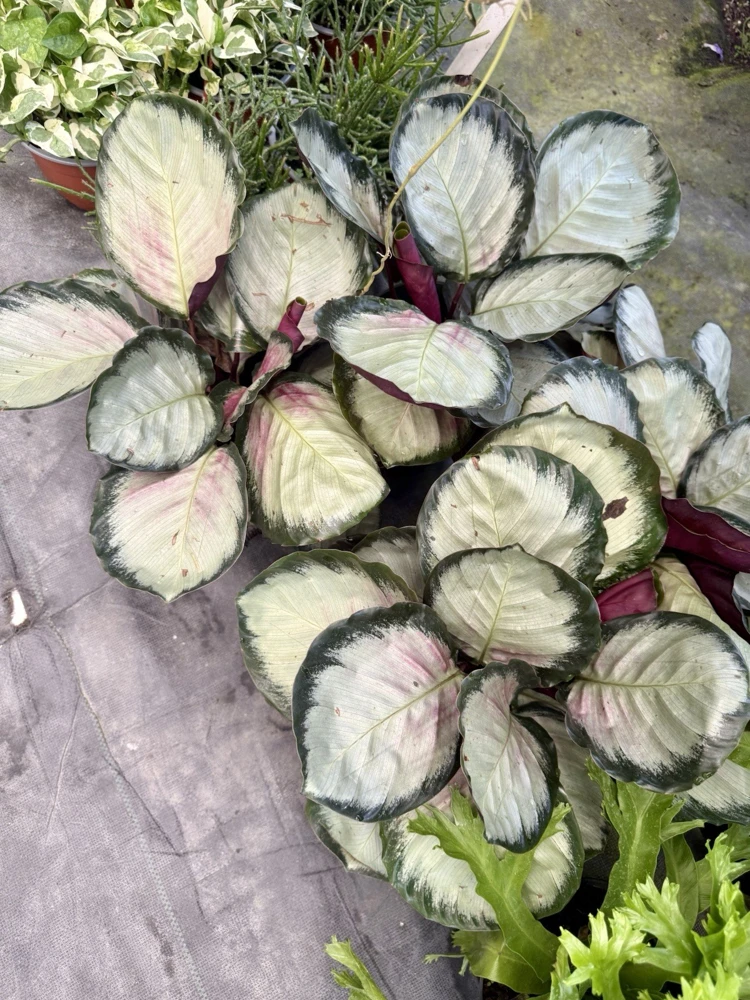
Bring exotic beauty into your home with a Goeppertia Roseopicta live plant. Also known as the Prayer Plant, this stunning tropical houseplant features striking foliage that folds up at night, adding dynamic charm to your indoor garden. Perfect for adding a touch of vibrant green and unique patterns to any room.
Estimated arrival
Oct 27
Nov 01 - Nov 03
Nov 06 - Nov 10
Shop With Confidence
30-Day Plant Health Guarantee
Arrives damaged? We’ll replace it free — see our return policy.
Responsive Support
Email us anytime, we reply within 1 business day.
Expert Packaging
Temperature-controlled shipping to protect your plants in transit.
Secure Checkout
Pay safely with Visa, Mastercard, PayPal.
Plant Specifications
-
USDA Hardiness Zone
Indoor plant (not applicable for outdoor zones) -
Soil Type
Well-draining, peat-based potting mix -
Sunlight Exposure
Bright, indirect light -
Expected Planting Period
Year-round indoors
Overview
The Goeppertia Roseopicta live plant, commonly known as the Prayer Plant, is a truly captivating addition to any indoor plant collection. Renowned for its stunning, intricately patterned foliage, this tropical beauty brings a touch of the rainforest into your home. Each leaf is a work of art, displaying vibrant shades of green, often accented with pink or red veins and unique markings. What makes the Prayer Plant particularly enchanting is its nyctinastic movement – its leaves fold upwards at night, resembling hands clasped in prayer, and then unfurl again with the morning light. This dynamic behavior adds an engaging element to its decorative appeal, making it a constant source of wonder. As a member of the Marantaceae family, Goeppertia Roseopicta thrives in the consistent conditions of an indoor environment, making it a popular choice for houseplant enthusiasts.
This particular variety, Goeppertia Roseopicta live plant, is celebrated for its robust growth and relatively easy care once its basic needs are met. It’s a fantastic option for those looking to add lush, ornamental foliage without requiring extensive space, fitting perfectly on shelves, desks, or as part of a larger plant display. Its vibrant colors and unique leaf patterns ensure it stands out, offering a constant visual interest that few other houseplants can match. Discover the joy of nurturing this beautiful specimen and experience the calming presence it brings to your living space.
Key Benefits
The Goeppertia Roseopicta live plant offers numerous benefits beyond its undeniable beauty, making it a cherished houseplant for many. Its unique characteristics contribute to a more vibrant and engaging home environment.
- Stunning Decorative Foliage: Each leaf of the Prayer Plant is a natural masterpiece, featuring intricate patterns, vibrant greens, and often contrasting pink or red veins. It provides a constant source of visual interest and acts as a living piece of art in any room.
- Unique Nyctinastic Movement: Witness the captivating daily ritual as the leaves of this tropical plant fold upwards at night, resembling praying hands, and then gracefully unfold in the morning. This dynamic behavior makes the plant truly engaging and adds a lively element to your home decor.
- Air Purifying Qualities: Like many houseplants, the Goeppertia Roseopicta contributes to a healthier indoor environment by naturally filtering airborne toxins. It helps to improve air quality, making your living space fresher and more pleasant.
- Compact & Versatile Size: This decorative tropical plant typically maintains a manageable size, making it ideal for various indoor settings. It fits beautifully on tabletops, shelves, and windowsills, or can be grouped with other plants to create a lush display.
- Relatively Low Maintenance: While it appreciates consistent care, the Prayer Plant is not overly demanding. With the right light and watering schedule, it can thrive, making it suitable for both experienced plant parents and those new to tropical houseplants.
- Non-Toxic to Pets: A significant advantage for pet owners, the Goeppertia Roseopicta is considered non-toxic, providing peace of mind while adding natural beauty to your home.
- Enhances Indoor Ambiance: The lush foliage and vibrant colors of this plant create a calming and natural atmosphere, contributing to a more relaxing and inviting indoor space. It’s a wonderful way to connect with nature indoors.
Plant Care & Growing Tips
Caring for your Goeppertia Roseopicta live plant involves understanding its tropical origins to replicate its preferred environment. This prayer plant indoor care guide will help you keep your plant healthy and vibrant. Providing the right conditions is key to enjoying its stunning foliage and unique leaf movements. Proper humidity, light, and watering are crucial for its well-being.
Sunlight Requirements: The Goeppertia Roseopicta thrives in bright, indirect light. Direct sunlight can scorch its delicate leaves, causing them to fade or develop brown spots. An east or north-facing window is often ideal, or a spot several feet away from a south or west-facing window. If the leaves aren’t opening fully during the day or are losing their vibrant color, it might need slightly more light. Conversely, if the leaves appear bleached, it’s likely receiving too much direct exposure.
Watering Schedule and Soil Moisture: Consistency is important for this decorative tropical plant. Keep the soil consistently moist but never waterlogged. Allow the top inch of soil to dry out slightly between waterings. Overwatering can lead to root rot, while prolonged dryness will cause the leaves to curl and crisp. Use filtered water or rainwater if possible, as prayer plants can be sensitive to chemicals in tap water, such as chlorine and fluoride. Water thoroughly until it drains from the bottom of the pot, then empty any excess water from the saucer.
Soil Type and Drainage Requirements: A well-draining, peat-based potting mix is best for Goeppertia Roseopicta. Look for a mix that retains some moisture but also allows excess water to escape efficiently. Adding perlite or orchid bark can improve drainage and aeration. Good drainage is essential to prevent root issues, which is a common problem for many houseplants.
Temperature Range and USDA Hardiness Zone: As a tropical plant, it prefers warm and consistent temperatures, ideally between 65-80°F (18-27°C). Avoid sudden temperature fluctuations and cold drafts, which can stress the plant. This plant is not suited for outdoor growth in most climates and is typically grown as an indoor houseplant, so USDA hardiness zones are not directly applicable. However, if grown outdoors in a tropical climate, it would thrive in zones 10-11.
Fertilization Schedule and Type: Feed your houseplant with moving leaves during the growing season (spring and summer) every 2-4 weeks with a balanced liquid fertilizer diluted to half strength. Reduce or stop fertilizing during the fall and winter months when the plant’s growth naturally slows down. Over-fertilization can lead to nutrient burn, so always follow package instructions.
Humidity: High humidity is crucial for the Goeppertia Roseopicta. Its leaves will start to crisp and curl if the air is too dry. You can increase humidity by using a pebble tray filled with water, grouping it with other plants, or using a humidifier. Misting the leaves frequently can help, but it’s often not sufficient on its own to provide the consistent high humidity this plant craves.
Common Problems and Solutions: Brown, crispy leaf edges often indicate low humidity or inconsistent watering. Yellowing leaves can signal overwatering or nutrient deficiency. Pests like spider mites and mealybugs can occasionally be an issue; inspect your plant regularly and treat with insecticidal soap if necessary. Understanding these common issues is vital for effective prayer plant indoor care.
Size & Details
The Goeppertia Roseopicta live plant is typically sold as a young, established plant, often in a 4-inch or 6-inch nursery pot, ready to be placed in your preferred decorative container. Its growth is generally compact and bushy, making it a perfect fit for various indoor settings. At maturity, this Maranta family plant typically reaches a height of 8-12 inches and a similar spread, though it can occasionally grow slightly larger under ideal conditions. The growth rate is moderate, allowing you to enjoy its evolving beauty without it quickly outgrowing its space.
When shipped, the plant is carefully packaged to ensure its safe arrival, often in its nursery pot with soil to minimize stress during transit. Each plant boasts several vibrant leaves, showcasing the characteristic patterns that make Goeppertia Roseopicta so desirable. Expect a healthy, well-rooted specimen that is ready to acclimate to its new home. Its manageable size makes it an excellent choice for display on bookshelves, desks, or as part of a mixed plant arrangement, providing continuous visual appeal with its dynamic leaf movement and striking colors.
Frequently Asked Questions
- Q: How big does this plant get? A: The Goeppertia Roseopicta live plant typically grows to a compact size of about 8-12 inches in height and spread, making it ideal for tabletops and shelves. Its bushy growth habit ensures a full and lush appearance.
- Q: Is this an indoor or outdoor plant? A: This is primarily an indoor tropical plant. It thrives in consistent indoor temperatures and high humidity, making it unsuitable for most outdoor climates unless you live in a tropical or subtropical region (USDA Zones 10-11).
- Q: How much sunlight does it need? A: The Goeppertia Roseopicta requires bright, indirect light. Avoid direct sunlight, which can scorch its leaves. An east or north-facing window is often perfect, or a spot slightly away from a brighter window.
- Q: Is this plant easy to care for? A: With consistent prayer plant indoor care, it is considered moderately easy to care for. Providing adequate humidity and avoiding overwatering are the main keys to its success, making it suitable for attentive beginners and experienced plant parents alike.
- Q: What condition will it arrive in? A: Your plant will arrive carefully packaged in its nursery pot, with soil, to ensure it is protected during transit. We prioritize healthy, well-rooted plants ready for acclimatization to your home environment.
- Q: How often should I water my Goeppertia Roseopicta? A: Water when the top inch of soil feels dry to the touch. Keep the soil consistently moist but never soggy. Overwatering is a common issue, so always check soil moisture before watering again.
- Q: Is the Goeppertia Roseopicta pet-safe? A: Yes, this decorative tropical plant is considered non-toxic to cats and dogs, offering peace of mind for pet owners who wish to add lush foliage to their homes.
- Q: Why are the leaves on my prayer plant curling? A: Curling leaves are often a sign of low humidity or underwatering. Increase humidity around the plant using a humidifier or pebble tray, and ensure you are watering consistently when the topsoil is dry.
- Q: What type of soil is best for this plant? A: A well-draining, peat-based potting mix is ideal. You can amend regular potting soil with perlite or orchid bark to improve drainage and aeration, which is crucial for the health of your Maranta family plant.
- Q: Can I propagate my Goeppertia Roseopicta? A: Yes, Goeppertia Roseopicta can be propagated through stem cuttings in water or moist soil, or by division during repotting. This allows you to expand your collection or share with friends.
Be the first to review “Goeppertia Roseopicta Live Prayer Plant – Decorative Indoor Tropical Houseplant”
People Also Viewed


Reviews
There are no reviews yet.