


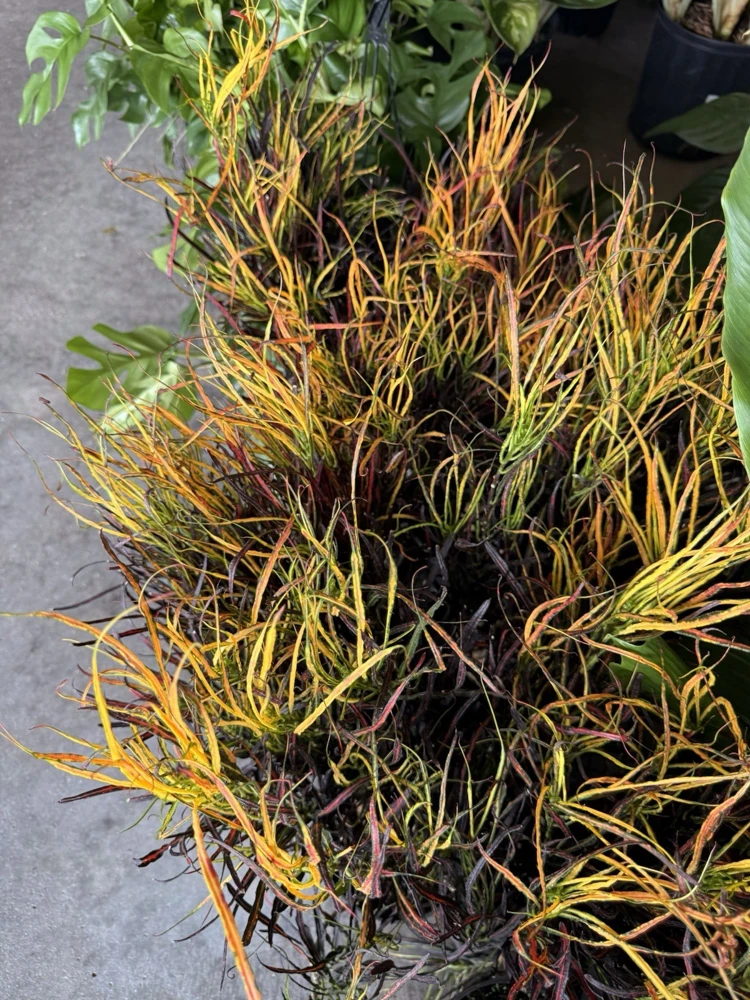
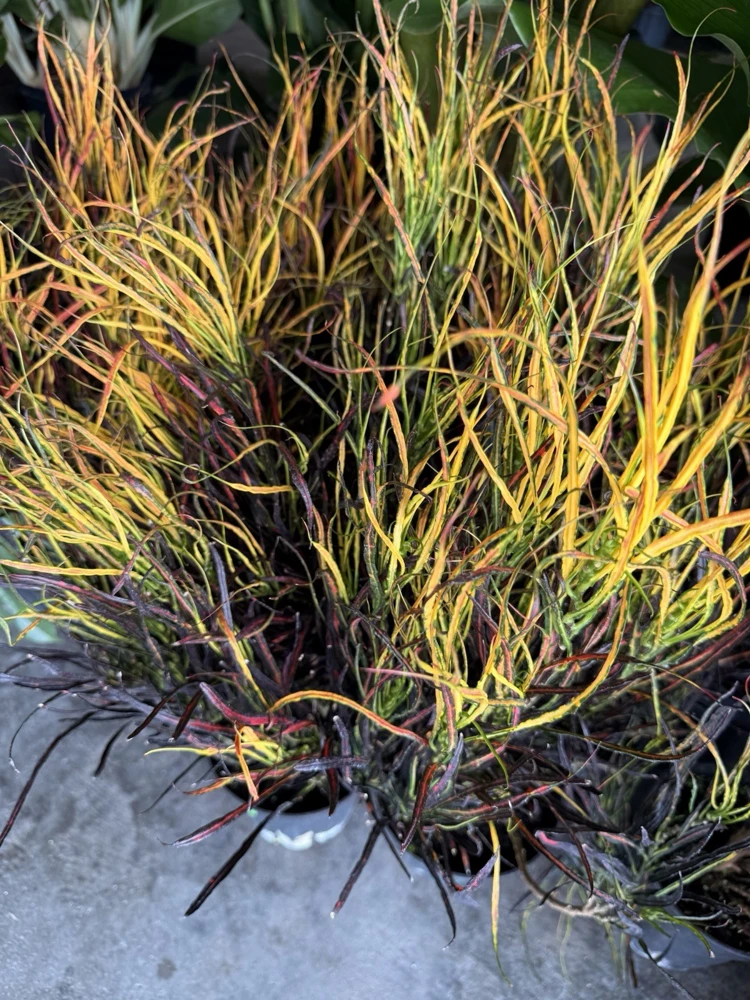
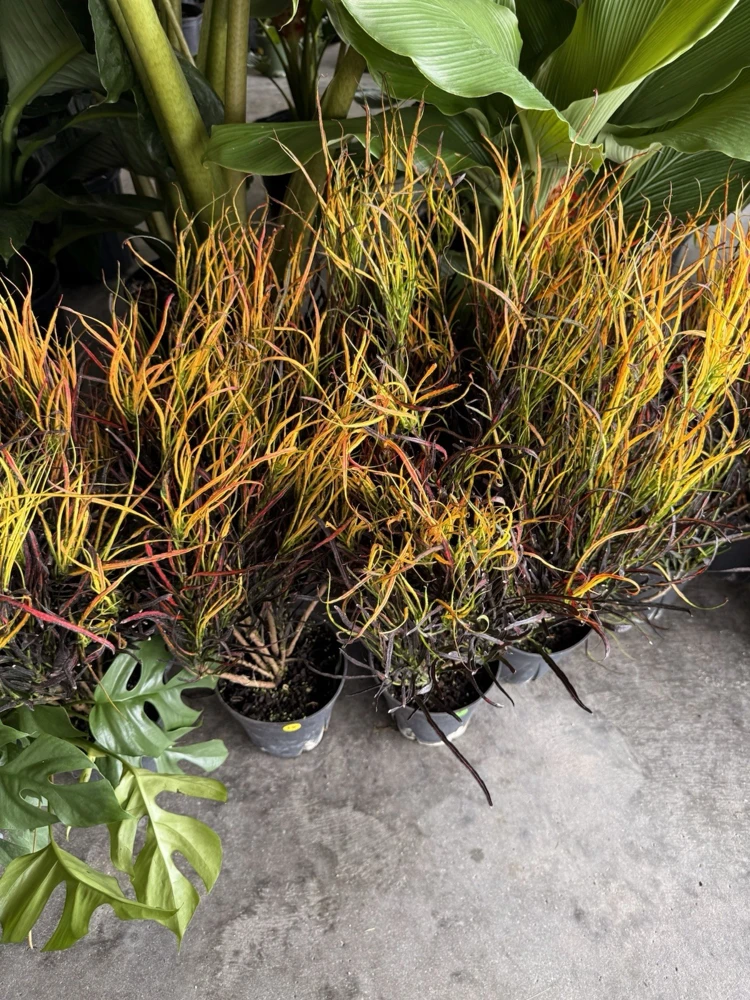
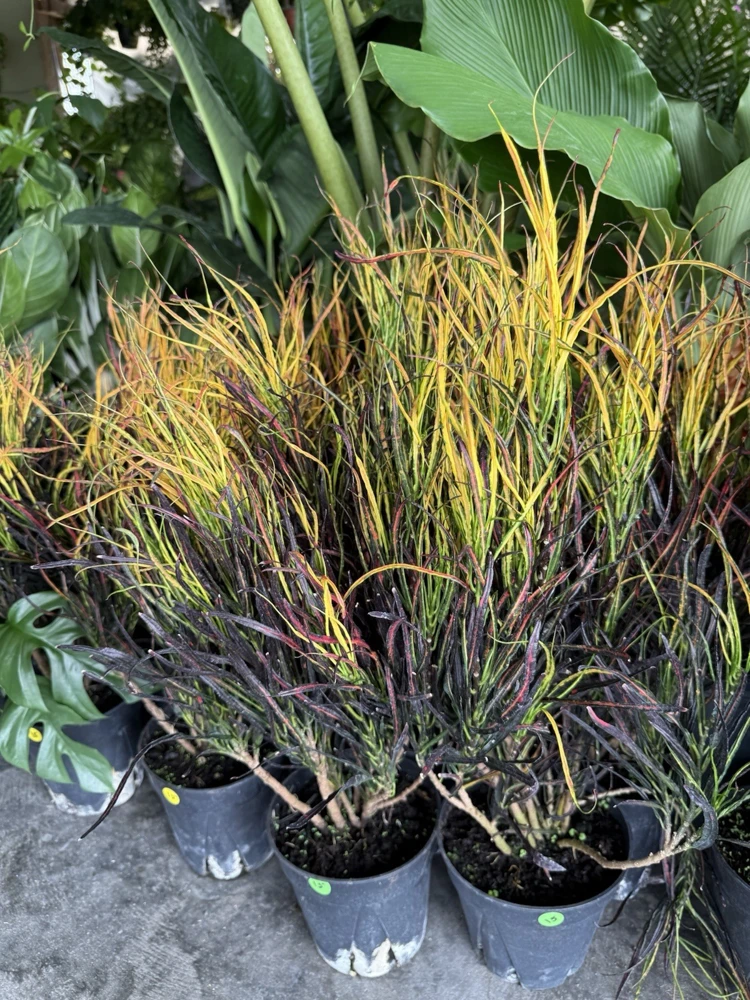
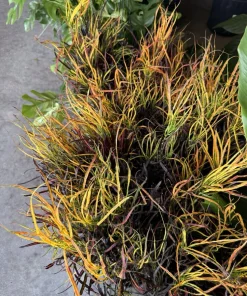

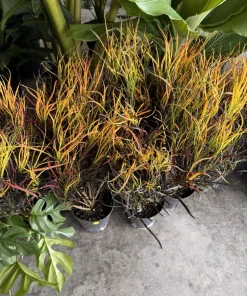

Picasso’s Paintbrush Croton Live Plant – Colorful Codiaeum variegatum Houseplant
Original price was: $60.99.$49.99Current price is: $49.99.
Bring artistic flair to your indoor garden with a Picasso’s Paintbrush Croton live plant. This vibrant Codiaeum variegatum houseplant is celebrated for its striking, multi-colored foliage, offering an exotic touch and brilliant hues to any room. Ideal for adding a pop of color and visual interest.
Estimated arrival
Oct 27
Nov 01 - Nov 03
Nov 06 - Nov 10
Shop With Confidence
30-Day Plant Health Guarantee
Arrives damaged? We’ll replace it free — see our return policy.
Responsive Support
Email us anytime, we reply within 1 business day.
Expert Packaging
Temperature-controlled shipping to protect your plants in transit.
Secure Checkout
Pay safely with Visa, Mastercard, PayPal.
Plant Specifications
-
USDA Hardiness Zone
USDA zones 10-11 (outdoors); suitable for all zones indoors -
Soil Type
Well-draining potting mix, rich in organic matter -
Sunlight Exposure
Bright indirect light -
Expected Planting Period
Year-round indoors
Overview
Immerse your living space in a spectrum of brilliant colors with the exquisite Picasso’s Paintbrush Croton live plant. This stunning specimen, scientifically known as Codiaeum variegatum houseplant, is a true masterpiece of nature, renowned for its incredibly vibrant and diverse foliage. Each leaf is a unique canvas, displaying a mesmerizing blend of green, yellow, orange, red, and even purple, creating an ever-changing display that captivates the eye. Unlike many other houseplants, the Picasso’s Paintbrush Croton doesn’t rely on flowers for its charm; its dramatic leaves are the main attraction, making it a focal point in any indoor setting. This tropical beauty originates from Southeast Asia and the Pacific Islands, where it thrives in warm, humid environments. When brought indoors, it adapts beautifully, bringing a touch of the exotic to your home or office. Its distinctive appearance makes it a popular choice for plant enthusiasts and interior decorators alike, seeking to infuse their spaces with bold, natural artistry.
The colorful croton plant is more than just a pretty face; it’s a living sculpture that evolves with light and time, presenting new color combinations as it grows. The common name, ‘Picasso’s Paintbrush’, perfectly encapsulates the artistic and spontaneous patterns found on its leaves, resembling strokes from a painter’s brush. This particular variety of croton is highly sought after for its unique leaf shape and intense coloration, setting it apart from other croton types. Whether you’re a seasoned plant collector or just beginning your green journey, this croton offers an engaging and rewarding experience. Its ability to thrive indoors makes it an accessible option for anyone wanting to cultivate a vibrant, tropical ambiance without the need for an outdoor garden. Its rich tapestry of colors provides year-round visual interest, ensuring your home remains lively and inviting.
Key Benefits
Introducing a Picasso’s Paintbrush Croton live plant into your home offers a multitude of benefits, transforming your indoor environment with its aesthetic appeal and vibrant energy. This plant is not only a visual delight but also contributes to a more dynamic and engaging living space. Its striking appearance makes it an instant conversation starter and a unique decorative element.
- Stunning Visual Appeal: The primary benefit of this Codiaeum variegatum houseplant is its unparalleled beauty. Its leaves are a riot of colors—greens, yellows, oranges, reds, and even deep purples—creating a constantly evolving natural artwork that enlivens any room.
- Exotic & Tropical Ambiance: With its origins in tropical regions, the croton brings an exotic, lush feel to your home, making any space feel more vibrant and adventurous. It’s perfect for creating a warm, inviting atmosphere.
- Natural Air Purifier: Like many houseplants, crotons contribute to better indoor air quality by absorbing common pollutants and releasing oxygen, promoting a healthier living environment.
- Boosts Mood & Well-being: Studies suggest that being around plants can reduce stress, improve mood, and increase feelings of well-being. The cheerful colors of the colorful croton plant can be particularly uplifting.
- Unique Foliage: Unlike flowering plants, the croton’s appeal lies solely in its incredible foliage. Its distinct leaf patterns and color variations ensure that no two leaves are exactly alike, offering continuous visual interest.
- Versatile Decor Element: Its bold colors allow it to complement a wide range of interior design styles, from modern minimalist to bohemian or eclectic. It can serve as a stunning centerpiece or an accent plant.
- Engaging Growth: Watching the new leaves unfurl and develop their unique coloration is a rewarding experience, providing a sense of connection to nature and the plant’s life cycle.
Plant Care & Growing Tips
Caring for your Picasso’s Paintbrush Croton live plant requires attention to its specific needs, especially regarding light, water, and humidity, to maintain its vibrant coloration. These tropical plants thrive in bright, indirect light. Placing your croton near an east or west-facing window where it can receive several hours of bright, filtered sunlight is ideal. Too little light will result in duller colors and less variegation, while direct, harsh afternoon sun can scorch its delicate leaves. Rotate your plant every few weeks to ensure even growth and color development on all sides. Consistent lighting is key to unlocking the full potential of this Codiaeum variegatum houseplant‘s colorful foliage.
Watering is another critical aspect of croton plant care. Crotons prefer consistently moist, but not waterlogged, soil. Allow the top inch or two of soil to dry out before watering again. Overwatering can lead to root rot, while underwatering can cause leaves to droop and eventually drop. Use a well-draining potting mix to prevent water from sitting at the roots. Humidity is also vital for this tropical plant. Crotons thrive in high humidity, so consider misting the leaves regularly, especially during dry winter months, or placing the pot on a pebble tray filled with water. Fertilize your indoor croton plant every 2-4 weeks during the growing season (spring and summer) with a balanced liquid fertilizer diluted to half strength. Reduce fertilization in fall and winter when growth slows. Crotons prefer temperatures between 60-85°F (15-29°C) and are sensitive to cold drafts, so keep them away from open windows or air conditioning vents.
When it comes to soil, a rich, well-draining potting mix is essential. A mix designed for tropical plants or a general-purpose potting mix amended with perlite or orchid bark for improved drainage works well. Repot your croton every 1-2 years, or when it becomes pot-bound, moving it to a pot that is only slightly larger than its current one. Pruning can help maintain a bushy shape and encourage new growth; simply snip off leggy stems above a leaf node. Watch out for common pests like spider mites, mealybugs, and scale insects, especially in dry conditions. Inspect your plant regularly and treat any infestations promptly with insecticidal soap or neem oil. With proper care, your colorful croton plant will reward you with its stunning, vibrant display for many years.
Size & Details
This Picasso’s Paintbrush Croton live plant is shipped as a healthy, established specimen, ready to bring immediate color and life to your home. While specific dimensions can vary, crotons typically grow to an indoor height of 2-6 feet and a width of 1-3 feet when mature, making them a significant presence in any room. The plant is usually provided in a nursery pot, ready for you to transplant into your decorative container of choice. The growth rate for this Codiaeum variegatum houseplant is considered moderate, allowing you to enjoy its development over time without it becoming unruly too quickly. Its foliage displays a dynamic array of colors that intensify with optimal light conditions.
Upon arrival, your colorful croton plant will be carefully packaged to ensure its safe journey. It is a robust plant, but a short period of adjustment to its new environment is normal. Expect to see new vibrant leaves emerge as it settles in, especially during the spring and summer growing seasons. While it may not bloom with showy flowers, the intricate patterns and intense hues of its leaves more than compensate, providing year-round aesthetic appeal. This croton is primarily grown as an indoor croton plant in most climates but can be enjoyed outdoors in shaded areas during warm summer months in suitable USDA zones. Its unique characteristics make it a standout addition to any plant collection.
Frequently Asked Questions
- Q: How big will my Picasso’s Paintbrush Croton live plant get? A: An indoor croton plant like the Picasso’s Paintbrush Croton typically grows to a height of 2-6 feet and a width of 1-3 feet when mature, depending on growing conditions and pot size. You can prune it to maintain a desired size and shape.
- Q: Is this an indoor or outdoor plant? A: The Picasso’s Paintbrush Croton live plant is primarily grown as an indoor houseplant in most regions. It can be moved outdoors to a shaded location during warm summer months (above 60°F), but it must be brought inside before temperatures drop.
- Q: How much sunlight does a colorful croton plant need? A: This colorful croton plant thrives in bright, indirect light. It needs several hours of filtered sunlight daily to develop its vibrant colors. Too little light will cause the colors to fade, while direct harsh sun can scorch the leaves.
- Q: Is this plant easy to care for? A: While not the easiest houseplant, with consistent care, especially regarding light, water, and humidity, the Codiaeum variegatum houseplant can thrive. It is considered moderately challenging, making it suitable for those with some plant experience or eager beginners.
- Q: What condition will the plant arrive in? A: Your Picasso’s Paintbrush Croton live plant will arrive carefully packaged and in good health, ready for acclimation to its new home. Minor stress from shipping is normal, but the plant will recover quickly with proper care.
- Q: How often should I water my croton plant? A: For optimal croton plant care, water when the top 1-2 inches of soil feel dry to the touch. Ensure the pot has good drainage, as crotons do not like to sit in soggy soil. Reduce watering in cooler months.
- Q: Is the Picasso’s Paintbrush Croton plant toxic to pets? A: Yes, crotons are considered toxic if ingested by pets and humans. It’s best to keep this colorful croton plant out of reach of curious pets and children.
- Q: What type of soil is best for an indoor croton plant? A: A well-draining potting mix rich in organic matter is ideal for an indoor croton plant. You can use a standard houseplant mix or one specifically formulated for tropical plants.
- Q: Why are the colors on my croton fading? A: Fading colors on your Picasso’s Paintbrush Croton live plant are often a sign of insufficient light. Ensure it is receiving enough bright, indirect sunlight to maintain its vibrant variegation.
- Q: Can I propagate my Codiaeum variegatum houseplant? A: Yes, you can propagate your Codiaeum variegatum houseplant through stem cuttings. Take a cutting with several leaves, remove the lower leaves, and place it in water or moist potting mix until roots develop.
Be the first to review “Picasso’s Paintbrush Croton Live Plant – Colorful Codiaeum variegatum Houseplant”
People Also Viewed








Reviews
There are no reviews yet.