
Alocasia Frydek Live Plant – Green Velvet Elephant Ear Houseplant
Original price was: $53.99.$43.99Current price is: $43.99.
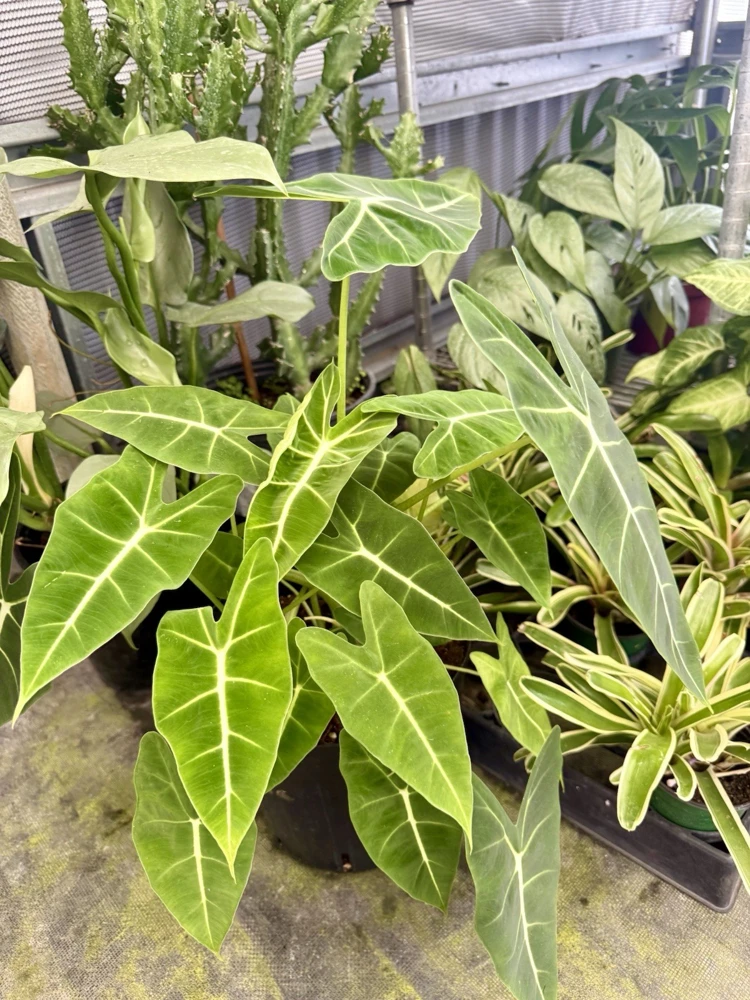
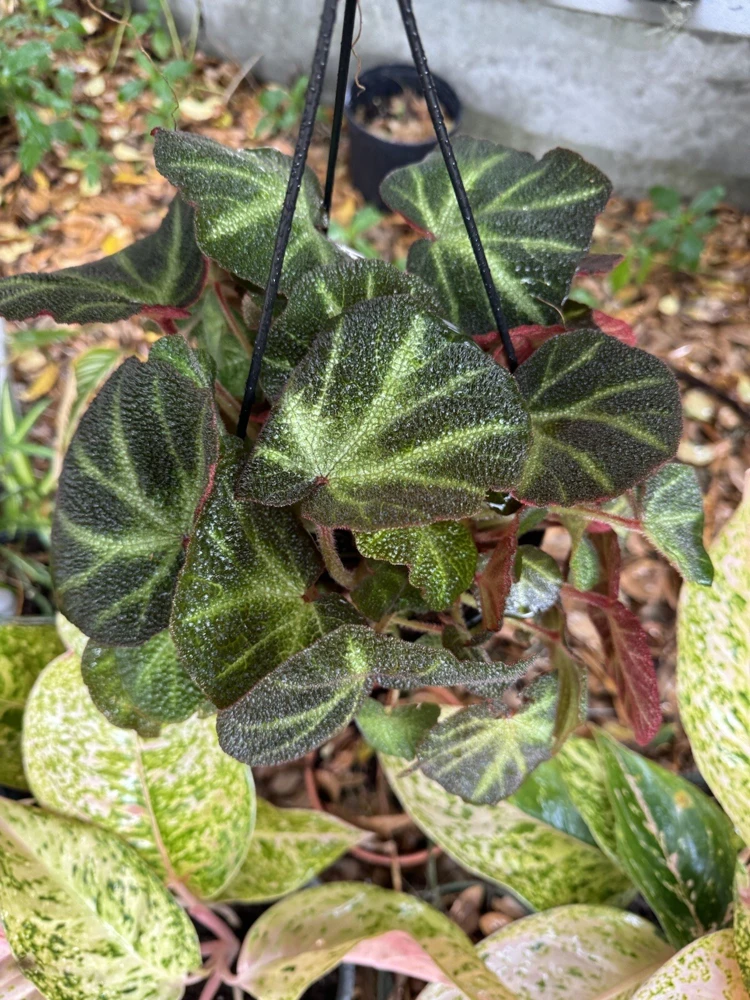
Bring home the exotic beauty of the Alocasia Frydek live plant, also known as green velvet elephant ear. This stunning houseplant features deep green, velvety leaves with striking white veins, perfect for adding a tropical touch to any indoor space.
Estimated arrival
Oct 27
Nov 01 - Nov 03
Nov 06 - Nov 10
Shop With Confidence
30-Day Plant Health Guarantee
Arrives damaged? We’ll replace it free — see our return policy.
Responsive Support
Email us anytime, we reply within 1 business day.
Expert Packaging
Temperature-controlled shipping to protect your plants in transit.
Secure Checkout
Pay safely with Visa, Mastercard, PayPal.
Plant Specifications
-
USDA Hardiness Zone
year-round indoors -
Soil Type
well-draining, airy potting mix -
Sunlight Exposure
bright indirect light -
Expected Planting Period
year-round indoors
Overview
Experience the captivating allure of the Alocasia Frydek live plant, a magnificent botanical specimen renowned for its dramatic foliage. Also affectionately known as green velvet elephant ear, this exquisite plant, scientifically named Alocasia micholitziana ‘Frydek’, is a must-have for any houseplant enthusiast. Its arrow-shaped leaves boast a rich, deep green hue, beautifully contrasted by prominent, silvery-white veins, creating a luxurious velvety texture that is truly mesmerizing. This tropical gem thrives indoors, transforming any room into a lush, vibrant sanctuary. The Alocasia Frydek is not just a plant; it’s a living piece of art, offering a sophisticated touch to your home decor and becoming a focal point in any plant collection. Get ready to elevate your indoor jungle with this stunning and elegant plant.
The Alocasia Frydek live plant is celebrated for its unique aesthetic and ability to bring a piece of the rainforest into your home. Its distinctive leaf shape and coloration make it stand out among other houseplants. Perfect for those looking to add a touch of drama and exotic flair, this plant promises to be a conversation starter and a source of daily joy. Its relatively compact size also makes it suitable for various living spaces, from cozy apartments to spacious homes.
Key Benefits
The Alocasia Frydek live plant offers a multitude of benefits beyond its stunning appearance, enhancing both your living space and your well-being. This exquisite plant is a fantastic addition to any indoor environment.
- Exceptional Decorative Appeal: The deep green, velvety leaves with their striking white veins make the Alocasia Frydek an instant focal point. It adds a sophisticated, tropical elegance to any room, enhancing your interior design with its unique texture and color.
- Air Purification Qualities: Like many houseplants, the green velvet elephant ear contributes to a healthier indoor environment by naturally filtering airborne toxins and improving air quality, promoting a fresher atmosphere.
- Boosts Mood and Reduces Stress: Surrounding yourself with lush greenery, such as the Alocasia micholitziana Frydek, has been shown to reduce stress, improve mood, and increase feelings of well-being, creating a more calming home.
- Unique Foliage Texture: The distinct velvety feel of the leaves is a tactile delight, adding another dimension to its aesthetic appeal and making it a truly special plant to interact with.
- Conversation Starter: Its unusual and beautiful appearance ensures that this plant will capture attention and spark conversations among guests, making it a wonderful addition for entertaining.
- Relatively Compact Growth: While it has a grand appearance, the Alocasia Frydek remains a manageable size for most indoor spaces, allowing it to fit comfortably on shelves, tabletops, or as a floor plant.
- Connection to Nature: Owning a tropical houseplant like the Alocasia Frydek helps foster a connection to the natural world, even if you live in an urban environment, bringing a sense of peace and tranquility.
Plant Care & Growing Tips
Proper indoor Alocasia care is essential to ensure your Alocasia Frydek live plant thrives and maintains its stunning appearance. These tropical beauties prefer specific conditions to truly flourish. For light, they love bright, indirect sunlight. Direct sun can scorch their delicate leaves, so place them near an east or north-facing window, or a few feet back from a south or west-facing one. Aim for at least 6-8 hours of bright, diffused light daily. Too little light can lead to leggy growth and duller leaf coloration.
When it comes to watering, consistency is key, but avoid overwatering. Allow the top 1-2 inches of soil to dry out completely between waterings. Stick your finger into the soil to check moisture levels – if it feels dry, it’s time to water thoroughly until it drains from the bottom. Alocasias are prone to root rot if left in soggy soil. They also appreciate high humidity, so consider using a pebble tray, a humidifier, or grouping them with other plants. A well-draining potting mix is crucial; a blend of peat moss, perlite, and pine bark is ideal. The ideal temperature range for your green velvet elephant ear is between 65-80°F (18-27°C) and they do not tolerate cold drafts or temperatures below 60°F (15°C). Fertilize every 2-4 weeks during the growing season (spring and summer) with a balanced liquid fertilizer diluted to half strength. Reduce feeding in fall and winter. Watch out for common pests like spider mites and mealybugs; regular inspection and wiping down leaves can prevent infestations. This detailed indoor Alocasia care guide will help you keep your plant happy and healthy.
Size & Details
This offering is for a healthy Alocasia Frydek live plant, typically shipped in a nursery pot, ready to be acclimated to your home environment. The plant usually stands between 6-12 inches tall upon arrival, with established roots and several mature leaves, showcasing the characteristic velvety texture and prominent white veins. As it matures, the Alocasia micholitziana Frydek can reach a height of 2-3 feet with a similar spread, creating a magnificent indoor display. Its growth rate is moderate, allowing you to enjoy its development over time. Each plant is carefully selected to ensure quality and vigor, providing you with a beautiful specimen that will continue to grow and flourish with proper indoor Alocasia care. It’s an excellent choice for a statement piece in your plant collection or as a captivating addition to a mixed indoor garden.
Frequently Asked Questions
- Q: How big will my Alocasia Frydek live plant get? A: The Alocasia Frydek live plant typically arrives around 6-12 inches tall. With proper care, it can grow to an impressive size of 2-3 feet tall and wide indoors, making it a substantial and eye-catching houseplant.
- Q: Is this an indoor or outdoor plant? A: The green velvet elephant ear is primarily cultivated as an indoor plant in most climates. It thrives in warm, humid indoor environments and is not frost-tolerant, making it suitable for outdoor placement only in tropical or sub-tropical regions.
- Q: How much sunlight does the Alocasia Frydek need? A: This plant requires bright, indirect light. Direct sunlight can scorch its delicate leaves, so it’s best placed near an east or north-facing window, or in a spot where light is filtered.
- Q: Is the Alocasia Frydek easy to care for? A: While stunning, Alocasia Frydek requires consistent attention to humidity and watering. It’s considered moderately easy to care for, suitable for intermediate plant enthusiasts who can provide its specific environmental needs, especially for optimal indoor Alocasia care.
- Q: What condition will my Alocasia Frydek live plant arrive in? A: Your Alocasia Frydek live plant will arrive carefully packaged, typically in its nursery pot, with established roots and healthy foliage, ready for you to acclimate it to its new home. We ensure it’s protected during transit.
- Q: What kind of soil does the Alocasia micholitziana Frydek prefer? A: The Alocasia micholitziana Frydek thrives in a well-draining, airy potting mix. A blend containing peat moss, perlite, and orchid bark is ideal to provide both moisture retention and proper aeration, preventing root rot.
- Q: Is this plant pet-safe? A: No, Alocasia plants, including the green velvet elephant ear, are considered toxic to pets and humans if ingested. Keep it out of reach of curious pets and children.
- Q: How often should I water my Alocasia Frydek? A: Water your Alocasia Frydek live plant when the top 1-2 inches of soil feel dry to the touch. This usually translates to once a week, but can vary based on humidity, light, and season. Always ensure good drainage.
- Q: Will this plant help purify the air in my home? A: Yes, like many houseplants, the Alocasia Frydek live plant contributes to improved indoor air quality by absorbing certain common airborne toxins, making your living space healthier.
- Q: What’s the minimum temperature this tropical houseplant can tolerate? A: The Alocasia Frydek live plant is a tropical species and is sensitive to cold. It should not be exposed to temperatures below 60°F (15°C) and prefers a warmer environment between 65-80°F (18-27°C).
Be the first to review “Alocasia Frydek Live Plant – Green Velvet Elephant Ear Houseplant”
People Also Viewed
Vegetable Seeds
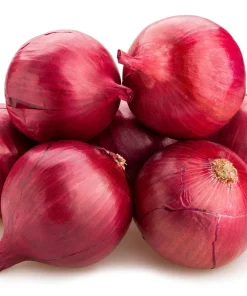
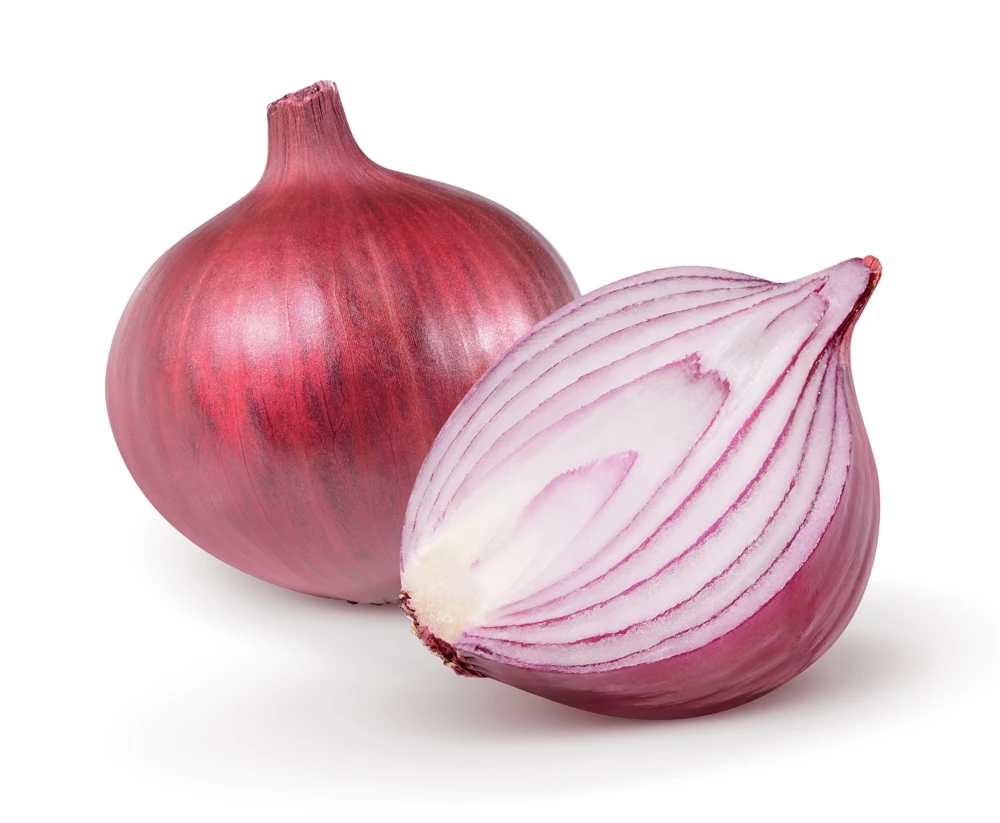
250 Red Burgundy Onion Allium Cepa Vegetable Seeds for Planting
Reviews
There are no reviews yet.