
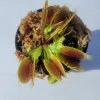
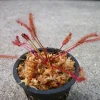
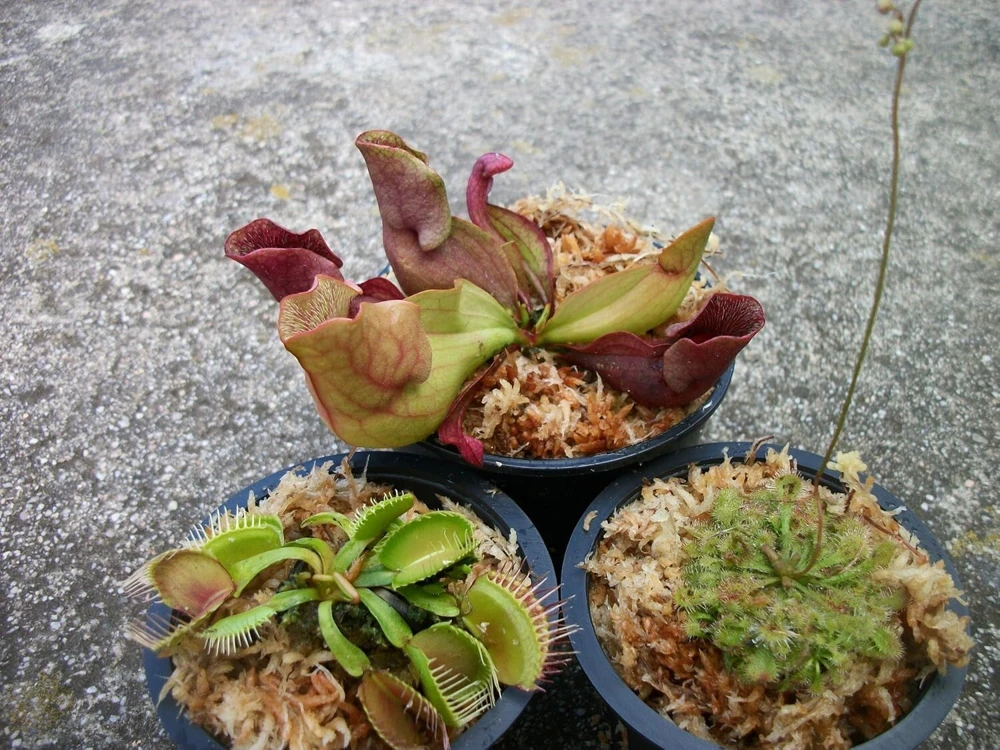
3 Carnivorous Plants Live Set – Venus Fly Trap, Pitcher Plant, Sundew
Original price was: $101.98.$79.99Current price is: $79.99.
Bring the fascination of nature indoors with this carnivorous plant set. This collection includes a Venus Fly Trap live, a Pitcher Plant, and a Sundew, offering unique beauty and natural pest control. Ideal for collectors and beginners alike.
Estimated arrival
Oct 25
Oct 30 - Nov 01
Nov 04 - Nov 08
Shop With Confidence
30-Day Plant Health Guarantee
Arrives damaged? We’ll replace it free — see our return policy.
Responsive Support
Email us anytime, we reply within 1 business day.
Expert Packaging
Temperature-controlled shipping to protect your plants in transit.
Secure Checkout
Pay safely with Visa, Mastercard, PayPal.
Plant Specifications
-
USDA Hardiness Zone
9 (20 to 30 °F) -
Soil Type
Peat moss & perlite/sand mix -
Sunlight Exposure
Full Sun -
Expected Planting Period
Year-round indoors
Overview
Embark on a captivating botanical journey with this exquisite carnivorous plant set. This collection features three distinct and highly sought-after carnivorous species: the iconic Venus Fly Trap, the elegant Pitcher Plant, and the mesmerizing Sundew. Each plant in this live set is a marvel of natural adaptation, designed by evolution to thrive by capturing insects. Perfect for both seasoned enthusiasts and curious beginners, these plants offer an engaging display of nature’s ingenuity right in your home or garden. Cultivating live carnivorous plants provides a unique opportunity to observe their fascinating feeding mechanisms up close, adding an exotic touch to any plant collection. This diverse trio ensures a dynamic and educational experience, showcasing different trapping methods and growth habits.
Our carnivorous plant set is carefully curated to provide a healthy start for these unique specimens. Each plant is selected for its vitality and readiness to thrive in a suitable environment. The Venus Fly Trap, scientifically known as Dionaea muscipula, is famous for its snapping traps. The Pitcher Plant, often from the Sarracenia or Nepenthes genus, lures insects into its deep pitchers, while the Sundew (Drosera species) entraps prey with its glistening, sticky tentacles. This combination offers a comprehensive introduction to the world of predatory flora, making it an excellent gift or a personal indulgence for those who appreciate the unusual and beautiful.
Key Benefits
This unique carnivorous plant set offers numerous advantages for plant lovers, combining aesthetic appeal with fascinating biological functions.
- Natural Pest Control: These plants are not just decorative; they actively help control small insects like gnats and fruit flies in your home or conservatory, providing an eco-friendly solution to common household pests. Observing them in action is a truly captivating experience.
- Educational & Engaging: Perfect for all ages, this set provides a living lesson in botany and adaptation. Watching a Venus Fly Trap live snap shut or a Sundew’s sticky dew glisten is endlessly fascinating, making it an excellent educational tool for children and adults.
- Unique Aesthetic Appeal: Each plant possesses distinct and striking features. The vibrant colors of the Pitcher Plant, the intricate traps of the Venus Fly Trap, and the shimmering tentacles of the Sundew create a visually stunning display unlike any other houseplant.
- Low Maintenance (with specific care): While they have particular needs, once their basic requirements for light, water, and soil are met, live carnivorous plants are surprisingly self-sufficient and require less frequent attention than many other houseplants.
- Conversation Starter: These exotic plants are sure to capture attention and spark conversations. Their unusual nature and active trapping mechanisms make them a focal point in any room or garden setting.
- Diversity in Trapping Mechanisms: The set includes three different types of traps (snap, pitcher, and sticky dew), offering a diverse showcase of carnivorous plant evolution and function.
- Suitable for Terrariums & Bog Gardens: Many carnivorous plant set species thrive in high-humidity environments, making them ideal candidates for creating beautiful and functional terrariums or outdoor bog gardens in appropriate climates.
Plant Care & Growing Tips
Caring for your carnivorous plant set requires specific conditions to ensure their health and vitality. These plants thrive in conditions that mimic their natural boggy habitats. Sunlight is paramount; they generally require 6+ hours of direct sunlight daily for robust growth and vibrant coloration. An east-facing window is excellent for morning sun, but full sun exposure is ideal when possible, especially for the Venus Fly Trap and Pitcher Plant. If growing indoors, a strong LED grow light can supplement natural light, ensuring they receive enough intensity to trigger their carnivorous mechanisms and maintain health.
Watering is critical and must be done with distilled water, reverse osmosis water, or rainwater. Tap water contains minerals that can harm carnivorous plants over time. Keep the soil consistently moist, never allowing it to dry out completely. A common method is the tray method, where pots sit in a tray of about an inch of water. This mimics their boggy environment and ensures constant moisture. The soil type should be a nutrient-poor, acidic mix, typically a blend of peat moss and perlite or horticultural sand. Never use regular potting soil, as its nutrients will kill these plants. The ideal soil pH is acidic, typically between 4.0 and 5.5.
These plants prefer temperate climates and thrive in USDA Hardiness Zone 9 (20 to 30 °F) when grown outdoors. However, they can be grown successfully indoors in any zone with proper care. Fertilization is generally not required and can be detrimental, as these plants get their nutrients from insects. If they are not catching enough prey, you can occasionally feed them small insects or a specialized carnivorous plant food diluted significantly. The Sundew plant care involves maintaining high humidity and consistent moisture to keep its sticky tentacles active. Watch out for common pests like aphids or mealybugs, which can be gently removed or treated with an appropriate, carnivorous-plant-safe insecticide. Ensure good air circulation to prevent fungal issues.
Size & Details
This carnivorous plant set typically arrives as small, healthy live plants, ready for transplanting into your chosen acidic soil mix. Each plant will vary slightly in size, but generally, the Venus Fly Trap and Sundew will be approximately 1-3 inches in diameter, while the Pitcher Plant may have pitchers ranging from 2-5 inches in height upon arrival. The exact dimensions depend on the species and growth stage. These plants are shipped in a form suitable for safe transit, often bare-rooted or in small nursery pots with minimal soil to prevent damage. With proper care, they exhibit a moderate growth rate, gradually increasing in size and developing more traps or pitchers over several months. Expect the Venus Fly Trap to reach a mature size of 4-6 inches in diameter and the Pitcher Plant to develop larger, more prominent pitchers, while the Sundew will expand its rosette of sticky leaves. This collection provides a fantastic foundation for a thriving carnivorous plant display.
Frequently Asked Questions
- Q: How big does this carnivorous plant set get? A: The Venus Fly Trap typically reaches 4-6 inches in diameter at maturity. Pitcher Plants can vary greatly by species, but those in this set generally develop pitchers 5-12 inches tall. Sundews form rosettes that can be 2-6 inches across.
- Q: Is this an indoor or outdoor plant? A: This carnivorous plant set can thrive both indoors and outdoors, depending on your climate. They require significant light, so if grown indoors, a bright, sunny windowsill or grow light is essential. Outdoors, they do best in bog gardens or pots in USDA zones 9 and above.
- Q: How much sunlight does it need? A: All plants in this carnivorous plant set require at least 6 hours of direct sunlight per day to produce strong, vibrant traps and pitchers. Southern-facing windows are ideal indoors, or a full sun location outdoors.
- Q: Is this plant easy to care for? A: While they have specific requirements for water and soil, once these are met, live carnivorous plants are relatively straightforward to care for. The key is using distilled water and a proper peat-based soil mix.
- Q: What condition will it arrive in? A: Your carnivorous plant set will arrive as healthy, live plants, carefully packaged to ensure safe transit. They may be shipped bare-rooted or in small nursery pots, ready for you to pot them in their permanent home.
- Q: Can I feed my carnivorous plants meat? A: No, you should never feed carnivorous plants meat or human food. Their digestive systems are adapted for insects. If you feel the need to feed them, use small, live insects or a specialized carnivorous plant fertilizer.
- Q: When is the best time to plant? A: These plants can be potted any time of year when grown indoors. If growing outdoors in a bog garden, spring is generally the best time after the last frost.
- Q: What’s the minimum temperature these plants can tolerate? A: The plants in this carnivorous plant set are generally temperate species. They can tolerate temperatures down to about 20-30°F (USDA Zone 9) during their dormancy period, but protection from hard freezes is recommended.
- Q: What kind of water should I use for Sundew plant care? A: For all plants in this set, including the Sundew, always use distilled water, reverse osmosis water, or rainwater. Tap water contains minerals that can harm them over time.
- Q: Are these plants safe for pets? A: While generally considered non-toxic, it’s always best to prevent pets from ingesting any houseplants. The traps and pitchers are not designed to harm larger animals.
Be the first to review “3 Carnivorous Plants Live Set – Venus Fly Trap, Pitcher Plant, Sundew”
People Also Viewed
Reviews
There are no reviews yet.