
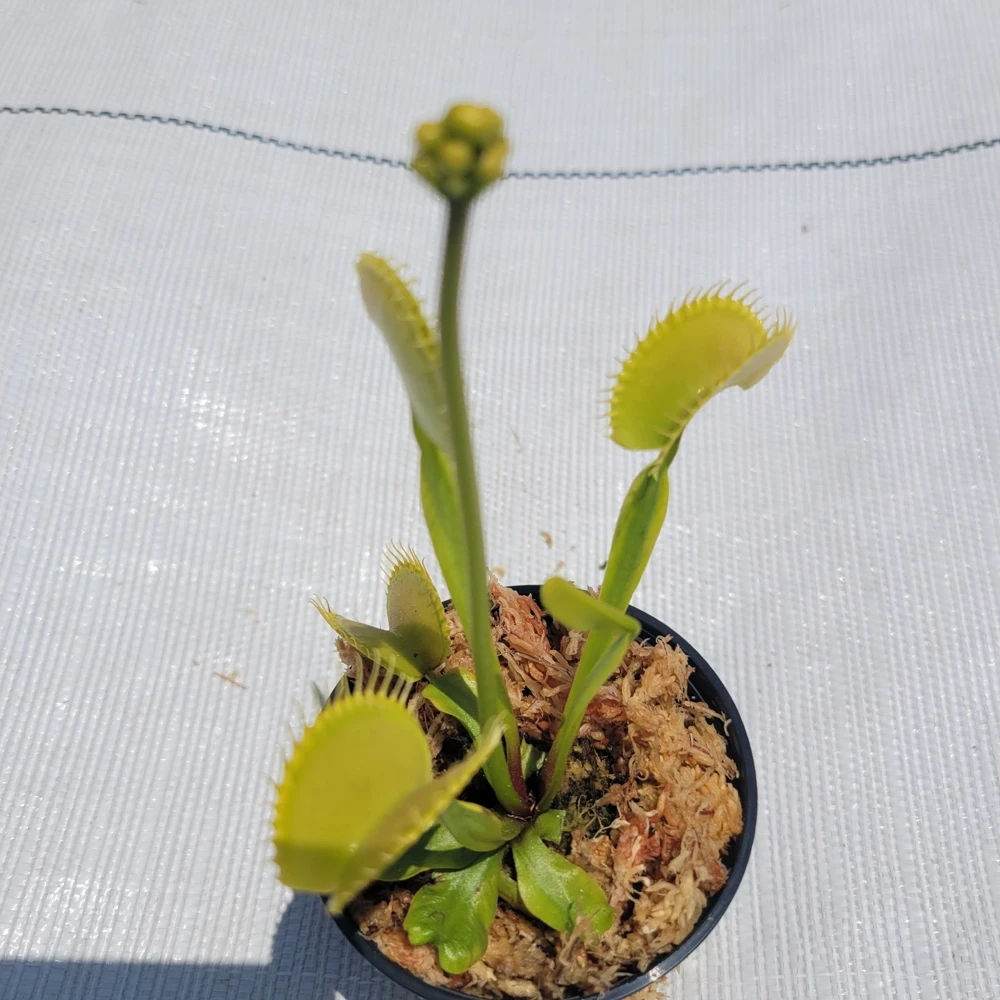
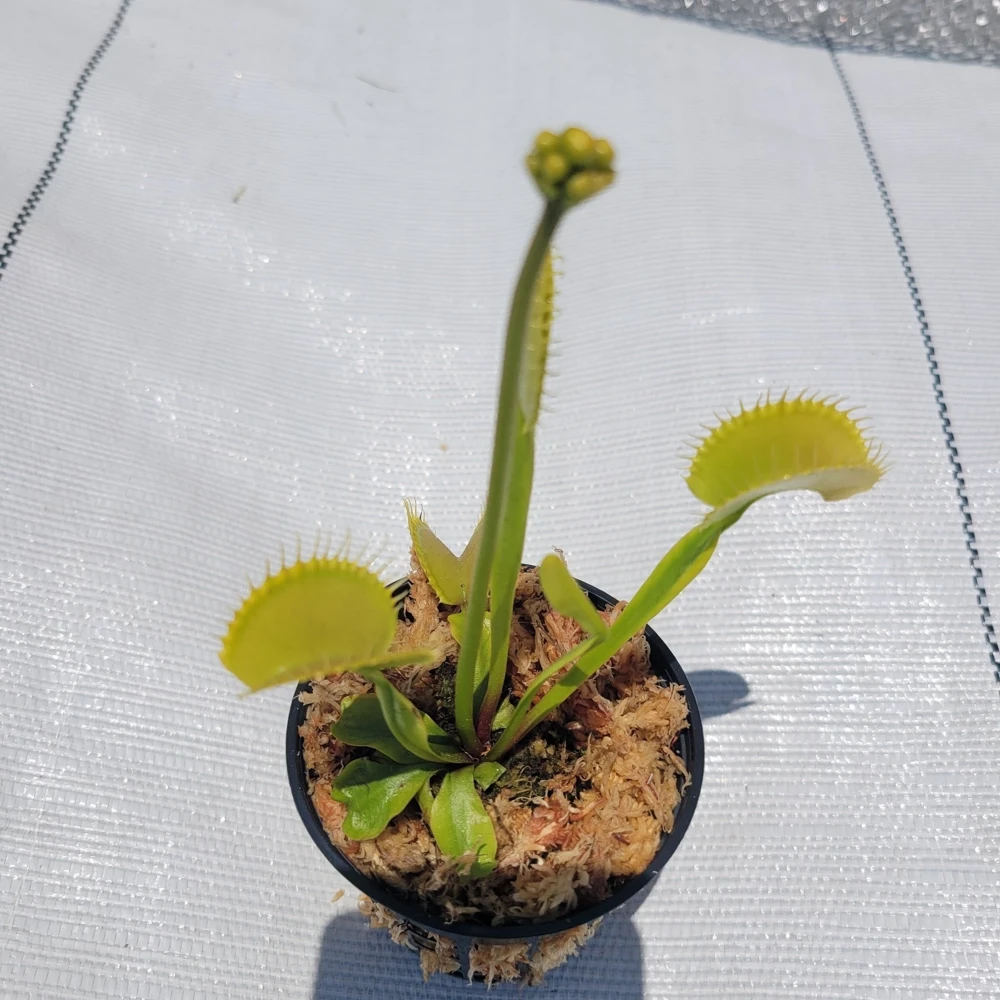
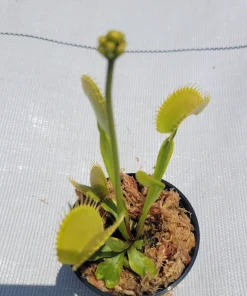
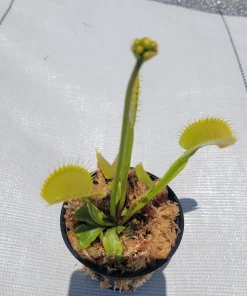
Large ‘Towering Giant’ Venus Flytrap Live Plant – Indoor & Outdoor
Original price was: $52.48.$38.99Current price is: $38.99.
Bring home the impressive towering giant venus flytrap, a captivating carnivorous live plant known for its large, insect-catching traps. Perfect for both indoor and outdoor environments, this unique plant adds a touch of natural wonder to any collection. Easy to grow and fascinating to observe.
Estimated arrival
Oct 25
Oct 30 - Nov 01
Nov 04 - Nov 08
Shop With Confidence
30-Day Plant Health Guarantee
Arrives damaged? We’ll replace it free — see our return policy.
Responsive Support
Email us anytime, we reply within 1 business day.
Expert Packaging
Temperature-controlled shipping to protect your plants in transit.
Secure Checkout
Pay safely with Visa, Mastercard, PayPal.
Plant Specifications
-
USDA Hardiness Zone
9 (20 to 30 °F) -
Soil Type
Peat moss and perlite/sand mix (acidic) -
Sunlight Exposure
Full Sun -
Expected Planting Period
Year-round indoors, spring to summer outdoors
Overview
Introduce a truly remarkable specimen to your plant collection with the towering giant venus flytrap. This isn’t just any ordinary plant; it’s a dynamic, insect-eating marvel that captivates with its unique feeding mechanism. Known scientifically as Dionaea muscipula, the Venus Flytrap is one of the most iconic carnivorous plants, and the ‘Towering Giant’ cultivar lives up to its name with larger, more robust traps. Each dionaea muscipula plant is a live, healthy specimen, ready to thrive in your care. Its vibrant green foliage and impressive traps make it a focal point in any indoor or outdoor setting, offering both aesthetic appeal and a natural pest control solution. This fascinating plant is a testament to nature’s ingenuity, providing endless entertainment as it performs its predatory dance.
Cultivating a large flytrap plant is a rewarding experience, suitable for both seasoned plant enthusiasts and curious beginners. The ‘Towering Giant’ variety is celebrated for its vigorous growth and substantial traps, which are larger than those of typical Venus Flytraps. These plants are native to subtropical wetlands on the East Coast of the United States, making them well-adapted to specific growing conditions that are easily replicated in a home environment. Embrace the unique world of carnivorous flora with this exceptional and engaging plant.
Key Benefits
The towering giant venus flytrap offers a multitude of benefits beyond its captivating appearance. This extraordinary plant is an excellent addition to any home or garden.
- Natural Pest Control: Say goodbye to bothersome insects! The Venus Flytrap is a highly effective natural predator, actively trapping and consuming flies, mosquitoes, and other small pests, contributing to a healthier living environment without the need for harsh chemicals.
- Educational & Fascinating: Observing the traps snap shut in response to prey is an educational and endlessly entertaining spectacle. It’s a fantastic way to introduce children and adults alike to the wonders of botany and the unique adaptations of carnivorous plants.
- Unique Decorative Accent: With its striking appearance and active nature, a dionaea muscipula plant serves as an unparalleled decorative element. It adds an exotic and intriguing touch to windowsills, desks, or outdoor bog gardens, drawing attention and sparking conversation.
- Low Maintenance for Specific Conditions: While they have specific needs, once those are met, Venus Flytraps are surprisingly low-maintenance. They thrive with consistent conditions, making them a straightforward choice for dedicated plant parents.
- Improved Air Quality: Like many plants, the Venus Flytrap contributes to better air quality by converting carbon dioxide into oxygen, making your indoor space fresher and more inviting.
- Encourages Plant Parenthood: Caring for a large flytrap plant fosters a deeper connection to nature and encourages responsible plant care, building confidence in gardening skills.
- Pet-Safe & Child-Safe: This non-toxic carnivorous plant is safe to have around children and pets, offering peace of mind while still providing an intriguing natural display.
Plant Care & Growing Tips
Caring for your towering giant venus flytrap is straightforward once you understand its specific requirements, which mimic its natural wetland habitat. The most crucial factor is providing the right kind of water and ample sunlight. Venus Flytraps require distilled water, reverse osmosis water, or rainwater; tap water’s dissolved minerals can be harmful over time. Water heavily, ensuring the soil remains consistently moist but not waterlogged. A common method is to place the pot in a tray of about an inch of water, allowing the plant to absorb it from the bottom. This ensures the necessary humidity and moisture levels for your carnivorous plant care.
When it comes to sunlight, your dionaea muscipula plant craves bright, direct light. Aim for at least 4-6 hours of direct sunlight per day. If growing indoors, a south-facing window is ideal, or you may need to supplement with a strong grow light to ensure robust growth and vibrant trap coloration. Outdoors, they thrive in full sun conditions. The USDA Hardiness Zone for Venus Flytraps is typically 7-9, meaning they can tolerate mild winters in these regions, often going dormant. During dormancy, reduce watering and ensure the plant experiences cooler temperatures. The soil type is critical: use a mix of peat moss and perlite or horticultural sand, avoiding any soil with added fertilizers or minerals. Fertilization is generally not needed, as the plant obtains nutrients from the insects it catches. If it’s not catching enough insects naturally, you can occasionally feed it small, live insects.
Monitor your large flytrap plant for any signs of distress, such as traps turning black excessively (a few turning black after catching prey is normal) or stunted growth. This often indicates insufficient light or incorrect water. Repotting should be done every 1-2 years, preferably in early spring, to refresh the soil medium. Ensure the pot has drainage holes to prevent root rot. With proper attention to these specific needs, your venus flytrap for sale will flourish, displaying its impressive traps and unique predatory behavior for years to come.
Size & Details
The towering giant venus flytrap is a robust live plant, known for its significantly larger traps compared to standard varieties. When mature, its traps can reach an impressive size, making insect capture more efficient and the plant even more visually striking. This plant typically grows to a compact size, usually between 4 to 6 inches in diameter, but its individual traps are notably larger. It thrives when shipped as a healthy, established plant, carefully packaged to ensure its safe arrival and immediate integration into your home or garden. The growth rate is moderate, with new traps continually forming throughout the growing season.
This dionaea muscipula plant is supplied ready to plant in its ideal medium, typically a peat moss and perlite blend, ensuring it has the perfect foundation for growth. It is a perennial, meaning it will return year after year with proper care, often entering a dormant phase during cooler months. Expect to receive a vibrant green specimen with active traps, ready to begin its fascinating life in your care. Its deciduous nature means some foliage may die back in winter, only to return with renewed vigor in the spring, showcasing the resilience of this unique carnivorous plant care marvel.
Frequently Asked Questions
- Q: How big does this plant get? A: The towering giant venus flytrap typically grows to a compact size of about 4-6 inches in diameter, but its individual traps are notably larger than those of standard Venus Flytraps, making it a very impressive specimen.
- Q: Is this an indoor or outdoor plant? A: This dionaea muscipula plant is suitable for both indoor and outdoor environments. It thrives indoors with ample direct sunlight and proper humidity, and outdoors in bog gardens or pots in USDA Zones 7-9.
- Q: How much sunlight does it need? A: The ‘Towering Giant’ Venus Flytrap requires a minimum of 4-6 hours of direct sunlight per day. For indoor growing, a south-facing window is ideal, or provide supplemental grow lighting for best results.
- Q: Is this plant easy to care for? A: While Venus Flytraps have specific care requirements, especially regarding water type and sunlight, they are considered relatively easy to care for once those conditions are met. Consistent watering with distilled or rainwater is key for successful carnivorous plant care.
- Q: What condition will it arrive in? A: Your large flytrap plant will arrive as a live, healthy, and well-established plant, carefully packaged to ensure it reaches you in excellent condition, ready for planting or placement.
- Q: Can I feed my Venus Flytrap hamburger or other human food? A: No, you should never feed your Venus Flytrap human food or meat. It can harm the plant. They are adapted to digest insects only, which provide specific nutrients.
- Q: How long until it blooms? A: Mature venus flytrap for sale plants typically produce a flower stalk in late spring or early summer. Many growers choose to cut the flower stalk to conserve the plant’s energy for trap growth.
- Q: What type of water should I use for my Venus Flytrap? A: Always use distilled water, reverse osmosis water, or rainwater. Tap water contains minerals that can build up in the soil and eventually kill the plant.
- Q: Is this plant pet-safe and child-safe? A: Yes, the Venus Flytrap is non-toxic and considered safe for both pets and children. However, it’s always best to supervise interactions to prevent damage to the plant.
- Q: What’s the best soil for a Venus Flytrap? A: The best soil mix is typically an unfertilized blend of peat moss and perlite or horticultural sand. Avoid standard potting soil as it contains nutrients and minerals harmful to carnivorous plants.
Be the first to review “Large ‘Towering Giant’ Venus Flytrap Live Plant – Indoor & Outdoor”
People Also Viewed
Uncategorized
Reviews
There are no reviews yet.