
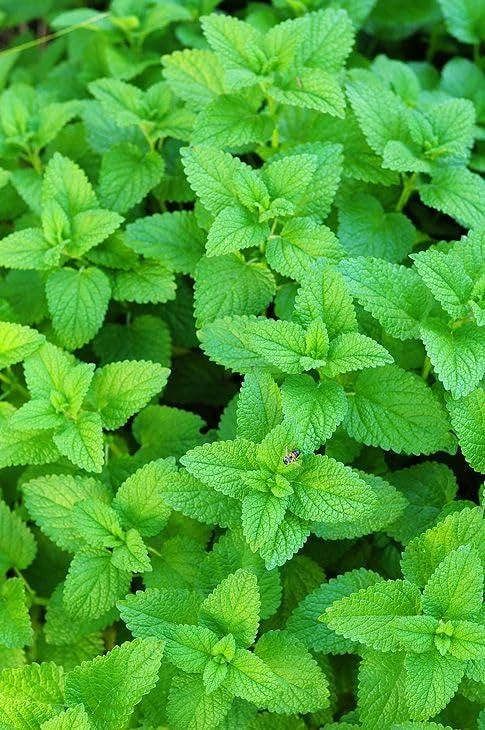
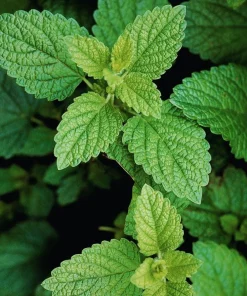
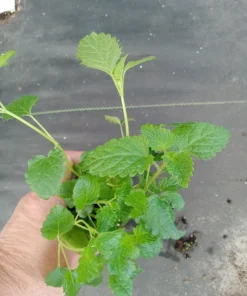
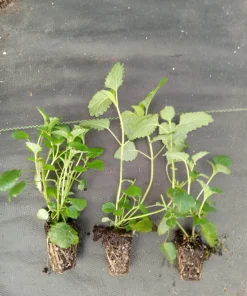
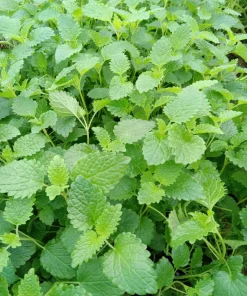
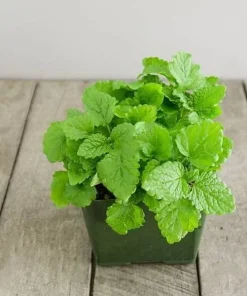
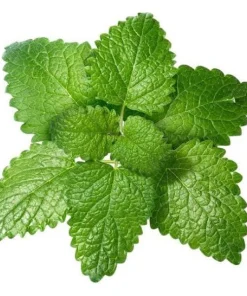
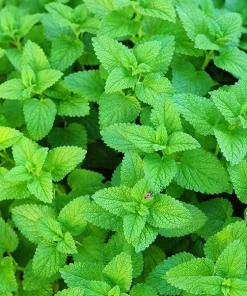
Lemon Balm Live Plants (3 Pack) – 5-8 Inches Tall – Culinary & Medicinal Herb
Original price was: $54.40.$29.40Current price is: $29.40.
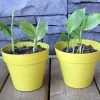
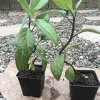
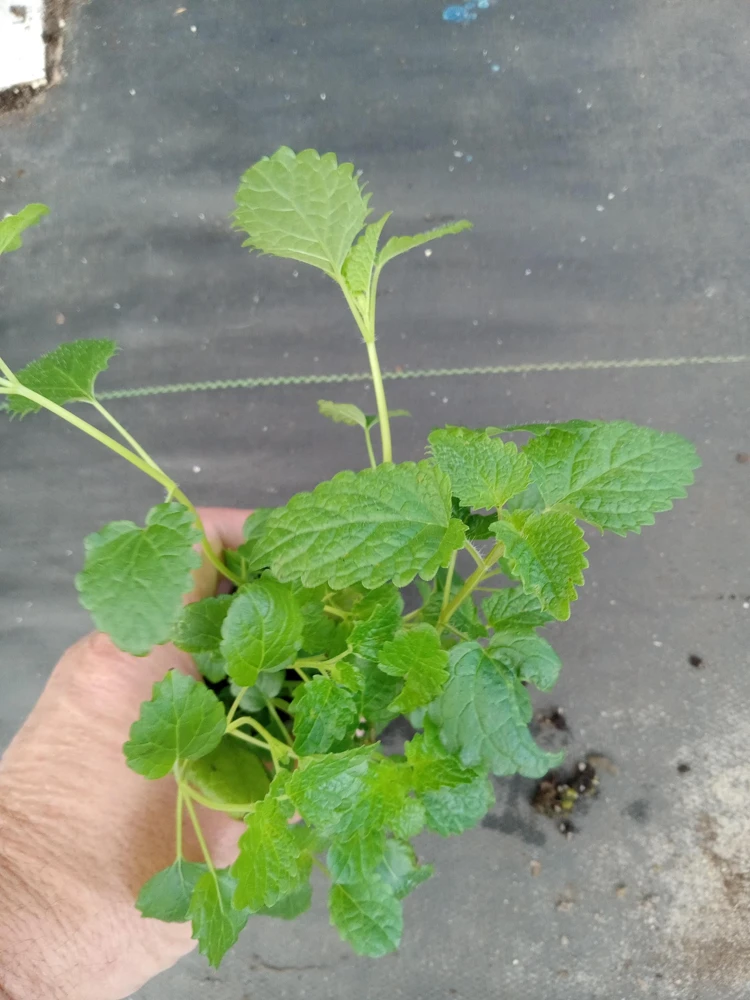
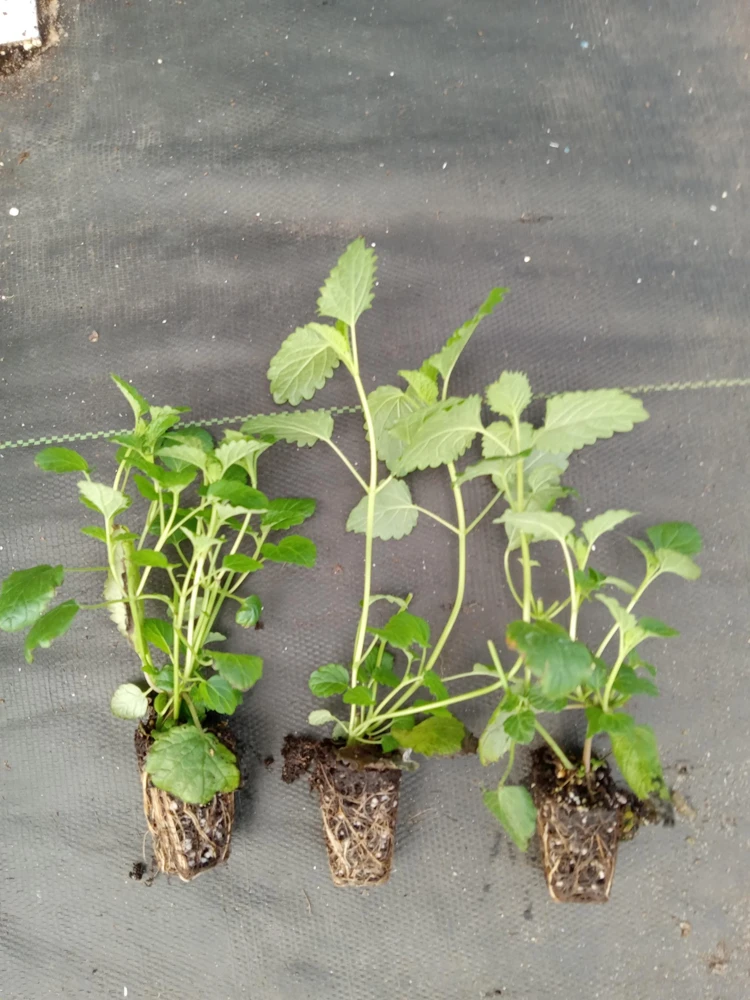
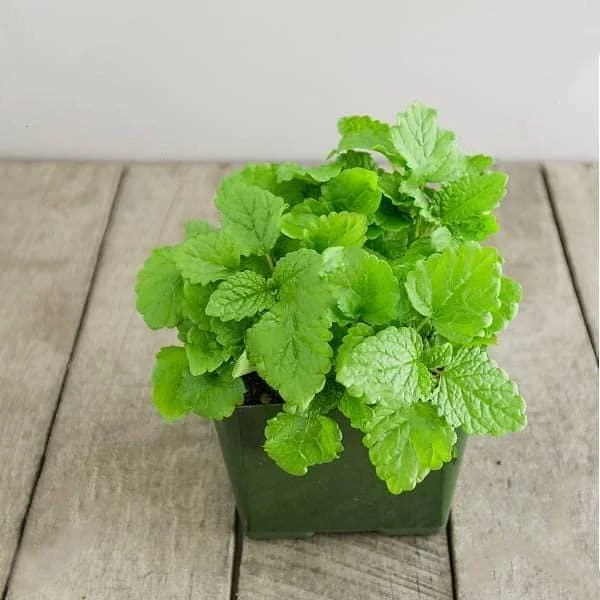
Cultivate your own aromatic and versatile lemon balm live plant with this convenient pack of 3. Each plant measures 5-8 inches tall, ready for planting in your garden or containers. Enjoy its refreshing citrus scent for teas, culinary dishes, and aromatherapy, offering both flavor and relaxation.
Estimated arrival
Oct 25
Oct 30 - Nov 01
Nov 04 - Nov 08
Shop With Confidence
30-Day Plant Health Guarantee
Arrives damaged? We’ll replace it free — see our return policy.
Responsive Support
Email us anytime, we reply within 1 business day.
Expert Packaging
Temperature-controlled shipping to protect your plants in transit.
Secure Checkout
Pay safely with Visa, Mastercard, PayPal.
Plant Specifications
-
USDA Hardiness Zone
USDA Zones 4-9 -
Soil Type
Well-draining soil -
Sunlight Exposure
Full to partial sun -
Expected Planting Period
Spring to early summer (outdoors), year-round (indoors)
Overview
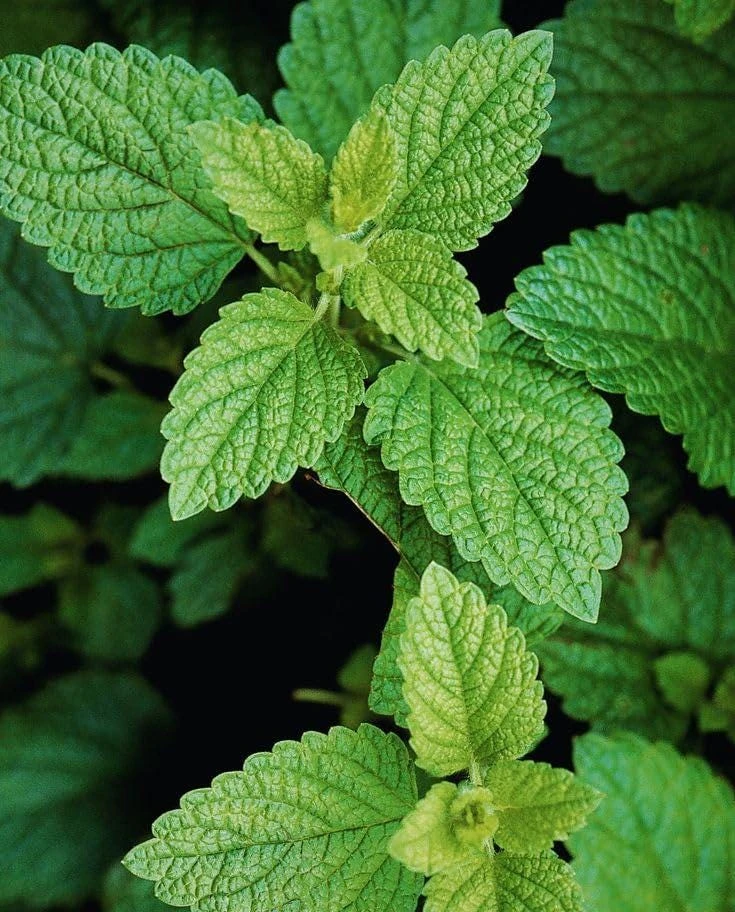
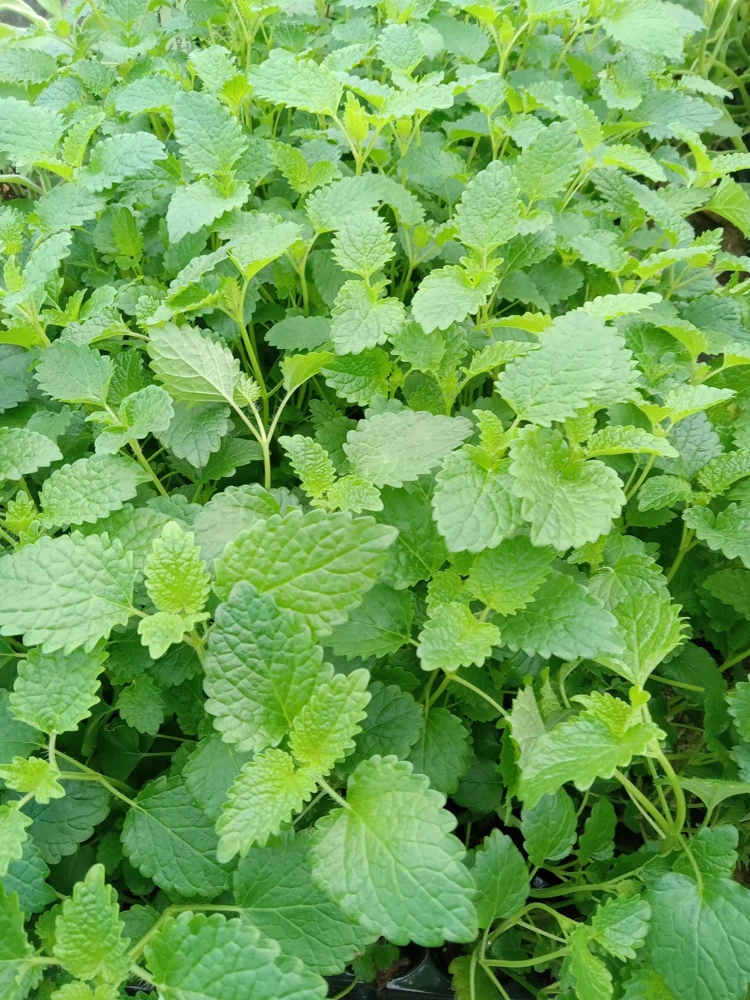
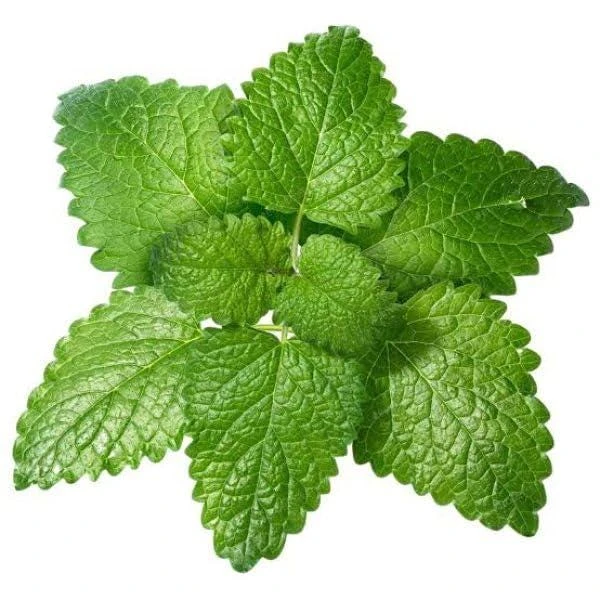
Discover the joy of growing your own fragrant herbs with this pack of 3 lemon balm live plant specimens. Each plant measures between 5-8 inches tall, arriving healthy and ready to thrive in your garden or container. Lemon balm (Melissa officinalis) is a beloved perennial herb known for its vibrant green leaves and refreshing citrusy aroma, reminiscent of lemons with a hint of mint. This versatile herb is a must-have for any home gardener, offering a wide array of uses from enhancing culinary creations to providing soothing benefits in aromatherapy and natural wellness. These lemon balm live plant specimens are shipped bare root in eco-friendly packaging, ensuring they establish quickly in their new home.
Originating from Southern Europe, the Mediterranean region, and Central Asia, lemon balm has been cultivated for centuries for its appealing scent and purported medicinal properties. It’s often referred to as the ‘calming herb’ due to its traditional use in promoting relaxation and reducing stress. Easy to grow and low maintenance, these plants are perfect for beginners and experienced gardeners alike, promising a continuous supply of fresh, homegrown goodness.
Key Benefits
Integrating lemon balm live plant into your garden or home offers numerous advantages, from its delightful sensory appeal to its practical applications in daily life. This herb is more than just a pretty face; it’s a powerhouse of flavor and wellness.
- Aromatic & Flavorful: Enjoy the refreshing citrus scent and taste that vibrant green lemon balm leaves provide. Ideal for infusing teas, adding zest to salads, desserts, and various culinary dishes.
- Culinary Versatility: A fantastic addition to your kitchen, enhancing the flavor profile of countless recipes. Use it fresh in drinks, as a garnish, or dried for longer storage and use in baking or herbal blends.
- Medicinal & Wellness Uses: Widely recognized for its calming properties. It’s often used in herbal teas and remedies to support relaxation, alleviate stress, aid digestion, and promote overall well-being.
- Easy to Grow & Low Maintenance: This drought-tolerant, pollinator-friendly herb thrives with minimal intervention. It adapts well to various conditions, making it an excellent choice for gardeners of all skill levels.
- Attracts Pollinators: Its subtle flowers are attractive to bees, butterflies, and other beneficial pollinators, contributing to a healthier garden ecosystem.
- Thrives in Gardens & Containers: Whether you have a spacious garden bed, a small patio, or even an indoor setting, these lemon balm live plant specimens are perfect. They grow beautifully in raised planters and pots, allowing flexibility in placement.
- Perennial Growth: Hardy in USDA Zones 4-9, this perennial herb returns year after year, providing a continuous, reliable supply of fresh leaves without the need for annual replanting.
Plant Care & Growing Tips
Caring for your lemon balm live plant is straightforward, making it an excellent choice for both novice and experienced gardeners. This robust herb is quite forgiving and, with proper care, will provide you with an abundant harvest. It thrives in a variety of conditions, but understanding its preferences will ensure the healthiest and most prolific growth.
For optimal growth, plant your lemon balm live plant in a location that receives full to partial sun. Full sun (6+ hours of direct sunlight) will encourage denser foliage and a stronger aroma, while partial sun (4-6 hours) is also acceptable, especially in hotter climates where it can protect the plant from intense afternoon sun. When it comes to soil, growing lemon balm prefers well-drained soil. A standard good quality potting mix enriched with some compost works perfectly in containers. In garden beds, ensure the soil isn’t waterlogged; amending heavy clay soils with organic matter can improve drainage significantly. This herb is not overly fussy about pH but generally prefers a neutral to slightly acidic range.
Once established, lemon balm is quite drought-tolerant and requires minimal watering. Water thoroughly when the top inch of soil feels dry to the touch, then allow it to dry out slightly before the next watering. Overwatering can lead to root rot. Fertilization is generally not heavily needed for this vigorous grower. A light application of a balanced, all-purpose organic fertilizer in spring can boost growth, but avoid over-fertilizing as it can reduce the intensity of the plant’s essential oils. This perennial herb is hardy in USDA Zones 4-9, meaning it can withstand cold winters and return each spring. In colder zones, mulching can provide extra protection. Pruning regularly, especially after flowering, will encourage bushier growth and prevent the plant from self-seeding prolifically, which can make it invasive in some garden settings. Regular harvesting of leaves also acts as a form of pruning, promoting new growth and a continuous supply of fresh leaves. Keep an eye out for common garden pests, though lemon balm is generally resilient; treat any infestations promptly with organic pest control methods.
Size & Details
This offering includes a pack of 3 healthy lemon balm live plant specimens, each ranging from 5 to 8 inches in height upon arrival. These plants are shipped bare root, a method that minimizes transplant shock and allows them to establish quickly in their new environment. Bare root plants are carefully packaged to maintain moisture during transit, ensuring they arrive fresh and ready for immediate planting. When mature, lemon balm typically grows to a height of 18-24 inches and spreads similarly, forming a bushy, attractive mound of foliage. It’s a fast-growing herb that will quickly fill out its space, providing ample leaves for harvest. Expect to begin harvesting leaves within a few weeks of successful planting, and the plant will continue to produce throughout the growing season.
Frequently Asked Questions
- Q: How big will my lemon balm plants get? A: Each lemon balm live plant will arrive between 5-8 inches tall. When mature, they typically grow to about 18-24 inches in height and spread, forming a lovely bushy plant.
- Q: Is this an indoor or outdoor plant? A: Lemon balm thrives both indoors and outdoors. It’s perfect for garden beds, raised planters, and containers on a patio, or can be grown indoors in a sunny window for year-round enjoyment.
- Q: How much sunlight does it need? A: For best results, your lemon balm live plant prefers full to partial sun. This means at least 4-6 hours of direct sunlight daily. In very hot climates, partial shade during the hottest part of the day is beneficial.
- Q: What condition will the plants arrive in? A: Your lemon balm live plant pack will arrive bare root in eco-friendly packaging. This ensures the plants are fresh and ready for immediate planting upon arrival, minimizing stress during transit.
- Q: Can I use lemon balm in cooking and for tea? A: Absolutely! Melissa officinalis benefits include its wonderful citrusy flavor, making it excellent for teas, salads, desserts, and other culinary creations. It’s also widely used for its calming properties.
- Q: When is the best time to plant these lemon balm plants? A: The best time to plant your lemon balm live plant is in spring after the last frost, or in early fall. If growing indoors, you can plant them any time of the year.
- Q: Is this plant easy to care for? A: Yes, growing lemon balm is known for being very easy and low-maintenance. It’s drought-tolerant and adaptable, making it suitable for gardeners of all experience levels.
- Q: Will it survive winter in my zone? A: Lemon balm is hardy in USDA Zones 4-9, meaning it’s a perennial that will typically die back in winter and regrow from its roots in spring in these zones. In colder zones, it can be grown as an annual or brought indoors.
- Q: How often should I water my lemon balm? A: Water your lemon balm live plant when the top inch of soil feels dry. It prefers well-drained soil and is quite drought-tolerant once established, so avoid overwatering.
- Q: What are the benefits of buying lemon balm plants instead of seeds? A: Buying buy lemon balm plants ensures a faster start and quicker harvest compared to growing from seeds, as the plants are already established and have a head start.
Be the first to review “Lemon Balm Live Plants (3 Pack) – 5-8 Inches Tall – Culinary & Medicinal Herb”
People Also Viewed
Reviews
There are no reviews yet.