



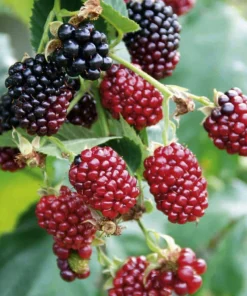
Boysenberry Live Plant – Fruit Berry Bush for Home Garden, Easy Grow
Original price was: $62.80.$37.80Current price is: $37.80.
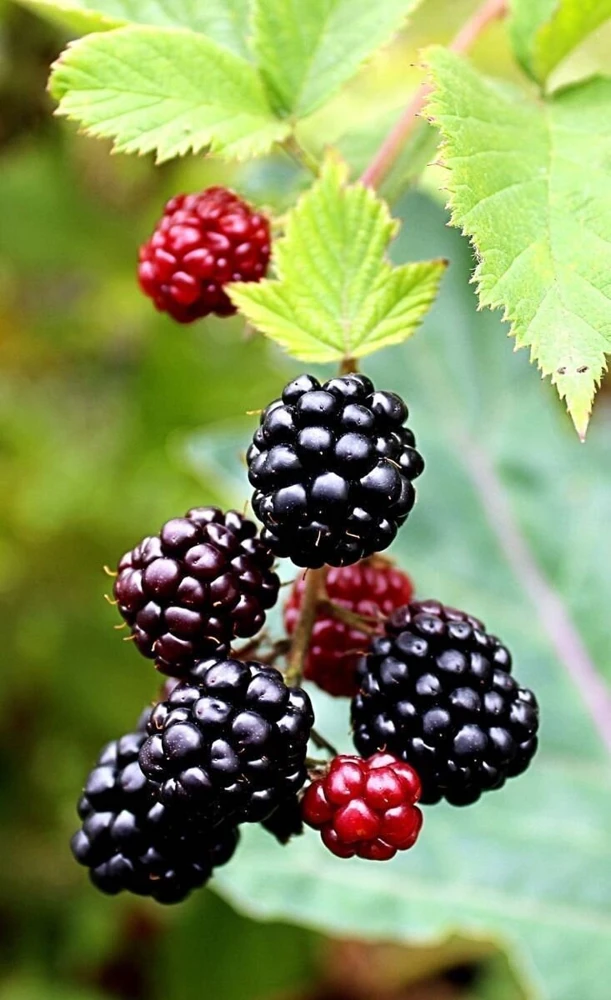
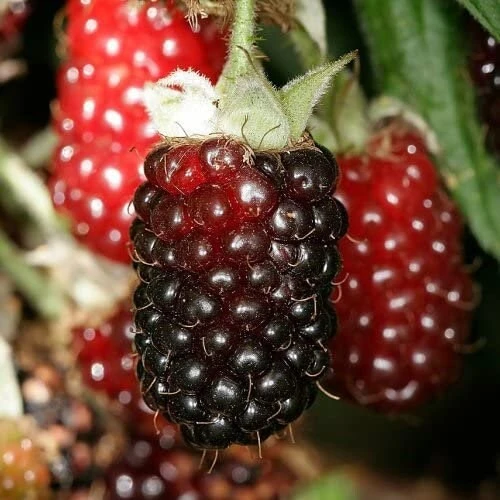
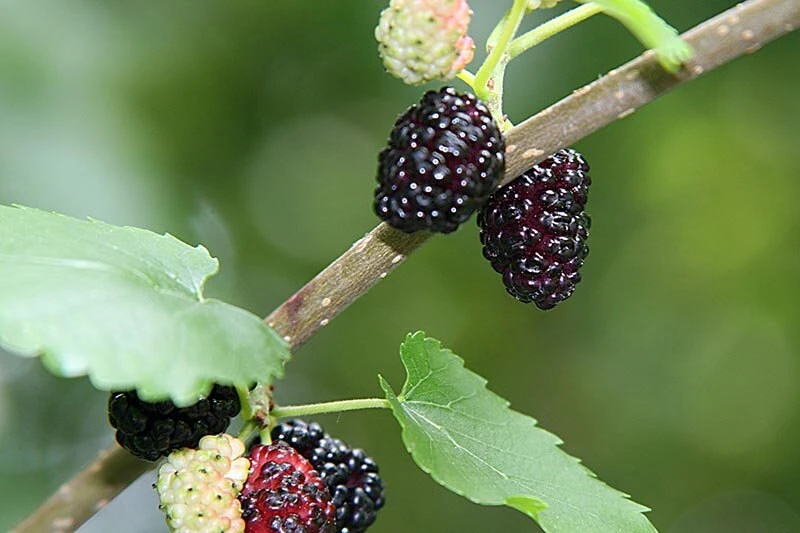
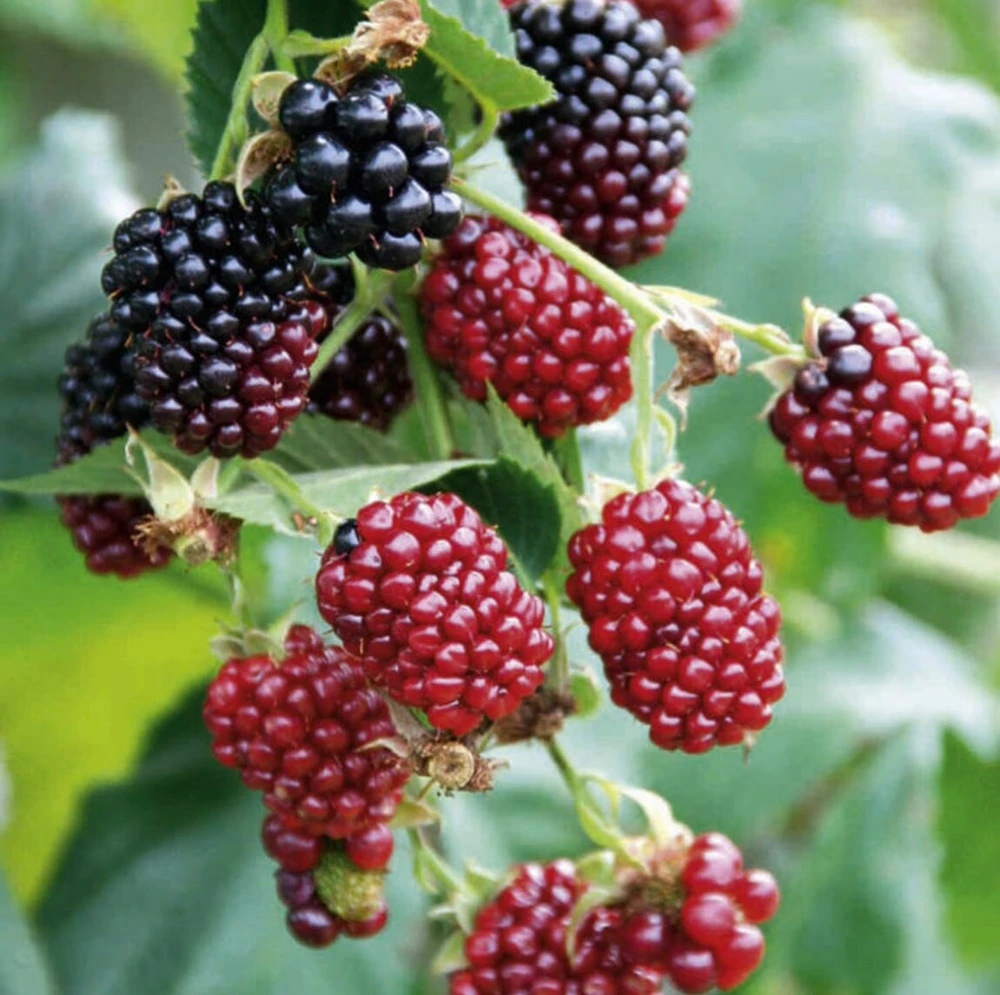
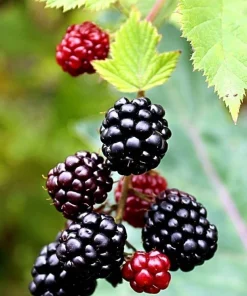
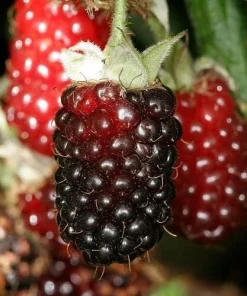
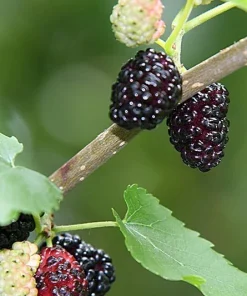
Cultivate your own fresh, sweet, and juicy boysenberry live plant. This productive berry bush offers a unique flavor blend of loganberry, raspberry, and blackberry. Perfect for home gardens, it’s easy to grow and produces abundant, rich, wine-colored fruit ideal for pies, jellies, and fresh snacking.
Estimated arrival
Oct 25
Oct 30 - Nov 01
Nov 04 - Nov 08
Shop With Confidence
30-Day Plant Health Guarantee
Arrives damaged? We’ll replace it free — see our return policy.
Responsive Support
Email us anytime, we reply within 1 business day.
Expert Packaging
Temperature-controlled shipping to protect your plants in transit.
Secure Checkout
Pay safely with Visa, Mastercard, PayPal.
Plant Specifications
-
USDA Hardiness Zone
unknown (requires winter protection below 5°F) -
Soil Type
deep, well-drained, fertile soil -
Sunlight Exposure
full sun to partial shade -
Expected Planting Period
late winter to early spring
Overview
Bring the joy of fresh, homegrown berries to your backyard with this robust boysenberry live plant. A delightful hybrid berry, boysenberries offer a unique and complex flavor profile, combining the best characteristics of loganberries, raspberries, and blackberries. This live plant arrives ready to thrive in your home garden, promising bountiful harvests of rich, wine-colored fruit. Known for their sweetness and juiciness, boysenberries are a fantastic addition to any edible landscape, providing a continuous supply of delectable berries for several months. They are remarkably easy to grow and highly productive, making them a favorite among gardeners seeking a rewarding fruit-bearing plant.
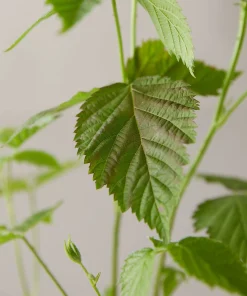
The boysenberry live plant is an excellent choice for both novice and experienced gardeners. Its vigorous growth and adaptability allow it to flourish in various conditions, yielding abundant fruit with minimal effort. Imagine plucking your own fresh boysenberries, bursting with flavor, directly from your garden. This fruit tree live plant is not only a source of delicious food but also an attractive addition to your outdoor space, with its lush foliage and vibrant berries. Get ready to enjoy the unparalleled taste of homegrown boysenberries, far superior to anything you can find in a store.
Key Benefits
Adding a boysenberry live plant to your garden offers numerous advantages, from culinary delights to ease of cultivation. These benefits make it an excellent investment for any home gardener:
- Exceptional Flavor: Enjoy a unique and complex taste that blends loganberry, raspberry, and blackberry notes. The berries are incredibly sweet and juicy, perfect for fresh eating or culinary creations.
- Culinary Versatility: Boysenberries are renowned for making the best pies, jellies, and preserves. Their rich flavor and vibrant color enhance any dessert or breakfast spread.
- Thornless Canes: Many varieties of boysenberries are thornless, making harvesting a much more pleasant experience. This feature also simplifies pruning and general care of your boysenberry bush.
- High Productivity: These plants are easily grown and incredibly productive, yielding plentiful harvests for over two months during the growing season. You’ll have an abundance of berries to enjoy and share.
- Easy to Grow: Boysenberries are surprisingly low-maintenance and can thrive in most well-drained soil types. They are versatile and hardy, adapting well to various garden settings.
- Disease Resistance: Generally robust plants, boysenberries exhibit good resistance to common berry diseases, ensuring a healthier plant and more consistent yields.
- Space-Saving Growth: These plants can be trained to trellises or fences, allowing them to fit into smaller garden spaces while still producing a significant amount of fruit.
Plant Care & Growing Tips
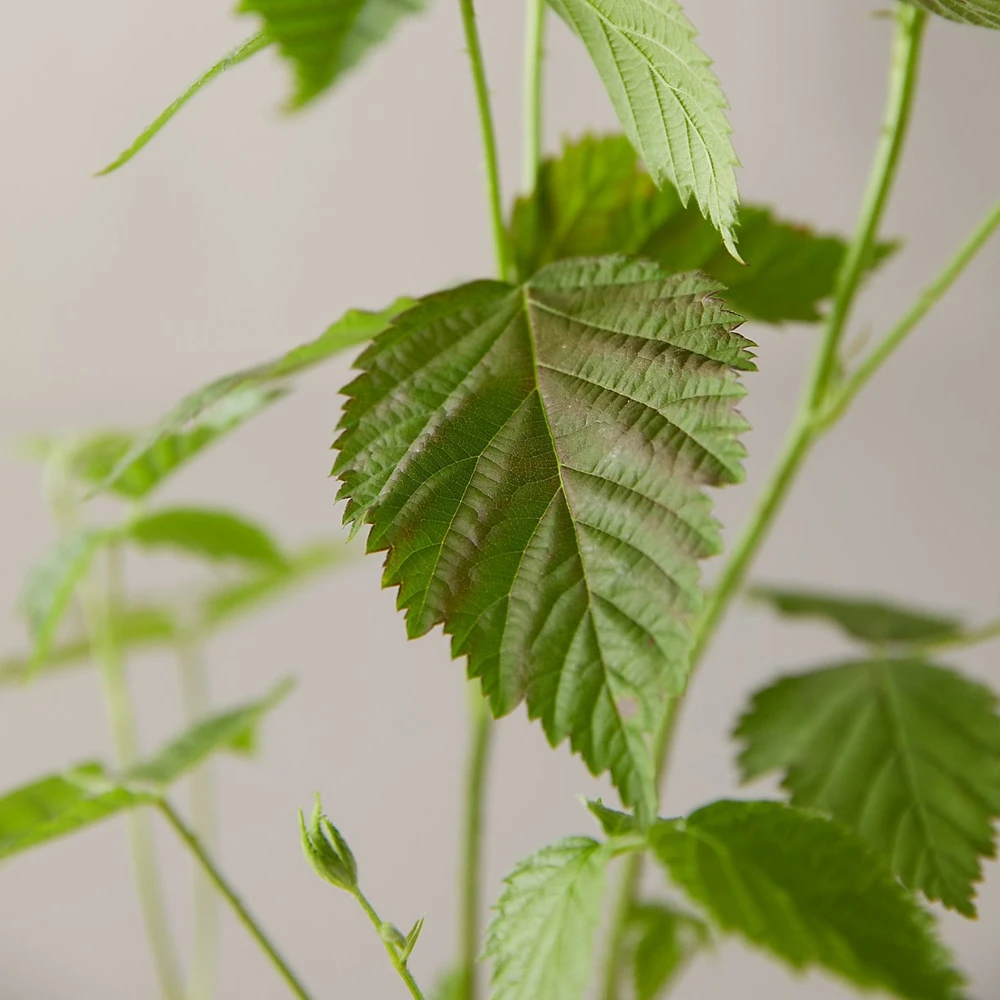
To ensure your boysenberry live plant thrives and produces abundant fruit, consistent care is essential. Boysenberries prefer a deep, well-drained, and fertile soil. When planting, dig a hole large enough to accommodate the roots without bending or circling. Set the plant so the crown (where roots meet stem) is about 1-2 inches below the soil surface, then cover with soil and water thoroughly. Fertilize at the time of planting to give your new plant a strong start. They are versatile and hardy, capable of thriving in most soil types, even in colder climates where other cane fruits might struggle.
Moderate moisture is crucial, especially when the berries are growing and ripening. Regular watering, ensuring the soil remains evenly moist but not waterlogged, will contribute to healthier plants and more plentiful harvests. Allow the boysenberry canes to grow to a height of 18-30 inches the first year, then prune a few inches to encourage a stocky, upright bush. This structural support will help the plant hold a crop without extensive trellising, though training them to a trellis or fence can be beneficial for organization and ease of picking. For those wondering how to grow boysenberries successfully, consistent pruning and watering are key.
While boysenberries are relatively hardy, they do require winter protection in areas where temperatures drop below 5°F. Mulching around the base of the plant can help insulate the roots. With proper care, your boysenberry live plant will yield delicious, luscious berries for many years. This robust fruit tree live plant is an excellent addition for anyone looking to enjoy fresh, organic fruit from their own garden. Consider this a superb option if you’re looking for a productive and relatively easy-to-manage fruit bush.
Size & Details
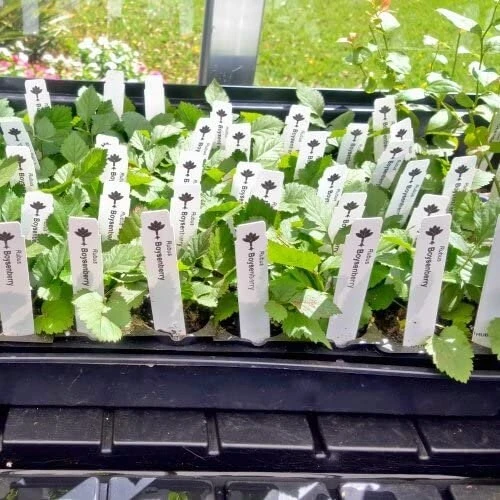
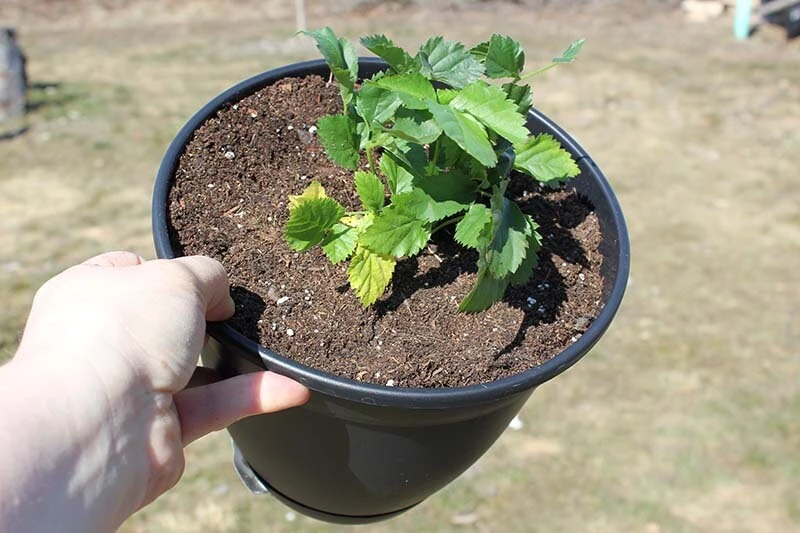
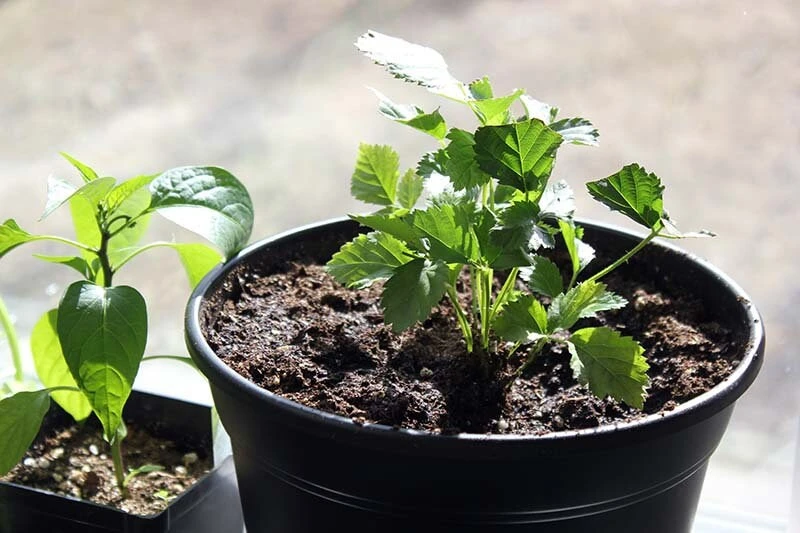
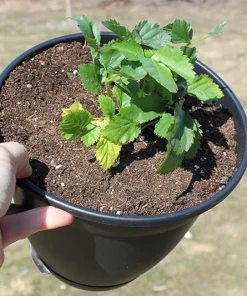
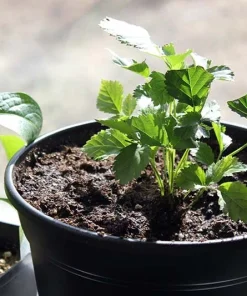
This offering is for a boysenberry live plant, typically shipped as a starter plant in a planter pot, ready for transplanting into your garden. While specific dimensions may vary, starter plants are generally well-rooted and of a size suitable for immediate planting upon arrival. Boysenberry canes can grow quite vigorously, reaching heights of 18-30 inches in their first year. With proper pruning and training, they develop into substantial bushes capable of supporting heavy fruit loads. They are known for their rapid growth rate, allowing you to enjoy your first harvests relatively quickly.
The boysenberry bush will produce rich, luscious, wine-colored berries with a distinct flavor profile. These plants typically bear fruit on 2-year old wood, with everbearing varieties also producing on first-year wood. Expect plentiful harvests over two months once established. This makes it an ideal fruit tree live plant for continuous enjoyment throughout the summer season. The plant is shipped with care to ensure it arrives healthy and ready to thrive in its new home.
Frequently Asked Questions
- Q: How big does a boysenberry live plant get? A: A boysenberry live plant can grow canes 18-30 inches tall in its first year. With proper training and pruning, it will form a productive bush that can be managed to fit your garden space, often trained on trellises or fences.
- Q: Is this an indoor or outdoor plant? A: Boysenberries are primarily outdoor plants, thriving in full sun to partial shade in garden settings. They are not typically grown as indoor plants due to their size and light requirements.
- Q: How much sunlight does a boysenberry bush need? A: For optimal fruit production, a boysenberry bush requires full sun (at least 6-8 hours of direct sunlight daily). It can tolerate partial shade, but yields may be reduced.
- Q: Is this plant easy to care for, especially for beginners? A: Yes, boysenberries are considered relatively easy to grow and are quite productive, making them a great choice even for beginner gardeners. Consistent watering and basic pruning are the main requirements.
- Q: What condition will the boysenberry live plant arrive in? A: Your fruit tree live plant will arrive as a well-established starter plant in a planter pot, carefully packaged to ensure its health and vitality during transit, ready for planting.
- Q: When is the best time to plant boysenberries? A: The best time to plant boysenberries is typically in late winter to early spring, after the last frost, to allow them to establish before the heat of summer.
- Q: Will this boysenberry live plant survive winter in my zone? A: Boysenberries are hardy but require winter protection where temperatures consistently go below 5°F. Check your USDA hardiness zone to determine if your area necessitates extra winter care like mulching or covering.
- Q: Can I really grow boysenberries at home? A: Absolutely! Growing boysenberries at home is a rewarding experience. They are easily grown and very productive, providing fresh, delicious fruit directly from your garden.
- Q: What makes thornless boysenberries better for harvesting? A: Thornless varieties of boysenberry bush make harvesting much more comfortable and quicker, as you don’t have to worry about painful pokes, allowing for easier handling and increased enjoyment of your crop.
- Q: Are boysenberries good for making jam? A: Yes, boysenberries are excellent for making jam and jelly due to their rich flavor, natural pectin content, and beautiful wine-colored juice. They are one of the best berries for preservation.
Be the first to review “Boysenberry Live Plant – Fruit Berry Bush for Home Garden, Easy Grow”
People Also Viewed

Flower Seeds
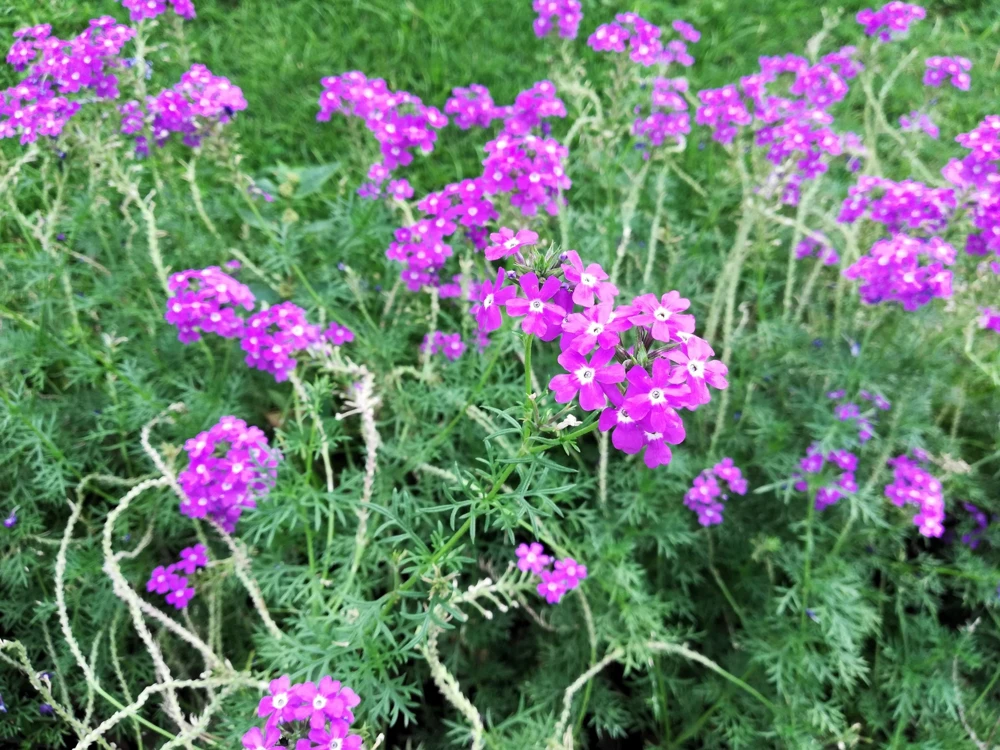
Hardy Moss Verbena Seeds – Violet Fragrant Flower Seeds (500 Seeds) – Outdoor Groundcover

Uncategorized
Flower Seeds
Virginia Stock Flower Seeds – 4000 Malcolmia Maritima Seeds, Pink, Purple, White, Red, Lavender

Reviews
There are no reviews yet.