
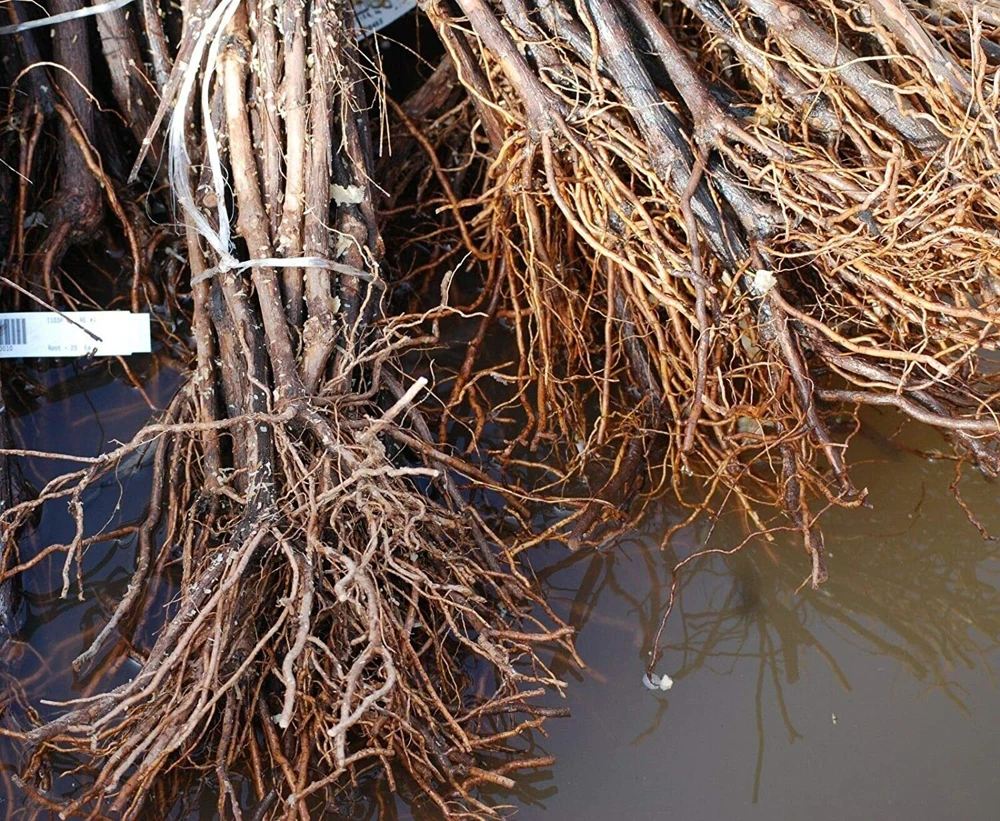
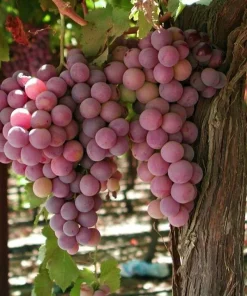
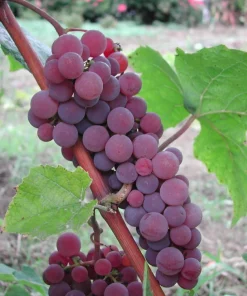
Canadice Seedless Grape Vine Live Plants – 2 Pack – Red Fruit, 1-2 Year Old, Outdoor
Original price was: $106.98.$86.98Current price is: $86.98.
Cultivate your own sweet, red, seedless grapes with this convenient two-pack of Canadice Seedless Grape Vine live plants. These 1-2 year old vines are ready for planting and thrive outdoors, providing abundant, edible fruit for your garden.
Estimated arrival
Oct 26
Oct 31 - Nov 02
Nov 05 - Nov 09
Shop With Confidence
30-Day Plant Health Guarantee
Arrives damaged? We’ll replace it free — see our return policy.
Responsive Support
Email us anytime, we reply within 1 business day.
Expert Packaging
Temperature-controlled shipping to protect your plants in transit.
Secure Checkout
Pay safely with Visa, Mastercard, PayPal.
Plant Specifications
-
USDA Hardiness Zone
USDA Zones 5-8 -
Soil Type
Well-draining, slightly acidic to neutral soil -
Sunlight Exposure
Full Sun -
Expected Planting Period
Early Spring
Overview
Introduce the joy of homegrown fruit to your garden with these premium Canadice Seedless Grape Vine live plants. This offering includes two healthy, 1-2 year old grape vines, perfectly primed for successful planting and robust growth. The Canadice variety is celebrated for its delicious, medium-sized, red grapes that are entirely seedless, making them a favorite for fresh eating, juice, and preserves. These vigorous vines are a fantastic addition to any home orchard or vineyard, promising a rewarding harvest of sweet, juicy fruit. Enjoy the beauty of lush foliage and the bounty of your own vineyard right in your backyard.
Cultivating red seedless grape plants like Canadice is a delightful experience for both novice and experienced gardeners. These plants are known for their resilience and ability to adapt to various climates, especially in regions conducive to grape production. With proper care, these vines will establish quickly, providing not only an aesthetic appeal with their climbing habit but also a bountiful yield of delectable grapes. Prepare to savor the fresh taste of summer with grapes picked directly from your very own Canadice Seedless Grape Vine live plants.
Key Benefits
Investing in Canadice Seedless Grape Vine live plants offers numerous advantages for the home gardener. These versatile plants are not only productive but also add significant ornamental value to your landscape.
- Abundant Seedless Fruit: Enjoy a generous harvest of sweet, juicy, and completely seedless red grapes, perfect for snacking, making jams, or fresh juice. The absence of seeds makes them exceptionally enjoyable for all ages, making edible fruit plants like these a garden favorite.
- Vigorous Growth: These 1-2 year old vines are well-established and ready to grow vigorously, quickly producing a strong root system and robust foliage. They are known for their strong climbing habit, ideal for arbors or trellises.
- Cold Hardiness: The Canadice variety is recognized for its impressive cold hardiness, making it suitable for a wide range of climates and extending the possibilities for growing Canadice grapes in colder regions.
- Versatile Use: Beyond fresh eating, the grapes are excellent for homemade wine, jellies, and preserves, offering a rewarding culinary experience right from your garden.
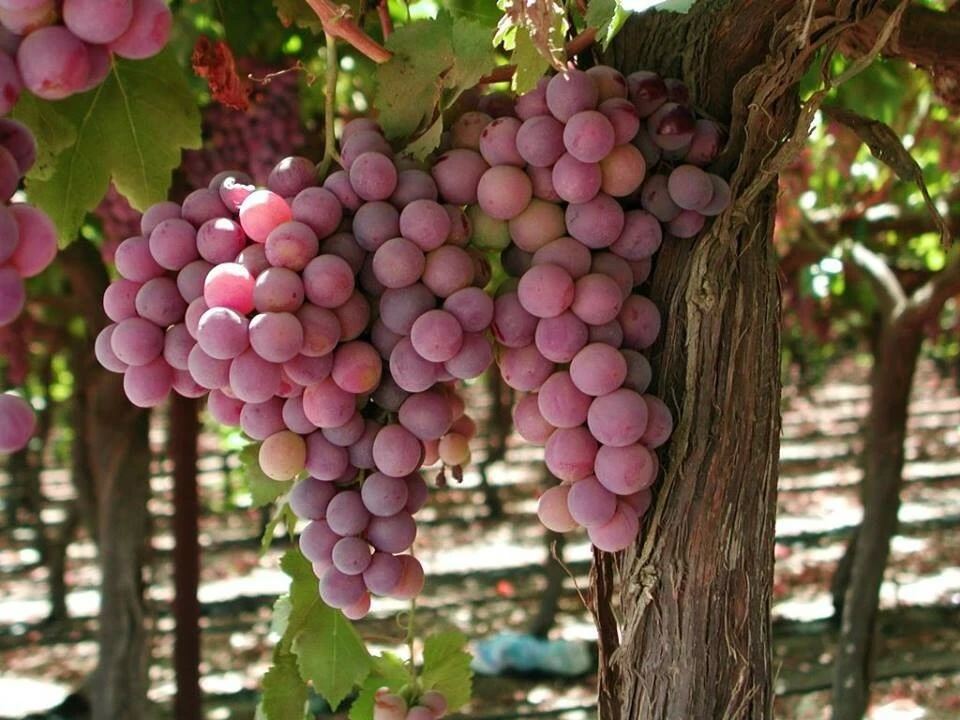
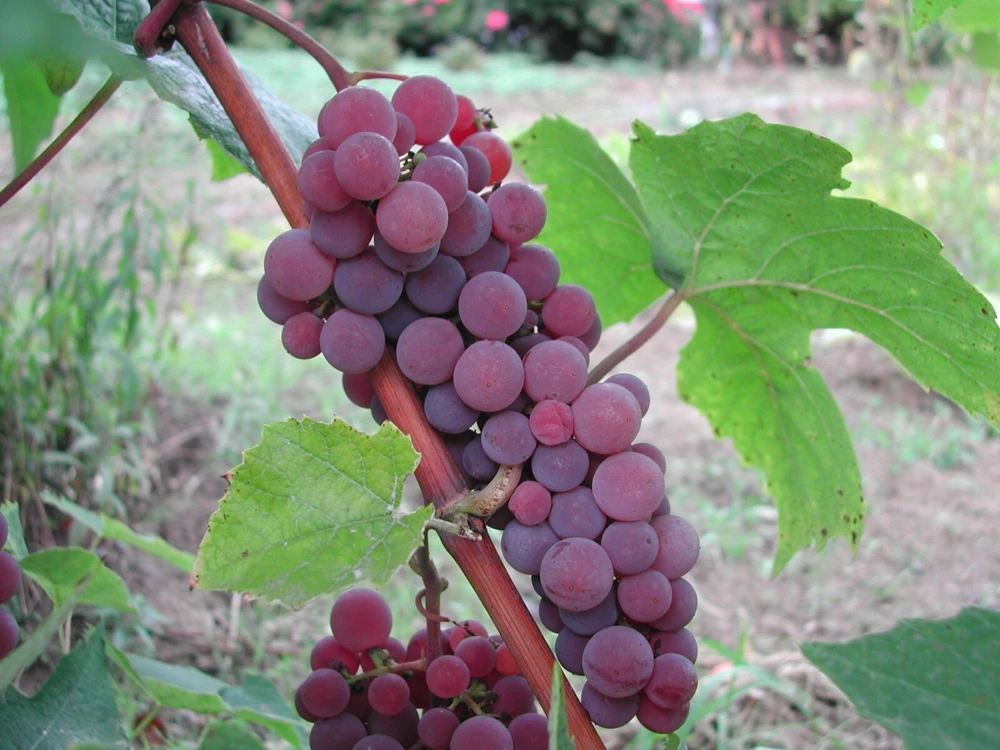
- Ornamental Value: The lush green foliage and attractive clusters of red grapes provide significant aesthetic appeal, enhancing your garden’s beauty throughout the growing season. They create beautiful natural shade when grown on pergolas.
- Homegrown Goodness: Cultivating your own grapes ensures you have access to fresh, chemical-free fruit, contributing to a healthier lifestyle and a more sustainable home.
- Long-Term Investment: Grape vines are long-lived plants, providing many years of delicious harvests and becoming a cherished part of your garden landscape. These hardy grape vines are built to last.
Plant Care & Growing Tips
Successful cultivation of your Canadice Seedless Grape Vine live plants requires attention to a few key care aspects. These outdoor plants thrive in a location that receives ample sunlight. For optimal fruit production and vine health, plant in an area with at least 6-8 hours of direct sunlight per day. Full sun exposure is crucial for developing sweet grapes and preventing fungal diseases. Prepare the planting site by ensuring the soil is well-draining. Grapes prefer a slightly acidic to neutral soil pH (6.0-7.0).
When it comes to watering, consistent moisture is important, especially during the first few years of establishment and during dry spells. However, avoid overwatering, as grape vines are susceptible to root rot in soggy conditions. Water deeply and less frequently, allowing the top few inches of soil to dry out between waterings. Fertilize your red seedless grape plants in early spring with a balanced fertilizer, or one specifically formulated for fruit-bearing plants. Pruning is essential for grape vines to maintain their shape, promote fruit production, and prevent disease. Prune heavily in late winter or early spring while the vine is dormant.
Protect young vines from pests and diseases by monitoring regularly and addressing issues promptly. Common pests include Japanese beetles and grape leafhoppers, while powdery mildew and black rot are common diseases. Good air circulation and proper spacing between vines can help prevent fungal issues. These hardy grape vines are generally resilient, but proactive care ensures a bountiful harvest. Consider trellising or providing a strong support structure for the vines to climb, which aids in air circulation and sun exposure for the developing grapes, crucial for growing Canadice grapes successfully.
Size & Details
This offering includes two Canadice Seedless Grape Vine live plants, each 1-2 years old, ensuring they are well-rooted and ready for immediate planting upon arrival. These vines are typically shipped as bare root or in small nursery pots, depending on the season, with their root systems carefully protected to ensure viability. At maturity, Canadice grape vines can reach lengths of 15-20 feet or more, making them ideal for covering arbors, pergolas, or trellises. They are vigorous growers, and with proper pruning, can be maintained at a manageable size for home gardens.
Expect your edible fruit plants to begin producing fruit within 2-3 years after planting, with increasing yields as the vines mature. The grapes typically ripen in late summer to early fall, offering a delightful harvest season. This variety is known for its medium-sized, round to oval, red grapes that are consistently seedless. The plants are robust and designed for outdoor cultivation, providing a long-term source of fresh, delicious fruit. These Canadice Seedless Grape Vine live plants represent an excellent investment for any gardener looking to enjoy fresh grapes year after year.
Frequently Asked Questions
- Q: How big do these Canadice Seedless Grape Vine live plants get? A: With proper support and pruning, these grape vines can grow to lengths of 15-20 feet or more. They are vigorous climbers and can be trained to cover large structures like arbors or pergolas.
- Q: What is the best time to plant these red seedless grape plants? A: The best time to plant is typically in early spring after the last frost, allowing the vines ample time to establish their root systems before the heat of summer.
- Q: How much sunlight do these hardy grape vines need? A: For optimal growth and fruit production, these grape vines require at least 6-8 hours of direct full sun exposure per day.
- Q: Are these grapes truly seedless? A: Yes, the Canadice variety is renowned for producing grapes that are consistently seedless, making them a popular choice for fresh eating and various culinary uses.
- Q: How long until these edible fruit plants produce grapes? A: You can typically expect your Canadice Seedless Grape Vine live plants to start producing a light crop in their second or third year after planting, with increasing yields in subsequent years.
- Q: What kind of soil is best for growing Canadice grapes? A: These grape vines prefer well-draining soil with a slightly acidic to neutral pH (6.0-7.0). Amend heavy clay soils with organic matter to improve drainage.
- Q: Will these grape vines survive winter in my region? A: The Canadice variety is known for its cold hardiness, generally thriving in USDA Zones 5-8. Consult your local extension office for specific recommendations for your area.
- Q: How should I prune these grape vines? A: Pruning is crucial and should be done in late winter or early spring while the vine is dormant. Focus on removing old wood, promoting new growth, and maintaining an open canopy for air circulation.
- Q: Can I grow these red seedless grape plants in containers? A: While possible for a short period, grape vines are large, vigorous plants that perform best when planted directly in the ground, where their root systems can spread adequately.
- Q: Are these plants resistant to diseases? A: While generally robust, all grape varieties can be susceptible to common grape diseases like powdery mildew. Good cultural practices, such as proper spacing and air circulation, are key to prevention.
Be the first to review “Canadice Seedless Grape Vine Live Plants – 2 Pack – Red Fruit, 1-2 Year Old, Outdoor”
People Also Viewed
Reviews
There are no reviews yet.