

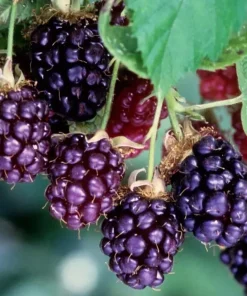
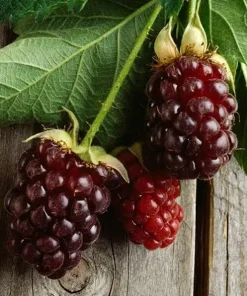
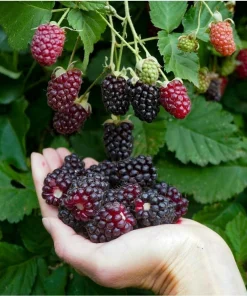
Thornless Boysenberry Live Plants – 2 Pack, 1-2 Year Old Berry Bush for Outdoor
Original price was: $110.99.$90.99Current price is: $90.99.
Cultivate your own sweet and juicy berries with this thornless boysenberry live plant pack. You receive two 1-2 year old plants, pruned and ready for planting in your outdoor garden. Enjoy fresh, edible fruit from these easy-to-grow berry bushes.
Out of stock
Estimated arrival
Oct 25
Oct 30 - Nov 01
Nov 04 - Nov 08
Shop With Confidence
30-Day Plant Health Guarantee
Arrives damaged? We’ll replace it free — see our return policy.
Responsive Support
Email us anytime, we reply within 1 business day.
Expert Packaging
Temperature-controlled shipping to protect your plants in transit.
Secure Checkout
Pay safely with Visa, Mastercard, PayPal.
Plant Specifications
-
USDA Hardiness Zone
USDA Zones 5-9 -
Soil Type
Well-draining, rich loamy soil -
Sunlight Exposure
Full Sun -
Expected Planting Period
Early spring to late fall
Overview
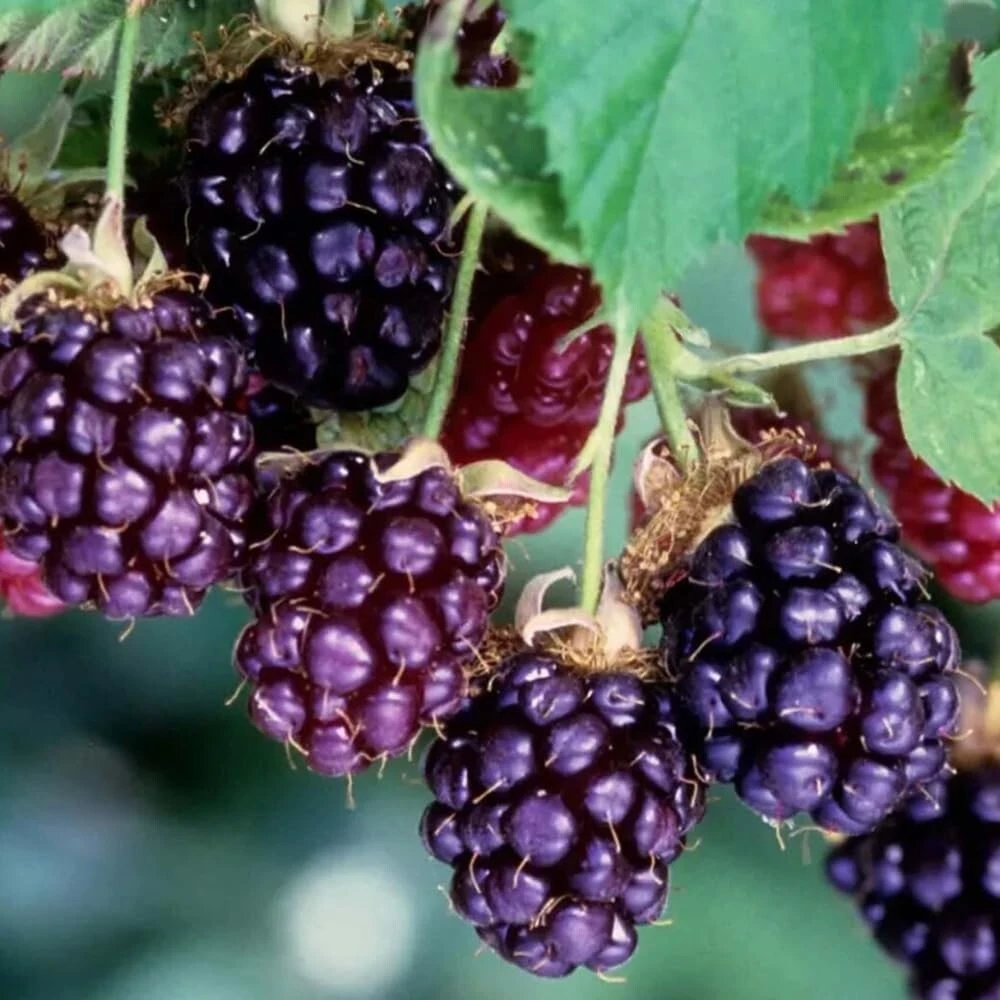
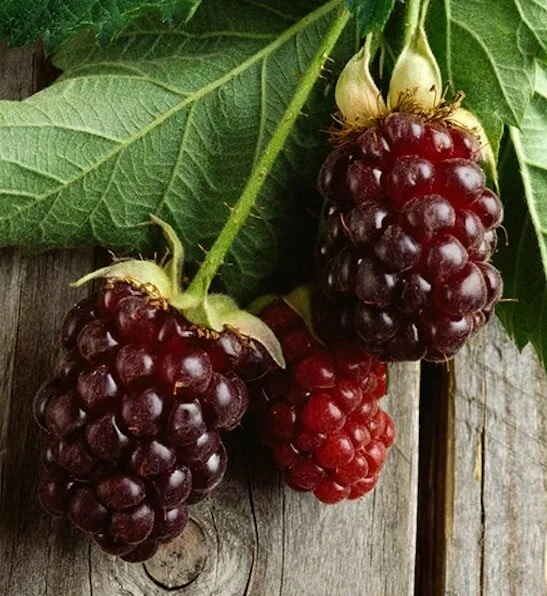
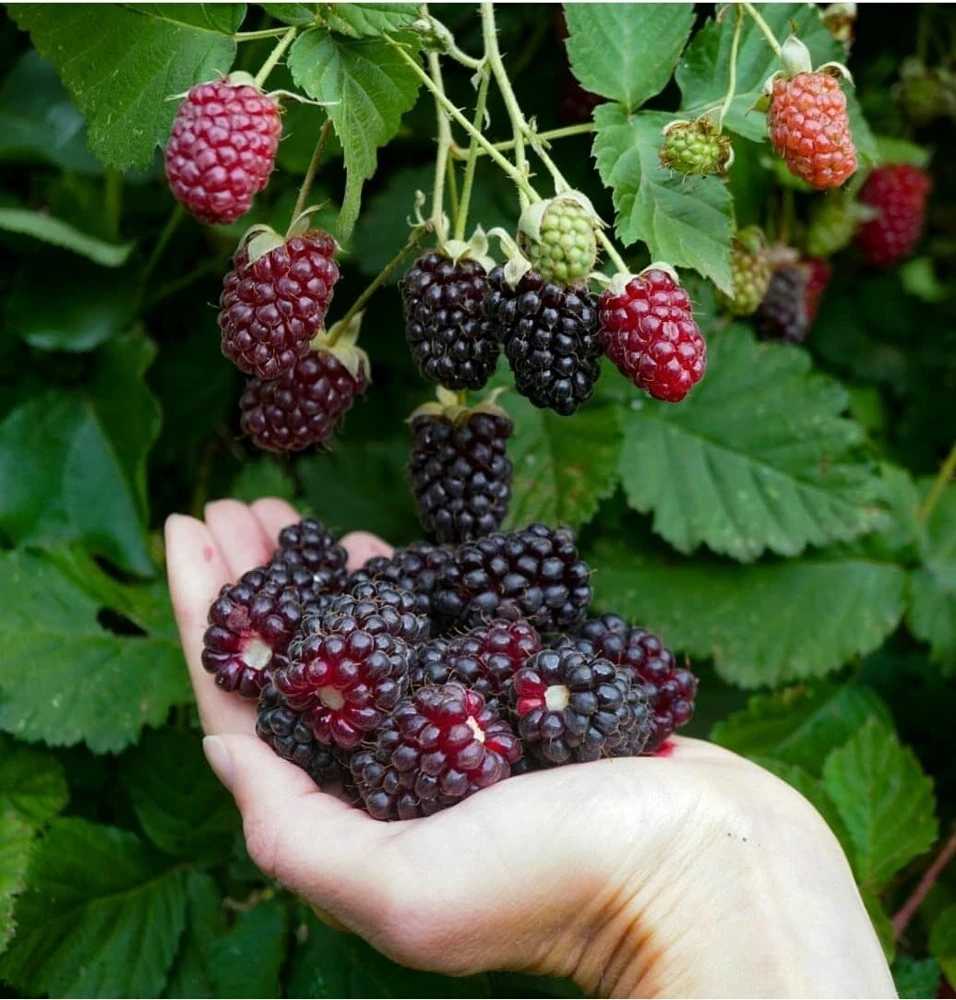
Embark on a rewarding gardening journey with our thornless boysenberry live plant pack. This offer includes two robust, 1-2 year old boysenberry plants, meticulously pruned and prepared for immediate planting in your garden. The boysenberry is a hybrid berry, a cross between a raspberry, blackberry, and loganberry, offering a unique, sweet-tart flavor that is highly prized for fresh eating, jams, pies, and sauces. Our thornless variety ensures a more enjoyable harvesting experience, eliminating the prickly challenges often associated with berry bushes. These plants are grown for their prolific fruit production and vigorous growth, making them an excellent addition to any home orchard or edible landscape. Enjoy the satisfaction of harvesting your own succulent berries right from your backyard with this exceptional thornless boysenberry live plant.
These plants are specifically selected for their health and readiness to establish quickly in your garden. With proper care, they will develop into mature bushes, yielding an abundance of delicious fruit. The boysenberry fruit plant is a fantastic choice for gardeners looking for a productive and low-maintenance berry option that provides both beauty and bounty to their outdoor space.
Key Benefits
Adding a thornless boysenberry live plant to your garden offers numerous advantages, from delightful harvests to aesthetic appeal. These plants are not only productive but also relatively easy to maintain, making them suitable for various garden settings.
- Abundant Thornless Harvests: Enjoy plentiful yields of large, juicy boysenberries without the hassle of thorns, making harvesting a pleasant experience for all ages. The thornless nature also simplifies pruning and general plant care.
- Exceptional Flavor Profile: Boysenberries are celebrated for their rich, complex flavor that balances sweetness with a hint of tartness. They are perfect for fresh consumption, baking, preserves, and more, offering a versatile culinary ingredient.
- Vigorous Growth & Resilience: These 1-2 year old plants are established and ready to thrive, quickly growing into productive bushes. They are known for their hardiness and ability to adapt to various growing conditions, ensuring a successful harvest.
- Attractive Garden Addition: Beyond their fruit, boysenberry bushes add a lush, green element to your garden, especially when laden with ripening berries. They can be trained along trellises or fences, creating an attractive and edible screen.
- Health Benefits of Fresh Berries: Boysenberries are packed with vitamins, antioxidants, and fiber, contributing to a healthy diet. Growing your own ensures you have access to fresh, organic fruit free from pesticides.
- Long Growing Season: Boysenberries typically have a longer fruiting season compared to some other berries, allowing for extended enjoyment of fresh fruit throughout the summer.
- Easy to Maintain: With their thornless canes, these plants are easier to manage and prune, making boysenberry plant care less daunting for both novice and experienced gardeners.
Plant Care & Growing Tips
Proper boysenberry plant care is crucial for ensuring a bountiful harvest and healthy growth. These plants are relatively forgiving, but a few key practices will help them thrive in your garden. Boysenberries prefer a location that receives full sun, meaning at least 6-8 hours of direct sunlight per day. While they can tolerate some partial shade, ample sunlight is essential for optimal fruit production and flavor development. Ensure good air circulation around the plants to minimize fungal issues.
When it comes to watering, consistent moisture is key, especially during fruiting season. The soil should be kept evenly moist but not waterlogged. Water deeply once or twice a week, or more frequently during hot, dry spells. Well-draining soil is paramount to prevent root rot; a rich, loamy soil with a slightly acidic pH (6.0-6.5) is ideal. Amending your soil with compost or well-rotted manure before planting will provide essential nutrients and improve drainage. Fertilize in early spring with a balanced slow-release fertilizer or a specific berry fertilizer to support vigorous growth and fruit development. Pruning is an important aspect of boysenberry plant care to maintain plant health and productivity. After the fruiting season, prune back the canes that have produced fruit to the ground, as boysenberries fruit on second-year canes. This encourages new growth for the following season. Watch out for common pests like aphids or spider mites, and treat with organic insecticidal soap if necessary. Diseases are less common with good air circulation and proper watering, ensuring your boysenberry fruit plant remains healthy.
Size & Details
This offering includes two thornless boysenberry live plant specimens, each 1-2 years old, making them well-established and ready for immediate planting. These plants have been professionally pruned to encourage healthy root development and robust growth upon arrival. Typically, these young plants will be in a dormant or semi-dormant state, ideal for transplanting and minimizing shock. When mature, boysenberry bushes can reach heights of 5-8 feet and spread equally wide if left unpruned, requiring support such as a trellis or fence for optimal growth and fruit presentation. Expect your plants to begin producing fruit within 1-2 years after planting, with increasing yields as they mature. They are shipped as bare-root or potted plants, depending on the season, ensuring they arrive in optimal condition for successful establishment in your garden. The vigorous growth habit of this thornless boysenberry live plant makes it a long-term investment for fresh fruit for years to come.
Frequently Asked Questions
- Q: How big does this thornless boysenberry live plant get? A: When mature, a thornless boysenberry live plant can typically reach a height of 5-8 feet and spread similar distances. They are vining plants and benefit greatly from support like a trellis or fence.
- Q: Is this an indoor or outdoor plant? A: This is an outdoor plant, specifically a berry bush. It requires direct sunlight and outdoor conditions to thrive and produce fruit.
- Q: How much sunlight does a boysenberry plant need? A: For optimal growth and fruit production, a boysenberry plant needs at least 6-8 hours of direct sunlight per day. Full sun exposure is highly recommended.
- Q: Is this plant easy to care for? A: Yes, boysenberry plants, especially thornless varieties, are considered relatively easy to care for. Regular watering, annual pruning, and proper sunlight are the main requirements for successful boysenberry plant care.
- Q: What condition will the plants arrive in? A: The plants are 1-2 years old, pruned, and ready for planting. They will arrive in a healthy, dormant or semi-dormant state, carefully packaged to ensure safe transit and successful establishment in your garden.
- Q: When is the best time to plant boysenberry bushes? A: The best time to plant boysenberry bushes is typically in early spring after the last frost, or in late fall after the plants have gone dormant. This allows them to establish their root systems before extreme temperatures.
- Q: Will this boysenberry fruit plant survive winter in my zone? A: Boysenberry plants are generally hardy in USDA Zones 5-9. If you live in a colder zone, providing winter protection, such as mulching, may be necessary to ensure the survival of your boysenberry fruit plant.
- Q: How long until my boysenberry plant produces fruit? A: Since these are 1-2 year old plants, you can often expect some fruit production in the first year after planting, with significantly increased yields in the second year and beyond as the plant matures.
- Q: How do I grow boysenberry bush for the best harvest? A: To grow boysenberry bush successfully, ensure full sun, well-draining soil, consistent watering, and provide a trellis or support system for the canes. Regular pruning of spent canes will also encourage new fruiting growth.
- Q: Can I grow boysenberries in containers? A: While boysenberries prefer to spread in the ground, they can be grown in very large containers (20-gallon or larger) with proper support and consistent watering, especially if you want to grow boysenberry bush in a limited space.
Be the first to review “Thornless Boysenberry Live Plants – 2 Pack, 1-2 Year Old Berry Bush for Outdoor”
People Also Viewed

Reviews
There are no reviews yet.