


Diana Parks Peony Bare Root Plant – Red Perennial Flower Outdoor
Original price was: $83.99.$63.99Current price is: $63.99.
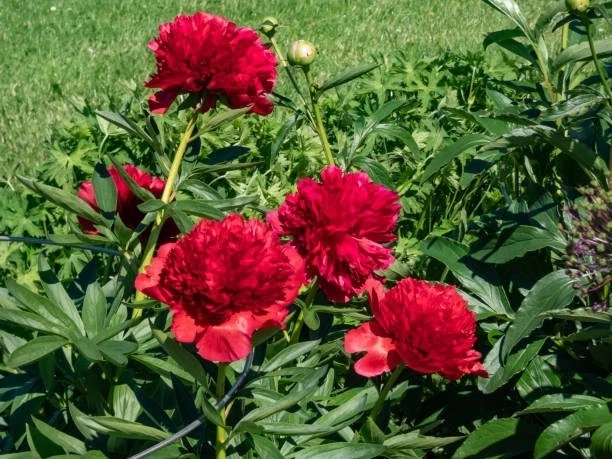
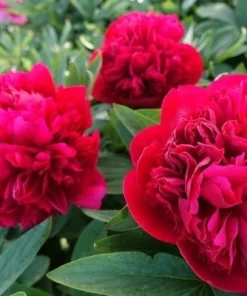
Bring vibrant color to your garden with the Diana Parks Peony bare root. This striking red peony plant is a hardy perennial, perfect for creating a dramatic display. Thriving outdoors in full to medium sun, it’s an easy-to-grow flower that returns year after year.
Estimated arrival
Oct 25
Oct 30 - Nov 01
Nov 04 - Nov 08
Shop With Confidence
30-Day Plant Health Guarantee
Arrives damaged? We’ll replace it free — see our return policy.
Responsive Support
Email us anytime, we reply within 1 business day.
Expert Packaging
Temperature-controlled shipping to protect your plants in transit.
Secure Checkout
Pay safely with Visa, Mastercard, PayPal.
Plant Specifications
-
USDA Hardiness Zone
USDA Zones 3-8 -
Soil Type
Well-draining, rich loam -
Sunlight Exposure
Full Sun, Medium Sun -
Expected Planting Period
Fall or Spring
Overview
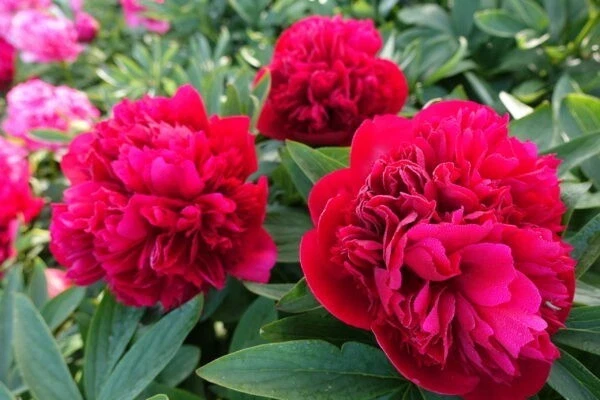
Introduce a touch of classic elegance and bold color to your outdoor space with the magnificent Diana Parks Peony bare root. This exquisite perennial flower is renowned for its spectacular, double-form blooms that unfurl in a captivating shade of vibrant red. As a bare root plant, it offers a robust start, establishing itself readily in your garden to provide years of breathtaking beauty. Peonies, belonging to the genus Paeonia, are cherished for their large, fragrant flowers and their longevity in the landscape. The ‘Diana Parks’ variety stands out with its rich hue and impressive size, making it a focal point in any garden design. Ideal for borders, mass plantings, or as a standalone specimen, this red peony plant transforms your garden into a floral paradise each spring and fall.
The bare root format means you are receiving a dormant, healthy plant ready to awaken and flourish in its new home. This method of planting often leads to stronger, more resilient plants. With proper care, your Diana Parks Peony will develop into a lush, full plant, gracing your garden with its opulent flowers and attractive foliage. It’s an investment in enduring beauty that will delight you season after season.
Key Benefits
The Diana Parks Peony bare root offers numerous advantages for any gardener looking to add significant beauty and value to their landscape. Its robust nature and stunning appearance make it a highly desirable choice.
- Spectacular Blooms: Enjoy large, showy, double-form red flowers that create a dramatic visual impact in your garden. The vibrant color of this perennial peony flower ensures it stands out.
- Long-Lived Perennial: Once established, the Diana Parks Peony will return year after year, often thriving for decades with minimal fuss, offering enduring beauty.
- Easy to Grow: Classified as ‘Very Easy’ to cultivate, this peony is suitable for gardeners of all experience levels, requiring moderate watering and adaptable to various sunlight conditions.
- Versatile Landscaping: Perfect for use in borders, as a specimen plant, in cottage gardens, or cutting gardens. Its strong stems hold the large blooms upright.
- Attracts Pollinators: While primarily known for its beauty, the fragrant blooms can attract beneficial insects to your garden, contributing to a healthier ecosystem.
- Seasonal Interest: Beyond its spectacular spring and fall blooms, the lush green foliage provides attractive texture throughout the growing season, even when not in flower.
- Excellent Cut Flower: The magnificent blooms of this red peony plant are perfect for cutting, allowing you to bring their beauty and subtle fragrance indoors.
Plant Care & Growing Tips
Proper care is essential to ensure your Diana Parks Peony bare root thrives and produces its magnificent blooms. Peonies are generally low-maintenance once established, but a good start makes all the difference. For sunlight, this peony prefers full sun to medium sun. Full sun means at least 6 hours of direct sunlight per day, which encourages the most prolific blooming. In hotter climates, some afternoon shade can be beneficial to prevent scorching of the petals.
When it comes to watering, the Diana Parks Peony requires medium watering. This means the soil should be kept consistently moist but not waterlogged, especially during dry spells and when the plant is actively growing and flowering. Good drainage is crucial, as peonies do not tolerate wet feet. Amend heavy clay soils with organic matter to improve drainage. For soil type, a rich, well-draining loam is ideal. Ensure the planting site has good air circulation. Peonies are cold-hardy, typically thriving in USDA zones 3-8, making them a reliable outdoor peony care plant for many regions. Fertilize in early spring with a balanced slow-release fertilizer or a fertilizer specifically formulated for flowering plants. Avoid over-fertilizing, especially with high-nitrogen formulas, as this can promote foliage growth at the expense of flowers.
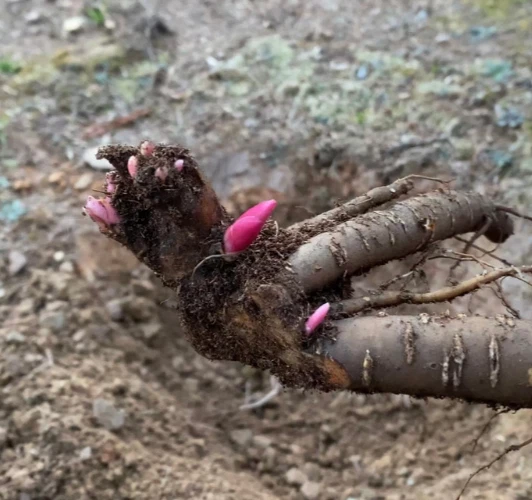
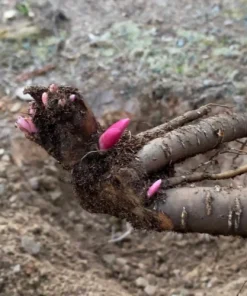
Common problems for peonies include botrytis blight, which can be managed by ensuring good air circulation and removing infected plant material. Ants on peony buds are a natural phenomenon; they are attracted to the sweet nectar and help the buds open, but they do not harm the plant. When planting peony bare root, ensure the ‘eyes’ (pinkish-red buds on the root) are planted no more than 1-2 inches below the soil surface. Planting too deep is a common reason for peonies failing to bloom. Provide support for the large blooms with peony rings or stakes to prevent them from flopping over after rain or in windy conditions.
Size & Details
This offering is for one Diana Parks Peony bare root plant, ready for planting upon arrival. A bare root plant is a dormant plant without soil around its roots, which allows for easy shipping and a strong start once planted in your garden. Peonies are known for their impressive size and longevity, and this variety is no exception. Once mature, the Diana Parks Peony typically reaches a height of 2 to 3 feet and a similar spread, forming a substantial and attractive bush. The large, double flowers can measure 6-8 inches across, creating a truly spectacular display. The growth rate is moderate, with blooms usually appearing in the second or third year after planting, though some may flower in the first year under ideal conditions. This perennial peony flower will develop into a robust and floriferous plant, providing years of enjoyment. The bare root form ensures a hardy start, allowing the plant to establish a strong root system quickly in its new environment. Expect lush green foliage throughout the growing season, providing a beautiful backdrop even when the plant is not in bloom.
Frequently Asked Questions
- Q: How big does this Diana Parks Peony get? A: Once mature, the Diana Parks Peony bare root typically grows to an impressive height of 2 to 3 feet with a similar spread. Its strong stems support large, vibrant red double blooms.
- Q: Is this an indoor or outdoor plant? A: The Diana Parks Peony is an outdoor perennial plant. It thrives in garden beds and can withstand various climates, returning year after year with stunning blooms.
- Q: How much sunlight does it need? A: For optimal blooming, this peony prefers full sun (at least 6 hours of direct sunlight daily) to medium sun. Adequate sunlight is key for robust growth and abundant flowers.
- Q: Is this plant easy to care for? A: Yes, the Diana Parks Peony is considered very easy to cultivate. It requires moderate watering and good drainage, making outdoor peony care straightforward for gardeners of all levels.
- Q: What condition will the bare root arrive in? A: The plant will arrive as a dormant bare root, which means it will not have leaves or flowers yet. It is a healthy, viable root system ready for planting and subsequent growth.
- Q: When is the best time to plant a peony bare root? A: The ideal time for planting peony bare root is in the fall, allowing the plant to establish its root system before winter. Spring planting is also possible, but fall generally yields better results.
- Q: Will it survive winter in my zone? A: The Diana Parks Peony is very cold-hardy, thriving in USDA Zones 3-8. It requires a period of cold dormancy to produce flowers, making it well-suited for regions with distinct winters.
- Q: How long until it blooms? A: While some peonies may produce a flower or two in their first year, this red peony plant typically establishes its root system in the first year and starts blooming more profusely in its second or third year after planting.
- Q: What kind of soil does it prefer? A: This peony thrives in rich, well-draining soil. Amending heavy clay soils with organic matter is recommended to improve drainage and provide essential nutrients for healthy growth.
- Q: Does this peony attract pests? A: Peonies are generally quite resistant to most pests. You might notice ants on the buds, which is normal as they are attracted to the nectar and help the buds open, but they do not harm the plant.
Be the first to review “Diana Parks Peony Bare Root Plant – Red Perennial Flower Outdoor”
People Also Viewed

Aquatic Plant Seeds
Colorful Lotus Water Lily Bulbs – Easy Grow Perennial Aquatic Plant Seeds
Trees
Moringa Tree Live Plant – Oleifera Drumstick Tree – 1 Gallon Pot – 1 to 2 Ft Tall – Outdoor Garden
Reviews
There are no reviews yet.