
Legacy Southern Highbush Blueberry Live Plant – 2 Year Old Edible Shrub, Outdoor
Original price was: $85.96.$65.96Current price is: $65.96.
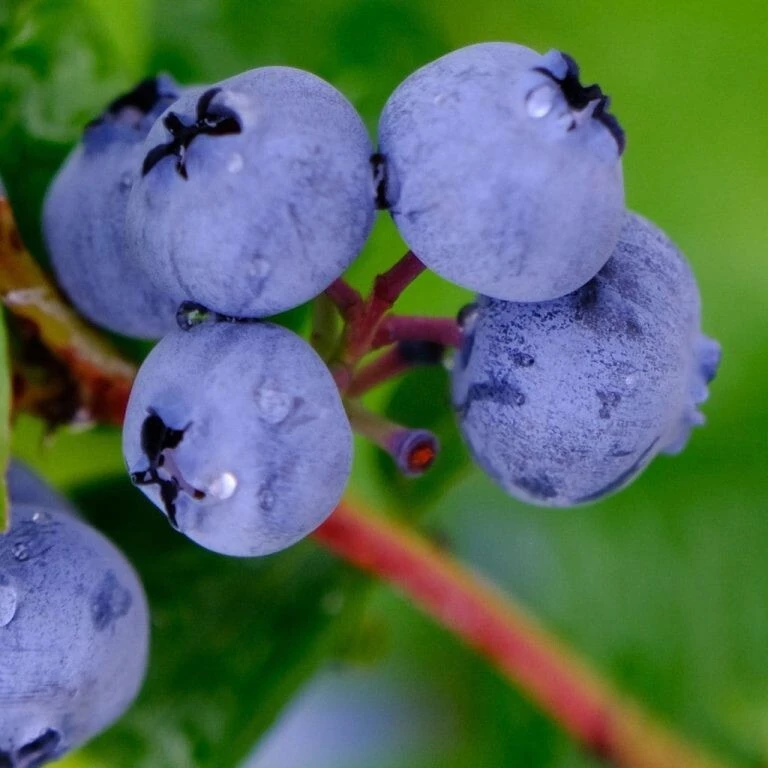
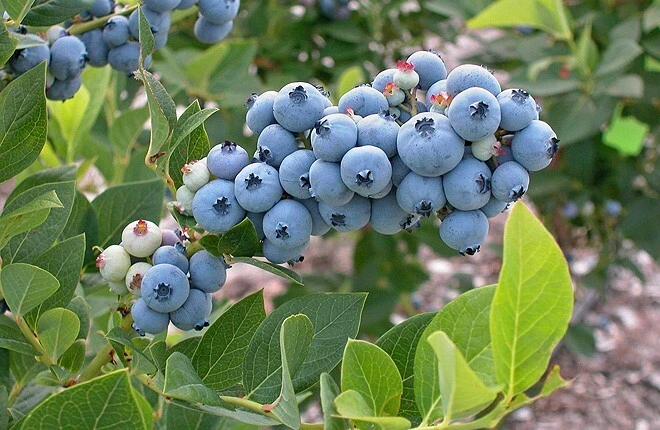
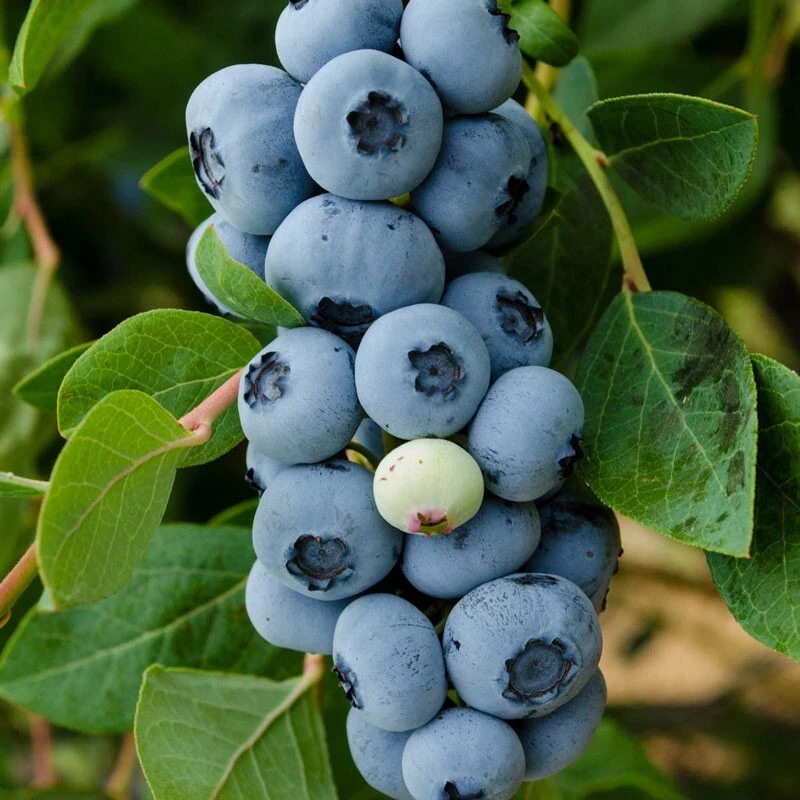
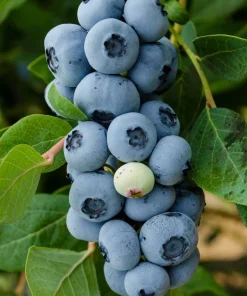
Cultivate your own flavorful fruit with this healthy Legacy Southern Highbush Blueberry live plant. This 2-year-old plant is ready to thrive outdoors, offering delicious, edible blue berries. Perfect for home gardens, it’s a rewarding addition for fresh eating or baking.
Estimated arrival
Oct 25
Oct 30 - Nov 01
Nov 04 - Nov 08
Shop With Confidence
30-Day Plant Health Guarantee
Arrives damaged? We’ll replace it free — see our return policy.
Responsive Support
Email us anytime, we reply within 1 business day.
Expert Packaging
Temperature-controlled shipping to protect your plants in transit.
Secure Checkout
Pay safely with Visa, Mastercard, PayPal.
Plant Specifications
-
USDA Hardiness Zone
USDA Zones 7-10 -
Soil Type
Acidic, well-draining soil (pH 4.5-5.5) -
Sunlight Exposure
Full Sun -
Expected Planting Period
Early spring or early fall
Overview
Embark on a journey to homegrown goodness with the Legacy Southern Highbush Blueberry live plant. This robust, 2-year-old specimen is specifically chosen for its vigor and readiness to produce abundant, delicious fruit. The Legacy variety is a renowned Southern Highbush blueberry, celebrated for its consistent yields, excellent flavor, and adaptability to warmer climates. Growing your own blueberries ensures a fresh, organic supply of these antioxidant-rich berries, perfect for snacking, baking, or adding to your morning cereal. This edible blueberry shrub is a fantastic investment for any home gardener looking to combine ornamental beauty with productive fruit-bearing.
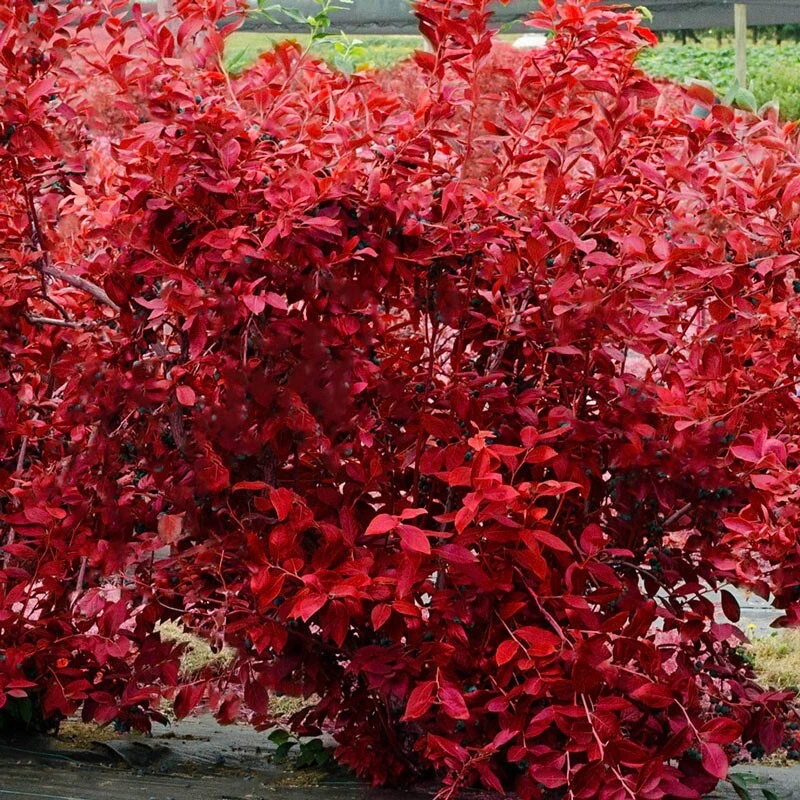
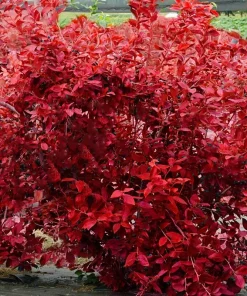
The Legacy blueberry is known for its upright growth habit and attractive foliage, making it a wonderful addition to edible landscapes or dedicated berry patches. As a Southern Highbush blueberry care is relatively straightforward, making it accessible even for those new to fruit gardening. With proper planting and maintenance, you can expect this plant to become a prolific producer of sweet, juicy berries year after year. Its vibrant green leaves provide a lovely backdrop in the garden, and in the fall, they often turn attractive shades of red and orange.
Key Benefits
Adding a Legacy Southern Highbush Blueberry plant to your garden offers numerous advantages, from delicious harvests to aesthetic appeal. This variety is a top choice for its reliable performance and the quality of its fruit.
- Abundant Edible Fruit: Enjoy a prolific harvest of sweet, flavorful blue berries from your very own Legacy Southern Highbush Blueberry live plant. These berries are perfect for fresh eating, jams, pies, and smoothies, providing a healthy and delicious treat throughout the season.
- High Yielding Variety: The Legacy blueberry is known for its consistent and heavy fruit production, ensuring a generous supply of berries once mature. This makes it a highly rewarding plant for any home gardener.
- Attractive Landscape Plant: Beyond its fruit, this blueberry shrub features attractive green foliage that can provide a lovely backdrop in your garden. In autumn, the leaves often transform into beautiful shades of red and orange, adding seasonal color.
- Health Benefits: Blueberries are packed with antioxidants, vitamins, and fiber, contributing to a healthy diet. Growing your own ensures you have access to fresh, nutrient-dense fruit free from commercial pesticides.
- Adapts to Warmer Climates: As a Southern Highbush variety, the Legacy blueberry is well-suited for regions with milder winters, requiring fewer chill hours than Northern Highbush types, making outdoor blueberry plant cultivation easier in many areas.
- Relatively Easy Care: With proper soil preparation and consistent watering, a Legacy Southern Highbush Blueberry live plant is a relatively low-maintenance fruit-bearing shrub, making it suitable for gardeners of various experience levels.
- Long Lifespan: With good care, blueberry plants can produce fruit for many years, becoming a long-term investment in your home orchard.
Plant Care & Growing Tips
Successful cultivation of your Legacy Southern Highbush Blueberry live plant hinges on providing the right conditions, particularly concerning soil acidity and sunlight. Blueberry plants thrive in full sun, meaning they need at least 6-8 hours of direct sunlight per day to produce the best fruit. Choose a location in your garden that receives ample sun exposure throughout the day. It’s crucial to remember that this is an outdoor blueberry plant, not suited for indoor environments.
The most critical aspect of Southern Highbush blueberry care is the soil. Blueberries require highly acidic soil with a pH between 4.5 and 5.5. If your native soil is not acidic enough, amend it heavily with peat moss, pine bark, or sulfur. Raised beds are also an excellent option if your soil pH is difficult to adjust. Ensure the soil is well-draining, as blueberries do not tolerate wet feet. Consistent moisture is vital, especially during fruit development, so water regularly, aiming for about 1 inch of water per week, either from rainfall or irrigation. Fertilize in early spring with an acid-forming fertilizer formulated for blueberries or other acid-loving plants. Avoid fertilizers containing nitrates, which can be harmful to blueberries.
Pruning is essential for maintaining plant health and maximizing fruit production. For young plants, focus on establishing a strong framework. Once the plant is established, typically after 3-4 years, begin annual dormant pruning in late winter. Remove any dead, damaged, or weak canes, as well as any canes that are more than 6 years old, to encourage new growth and better fruit production. Protect young plants from birds with netting as berries begin to ripen. This edible blueberry shrub is generally hardy and resistant to many pests and diseases, but monitoring for common issues like powdery mildew or Japanese beetles can help ensure a healthy harvest.
Size & Details
This offering is for one healthy Legacy Southern Highbush Blueberry live plant, which is approximately 2 years old. At this age, the plant has a well-established root system and is primed for growth and eventual fruit production in your garden. It will arrive as a potted plant, ready for transplanting into its permanent outdoor location. While exact dimensions can vary, a 2-year-old blueberry plant typically stands between 12-24 inches tall upon arrival, with a spread appropriate for its age. With proper care, this outdoor blueberry plant will grow into a mature shrub, reaching heights of 4-6 feet and a similar spread, becoming a significant producer of fruit.
The Legacy variety is known for its medium-sized, firm, and sweet berries. Expect initial fruiting within a year or two of planting, with full production achieved as the plant matures. This edible blueberry shrub will produce its best harvest when fully established, typically by its third or fourth year in the ground. It is shipped carefully to ensure it arrives in optimal condition, ready to be planted and begin its journey in your home garden.
Frequently Asked Questions
- Q: How big does this plant get? A: This 2-year-old Legacy Southern Highbush Blueberry live plant typically grows to a mature height and spread of 4-6 feet. Its ultimate size depends on growing conditions and pruning.
- Q: What size pot does it come in? A: The plant will arrive in a nursery pot appropriate for its 2-year-old size, typically a 1-gallon or similar container, ensuring its roots are protected during transit.
- Q: Is this an indoor or outdoor plant? A: The Legacy Southern Highbush Blueberry is an outdoor blueberry plant. It requires full sun and specific soil conditions best met in an outdoor garden environment.
- Q: How much sunlight does it need? A: This plant thrives in full sun, needing at least 6-8 hours of direct sunlight daily for optimal growth and fruit production.
- Q: Is this plant easy to care for? A: Yes, with attention to its specific soil pH and watering needs, Southern Highbush blueberry care is considered moderate. It’s a rewarding plant for gardeners of all levels.
- Q: What condition will it arrive in? A: Your Legacy Southern Highbush Blueberry live plant will be carefully packaged to ensure it arrives healthy and ready for planting, with its root ball intact.
- Q: When is the best time to plant? A: The best time to plant your edible blueberry shrub is in early spring after the last frost, or in early fall before the ground freezes, allowing it to establish before extreme temperatures.
- Q: Will it survive winter in my zone? A: As a Southern Highbush variety, the Legacy blueberry is suited for USDA Zones 7-10. It requires a specific amount of chill hours, making it ideal for regions with milder winters.
- Q: How long until it produces fruit? A: Your 2-year-old plant may produce some fruit in its first year after planting, but it will start producing a substantial harvest in its second or third year in the ground.
- Q: What does ‘Southern Highbush’ mean for this blueberry? A: ‘Southern Highbush’ refers to a type of blueberry that requires fewer chill hours than Northern Highbush varieties, making it suitable for cultivation in warmer southern climates. This also influences its specific Southern Highbush blueberry care requirements.
Be the first to review “Legacy Southern Highbush Blueberry Live Plant – 2 Year Old Edible Shrub, Outdoor”
People Also Viewed
Flower Plants
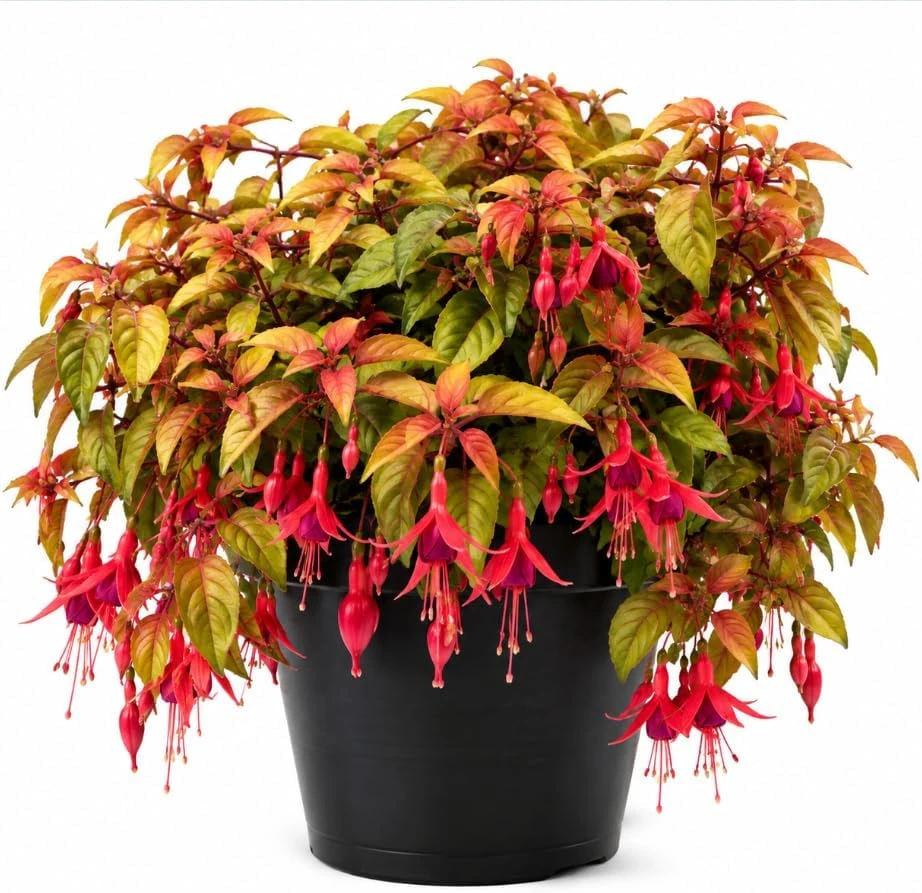
Autumnale Fuchsia Live Plant – Red Flower Fuchsia – 4-6 inch Tall – 5 Inch Pot – Outdoor

Reviews
There are no reviews yet.