

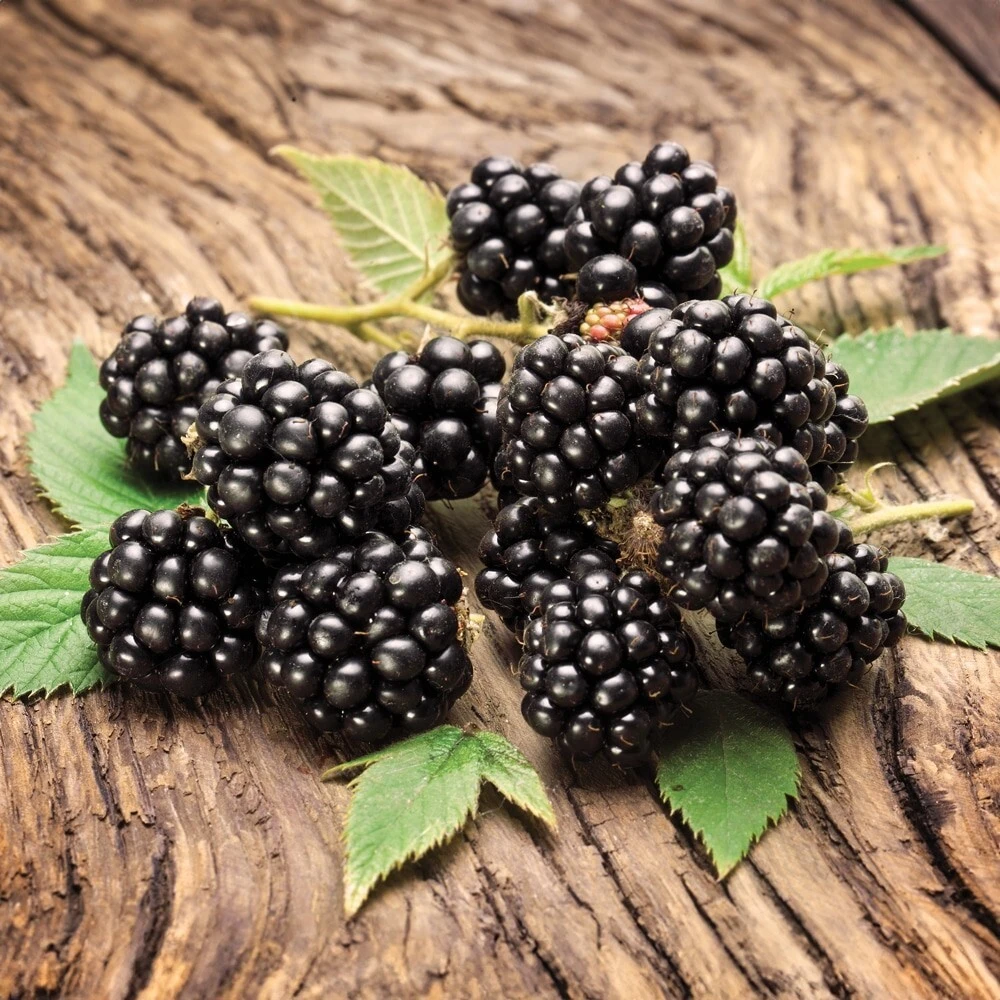
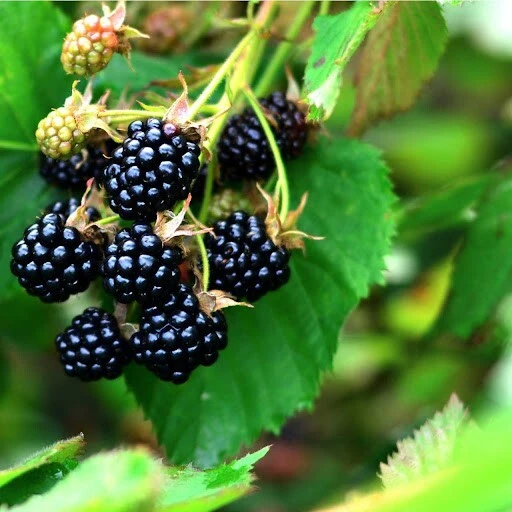
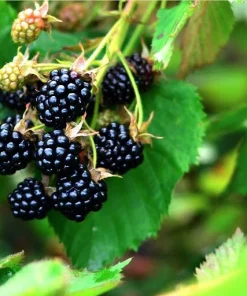
Austin Dewberry Live Plant – 1-2 Year Growth, Outdoor Edible Fruit Bush
Original price was: $82.99.$62.99Current price is: $62.99.
Cultivate your own sweet and tangy berries with this Austin Dewberry live plant. This robust 1-2 year old plant is perfect for outdoor gardens, producing delicious fruit ideal for cobblers and jams. Enjoy fresh, edible berries right from your backyard.
Out of stock
Estimated arrival
Oct 25
Oct 30 - Nov 01
Nov 04 - Nov 08
Shop With Confidence
30-Day Plant Health Guarantee
Arrives damaged? We’ll replace it free — see our return policy.
Responsive Support
Email us anytime, we reply within 1 business day.
Expert Packaging
Temperature-controlled shipping to protect your plants in transit.
Secure Checkout
Pay safely with Visa, Mastercard, PayPal.
Plant Specifications
-
USDA Hardiness Zone
USDA zones 6-9 -
Soil Type
Well-draining, slightly acidic to neutral soil -
Sunlight Exposure
Full Sun, Medium Sun -
Expected Planting Period
Spring or Fall
Overview
Bring the joy of homegrown fruit to your garden with the Austin Dewberry live plant. Known for its vigorous growth and abundant yield, the Austin Dewberry (a variety of Rubus trivialis) is a fantastic addition for anyone looking to enjoy fresh, edible berries. This live plant offers a natural, healthy way to produce fruit perfect for a variety of culinary uses, especially delicious cobblers. Our 1-2 year old plants are well-established, ensuring a strong start in your garden. The Austin Dewberry live plant is a versatile and rewarding choice for both novice and experienced gardeners, thriving outdoors and delivering a bountiful harvest of dark purplish-black fruit.
Dewberries are a type of trailing blackberry, native to the southeastern United States. The Austin variety is particularly prized for its large, flavorful berries. As a perennial fruit bush, it will return year after year, providing a consistent source of fruit. This single live plant is ready to be transplanted into your garden, offering the satisfaction of growing your own food and contributing to local biodiversity.
Key Benefits
The Austin Dewberry live plant offers numerous advantages for the home gardener, combining aesthetic appeal with practical benefits. Growing your own dewberries provides a direct connection to nature and a source of fresh, healthy produce.
- Delicious Edible Fruit: Enjoy a prolific harvest of sweet and tangy dark purplish-black berries, perfect for making homemade cobblers, pies, jams, or simply eating fresh. The rich flavor of home-grown dewberries surpasses store-bought alternatives.
- Vigorous & Hardy Growth: This 1-2 year old plant is well-established and known for its robust growth habit, making it resilient and easy to care for once settled in your garden. It adapts well to various outdoor conditions.
- Attracts Pollinators: The flowers of the Austin Dewberry live plant provide a valuable nectar source for bees and other beneficial pollinators, enhancing your garden’s ecosystem and supporting local wildlife.
- Low Maintenance: Once established, dewberry plants require minimal ongoing care, making them an excellent choice for gardeners seeking productive plants without extensive effort. They are generally disease-resistant and drought-tolerant.
- Year-Round Interest: While primarily grown for fruit, the plant offers seasonal interest with its spring blooms, summer fruit, and fall foliage, contributing to the beauty of your outdoor space throughout the year.
- Versatile Use: Beyond culinary applications, the trailing nature of dewberries can be used for ground cover, erosion control, or trained along fences and trellises, adding a functional and attractive element to your landscape.
- Fresh & Healthy Produce: Growing your own edible dewberry plant ensures you have access to fresh, pesticide-free fruit, rich in vitamins and antioxidants, directly from your garden to your table.
Plant Care & Growing Tips
Proper care is essential for a thriving Austin Dewberry live plant and a bountiful harvest. These plants are relatively low-maintenance but benefit from specific conditions and attention. Dewberries prefer a location that receives full sun to medium sun, meaning at least 6-8 hours of direct sunlight per day. Adequate sunlight is crucial for fruit development and overall plant health. Ensure the planting site has good air circulation to prevent fungal diseases.
For soil, the Austin Dewberry thrives in well-draining, slightly acidic to neutral soil (pH 5.5-7.0). Amend heavy clay soils with organic matter like compost or aged manure to improve drainage and fertility. When planting, dig a hole twice as wide as the root ball and just as deep. Carefully place the plant, backfill with soil, and water thoroughly. Regular watering is important during the establishment phase and dry periods, especially when the plant is fruiting. Aim for consistently moist, but not waterlogged, soil. A layer of mulch around the base of the plant can help retain soil moisture, suppress weeds, and regulate soil temperature. Fertilize in early spring with a balanced slow-release fertilizer or a specific fruit-tree fertilizer to support vigorous growth and fruit production. Pruning is typically done in late winter or early spring to remove dead or weak canes and to encourage new growth. Understanding how to grow dewberry successfully involves these basic but critical steps.
Dewberry plants are generally hardy and can withstand various conditions, but protecting them from extreme winter cold in colder climates might be beneficial. They are known for being resilient and can quickly establish themselves. Keep an eye out for common pests and diseases, though dewberries are generally quite resistant. Promptly address any issues by using organic pest control methods or appropriate treatments. This hardy outdoor fruit bush will reward you with delicious berries for many seasons with proper care.
Size & Details
This offering is for one Austin Dewberry live plant, which is typically 1-2 years old at the time of shipment. These plants are well-rooted and established, providing a strong foundation for successful growth in your garden. While exact dimensions may vary, dewberry plants generally have a trailing growth habit and can spread several feet, reaching heights of 1-3 feet depending on support and pruning. They are shipped as a live plant, ready for immediate transplanting into your outdoor garden or a large container.
The dark purplish-black fruit is typically produced in late spring to early summer, offering a delightful harvest season. The plant is known for its edible berries and is suited for outdoor cultivation. Expect a medium growth rate, with plants beginning to produce fruit within the first year or two after planting. The specific size and form upon arrival will be suitable for transplanting, allowing you to cultivate your own supply of berries, perfect for creating delicious desserts.
Frequently Asked Questions
- Q: How big does this Austin Dewberry live plant get? A: Austin Dewberry plants typically have a trailing habit, spreading several feet. They can reach a height of 1-3 feet, especially if provided with support or allowed to ramble. The size can be managed with pruning.
- Q: Is this an indoor or outdoor plant? A: This is an outdoor plant, specifically an outdoor fruit bush, that thrives in garden settings. It requires ample sunlight and space to grow and produce fruit effectively.
- Q: How much sunlight does it need? A: The Austin Dewberry requires full sun to medium sun, meaning at least 6-8 hours of direct sunlight per day is ideal for optimal growth and fruit production.
- Q: Is this plant easy to care for? A: Yes, once established, the Austin Dewberry is considered relatively easy to care for. It is quite hardy and resilient, making it a good choice for gardeners of various experience levels, especially those learning how to grow dewberry.
- Q: What condition will it arrive in? A: The plant will arrive as a live, well-rooted specimen, typically 1-2 years old, carefully packaged to ensure its health during transit. It will be ready for immediate planting upon arrival.
- Q: Can I use the fruit for cobblers? A: Absolutely! The Austin Dewberry is specifically noted for making great cobblers due to its flavorful, juicy, dark purplish-black berries. It’s an excellent choice for all your baking needs.
- Q: When is the best time to plant the edible dewberry plant? A: The best time to plant dewberries is typically in early spring or fall, allowing the plant to establish its root system before extreme summer heat or winter cold.
- Q: What kind of soil does it prefer? A: It prefers well-draining soil with a slightly acidic to neutral pH. Amending with organic matter is beneficial for improving soil structure and fertility.
- Q: Will it survive winter in my zone? A: Dewberries are generally hardy in many regions, typically USDA Zones 6-9. For specific hardiness, consult your local USDA zone map. Some protection may be needed in colder zones.
- Q: How long until it produces fruit? A: As a 1-2 year old plant, it is already established and may begin producing fruit in its first year after planting, with more significant yields in subsequent years as it matures.
Be the first to review “Austin Dewberry Live Plant – 1-2 Year Growth, Outdoor Edible Fruit Bush”
People Also Viewed
Vegetable Seeds
Flower Seeds
Trees
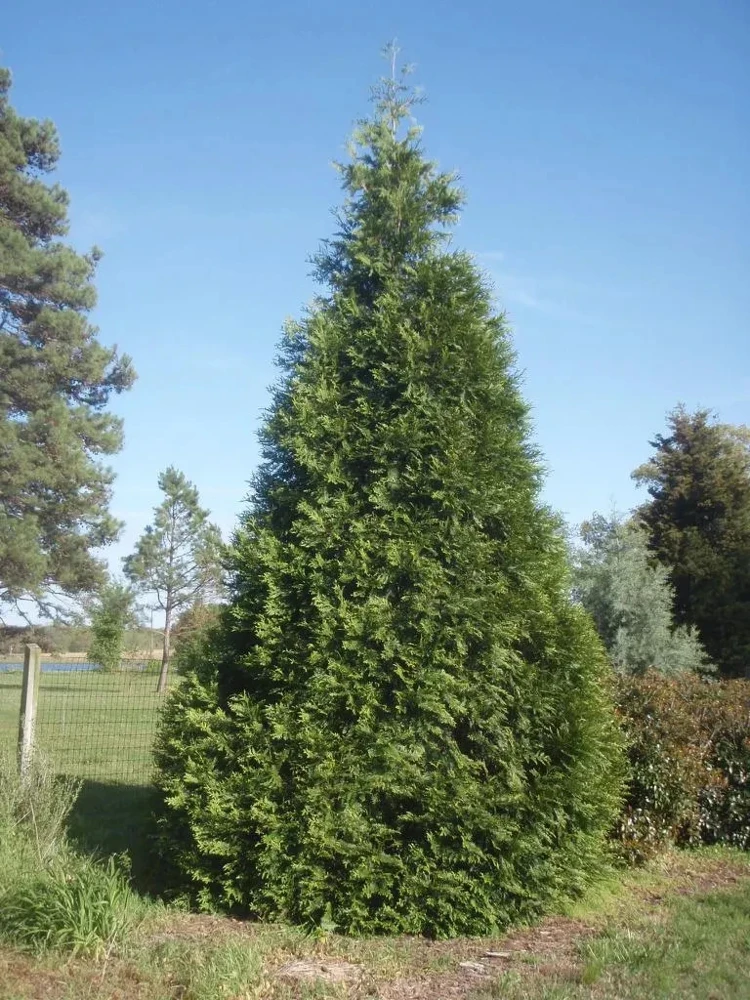
Green Giant Arborvitae Live Plants – 2 Pack, 12-15″ Tall, 2.5″ Pot – Outdoor Evergreen Privacy Tree
Reviews
There are no reviews yet.