
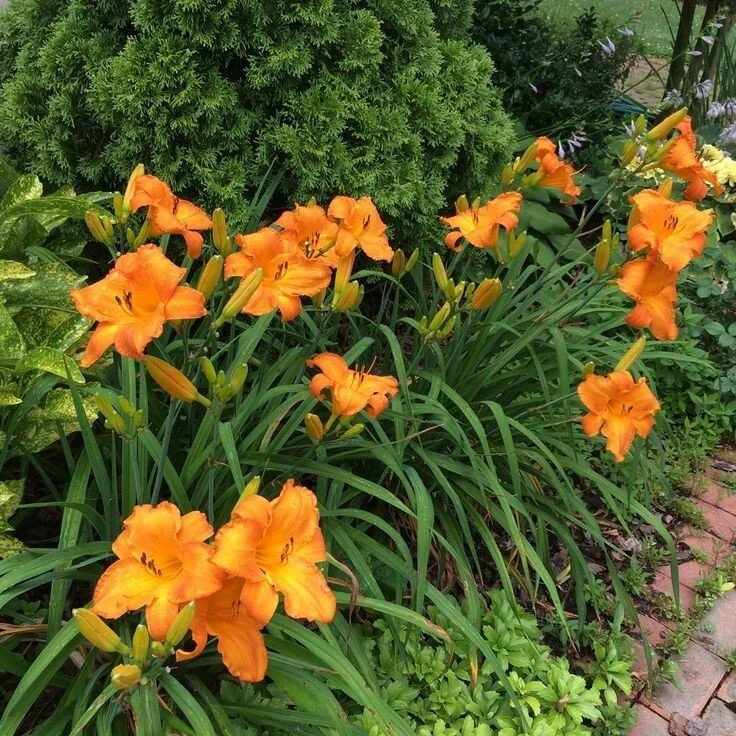
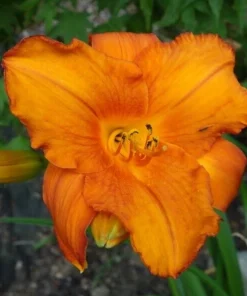
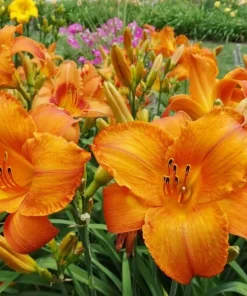
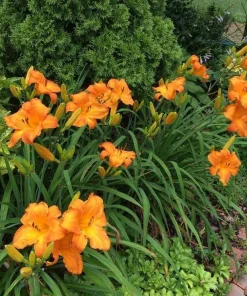
Mauna Loa Daylily Bulb – 1 Perennial Orange Flowering Bare Root Plant Outdoor
Original price was: $64.99.$44.99Current price is: $44.99.
Bring vibrant color to your garden with the Mauna Loa Daylily bulb. This orange perennial flower is a beautiful bare root plant, perfect for outdoor landscaping. Enjoy its easy care and prolific blooms.
Estimated arrival
Oct 25
Oct 30 - Nov 01
Nov 04 - Nov 08
Shop With Confidence
30-Day Plant Health Guarantee
Arrives damaged? We’ll replace it free — see our return policy.
Responsive Support
Email us anytime, we reply within 1 business day.
Expert Packaging
Temperature-controlled shipping to protect your plants in transit.
Secure Checkout
Pay safely with Visa, Mastercard, PayPal.
Plant Specifications
-
USDA Hardiness Zone
USDA zones 3-9 -
Soil Type
Well-draining soil -
Sunlight Exposure
Full Sun -
Expected Planting Period
Spring to early fall
Overview
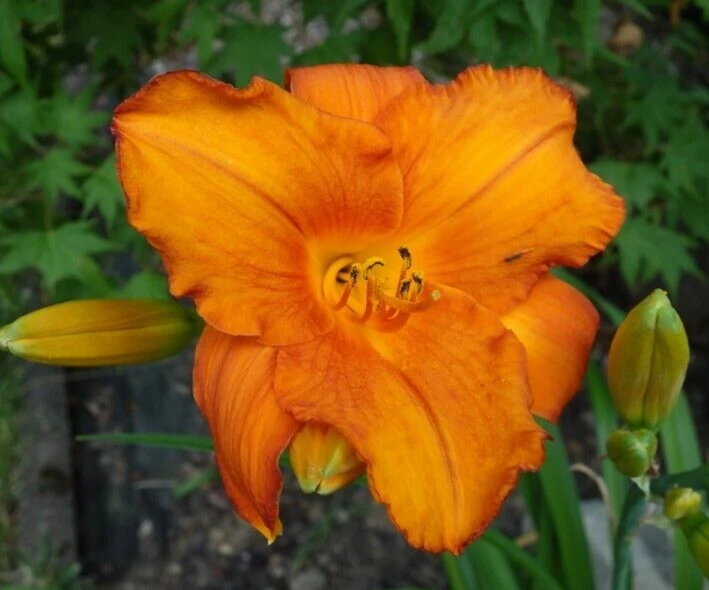
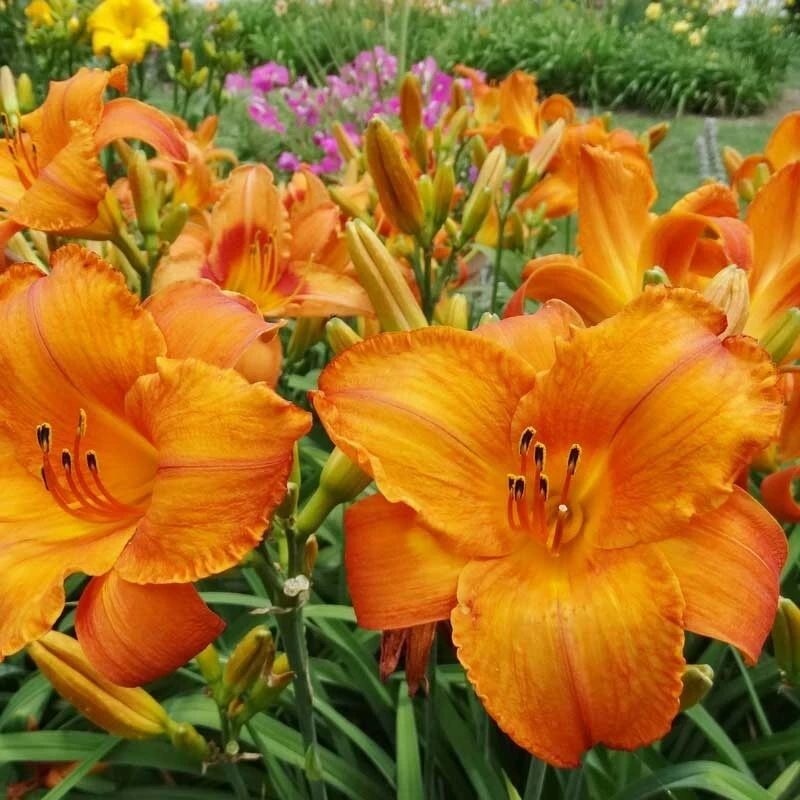
Transform your garden with the spectacular Mauna Loa Daylily bulb. This exquisite bare root plant is known for its stunning, vibrant orange blooms that bring a burst of color and cheer to any outdoor space. Daylilies, scientifically known as Hemerocallis, are beloved by gardeners for their resilience, beauty, and relatively low maintenance requirements. The ‘Mauna Loa’ variety is particularly prized for its bold hue and vigorous growth, making it an excellent choice for borders, mass plantings, or as a focal point in your perennial garden. Planting this Hemerocallis daylily means investing in years of consistent beauty and effortless charm, perfect for both seasoned gardeners and beginners alike.
Each Mauna Loa Daylily bulb arrives as a healthy bare root plant, ready to establish quickly in your garden. Daylilies are not true lilies but belong to their own genus, offering a unique floral display with trumpet-shaped flowers that typically last for a single day, hence their common name. However, each plant produces numerous buds, ensuring a continuous show of color over several weeks during its blooming season. This particular orange perennial flower variety is renowned for its adaptability and ability to thrive in a wide range of climates and soil conditions, making it a reliable addition to almost any garden setting. Prepare to enjoy a spectacular display with minimal effort.
Key Benefits
The Mauna Loa Daylily bulb offers a wealth of advantages for any gardener looking to enhance their landscape. Its striking appearance and robust nature make it a standout choice.
- Vibrant Orange Blooms: Enjoy a prolific display of large, fiery orange flowers that create a dramatic visual impact and attract beneficial pollinators to your garden.
- Low Maintenance: Daylilies are incredibly easy to care for, requiring minimal attention once established. They are drought-tolerant and disease-resistant, making them perfect for busy gardeners.
- Perennial Beauty: As a perennial, this Hemerocallis daylily returns year after year, growing larger and producing more blooms with each passing season, providing long-term value and beauty.
- Versatile Landscaping: Ideal for various garden applications, including mass plantings, borders, ground cover, or as an accent plant. Its adaptability makes it suitable for many design styles.
- Drought Tolerant: Once established, daylilies can withstand periods of dry weather, reducing the need for frequent watering and making them a sustainable choice for your garden.
- Pest and Disease Resistant: This robust plant naturally resists most common garden pests and diseases, ensuring a healthy and thriving display with less intervention.
- Attracts Pollinators: The bright, open flowers serve as a beacon for bees, butterflies, and hummingbirds, contributing to a healthy and vibrant garden ecosystem.
Plant Care & Growing Tips
Caring for your Mauna Loa Daylily bulb is straightforward, making it an excellent choice for gardeners of all experience levels. These resilient plants thrive with basic attention, ensuring a stunning display of orange perennial flower blooms each season. For optimal growth, plant your bare root daylily in a location that receives full sun, meaning at least six hours of direct sunlight per day. While they can tolerate partial shade, full sun promotes the most abundant flowering. Good air circulation is also beneficial to prevent fungal issues, so avoid overly crowded planting areas.
Daylilies prefer well-draining soil with a slightly acidic to neutral pH. Amend heavy clay soils with organic matter like compost to improve drainage and nutrient content. When planting the bare root, ensure the crown (where the roots meet the foliage) is about one inch below the soil surface. Water thoroughly after planting to settle the soil around the roots. Once established, daylilies are quite drought-tolerant, but regular watering during dry spells will encourage more vigorous growth and blooming. Fertilize in early spring with a balanced slow-release fertilizer, and deadhead spent blooms to encourage continuous flowering and maintain a tidy appearance. Division every 3-5 years can help rejuvenate older clumps and improve bloom production. This easy care daylily is a joy to grow.
Protect your bare root daylily from extreme winter conditions in colder climates by applying a layer of mulch after the first hard frost. This helps insulate the roots and prevent frost heave. While generally pest-resistant, keep an eye out for aphids or thrips, and treat with insecticidal soap if necessary. Proper spacing and good sanitation practices, such as removing old foliage, can further minimize potential problems. With these simple care guidelines, your Mauna Loa Daylily will flourish, providing a spectacular and reliable show of color year after year, proving why it’s such a popular Hemerocallis daylily choice.
Size & Details
The Mauna Loa Daylily bulb arrives as a robust bare root plant, ready for immediate planting and establishment in your garden. When mature, these impressive perennials typically reach a height of 24-36 inches (60-90 cm) with a similar spread, creating a substantial and impactful presence in your landscape. The lush green foliage forms an attractive clump, providing a beautiful backdrop for the vibrant orange flowers. Each bare root is carefully prepared to ensure a strong start and vigorous growth.
This orange perennial flower exhibits a moderate to fast growth rate, quickly establishing itself and producing its first blooms within the first year or two after planting. The flowering period typically occurs in mid-summer, lasting for several weeks as new buds continually open. Expect a continuous succession of charming, single-day blooms from this resilient easy care daylily. Its mature size and reliable blooming habit make it an excellent choice for adding consistent color and texture to perennial beds and borders.
Frequently Asked Questions
- Q: How big does this Mauna Loa Daylily plant get? A: The Mauna Loa Daylily bulb typically grows to a height of 24-36 inches (60-90 cm) and can spread similarly, forming a substantial clump of foliage and flowers in your garden.
- Q: Is this an indoor or outdoor plant? A: This Hemerocallis daylily is an outdoor plant, specifically bred for garden beds, borders, and landscape use. It thrives in full sun conditions outdoors.
- Q: How much sunlight does the orange perennial flower need? A: For the best blooming performance, the Mauna Loa Daylily requires at least 6 hours of direct sunlight per day, ideally in a full sun location.
- Q: Is this plant easy to care for? A: Yes, the easy care daylily is known for its remarkable resilience and low maintenance requirements, making it an excellent choice for both beginner and experienced gardeners.
- Q: What condition will the bare root daylily arrive in? A: Your Mauna Loa Daylily will arrive as a healthy, dormant bare root plant, carefully packaged and ready for planting to ensure optimal establishment.
- Q: How long until the Mauna Loa Daylily blooms? A: You can typically expect your Mauna Loa Daylily bulb to produce its first blooms within one to two growing seasons after planting, with more abundant flowering in subsequent years.
- Q: When is the best time to plant this bare root daylily? A: The ideal time to plant bare root daylilies is in the spring after the last frost, or in the early fall, allowing the roots to establish before winter.
- Q: What USDA hardiness zones is this Mauna Loa Daylily suitable for? A: The Mauna Loa Daylily is generally hardy and suitable for USDA hardiness zones 3 through 9, tolerating a wide range of climates.
- Q: Does this orange perennial flower attract pollinators? A: Yes, the vibrant blooms of the Mauna Loa Daylily are very attractive to various pollinators, including bees, butterflies, and hummingbirds.
- Q: Can I grow this Hemerocallis daylily in a container? A: While primarily a garden plant, you can grow the Mauna Loa Daylily in a large container (at least 15-20 inches in diameter) with good drainage, ensuring it has enough space for its root system.
Be the first to review “Mauna Loa Daylily Bulb – 1 Perennial Orange Flowering Bare Root Plant Outdoor”
People Also Viewed

Reviews
There are no reviews yet.