
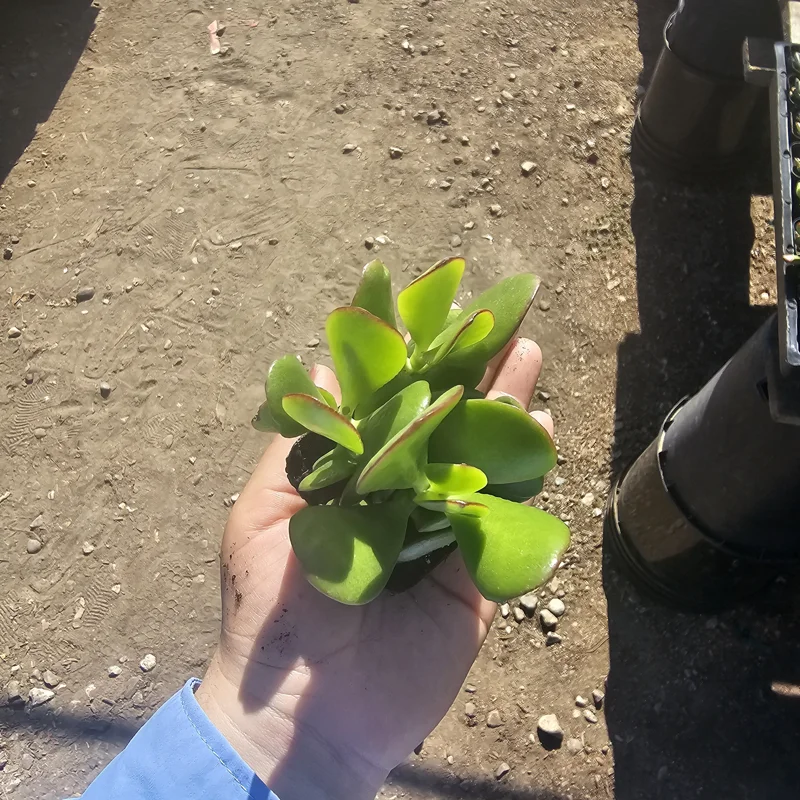
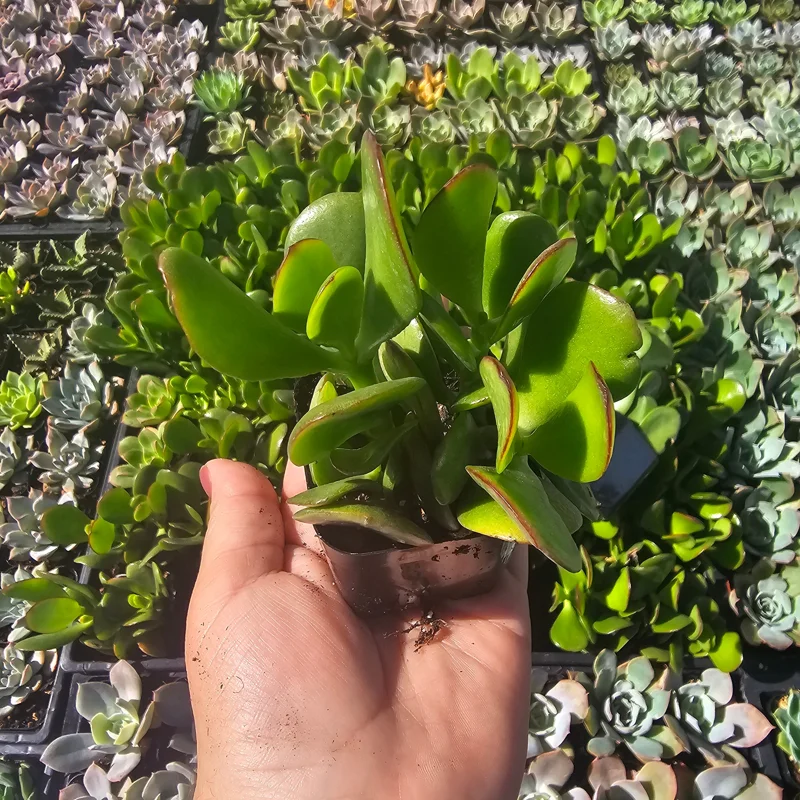
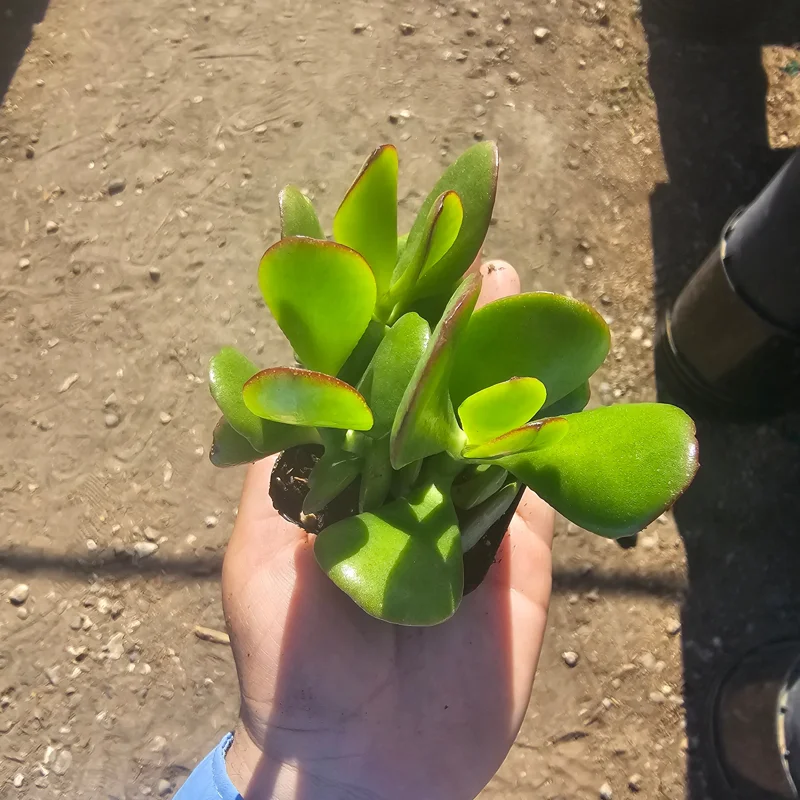
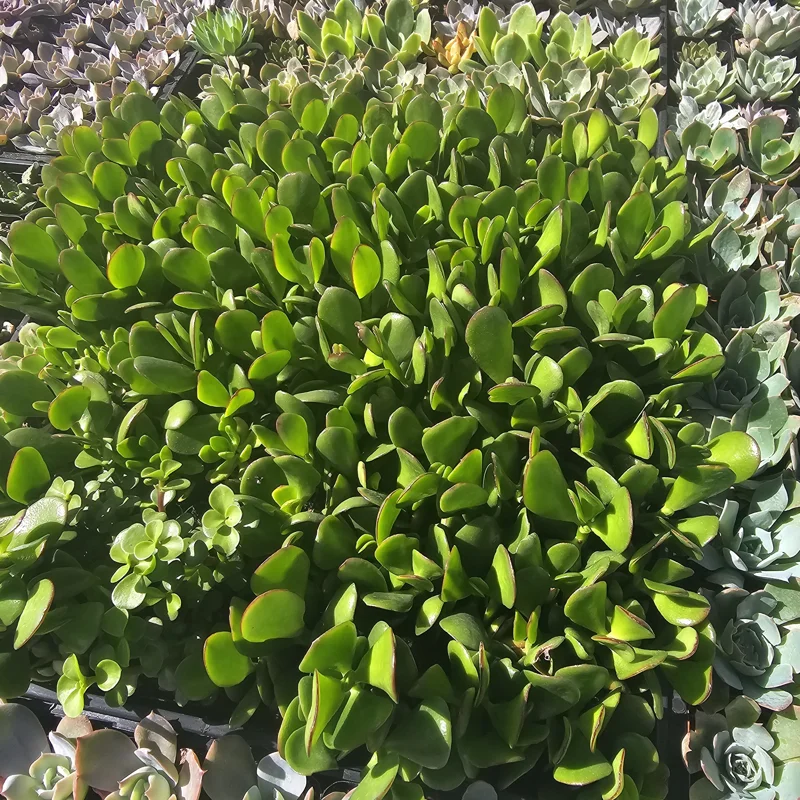
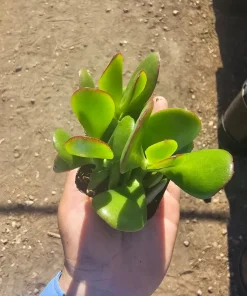
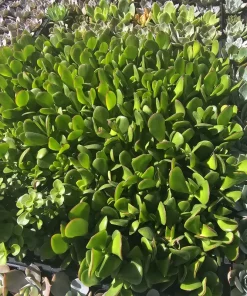
Crassula Ovata Jade Plant Live Succulent – 2 inch Pot – Indoor/Outdoor
Original price was: $47.99.$22.99Current price is: $22.99.
Bring home a vibrant jade plant live succulent, perfect for adding natural beauty to any space. This Crassula Ovata comes in a 2 inch pot, ideal for desks or windowsills, and is known for being one of the most easy care succulents.
Estimated arrival
Oct 15
Oct 20 - Oct 22
Oct 25 - Oct 29
Shop With Confidence
30-Day Plant Health Guarantee
Arrives damaged? We’ll replace it free — see our return policy.
Responsive Support
Email us anytime, we reply within 1 business day.
Expert Packaging
Temperature-controlled shipping to protect your plants in transit.
Secure Checkout
Pay safely with Visa, Mastercard, PayPal.
Plant Specifications
-
USDA Hardiness Zone
USDA zones 10-11 (outdoors); adaptable indoors year-round -
Soil Type
Well-draining succulent or cactus potting mix -
Sunlight Exposure
Bright indirect light; tolerates some direct morning sun -
Expected Planting Period
Year-round indoors
Overview
Introduce a touch of enduring beauty to your home or office with the magnificent jade plant live succulent. Known scientifically as Crassula Ovata, this beloved plant is a classic choice for both seasoned plant enthusiasts and beginners, famous for its thick, glossy, oval-shaped leaves and tree-like appearance. Originating from South Africa, the Crassula Ovata is a resilient and long-lived succulent that can thrive for decades with proper care, growing into a substantial indoor tree over time. Its robust nature makes it an ideal candidate for those seeking low-maintenance greenery. This particular offering provides a healthy, vibrant specimen in a convenient 2 inch pot, ready to be integrated into your living environment or given as a thoughtful gift. The jade plant live succulent is not only aesthetically pleasing but also contributes to a calm and refreshing atmosphere.
The Crassula Ovata, often referred to simply as the jade plant, is characterized by its woody stems and fleshy, emerald green leaves, which can develop reddish tips when exposed to sufficient sunlight. It’s often associated with good luck and prosperity, making it a popular housewarming gift. This durable succulent is adaptable and can be grown indoors year-round, or outdoors in warmer climates. Its compact size in a 2 inch pot makes it perfect for starting your succulent collection or for placing on a desk or shelf where space is at a premium. Enjoy the simple elegance and enduring charm of this iconic succulent.
Key Benefits
The jade plant live succulent offers a multitude of benefits that make it a favorite among plant lovers. Its striking appearance and minimal care requirements are just the beginning:
- Low Maintenance & Drought Tolerant: As one of the most easy care succulents, the jade plant requires infrequent watering, making it forgiving for those new to plant care or with busy schedules. Its ability to store water in its leaves means it can go weeks without water.
- Air Purifying Qualities: While not as potent as some other plants, the jade plant contributes to improved indoor air quality by absorbing certain toxins and releasing oxygen, especially at night.
- Long Lifespan: With proper care, a Crassula Ovata can live for many years, even decades, becoming a cherished part of your home and potentially growing into a significant indoor tree.
- Symbol of Prosperity: In many cultures, the jade plant is considered a symbol of good luck, wealth, and prosperity, making it a meaningful addition to any home or office.
- Versatile Decor: Its unique, tree-like structure and vibrant green foliage make it a versatile decorative element that complements various interior design styles, from modern to traditional. The indoor jade plant is a timeless choice.
- Easy Propagation: Jade plants are incredibly easy to propagate from stem or leaf cuttings, allowing you to expand your collection or share with friends and family. This makes it a rewarding plant to grow.
- Compact Size: Delivered in a 2 inch pot, this succulent is perfectly sized for windowsills, desks, or terrariums, offering a beautiful green accent without taking up much space.
Plant Care & Growing Tips
Caring for your jade plant live succulent is straightforward, making it an excellent choice for beginners. The key to a thriving Crassula Ovata lies in providing adequate sunlight, proper watering, and well-draining soil. These succulent plants for sale are naturally resilient. Firstly, ensure your jade plant receives plenty of bright, indirect sunlight. Ideally, place it near a south-facing window where it can get at least 4-6 hours of sun per day. While it can tolerate some direct morning sun, intense afternoon sun can scorch its leaves. If growing outdoors in suitable climates, partial shade is often best during the hottest parts of the day.
Watering is perhaps the most critical aspect of Crassula Ovata care. Allow the soil to dry out completely between waterings. When you do water, do so thoroughly until water drains from the bottom of the pot. Overwatering is the most common cause of jade plant demise, leading to root rot. In winter, reduce watering significantly as the plant’s growth slows. The ideal soil for an indoor jade plant is a well-draining succulent or cactus mix. This prevents water from sitting around the roots. Fertilize sparingly during the growing season (spring and summer) with a balanced liquid fertilizer diluted to half strength. Repot only when the plant becomes root-bound, usually every 2-3 years, choosing a pot only slightly larger than the previous one.
Size & Details
This offering includes a healthy jade plant live succulent, carefully cultivated and shipped in its nursery pot. The plant arrives in a standard 2 inch pot, making it a compact and manageable size for immediate display or for transplanting into a decorative container of your choice. At this stage, the plant typically stands approximately 3-5 inches tall from the soil line, with a sturdy stem and several fleshy leaves. While the exact size and fullness may vary slightly due to natural growth, each plant is selected for its overall health and vigor. The Crassula Ovata is a slow to moderate grower, but with consistent care, it will gradually mature into a larger, more impressive specimen over the years. It ships as a rooted plant, ensuring a strong start in its new environment. The leaves are typically a vibrant green, often developing a subtle red tint along the edges when exposed to ample sunlight. This makes it a delightful addition to any collection of succulent plants for sale.
Frequently Asked Questions
- Q: How big does this plant get? A: This jade plant live succulent starts in a 2 inch pot and typically reaches 3-5 inches in height upon arrival. With proper care, a mature Crassula Ovata can grow into a small shrub or tree, reaching several feet tall and wide indoors over many years.
- Q: Is this an indoor or outdoor plant? A: The jade plant is primarily grown as an indoor jade plant in most climates. It can be moved outdoors in USDA zones where temperatures remain above 50°F (10°C) year-round. It thrives in bright, indirect light both indoors and out.
- Q: How much sunlight does it need? A: Your Crassula Ovata requires at least 4-6 hours of bright, indirect sunlight daily. A south-facing window is often ideal. Too little light can lead to leggy growth, while too much direct, intense sun can burn the leaves.
- Q: Is this plant easy to care for? A: Yes, the jade plant is one of the most easy care succulents. Its drought tolerance and minimal needs make it perfect for beginners or those seeking a low-maintenance houseplant. Just be mindful of overwatering.
- Q: What condition will it arrive in? A: Your jade plant live succulent will arrive carefully packaged in its original 2 inch pot. While some soil may shift during transit, the plant is wrapped to ensure it reaches you in good health and ready to thrive.
- Q: How often should I water my jade plant? A: Water your jade plant only when the soil has completely dried out. The frequency will depend on your environment, but it’s often every 2-4 weeks during the growing season and less in winter. Always err on the side of underwatering rather than overwatering for proper Crassula Ovata care.
- Q: Is the jade plant pet-safe? A: Unfortunately, Crassula Ovata is considered toxic to pets if ingested. It’s best to keep your indoor jade plant out of reach of curious cats and dogs to ensure their safety.
- Q: Can I propagate this plant? A: Absolutely! The jade plant is very easy to propagate from stem or leaf cuttings. Simply allow the cut end to callus for a few days before placing it in well-draining soil, and it will root readily. This is a great way to create more succulent plants for sale for friends.
- Q: What kind of soil is best for a jade plant? A: A well-draining soil mix is crucial for the health of your jade plant. A specialized succulent or cactus potting mix is ideal, as it prevents waterlogging and promotes healthy root development.
- Q: Does it produce flowers? A: Mature Crassula Ovata plants can produce small, star-shaped white or pink flowers, typically in late winter or early spring, especially when they experience cooler, drier conditions in the fall. However, flowering is less common in younger or indoor plants.
Be the first to review “Crassula Ovata Jade Plant Live Succulent – 2 inch Pot – Indoor/Outdoor”
People Also Viewed
Flowers
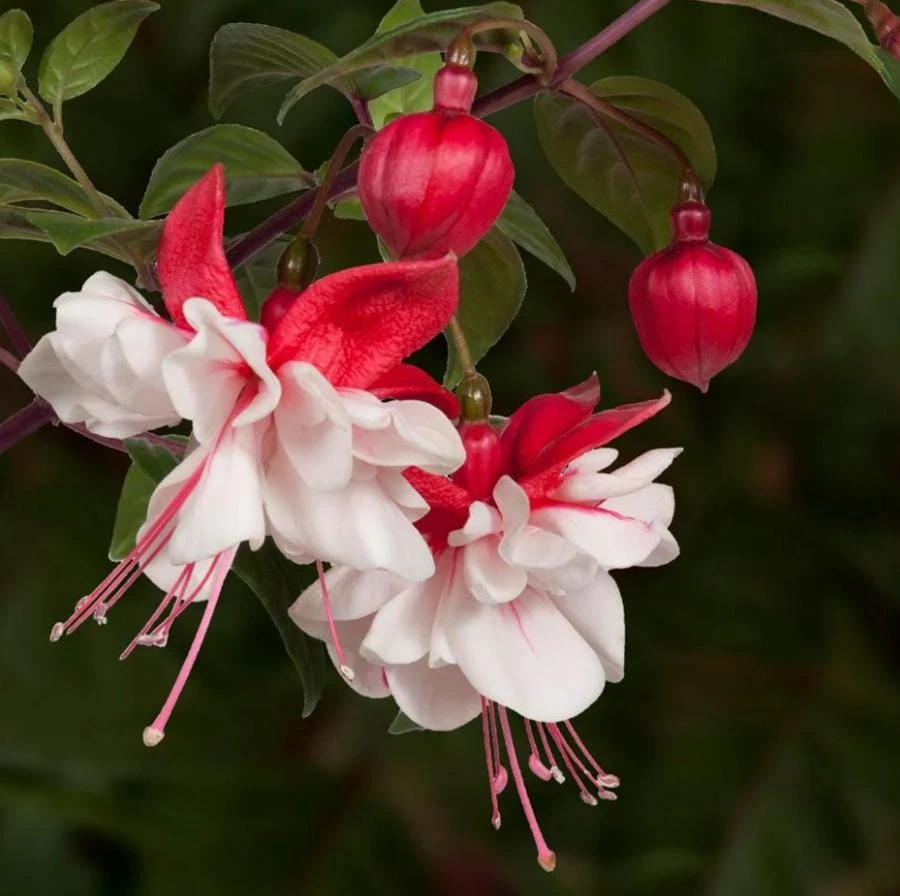
Swingtime Fuchsia Live Plant – 5″ Pot – Red & White Blooms – Attracts Hummingbirds – Outdoor Shrub
Vegetable Seeds
Reviews
There are no reviews yet.