
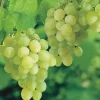

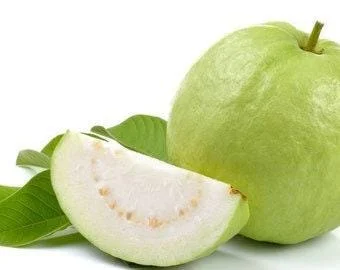
Thai Guava Tree Live Plant – 2 Feet Tall Airlayered – 1 Gallon Pot
$101.76
Bring the tropics to your home with a Thai guava tree live plant. This 2-foot tall, airlayered specimen is ready to thrive, offering sweet, aromatic fruit. Ideal for gardens or large containers, it’s a rewarding addition for any fruit lover.
Estimated arrival
Sep 14
Sep 19 - Sep 21
Sep 24 - Sep 28
Shop With Confidence
30-Day Plant Health Guarantee
Arrives damaged? We’ll replace it free — see our return policy.
Responsive Support
Email us anytime, we reply within 1 business day.
Expert Packaging
Temperature-controlled shipping to protect your plants in transit.
Secure Checkout
Pay safely with Visa, Mastercard, PayPal.
Plant Specifications
-
USDA Hardiness Zone
USDA zones 9–11 -
Soil Type
Well-draining, slightly acidic to neutral soil -
Sunlight Exposure
Full sun (6-8+ hours direct sunlight) -
Expected Planting Period
Year-round in warm climates, spring to summer in cooler zones
Overview
Cultivate your own exotic flavors with this magnificent Thai guava tree live plant. Standing at an impressive 2 feet tall, this airlayered specimen offers a head start on fruit production. Known for its crisp texture, sweet taste, and fragrant aroma, the Thai guava (Psidium guajava) is a highly sought-after tropical fruit. Unlike seed-grown plants, this airlayered guava tree ensures genetic purity and often begins bearing fruit much sooner. Originating from tropical regions, these trees are adaptable and can be grown in suitable climates outdoors or in containers in cooler zones, allowing you to enjoy fresh, homegrown guava. This particular variety is cherished for its large, round fruits with white flesh and fewer seeds, making it a favorite for fresh eating, juices, and desserts.
Key Benefits
Adding a Thai guava tree live plant to your collection brings numerous advantages, from delicious fruit to aesthetic appeal and potential health benefits. This robust plant is a fantastic choice for both novice and experienced gardeners.
- Abundant, Delicious Fruit: Enjoy a consistent supply of sweet, aromatic Thai guavas, perfect for snacking, making juices, smoothies, or desserts. The fruits are known for their delightful crunch and unique flavor profile, making them a tropical treat.
- Airlayered for Faster Fruiting: This airlayered guava tree bypasses the long waiting period of seed-grown plants, often producing fruit within 1-2 years. This method ensures you get a mature, dependable plant that’s true to type.
- Ornamental Value: Beyond its fruit, the Thai guava tree boasts attractive foliage and fragrant white flowers, adding a touch of tropical beauty to your garden, patio, or indoor space. Its lush green leaves provide a vibrant backdrop.
- Nutrient-Rich Harvest: Guavas are packed with Vitamin C, antioxidants, and dietary fiber, contributing to a healthy diet. Growing your own ensures a fresh, organic source of these beneficial nutrients.
- Versatile Growing Options: Suitable for planting directly in the ground in warm climates (USDA zones 9-11) or for container gardening in cooler regions, allowing you to move it indoors during winter. This flexibility makes growing Thai guava accessible to many.
- Relatively Low Maintenance: Once established, Thai guava trees are fairly resilient and require moderate care, making them a rewarding plant for gardeners of various skill levels. Regular watering and feeding will ensure a healthy, productive tree.
- Tropical Ambiance: The presence of a tropical fruit tree like the Thai guava instantly transforms your space into a more exotic and inviting environment, evoking feelings of a warm, sunny paradise.
Plant Care & Growing Tips
To ensure your Thai guava tree live plant thrives and produces abundant fruit, consistent care is essential. Guava trees prefer a warm, sunny environment. They need at least 6-8 hours of direct sunlight per day, so choose a location in full sun if planting outdoors, or a south-facing window if growing indoors. While they can tolerate some shade, fruit production will be reduced. Good air circulation is also important to prevent fungal diseases.
Watering should be regular, especially during dry periods and when the tree is fruiting. The soil should be kept consistently moist but not waterlogged. Allow the top inch or two of soil to dry out before watering again. For potted plants, ensure good drainage to prevent root rot. Fertilize your airlayered guava tree every 2-3 months during the growing season (spring and summer) with a balanced fertilizer formulated for fruit trees. Reduce feeding during fall and winter. Pruning can be done to maintain shape, size, and encourage better fruit production. Remove any dead, diseased, or crossing branches. Protecting young trees from frost is crucial; bring potted plants indoors or cover outdoor plants if temperatures drop below freezing. Understanding proper guava plant care is key to a successful harvest.
Size & Details
This offering is for one Thai guava tree live plant, which measures approximately 2 feet tall from the base of the pot to the top of the foliage. The plant is airlayered, a propagation method that ensures a strong root system and quicker establishment. It ships securely in a 1-gallon nursery pot, providing a healthy root ball ready for transplanting. Guava trees are known for their relatively fast growth rate, and with proper care, this plant can reach a mature height of 10-20 feet if planted in the ground, or a more manageable 6-10 feet in a container. Expect fruit production to begin within 1-2 years after planting, with peak harvests typically occurring in warmer months. The specific mature size of your tropical fruit tree will depend on your climate, pruning practices, and growing conditions.
Frequently Asked Questions
- Q: How big does this plant get? A: This Thai guava tree live plant is currently 2 feet tall. If planted in the ground, it can grow 10-20 feet tall, but can be maintained at 6-10 feet in a large container with regular pruning.
- Q: Is this an indoor or outdoor plant? A: In USDA zones 9-11, it can be grown outdoors year-round. In cooler climates, it’s best grown in a container and brought indoors during winter, making it a versatile guava plant care option.
- Q: How much sunlight does it need? A: A Thai guava tree requires at least 6-8 hours of direct sunlight per day to thrive and produce fruit. Full sun exposure is ideal for optimal growth and yield.
- Q: Is this plant easy to care for? A: Guava trees are relatively easy to care for once established. They require consistent watering, regular feeding during the growing season, and protection from frost, making growing Thai guava a rewarding experience.
- Q: What condition will it arrive in? A: Your airlayered guava tree will arrive securely packed in a 1-gallon nursery pot, with a healthy root system and foliage, ready for transplanting into its new home.
- Q: How long until it blooms and fruits? A: Since this is an airlayered plant, it has a head start. You can typically expect blooms and fruit production within 1-2 years after planting, much faster than from seed.
- Q: What’s the best soil type for this tree? A: This tropical fruit tree prefers well-draining, slightly acidic to neutral soil. A good quality potting mix for fruit trees or a blend of garden soil with compost works well.
- Q: Will it survive winter in my zone? A: Thai guava trees are tropical and susceptible to frost. They will survive outdoors only in USDA zones 9-11. In colder zones, they must be protected or moved indoors during winter.
- Q: Can I grow this in a small pot? A: While it ships in a 1-gallon pot, for long-term growth and fruiting, it will need to be transplanted into a much larger container (e.g., 15-25 gallons) to accommodate its root system and allow for proper development.
- Q: What are common pests for guava plants? A: Common pests can include fruit flies, aphids, and scale. Regular inspection and appropriate organic pest control methods can help manage these issues as part of your guava plant care routine.
Be the first to review “Thai Guava Tree Live Plant – 2 Feet Tall Airlayered – 1 Gallon Pot”
People Also Viewed
Flowers
Jasmine Sambac Orleans Live Plant – Highly Fragrant White Flowers, 4-6 Inch Tall, Indoor/Outdoor
Reviews
There are no reviews yet.