


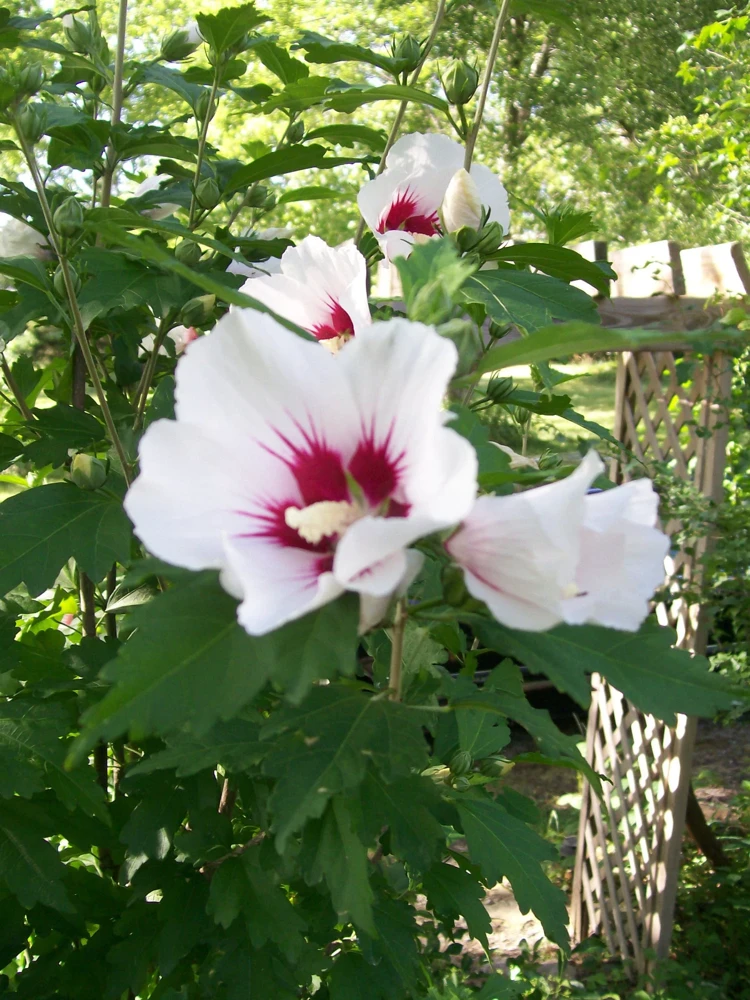
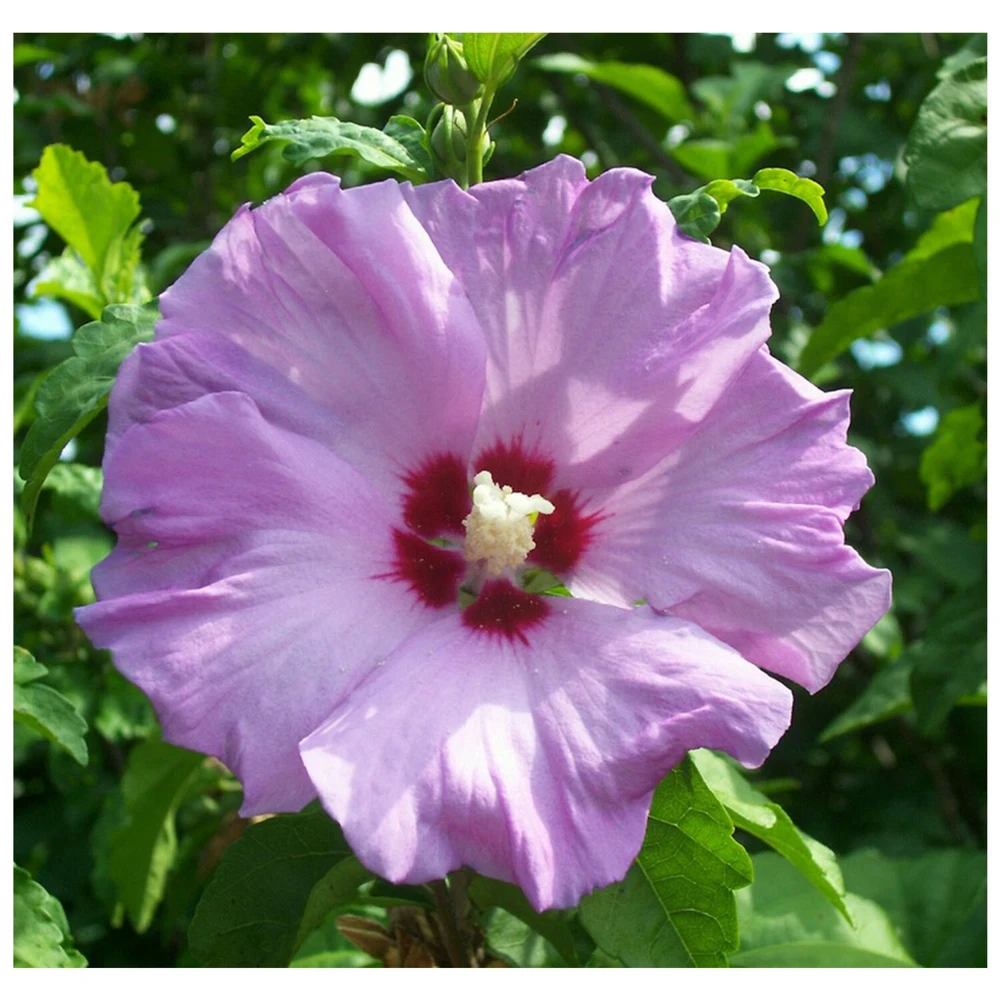
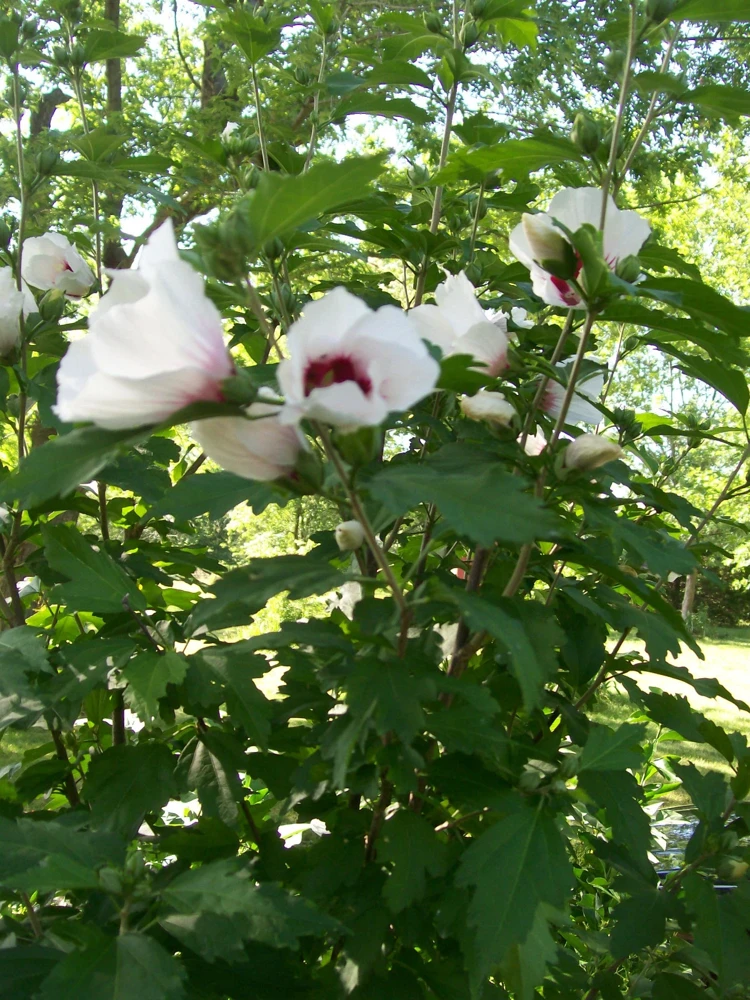
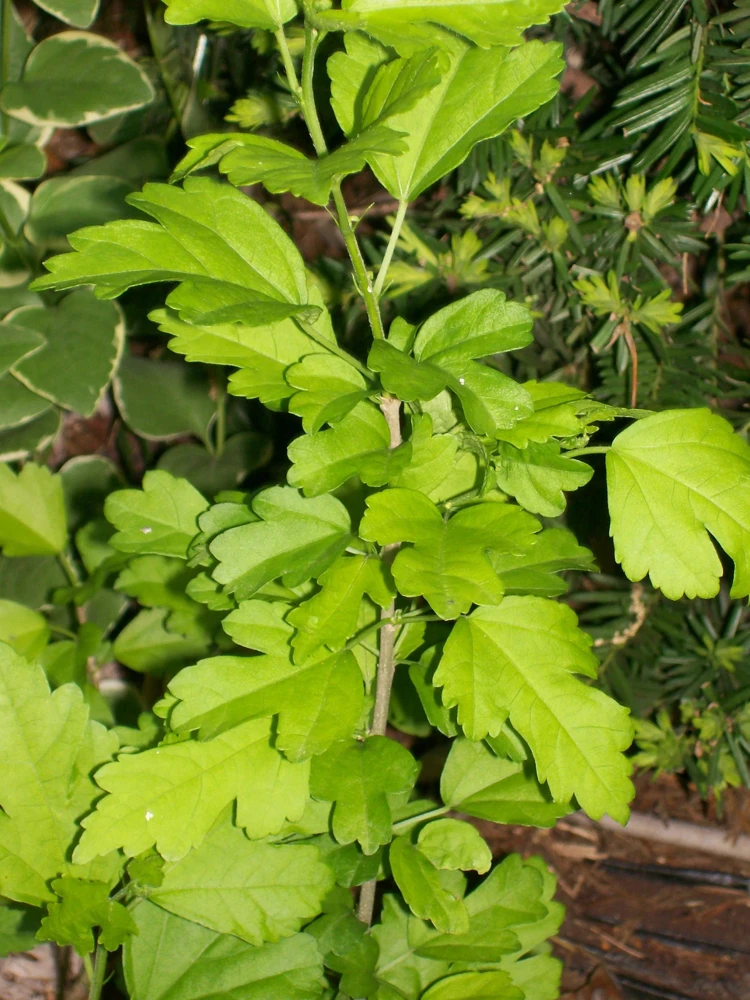
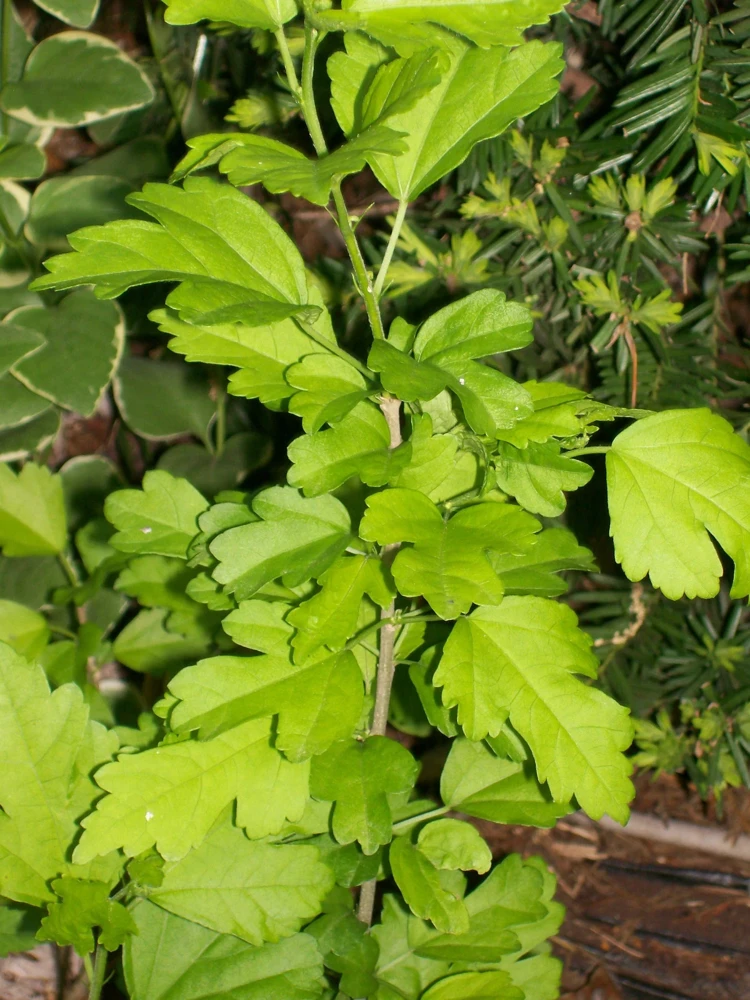
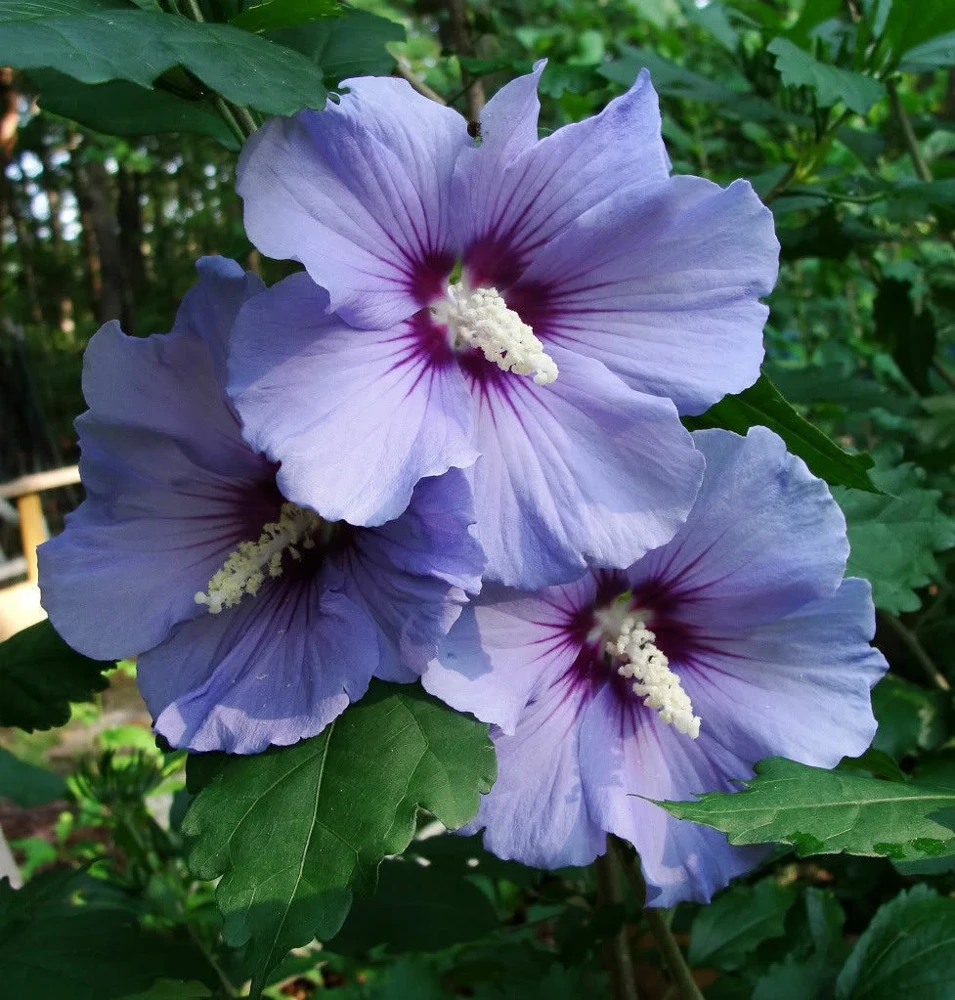
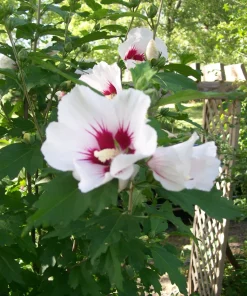
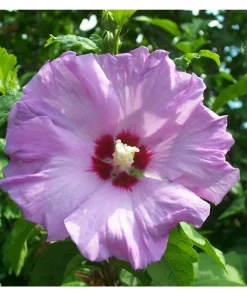
Rose of Sharon Plant Cuttings – White or Purple – Set of 10 Unrooted
Original price was: $35.49.$15.49Current price is: $15.49.
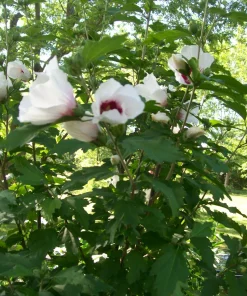
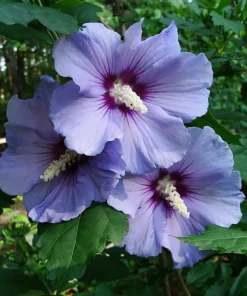
Cultivate stunning white and purple rose of sharon blooms in your garden with this set of 10 unrooted cuttings. Perfect for propagating new shrubs, these hibiscus syriacus cuttings are ready for planting and offer a rewarding gardening experience.
Estimated arrival
Oct 15
Oct 20 - Oct 22
Oct 25 - Oct 29
Shop With Confidence
30-Day Plant Health Guarantee
Arrives damaged? We’ll replace it free — see our return policy.
Responsive Support
Email us anytime, we reply within 1 business day.
Expert Packaging
Temperature-controlled shipping to protect your plants in transit.
Secure Checkout
Pay safely with Visa, Mastercard, PayPal.
Plant Specifications
-
USDA Hardiness Zone
5 (-20 to -10 °F) -
Soil Type
Well-draining soil -
Sunlight Exposure
Full Sun, Medium Sun -
Expected Planting Period
Spring to early summer
Overview
Transform your garden with this generous set of 10 rose of sharon plant cuttings, offering the promise of beautiful white or purple blooms. These unrooted cuttings provide an excellent opportunity for gardeners to propagate their own flowering shrubs, allowing for a cost-effective and rewarding way to expand your landscape. The Rose of Sharon, scientifically known as Hibiscus syriacus, is a resilient and showy deciduous shrub known for its large, trumpet-shaped flowers that bloom profusely from summer into fall. These particular cuttings offer a delightful choice between classic white or vibrant purple varieties, adding elegant color and vital pollinators to your outdoor space. Learning to propagate rose of sharon is a simple and enjoyable process, making these cuttings suitable for both novice and experienced plant enthusiasts.
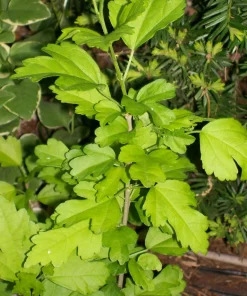
Each cutting is carefully selected to ensure viability, providing a strong foundation for new plant growth. The Hibiscus syriacus is a popular choice for hedges, borders, or as a standalone specimen plant due to its vigorous growth and stunning floral display. These hibiscus syriacus cuttings are derived from healthy parent plants, ensuring that the new shrubs will inherit the desirable characteristics of their parentage. This set allows you to create a uniform planting or mix and match colors for a dynamic visual effect. With proper care, these unrooted plant cuttings will quickly establish themselves, bringing beauty and life to your garden for years to come.
Key Benefits
Bringing rose of sharon plant cuttings into your garden offers numerous advantages, from aesthetic appeal to ecological benefits. Propagating these shrubs is a satisfying project that yields beautiful results.
- Vibrant Summer Blooms: Enjoy a long season of spectacular white or purple flowers from summer through fall, adding continuous color to your landscape when many other plants have faded. The impressive blooms are a highlight of any garden.
- Attracts Pollinators: The large, open flowers are a magnet for bees, butterflies, and hummingbirds, contributing to the biodiversity and health of your garden ecosystem. Your garden will be buzzing with life.
- Easy Propagation: These unrooted plant cuttings are specifically prepared for easy rooting and growth, making it a straightforward process to establish new shrubs. Even beginners can successfully propagate rose of sharon.
- Versatile Landscaping: Ideal for creating colorful hedges, privacy screens, mixed borders, or as an eye-catching specimen plant. The Rose of Sharon adapts well to various garden designs.
- Hardy and Resilient: Rose of Sharon (Hibiscus syriacus) is known for its robustness, tolerating a wide range of soil conditions and climates, making it a reliable choice for many gardens. It’s a low-maintenance shrub once established.
- Cost-Effective Garden Expansion: Propagating from cuttings is an economical way to multiply your plant collection or fill large areas of your garden without significant expense. Expand your garden easily with these white and purple rose of sharon cuttings.
- Low Maintenance: Once established, these shrubs require minimal care, thriving with basic watering and occasional pruning. This allows you more time to enjoy their beauty.
Plant Care & Growing Tips
Caring for your rose of sharon plant cuttings to ensure successful rooting and growth is relatively simple. Start by preparing a well-draining potting mix in small pots or a propagation tray. Dip the cut end of each unrooted plant cutting into rooting hormone (optional, but recommended for faster results) and then insert it into the soil, ensuring at least two nodes are buried. Keep the soil consistently moist but not waterlogged. Creating a humid environment, such as covering the pots with a plastic dome or bag, can significantly aid in the rooting process. Place the cuttings in a location that receives bright, indirect sunlight, avoiding harsh direct sun during the initial rooting phase.
Once your hibiscus syriacus cuttings have developed a strong root system (typically 4-8 weeks), they can be gradually acclimated to outdoor conditions and then transplanted into larger pots or directly into the garden. Rose of Sharon thrives in full sun to partial shade, requiring at least 6 hours of direct sunlight daily for optimal flowering. It prefers well-draining soil with a neutral to slightly acidic pH. Water regularly during dry periods, especially during the first growing season, to help establish a robust root system. Fertilize in spring with a balanced slow-release fertilizer. These shrubs are quite tolerant of drought once mature but will perform best with consistent moisture. Pruning can be done in late winter or early spring to shape the plant and encourage more blooms, as flowers form on new wood. Regular pruning will also help maintain the desired size and density of your white and purple rose of sharon shrubs.
Size & Details
This product includes a set of 10 rose of sharon plant cuttings, each unrooted and ready for propagation. The cuttings are typically 6-8 inches in length, providing ample stem material for successful rooting. These unrooted plant cuttings are shipped fresh and carefully packaged to ensure their viability upon arrival. Once rooted and established, these Hibiscus syriacus shrubs can grow to a mature height of 8-12 feet and a spread of 6-10 feet, depending on pruning habits and growing conditions. They are deciduous shrubs, losing their leaves in winter and leafing out again in spring. Expect the first blooms to appear in the second or third year after successful rooting and planting. The mature plants will provide a beautiful display of either white or purple flowers, offering a timeless addition to your garden.
Frequently Asked Questions
- Q: How big do these Rose of Sharon plants get? A: Once rooted and mature, rose of sharon plant cuttings can grow into shrubs typically 8-12 feet tall and 6-10 feet wide. Their final size can be managed with regular pruning to suit your garden space.
- Q: Is this an indoor or outdoor plant? A: Rose of Sharon (Hibiscus syriacus) is an outdoor deciduous shrub. While you can root the unrooted plant cuttings indoors, the mature plants are best suited for outdoor cultivation in suitable hardiness zones.
- Q: How much sunlight do these cuttings need to root? A: During the rooting phase, place the hibiscus syriacus cuttings in a location that receives bright, indirect sunlight. Once established and planted outdoors, the shrubs thrive in full sun, requiring at least 6 hours of direct sunlight daily.
- Q: Are these plants easy to care for? A: Yes, Rose of Sharon is known for being a relatively low-maintenance shrub once established. The initial rooting phase for unrooted plant cuttings requires consistent moisture and indirect light, but mature plants are quite hardy.
- Q: What condition will the cuttings arrive in? A: Your rose of sharon plant cuttings will arrive fresh and unrooted, carefully packaged to maintain their vitality during transit. They will be ready for immediate planting upon arrival.
- Q: How long until these cuttings bloom? A: With proper care, you can expect your propagated white and purple rose of sharon shrubs to start blooming in their second or third year after successful rooting and transplanting.
- Q: Will these plants survive winter in my zone? A: Rose of Sharon is hardy in USDA Zones 5-9. If you live within these zones, your established plants should successfully survive winter and return each spring.
- Q: How do I know if my propagate rose of sharon cuttings have rooted? A: You can gently tug on a cutting; if you feel resistance, it has likely rooted. You may also see new leaf growth as a sign of successful rooting.
- Q: What is the best way to plant these unrooted plant cuttings? A: Plant the cuttings in a well-draining, moist potting mix, burying at least two nodes. Maintain high humidity and bright, indirect light until roots develop.
- Q: Are these hibiscus syriacus cuttings child and pet safe? A: While Rose of Sharon is generally considered non-toxic, it’s always best to exercise caution and prevent ingestion by children or pets.
Be the first to review “Rose of Sharon Plant Cuttings – White or Purple – Set of 10 Unrooted”
People Also Viewed


Houseplants
Reviews
There are no reviews yet.