
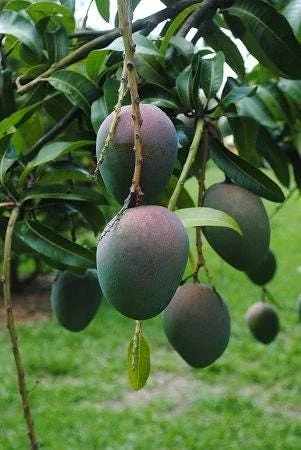
Kent Mango Tree – Grafted Live Plant – 1-3 Feet Tall – Outdoor
$137.76
Bring the tropics to your backyard with a Kent mango tree live plant. This grafted variety, standing 1 to 3 feet tall, is known for its sweet, fiberless fruit and vigorous growth. Ideal for warm climates, it offers the joy of homegrown mangoes.
Estimated arrival
Sep 14
Sep 19 - Sep 21
Sep 24 - Sep 28
Shop With Confidence
30-Day Plant Health Guarantee
Arrives damaged? We’ll replace it free — see our return policy.
Responsive Support
Email us anytime, we reply within 1 business day.
Expert Packaging
Temperature-controlled shipping to protect your plants in transit.
Secure Checkout
Pay safely with Visa, Mastercard, PayPal.
Plant Specifications
-
USDA Hardiness Zone
USDA Zones 9-11 -
Soil Type
Well-draining, slightly acidic (pH 6.0-6.5) sandy loam -
Sunlight Exposure
Full sun (6-8 hours direct sunlight daily) -
Expected Planting Period
Spring to early summer
Overview
Cultivate your own tropical paradise with this premium Kent mango tree live plant. Renowned for its exceptional flavor and smooth, fiberless flesh, the Kent mango is a highly sought-after variety among fruit enthusiasts. This particular offering is a grafted tree, which means it has been propagated to ensure earlier fruiting and a more reliable yield compared to seed-grown trees. Standing approximately 1 to 3 feet tall, this young tree is ready to establish itself in your garden or a large container, promising bountiful harvests of delicious fruit in the coming years. The Kent mango is celebrated for its rich, sweet taste and juicy texture, making it a favorite for fresh eating, smoothies, and desserts. Growing your own grafted mango tree provides the satisfaction of fresh, organic fruit right from your backyard.
The Kent mango tree (Mangifera indica ‘Kent’) is a vigorous grower once established, developing a dense canopy that provides ample shade and an attractive ornamental presence. Its adaptability to various warm climates makes it a popular choice for home gardeners in USDA Zones 9-11. With proper care, this Kent mango tree live plant will mature into a productive fruit-bearing specimen, offering not just delicious fruit but also a beautiful addition to your landscape. Whether you’re an experienced gardener or just starting your fruit tree journey, this grafted Kent mango tree is an excellent investment for fresh, tropical flavors.
Key Benefits
Investing in a Kent mango tree live plant brings a multitude of advantages to your garden and your palate. Not only will you enjoy the freshest possible fruit, but you’ll also benefit from the specific characteristics of this superior variety:
- Exceptional Fruit Quality: The Kent mango is famous for its sweet, rich flavor and incredibly smooth, fiberless flesh. This makes it ideal for eating fresh, blending into smoothies, or using in various culinary creations without the stringiness often found in other mango varieties. You’ll taste the difference in homegrown fruit.
- Early Fruiting with Grafted Trees: As a grafted mango tree, this plant is designed to produce fruit much sooner than trees grown from seed. Grafting ensures that the tree retains the desirable characteristics of the parent plant, leading to quicker yields and consistent fruit quality.
- Vigorous Growth and Attractive Foliage: Once established, the Kent mango tree exhibits vigorous growth, developing a lush, dense canopy. Its attractive dark green leaves make it a beautiful ornamental addition to any garden or patio, providing shade and tropical ambiance.
- High Yield Potential: With proper care and suitable growing conditions, a mature Kent mango tree can be highly productive, providing a generous supply of mangoes during its fruiting season. This means plenty of fruit for your family and friends.
- Adaptability to Warm Climates: This variety thrives in warm, subtropical, and tropical climates, making it an excellent choice for gardeners in USDA Zones 9-11. It can also be grown in containers in cooler regions, allowing you to move it indoors during cold weather.
- Health Benefits of Mangoes: Mangoes are a rich source of vitamins A and C, dietary fiber, and antioxidants, contributing to a healthy diet. Growing mango trees at home ensures you have access to nutrient-rich, chemical-free fruit.
- Satisfaction of Homegrown Produce: There’s immense satisfaction in harvesting your own fruit. Knowing exactly how your mangoes were grown and enjoying their peak freshness directly from the tree is an unparalleled experience.
Plant Care & Growing Tips
Caring for your Kent mango tree live plant is essential for its healthy growth and abundant fruit production. Mango trees thrive in warm, sunny conditions and require specific attention to watering, soil, and fertilization. For optimal growth, plant your mango tree in a location that receives at least 6-8 hours of direct sunlight daily. In very hot climates, some afternoon shade can be beneficial to prevent leaf scorch. If growing in a container, choose a large pot (at least 15-20 gallons) with excellent drainage and consider using a heavy-duty dolly to move it seasonally.
Watering is crucial, especially for young trees. Keep the soil consistently moist but never waterlogged. Allow the top few inches of soil to dry out between waterings. Mature trees are more drought-tolerant but will produce better fruit with regular irrigation during dry spells, especially when fruit is developing. The ideal soil for growing mango trees is well-draining, slightly acidic (pH 6.0-6.5), and rich in organic matter. A sandy loam is often preferred. Ensure good air circulation around the tree to prevent fungal diseases. Mulching around the base of the tree (keeping it away from the trunk) helps retain moisture, suppress weeds, and regulate soil temperature.
Fertilize your grafted mango tree regularly during its active growing season, typically from spring through summer. Use a balanced slow-release fertilizer designed for tropical fruit trees, or one with a slightly higher phosphorus content to encourage flowering and fruiting. Follow package instructions for application rates. Protect young trees from frost if you live in an area prone to occasional freezes; covering them or bringing container-grown trees indoors can prevent damage. Pruning should be done after harvest to maintain a manageable size, remove dead or diseased branches, and encourage a strong, open structure for better light penetration and air circulation, which also helps in pest and disease management. Look out for common pests like scale insects and mites, treating them with horticultural oil or insecticidal soap as needed.
Size & Details
This offering is for one Kent mango tree live plant, which is a grafted specimen. The tree typically stands between 1 to 3 feet tall from the base of the root ball to the top of the foliage upon arrival. It is shipped with a healthy root system, often in a nursery pot or carefully packaged to ensure its safety during transit. The exact height may vary slightly depending on the growth stage and recent pruning, but all trees are healthy and ready for planting. Grafted trees like this one are known for their relatively fast growth rate, with many beginning to produce fruit within 2-4 years of planting under optimal conditions. The mature size of a Kent mango plant care tree can reach 15-20 feet in height and spread if left unpruned, but it can be maintained at a smaller, more manageable size through regular pruning, making it suitable for larger containers or smaller garden spaces.
When you receive your grafted mango tree, it will be well-rooted and prepared for transplanting. While the initial height is 1-3 feet, its vigorous nature means it will quickly grow once established. Expect to plant it in a location where it has ample room to grow or be prepared for consistent pruning to control its size. The tree’s overall health and vitality are prioritized during shipping to ensure a successful start in your garden. This size is ideal for establishing a strong root system without the shock often associated with larger, more mature trees.
Frequently Asked Questions
- Q: How big does this Kent mango tree live plant get? A: If left unpruned, a mature Kent mango tree can reach heights of 15-20 feet with a similar spread. However, it can be maintained at a smaller, more manageable size through regular pruning, making it suitable for various garden sizes or large containers.
- Q: Is this an indoor or outdoor plant? A: The Kent mango tree thrives outdoors in warm climates (USDA Zones 9-11). In cooler regions, it can be grown in a large container and moved indoors during colder months to protect it from frost.
- Q: How much sunlight does my grafted mango tree need? A: Mango trees require at least 6-8 hours of direct sunlight per day for optimal growth and fruit production. Ensure it’s planted in a sunny location with good air circulation.
- Q: Is this plant easy to care for? A: While mango trees require consistent care regarding watering, fertilizing, and sun exposure, they are generally considered moderately easy to care for, especially for those familiar with growing mango trees in warm climates.
- Q: What condition will it arrive in? A: Your Kent mango tree live plant will arrive with a healthy root system, typically in a nursery pot or carefully packaged to ensure its safety and vitality during transit. It will be ready for immediate planting.
- Q: When is the best time to plant a grafted mango tree? A: The best time to plant is in spring or early summer, after the last threat of frost, when temperatures are consistently warm. This allows the tree ample time to establish its root system before cooler weather.
- Q: What’s the ideal soil type for this mango tree? A: Mango trees prefer well-draining, slightly acidic soil (pH 6.0-6.5) that is rich in organic matter. A sandy loam works very well. Avoid heavy, clay soils that retain too much water.
- Q: How often should I water my Kent mango plant care? A: Keep the soil consistently moist, especially for young trees, but avoid overwatering. Allow the top few inches of soil to dry out between waterings. Mature trees are more drought-tolerant but benefit from regular irrigation during dry periods.
- Q: Will it survive winter in my zone? A: Kent mango trees are best suited for USDA Zones 9-11, where winter temperatures rarely drop below freezing. If you’re in a colder zone, you’ll need to provide winter protection or grow it in a container that can be brought indoors.
- Q: How long until this tropical fruit trees bears fruit? A: As a grafted tree, you can expect fruit production to begin within 2-4 years after planting, given optimal growing conditions and proper care.
Be the first to review “Kent Mango Tree – Grafted Live Plant – 1-3 Feet Tall – Outdoor”
People Also Viewed
Reviews
There are no reviews yet.