
Washington Hawthorn Tree Live Plant – 18-24 Inches Tall – 2-3 Years Old – Outdoor
Original price was: $62.79.$42.79Current price is: $42.79.
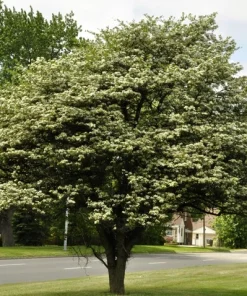
Discover the beauty of a Washington Hawthorn Tree live plant, perfect for adding year-round interest to your garden. This 18-24 inch tall, 2-3 year old specimen provides stunning white flowers in spring, bright red berries in fall, and attractive foliage. Ideal for landscaping, it’s a hardy and beautiful addition to any outdoor space.
Estimated arrival
Oct 15
Oct 20 - Oct 22
Oct 25 - Oct 29
Shop With Confidence
30-Day Plant Health Guarantee
Arrives damaged? We’ll replace it free — see our return policy.
Responsive Support
Email us anytime, we reply within 1 business day.
Expert Packaging
Temperature-controlled shipping to protect your plants in transit.
Secure Checkout
Pay safely with Visa, Mastercard, PayPal.
Plant Specifications
-
USDA Hardiness Zone
USDA Zones 4-8 -
Soil Type
Well-draining loamy soil, adaptable to clay, sandy, or rocky soils -
Sunlight Exposure
Full sun (at least 6 hours direct sunlight) -
Expected Planting Period
Early spring or late fall
Overview
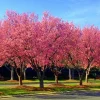
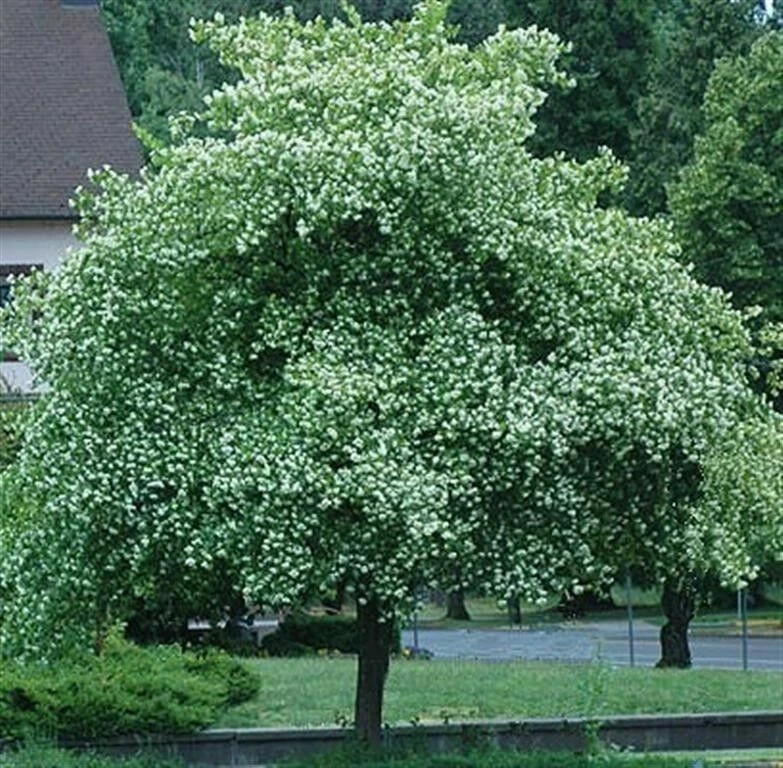
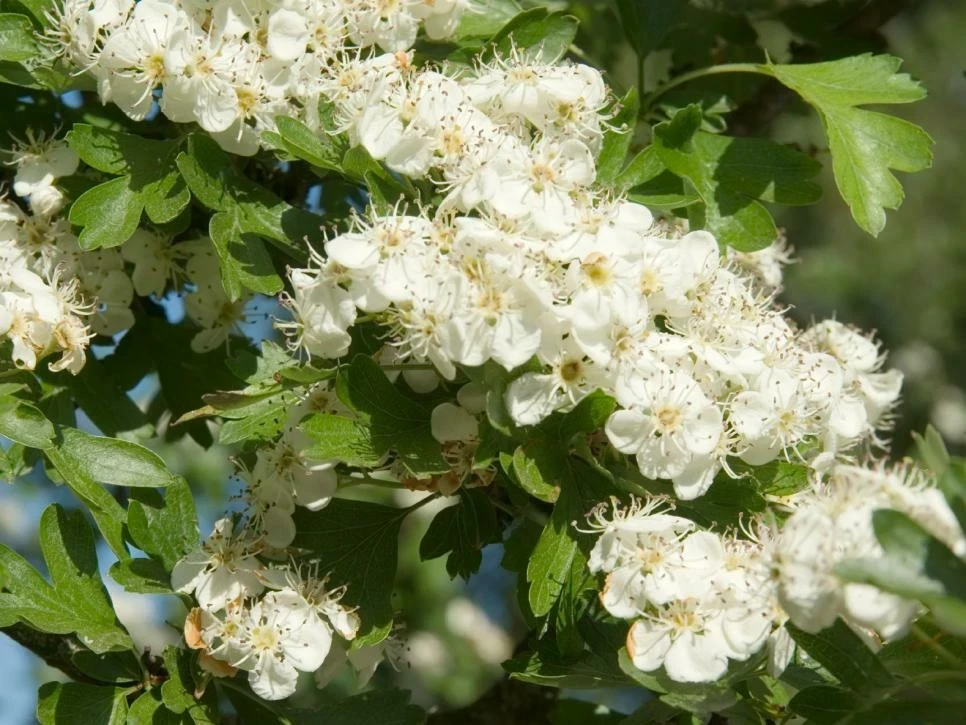
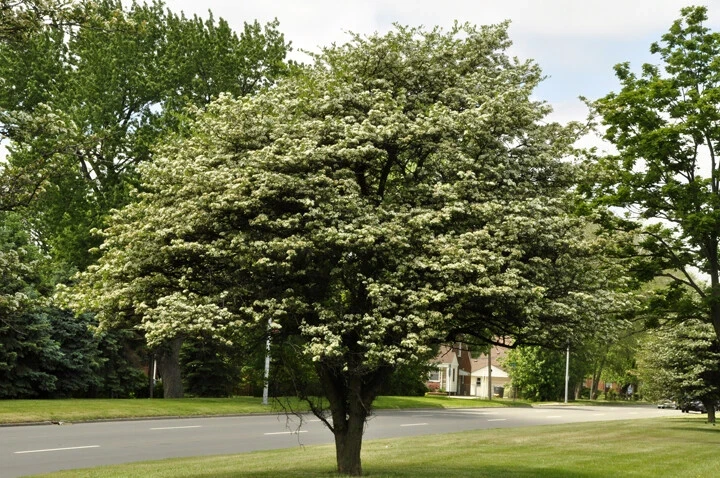
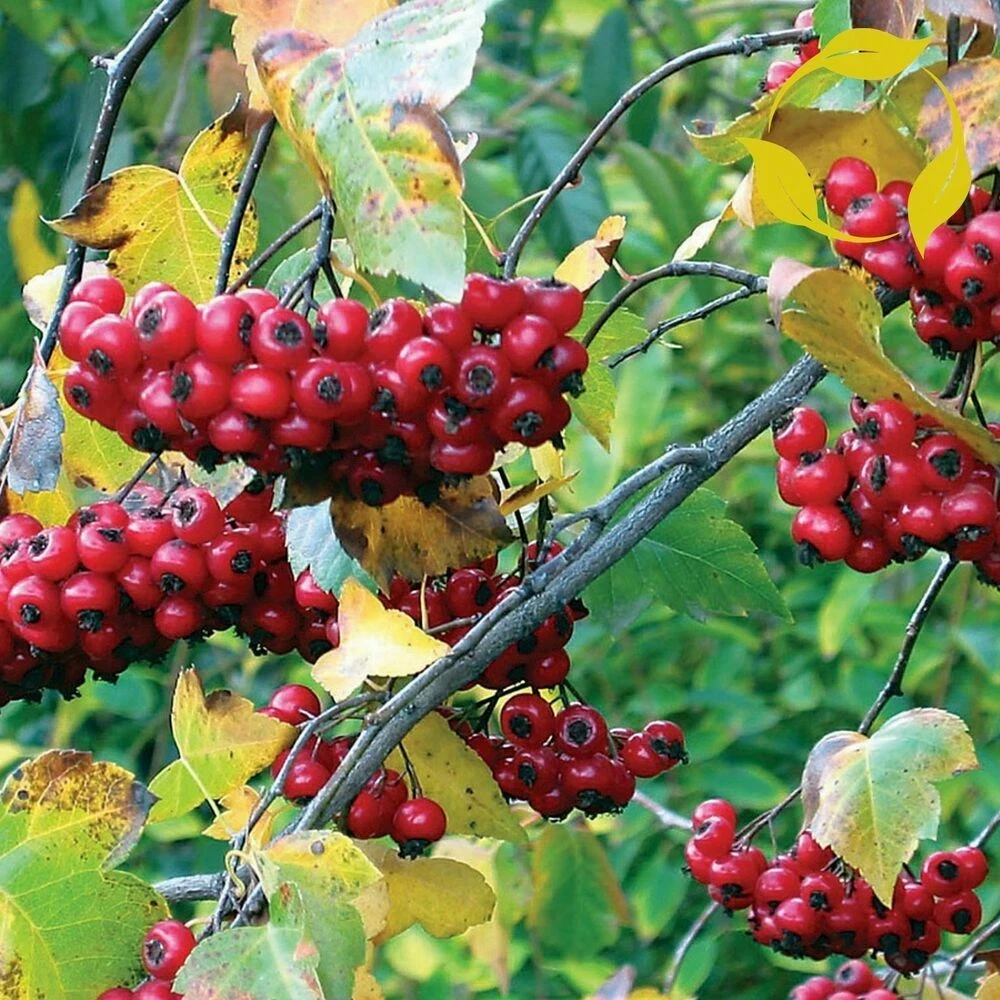
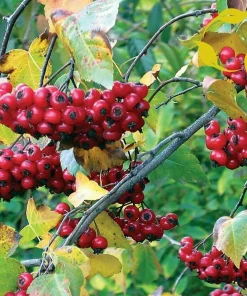
Introduce a touch of natural elegance and year-round beauty to your landscape with the Washington Hawthorn Tree live plant. This particular specimen is 18 to 24 inches tall and approximately 2 to 3 years old, making it a well-established young tree ready for planting. The Washington Hawthorn Tree live plant, scientifically known as Crataegus phaenopyrum, is a highly valued ornamental tree celebrated for its multi-season appeal. It begins its display in spring with clusters of delicate white flowers, which are a magnet for pollinators. As summer progresses, the flowers give way to an abundance of glossy, bright red berries that persist well into winter, providing a vital food source for birds and adding a striking visual contrast against winter snow. Its vibrant orange-red fall foliage further enhances its charm, making it a captivating focal point in any garden or yard design. This hardy and adaptable tree is an excellent choice for those seeking a low-maintenance, yet high-impact addition to their outdoor environment.
The Washington Hawthorn Tree live plant is a deciduous tree native to the eastern United States. It’s renowned for its dense, thorny branches, which can provide excellent nesting sites and protection for small birds. Beyond its aesthetic qualities, this tree is also highly functional, often used for hedges, screens, or as a specimen tree. Its moderate size makes it suitable for various landscape applications, from urban gardens to larger estates. When you choose a Washington Hawthorn Tree live plant, you’re investing in a piece of nature that will bring joy and ecological benefits for many years to come.
Key Benefits
The Washington Hawthorn Tree live plant offers a multitude of benefits that make it a standout choice for home gardeners and landscape enthusiasts alike. Its robust nature and striking appearance ensure it remains a beloved component of any outdoor setting.
- Multi-Seasonal Interest: Enjoy a continuous display of beauty throughout the year. The Washington Hawthorn Tree live plant showcases brilliant white flowers in spring, lush green foliage in summer, vibrant red and orange leaves in fall, and persistent red berries through winter.
- Attracts Wildlife: The abundant red berries serve as a crucial food source for various bird species during the colder months, while spring flowers attract bees and other pollinators, enriching your garden’s biodiversity.
- Hardy and Adaptable: Known for its resilience, this tree tolerates a wide range of soil conditions and urban environments, making it suitable for various climates and planting locations.
- Low Maintenance: Once established, the Crataegus phaenopyrum tree requires minimal care, making it an excellent choice for busy gardeners who desire beauty without extensive upkeep.
- Excellent for Landscaping: Its attractive form, thorny branches, and colorful features make it ideal for use as a specimen tree, screen, hedge, or in mixed shrub borders, adding structure and beauty.
- Erosion Control: The strong root system of the hawthorn can help stabilize soil on slopes, contributing to erosion control in your yard.
- Native Ornamental Tree: As a native species, it supports local ecosystems and thrives in its natural habitat, requiring less intervention than non-native alternatives.
Plant Care & Growing Tips
Caring for your Washington Hawthorn Tree live plant is relatively straightforward, making it a rewarding addition to any garden. These trees are known for their hardiness and ability to thrive in various conditions, but providing optimal care will ensure vigorous growth and abundant displays of flowers and berries. Proper planting and initial care are crucial for the establishment of your young tree.
When it comes to sunlight, the Crataegus phaenopyrum tree performs best in full sun, meaning it should receive at least 6 hours of direct sunlight per day. While it can tolerate partial shade, flowering and fruiting may be less prolific. For soil, it prefers well-drained loamy soil but is highly adaptable and can grow in clay, sandy, or rocky soils, as long as drainage is adequate. Good drainage is essential to prevent root rot. Water your young Washington Hawthorn Tree live plant regularly during its first growing season to help establish a strong root system. Once established, it is fairly drought-tolerant but will benefit from supplemental watering during prolonged dry spells. Fertilization is generally not necessary in rich soils, but if your soil is poor, a balanced, slow-release fertilizer can be applied in early spring before new growth begins. Pruning should be done in late winter or early spring to remove dead, damaged, or crossing branches and to maintain its desired shape. The thorns on this tree can be sharp, so always wear protective gloves when handling. Keep an eye out for common hawthorn tree diseases or pests, though this species is generally quite resistant. Regular inspection can help catch any issues early. Understanding hawthorn tree care will ensure your plant thrives.
Size & Details
This offering is for a Washington Hawthorn Tree live plant that measures approximately 18 to 24 inches in height. It is a young tree, typically 2 to 3 years old, which means it has developed a robust root system and is well-prepared for transplanting into your garden. The tree will be shipped as a bare root plant, carefully packaged to ensure its health and vitality upon arrival. When mature, the Washington Hawthorn Tree can reach heights of 15 to 25 feet with a similar spread, forming a dense, rounded crown. Its growth rate is moderate, typically adding 12 to 24 inches of height per year under ideal conditions. Expect to see its first significant bloom and berry production within a few years of planting.
The mature size of this red berry tree makes it suitable for various landscape applications, from a prominent specimen tree to a natural privacy screen. The thorns are a natural defense mechanism and can add a rugged character to its appearance. The small, pea-sized bright red berries provide a stunning visual display and remain on the tree long after the leaves have fallen, offering winter interest and a food source for birds. The native ornamental tree is a long-lived species, providing decades of beauty and ecological benefits to your property.
Frequently Asked Questions
- Q: How big does this Washington Hawthorn Tree live plant get? A: This particular plant is 18 to 24 inches tall and 2-3 years old. At maturity, a Washington Hawthorn Tree typically reaches a height of 15 to 25 feet with a similar spread.
- Q: Is this an indoor or outdoor plant? A: The Washington Hawthorn Tree live plant is an outdoor tree, well-suited for landscaping in temperate climates. It is not designed to be grown indoors.
- Q: How much sunlight does a Crataegus phaenopyrum tree need? A: For optimal growth and fruiting, this tree requires full sun, meaning at least 6 hours of direct sunlight per day. It can tolerate partial shade, but flowering and berry production may be reduced.
- Q: What condition will the Washington Hawthorn Tree live plant arrive in? A: The plant will arrive as a bare root specimen, carefully packaged to protect its roots and ensure its health during transit. You should plant it as soon as possible after arrival.
- Q: Is this tree difficult to care for? A: No, the Washington Hawthorn Tree is considered low-maintenance once established. It’s very hardy and adaptable, making hawthorn tree care relatively easy for most gardeners.
- Q: When is the best time to plant a Washington Hawthorn Tree live plant? A: The best time to plant bare root trees like this red berry tree is in early spring or late fall when the tree is dormant. This allows the roots to establish before extreme weather conditions.
- Q: What USDA hardiness zones is this native ornamental tree suitable for? A: The Washington Hawthorn Tree is generally hardy in USDA Zones 4 through 8, making it suitable for a wide range of climates across the United States.
- Q: Will the berries attract pests? A: While the berries are a food source for birds, they generally do not attract common garden pests that would harm the tree or your home.
- Q: Do these trees have thorns? A: Yes, Washington Hawthorn Trees are known for their sharp thorns on their branches. This characteristic provides natural protection and can offer nesting sites for birds.
- Q: How long until I see flowers and berries on my Washington Hawthorn Tree live plant? A: Since this is a 2-3 year old plant, you can expect to see flowers and berries within a few years of planting, provided it receives appropriate care and growing conditions.
Be the first to review “Washington Hawthorn Tree Live Plant – 18-24 Inches Tall – 2-3 Years Old – Outdoor”
People Also Viewed
Flower Plants
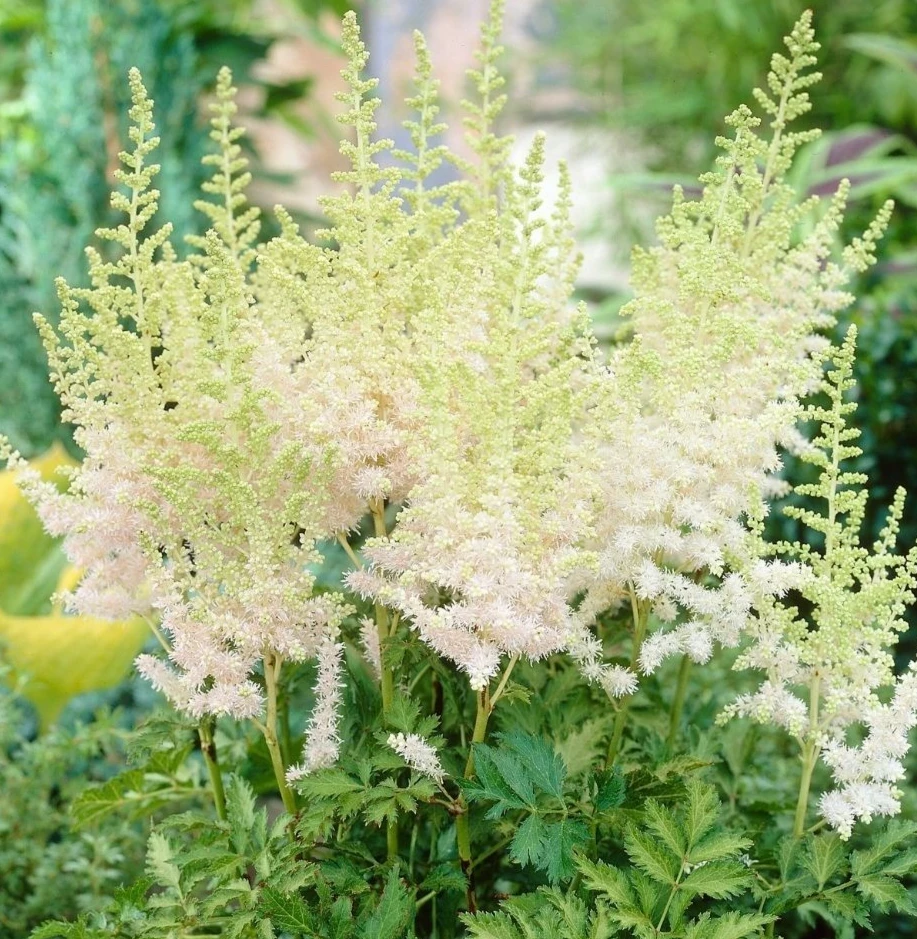
Astilbe Milk and Honey Bare Root Perennial Plants – 2 Pack, Creamy White to Soft Pink, Outdoor
Uncategorized
Reviews
There are no reviews yet.