
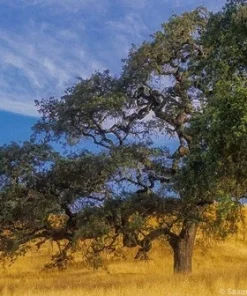
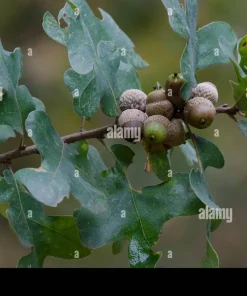
Post Oak Tree Live Plant – Quercus stellata – 18+ Inches – Outdoor
Original price was: $75.39.$55.39Current price is: $55.39.
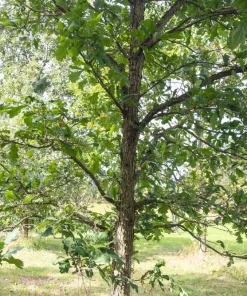
Bring home a robust Post Oak live plant (Quercus stellata), standing over 18 inches tall. This native North American tree is a hardy, drought-tolerant choice for landscaping, offering dense shade and attracting local wildlife. Ideal for outdoor planting in various climates.
Estimated arrival
Oct 15
Oct 20 - Oct 22
Oct 25 - Oct 29
Shop With Confidence
30-Day Plant Health Guarantee
Arrives damaged? We’ll replace it free — see our return policy.
Responsive Support
Email us anytime, we reply within 1 business day.
Expert Packaging
Temperature-controlled shipping to protect your plants in transit.
Secure Checkout
Pay safely with Visa, Mastercard, PayPal.
Plant Specifications
-
USDA Hardiness Zone
USDA Zones 5-9 -
Soil Type
Well-draining soil -
Sunlight Exposure
Full sun -
Expected Planting Period
Fall to early spring
Overview
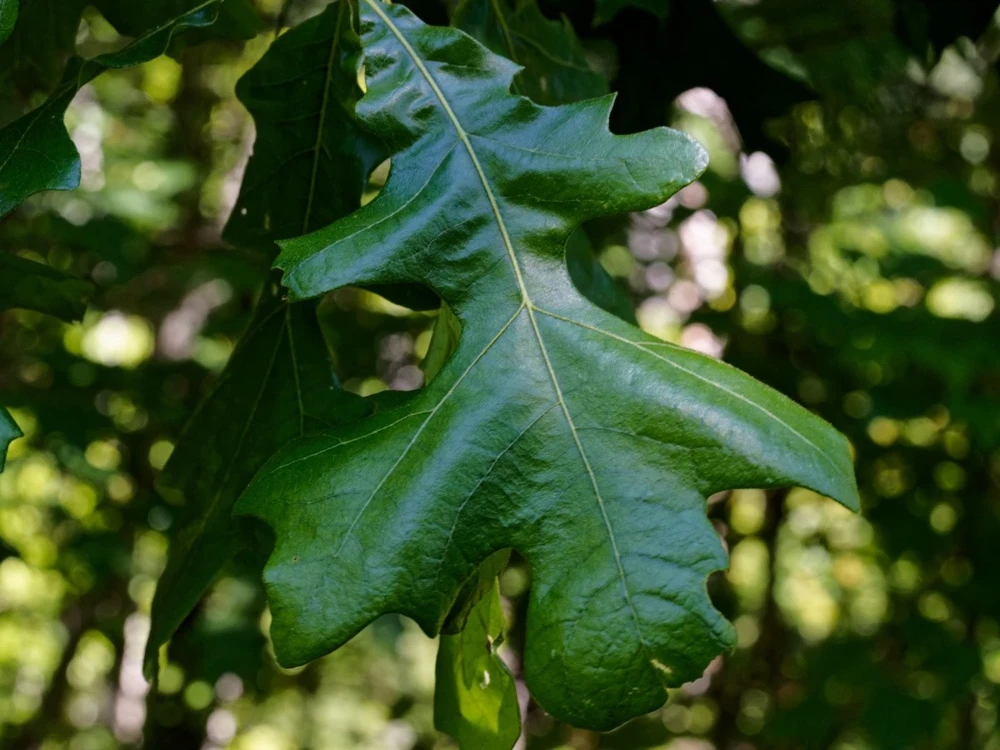
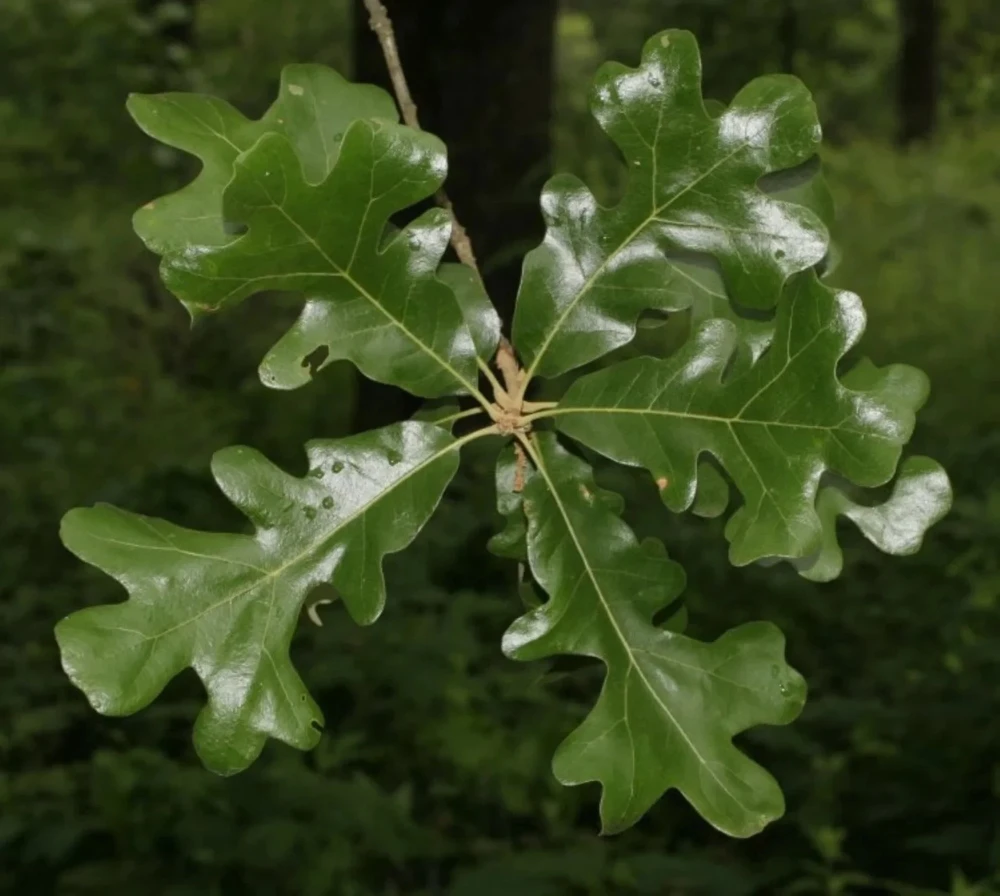
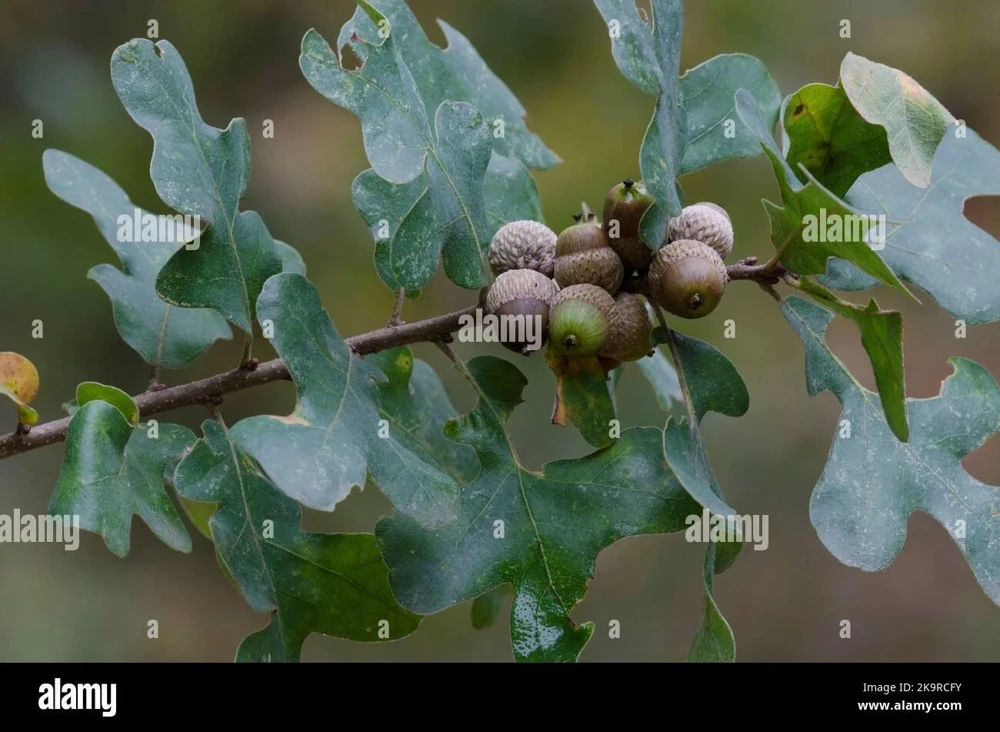
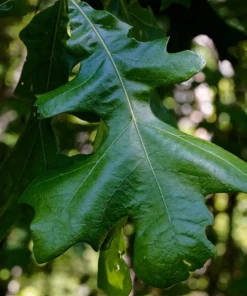
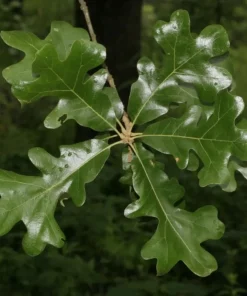
Cultivate a piece of classic American landscape with the Post Oak live plant, scientifically known as Quercus stellata. This majestic deciduous tree is a cornerstone of many natural ecosystems, celebrated for its distinctive, cross-shaped leaves and strong, upright growth habit. Our 18+ inch specimens provide a head start for establishing a resilient and long-lived tree in your garden. The Post Oak is a truly versatile and beautiful addition, offering significant shade and contributing to local biodiversity. Known for its strong timber and adaptability, this native oak tree is an excellent choice for sustainable landscaping and creating a lasting legacy in your outdoor space.
The Quercus stellata tree is a slow to medium-growing species that can eventually reach impressive sizes, making it an ideal long-term investment for any property. Its robust nature and natural resistance to many common tree ailments make it a relatively low-maintenance option once established. Whether you are looking to enhance a large yard, reforest an area, or simply enjoy the beauty of a native species, the Post Oak delivers both aesthetic appeal and ecological benefits.
Key Benefits
The Post Oak live plant offers a multitude of advantages for any landscape, combining aesthetic beauty with ecological benefits. This hardy tree is a fantastic choice for those seeking a durable and impactful addition to their outdoor environment.
- Exceptional Drought Tolerance: Once established, the Quercus stellata tree is highly resistant to drought conditions, making it suitable for regions with less consistent rainfall and requiring minimal supplemental watering.
- Wildlife Habitat: The acorns produced by the Post Oak provide a vital food source for various wildlife, including deer, squirrels, and birds, enriching your garden’s ecosystem.
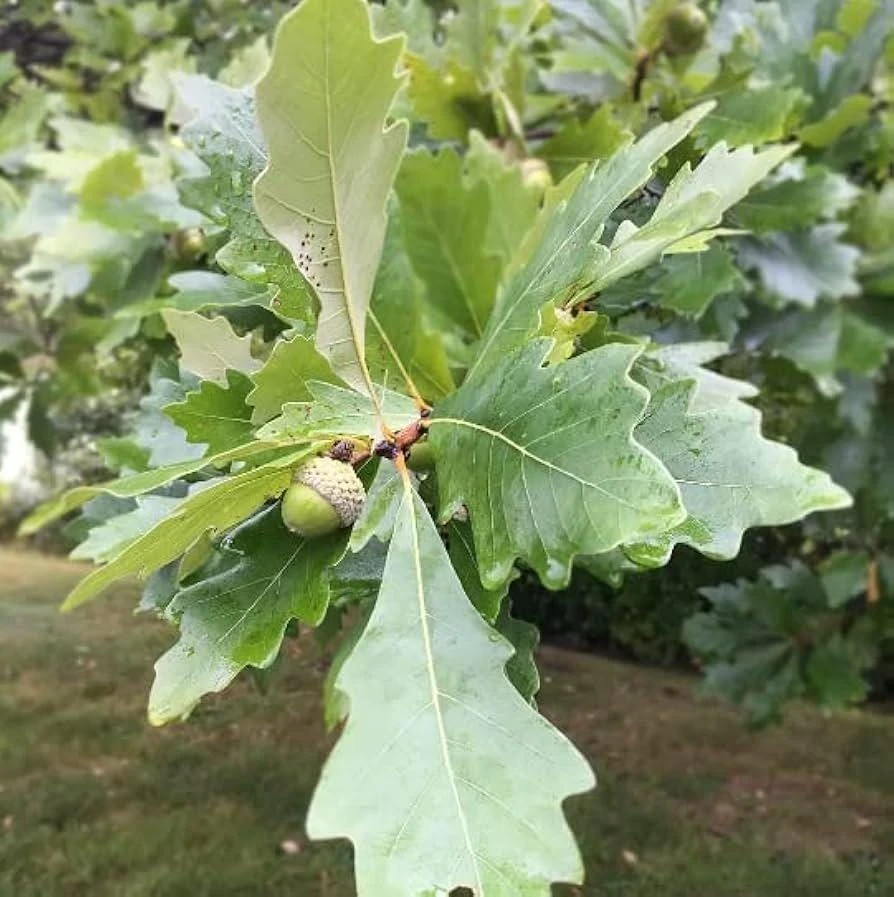
- Shade and Beauty: With its dense canopy and distinctive lobed leaves, the Post Oak provides excellent shade during hot summer months and boasts attractive green foliage that turns to shades of brown and gold in the fall.
- Low Maintenance: This native oak tree is known for its hardiness and adaptability, requiring minimal care once it has established its root system. It thrives in a range of soil types.
- Long Lifespan: Post Oaks are incredibly long-lived, often gracing landscapes for hundreds of years, making them a generational investment for your property.
- Strong Timber: Historically valued for its strong, durable wood, the Post Oak contributes to the natural beauty and resilience of the landscape.
- Native Species: Planting a drought tolerant tree like the Post Oak supports local ecosystems and requires less intervention than non-native alternatives.
Plant Care & Growing Tips
Caring for your Post Oak live plant involves understanding its natural preferences to ensure robust growth. These trees are quite self-sufficient once established, but proper initial care will set them up for success. Sunlight is crucial; Post Oaks thrive in full sun, meaning they need at least 6 hours of direct sunlight per day. While they can tolerate some partial sun, optimal growth and health are achieved in bright, open areas. Ensure your planting site provides ample space for its mature size.
Watering should be consistent during the first year of establishment. Water deeply once or twice a week, allowing the soil to dry out slightly between waterings. Once established, the Quercus stellata tree is remarkably drought-tolerant and will generally only need supplemental watering during prolonged dry spells. The Post Oak prefers well-draining soil, thriving in sandy loams, clays, and rocky soils, but it does not tolerate consistently wet conditions. Good drainage is key to preventing root issues. These trees are hardy in USDA Zones 5-9 and can withstand a range of temperatures, from cold winters to hot summers.
Fertilization is typically not necessary for a healthy native oak tree growing in decent soil. If growth appears stunted or leaves are discolored, a balanced, slow-release tree fertilizer can be applied in early spring. Pruning is best done in late winter or early spring while the tree is dormant, focusing on removing any dead, damaged, or crossing branches to maintain a strong structure. Keep an eye out for common oak pests or diseases, though Post Oaks are generally quite resistant. Ensuring proper air circulation and avoiding overwatering will help prevent most fungal issues.
Size & Details
This offering is for a 18 inch oak tree or taller, providing a substantial young specimen ready for planting. The plant is typically shipped as a bare root seedling or in a small nursery pot, carefully packaged to ensure its health upon arrival. The Post Oak is a slow to medium-growing tree, with an average growth rate of 12-24 inches per year under ideal conditions. While its initial growth may seem modest, it develops a strong root system and sturdy trunk, leading to a long and healthy life.
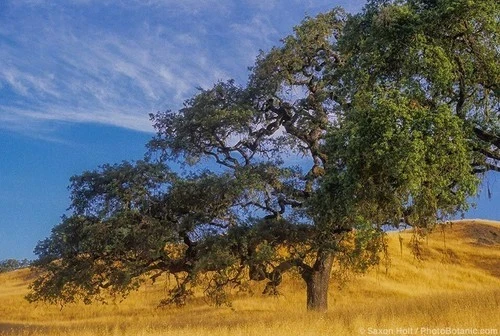
At maturity, a Post Oak live plant can reach heights of 40-70 feet with a spread of 30-50 feet, forming a broad, rounded crown. Its distinctive leaves, often described as having a cross-like shape, are a rich green, turning to warm browns and golds in the fall, offering seasonal interest. This impressive size makes it an excellent choice for a shade tree in larger landscapes or as a specimen tree. Expect your young tree to take several years to become fully established and begin its more vigorous growth phase, ultimately becoming a magnificent and enduring part of your landscape.
Frequently Asked Questions
- Q: How big will this 18+ inch Post Oak tree get? A: While your Post Oak live plant arrives at 18+ inches, mature Post Oak trees can reach impressive heights of 40-70 feet with a spread of 30-50 feet, making them substantial shade trees for large landscapes.
- Q: Is the Post Oak an indoor or outdoor plant? A: The Post Oak (Quercus stellata) is a deciduous hardwood tree that is strictly an outdoor plant. It requires full sun and ample space to thrive and cannot be grown indoors long-term.
- Q: How much sunlight does a Post Oak need? A: This native oak tree thrives in full sun, requiring at least 6 hours of direct sunlight per day for optimal growth and health. It can tolerate some partial shade but performs best in bright, open locations.
- Q: Is this tree easy to care for? A: Once established, the Post Oak is considered a very low-maintenance and drought tolerant tree. Initial care involves consistent watering during the first year, but after that, it’s quite self-sufficient.
- Q: What condition will my Post Oak live plant arrive in? A: Your 18 inch oak tree or taller will be carefully packaged, likely as a bare root specimen or in a small nursery pot, ensuring it arrives in a healthy and viable condition, ready for planting.
- Q: When is the best time to plant a Post Oak tree? A: The best time to plant a Post Oak is typically in the fall or early spring, allowing the tree to establish its root system before the stress of summer heat or winter cold.
- Q: What kind of soil does a Post Oak prefer? A: Post Oaks are adaptable but prefer well-draining soil. They can grow in sandy loams, clays, and rocky soils, but standing water should be avoided.
- Q: Is the Post Oak tree pet-safe? A: While the foliage and acorns of oak trees can be toxic to pets if ingested in large quantities, the tree itself is not typically considered a direct hazard if pets are not habitually eating parts of it. Supervision is always recommended.
- Q: Will this Post Oak survive winter in my zone? A: The Quercus stellata tree is very hardy and suitable for USDA Zones 5-9, meaning it can tolerate a wide range of winter temperatures within these zones.
- Q: How quickly does a Post Oak grow? A: The Post Oak has a slow to medium growth rate, typically growing between 12 to 24 inches per year. It’s a long-term investment, developing into a magnificent mature tree over many years.
Be the first to review “Post Oak Tree Live Plant – Quercus stellata – 18+ Inches – Outdoor”
People Also Viewed

Vegetable Seeds
140 Russet Potato Seeds for Planting – Heirloom Vegetable Seeds

Reviews
There are no reviews yet.