
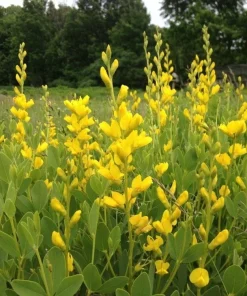
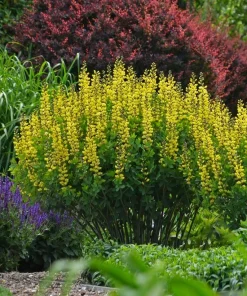
Yellow False Indigo Seeds – 30 Count Baptisia Sphaerocarpa Wildflower
Original price was: $32.55.$12.55Current price is: $12.55.
Cultivate stunning yellow false indigo seeds in your garden with this pack of 30 high-quality seeds. These easy-to-grow perennial seeds produce vibrant yellow flowers that attract pollinators and provide long-lasting beauty. Ideal for native plant landscapes and low-maintenance gardening.
Estimated arrival
Oct 15
Oct 20 - Oct 22
Oct 25 - Oct 29
Shop With Confidence
30-Day Plant Health Guarantee
Arrives damaged? We’ll replace it free — see our return policy.
Responsive Support
Email us anytime, we reply within 1 business day.
Expert Packaging
Temperature-controlled shipping to protect your plants in transit.
Secure Checkout
Pay safely with Visa, Mastercard, PayPal.
Plant Specifications
-
USDA Hardiness Zone
USDA Zones 4-9 -
Soil Type
Well-draining soil -
Sunlight Exposure
Full sun -
Expected Planting Period
Early spring after last frost (after stratification)
Overview
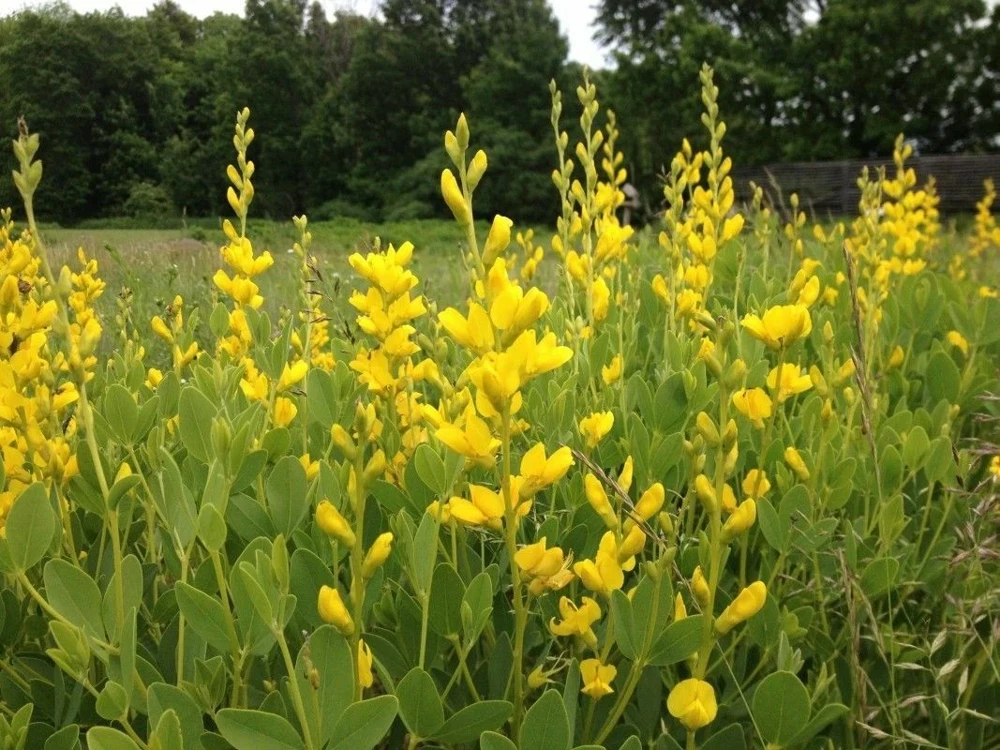
Introduce the vibrant beauty of native wildflowers to your garden with our premium pack of 30 yellow false indigo seeds. Scientifically known as Baptisia sphaerocarpa, this stunning perennial is celebrated for its upright spikes of bright yellow, pea-like flowers that emerge in late spring to early summer. Also commonly referred to as false indigo plant, these seeds offer an excellent opportunity to establish a robust, low-maintenance, and visually appealing addition to your landscape. Each seed promises to grow into a resilient plant, contributing significantly to local ecosystems by attracting beneficial pollinators like bees and butterflies. Our yellow false indigo seeds are carefully selected to ensure high germination rates, making them a fantastic choice for both experienced gardeners and those new to cultivating native species.
This particular variety of False Indigo is known for its distinctive spherical seed pods that follow the beautiful blooms, adding continued interest to the garden through the fall and winter. The plant’s deep taproot makes it incredibly drought-tolerant once established, reducing the need for frequent watering. Perfect for xeriscaping, naturalized areas, or mixed perennial borders, these yellow false indigo seeds will transform your outdoor space into a haven for wildlife and a showcase of golden hues. Plant them with confidence, knowing you are supporting biodiversity and creating a sustainable garden environment.
Key Benefits
Cultivating yellow false indigo seeds offers a multitude of advantages for your garden and the environment. These benefits make it a top choice for gardeners seeking both beauty and ecological value:
- Attracts Pollinators: The bright yellow flowers are a magnet for various pollinators, including bumblebees, butterflies, and other beneficial insects, enhancing your garden’s biodiversity.
- Drought Tolerance: Once established, the false indigo plant develops a deep taproot, making it highly resistant to drought conditions and reducing the need for supplemental watering. This makes them excellent drought tolerant plants.
- Low Maintenance: This perennial requires minimal care once mature, thriving with little intervention and making it perfect for busy gardeners or those looking for an easy-care solution.
- Long Bloom Period: Enjoy a prolonged display of cheerful yellow flowers from late spring through early summer, providing continuous color and interest in your garden.
- Soil Improvement: As a member of the legume family, Baptisia sphaerocarpa can enrich the soil by fixing nitrogen, benefiting neighboring plants and improving overall soil health.
- Deer Resistant: The foliage of the false indigo plant is generally unpalatable to deer, offering a natural solution for gardens in areas prone to deer browsing.
- Architectural Interest: The sturdy, upright growth habit and attractive seed pods provide strong architectural interest in the garden, even after the blooms fade.
Plant Care & Growing Tips
Successfully growing baptisia from yellow false indigo seeds is a rewarding experience that requires a few key considerations. These plants are remarkably resilient, but proper initial care will ensure a strong start. Stratification is often recommended for Baptisia seeds to improve germination rates; this involves chilling the seeds for 30-60 days before planting. Once stratified, sow the seeds directly outdoors in early spring after the last frost, or start them indoors 6-8 weeks before the last frost. Plant seeds about 1/4 inch deep and keep the soil consistently moist until germination occurs, which can take several weeks.
For optimal growth, the false indigo plant thrives in full sun, meaning at least 6 hours of direct sunlight per day. While it can tolerate partial shade, too little sun may result in leggy growth and fewer flowers. Well-draining soil is crucial; Baptisia sphaerocarpa is adaptable to various soil types, including sandy, clay, or loamy soils, as long as drainage is good. Once established, watering needs are minimal due to its drought tolerance. Fertilization is generally not necessary, as the plant can fix its own nitrogen, but a light application of compost in spring can be beneficial. These are truly drought tolerant plants that require little fuss.
Growing baptisia is relatively pest and disease-free. Occasionally, powdery mildew might appear in humid conditions, which can be managed with good air circulation and appropriate fungicides if severe. Deadheading spent flowers is not strictly necessary but can prevent self-seeding if desired. Pruning can be done in late fall or early spring to remove old stems, or you can leave the attractive seed pods for winter interest. The yellow false indigo seeds you plant will develop into robust, long-lived perennials that will grace your garden for many years with their beauty and ecological benefits.
Size & Details
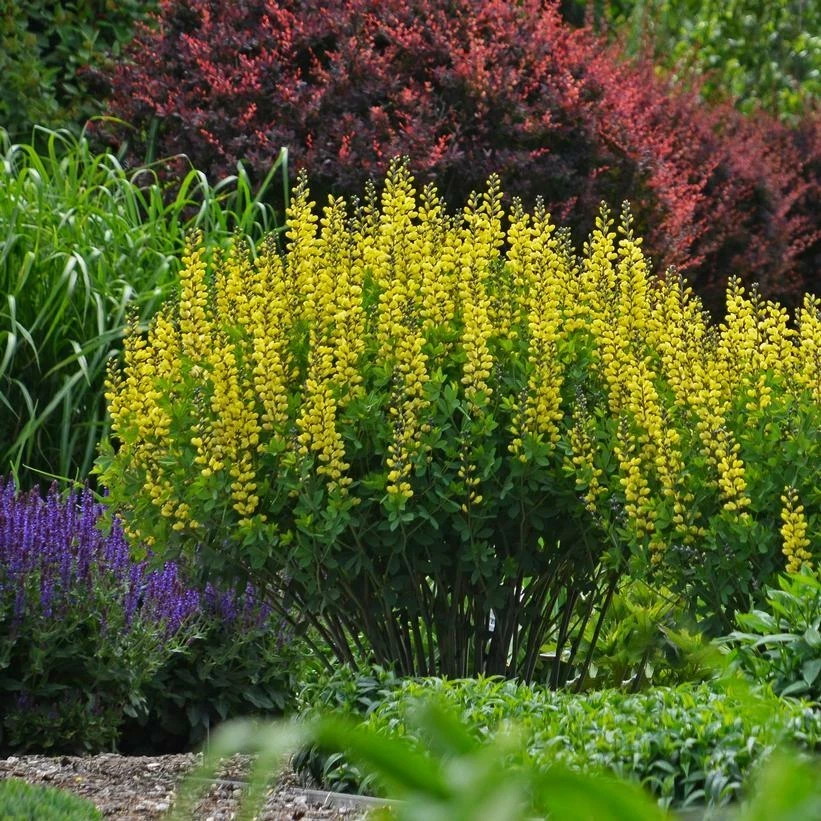
This product includes a pack of 30 high-quality yellow false indigo seeds (Baptisia sphaerocarpa), ready for planting. Each seed has the potential to grow into a substantial perennial plant. Mature false indigo plant specimens typically reach a height of 2 to 3 feet and a similar spread, forming a bushy, upright clump. The growth rate is moderate, with plants generally establishing themselves within their first year and producing their characteristic yellow blooms in the second or third year after planting from seed. These plants are shipped as dry seeds, ensuring easy storage and transport until you are ready to sow them.
The spherical seed pods that follow the yellow flowers are roughly 1 inch in diameter, turning black as they mature, providing visual interest through the colder months. When considering where to plant, allow ample space for the plant to reach its mature size, as its deep taproot makes it difficult to transplant once established. This pack provides enough yellow false indigo seeds to start a small cluster or scatter throughout a larger garden bed, contributing to a vibrant and resilient landscape.
Frequently Asked Questions
- Q: How big does this plant get? A: The false indigo plant typically grows to a mature height of 2 to 3 feet and a similar spread, forming a robust, bushy clump in your garden.
- Q: Is this an indoor or outdoor plant? A: Yellow false indigo seeds are intended for outdoor cultivation. These plants thrive in garden beds, native plant landscapes, and perennial borders.
- Q: How much sunlight does it need? A: For the best flowering and strongest growth, the false indigo plant requires full sun, meaning at least 6 hours of direct sunlight per day. It can tolerate some partial shade but may produce fewer blooms.
- Q: Is this plant easy to care for? A: Yes, once established, the false indigo plant is remarkably low-maintenance. It is known for its drought tolerance and general resistance to pests and diseases, making growing baptisia quite easy.
- Q: What condition will the seeds arrive in? A: The yellow false indigo seeds will arrive as dry, viable seeds, carefully packaged to ensure their quality and readiness for planting.
- Q: When is the best time to plant these seeds? A: After stratifying the seeds (chilling them for 30-60 days), the best time to sow them is in early spring directly outdoors after the last frost, or you can start them indoors 6-8 weeks before the last frost.
- Q: Will it survive winter in my zone? A: Baptisia sphaerocarpa is a hardy perennial and is generally suitable for USDA Hardiness Zones 4-9, meaning it can withstand cold winters in these regions.
- Q: Are these plants considered drought tolerant plants? A: Absolutely. Once the false indigo plant has developed its deep taproot, it becomes highly drought-tolerant and can thrive in dry conditions with minimal watering.
- Q: Do these seeds need any special treatment before planting? A: Yes, it is recommended to stratify the yellow false indigo seeds (cold treatment) for 30-60 days before planting to improve germination rates.
- Q: Will these attract pollinators to my garden? A: Yes, the vibrant yellow flowers of the false indigo plant are a significant draw for various pollinators, including bees and butterflies, making it an excellent choice for a pollinator garden.
Be the first to review “Yellow False Indigo Seeds – 30 Count Baptisia Sphaerocarpa Wildflower”
People Also Viewed

Vegetables
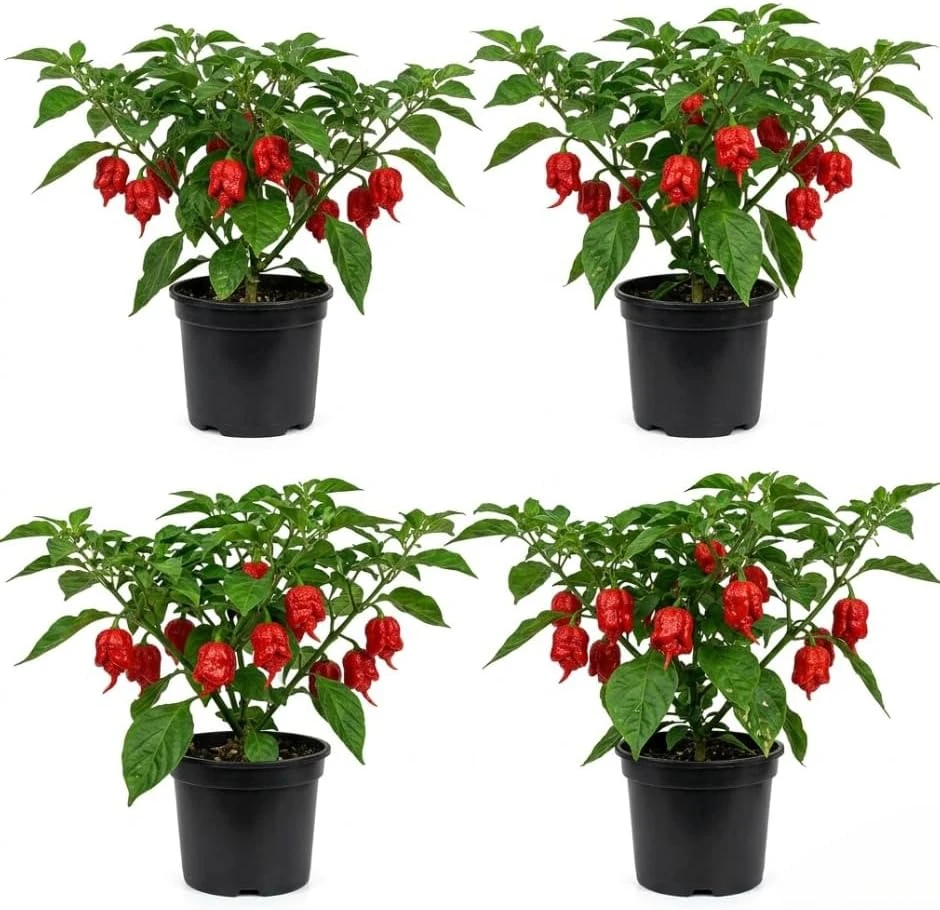
Set of 4 Carolina Reaper Pepper Live Plants – Red Chili Peppers, 4-6 Inch Tall, Outdoor Garden
Reviews
There are no reviews yet.