


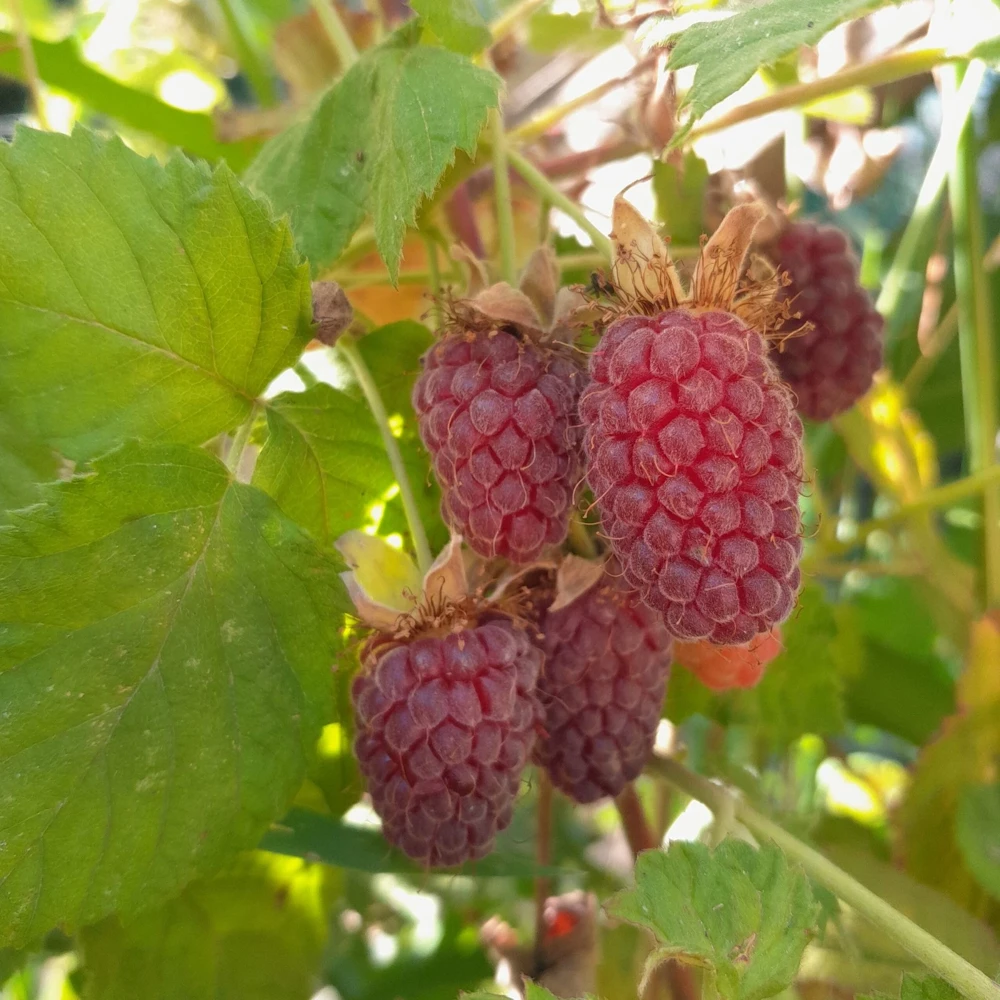
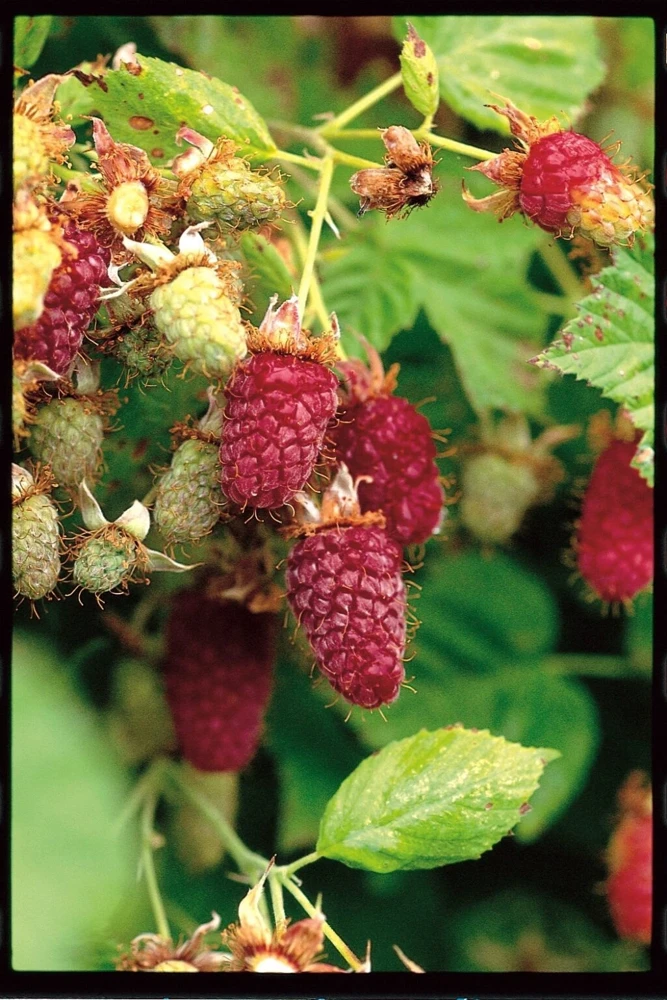
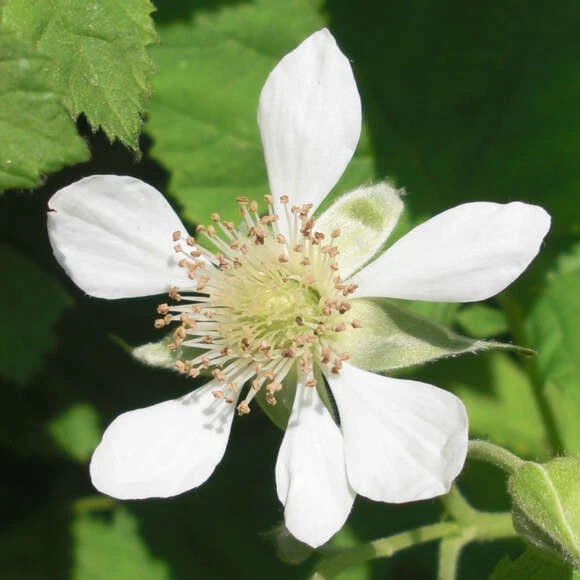
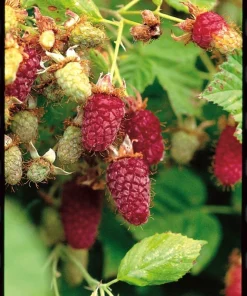
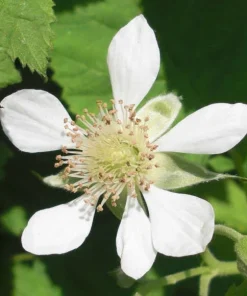
Loganberry Live Plant – Rubus loganobaccus Berry Shrub 4+ Inches Tall, Edible Fruit
Original price was: $83.79.$63.79Current price is: $63.79.
Cultivate your own heritage berries with this loganberry live plant. The Rubus loganobaccus is a unique cross between a blackberry and a raspberry, offering large, flavorful, and juicy fruits. This perennial, thornless shrub is ideal for outdoor gardens, providing a bountiful harvest in summer and fall.
Estimated arrival
Oct 15
Oct 20 - Oct 22
Oct 25 - Oct 29
Shop With Confidence
30-Day Plant Health Guarantee
Arrives damaged? We’ll replace it free — see our return policy.
Responsive Support
Email us anytime, we reply within 1 business day.
Expert Packaging
Temperature-controlled shipping to protect your plants in transit.
Secure Checkout
Pay safely with Visa, Mastercard, PayPal.
Plant Specifications
-
USDA Hardiness Zone
USDA zones 5-9 -
Soil Type
Well-draining soil, slightly acidic to neutral (pH 6.0-7.0) -
Sunlight Exposure
Full sun (6-8+ hours direct sunlight) -
Expected Planting Period
Early spring or late fall
Overview
Introduce a delightful hybrid berry to your garden with the loganberry live plant. Scientifically known as Rubus loganobaccus, this unique fruit-bearing shrub is a natural cross between a raspberry and a blackberry. Originating in California, loganberries are cherished for their large, elongated, dark red fruits that boast a distinctive tart-sweet flavor, combining the best characteristics of both parent berries. This robust and relatively easy-to-grow perennial plant is an excellent choice for home gardeners looking to expand their edible landscape. Our live plants are carefully cultivated to ensure a healthy start, ready to thrive in your outdoor environment and provide you with an abundant harvest of delicious, fresh berries.
The loganberry live plant typically grows as a sprawling cane, similar to its blackberry and raspberry relatives, but is often thornless, making harvesting a more pleasant experience. These plants are known for their vigorous growth and adaptability, making them suitable for various climates. With proper care, you can expect these plants to produce fruit during the summer and into early fall, offering a continuous supply of fresh berries for eating, baking, jams, and jellies. Growing your own Rubus loganobaccus ensures you have access to fresh, organic loganberries right from your backyard.
Key Benefits
Adding a loganberry live plant to your garden offers numerous advantages, from its delicious fruit to its ease of care and ornamental appeal. Here are some of the key benefits you’ll enjoy:
- Exceptional Flavor Profile: Loganberries provide a unique, rich taste that balances the sweetness of raspberries with the slight tartness of blackberries. This complex flavor makes them highly sought after for culinary uses, offering a gourmet experience right from your garden.
- High Yield Potential: These vigorous plants are known for their prolific fruiting, producing a generous harvest of large, succulent berries. With proper care, a single plant can yield a significant amount of fruit, ensuring you have plenty for fresh consumption and preservation.
- Thornless Canes for Easy Harvesting: Many loganberry varieties, including this one, are thornless, which significantly simplifies the harvesting process. You can pick your berries without the worry of scratches, making it a family-friendly gardening activity.
- Nutrient-Rich Edible Fruit: Loganberries are packed with vitamins, antioxidants, and fiber, contributing to a healthy diet. Enjoying fresh berries directly from your garden ensures you’re consuming nutrient-dense food free from pesticides.
- Versatile Culinary Uses: Beyond fresh eating, loganberries are excellent for making pies, tarts, crumbles, jams, jellies, and sauces. Their distinctive flavor adds a gourmet touch to any recipe, making them a favorite among home cooks and bakers.
- Adaptable and Resilient: The Rubus loganobaccus is a hardy plant that can adapt to various soil types and climates, making it a reliable choice for many gardeners. Its perennial nature means it will return year after year, providing continuous harvests.
- Attractive Garden Addition: With its lush green foliage and vibrant red berries, the loganberry live plant also serves as an attractive ornamental addition to your garden. It can be trained along trellises or fences, creating an appealing edible hedge or screen.
Plant Care & Growing Tips
Caring for your loganberry live plant is relatively straightforward, and with a few key practices, you can ensure a healthy and productive bush. Loganberries thrive in full sun, meaning they need at least 6-8 hours of direct sunlight per day to produce the best fruit. While they can tolerate partial shade, fruit production may be reduced. When planting, choose a location with well-draining soil. Loganberries prefer a slightly acidic to neutral pH (6.0-7.0). Amending heavy clay soils with organic matter like compost can improve drainage and provide essential nutrients for your Rubus loganobaccus.
Watering is crucial, especially during dry periods and when the plant is fruiting. Aim for consistent moisture, but avoid waterlogging, which can lead to root rot. A good rule of thumb is to water deeply once or twice a week, allowing the top inch of soil to dry out slightly between waterings. Fertilize in early spring with a balanced slow-release fertilizer or an organic compost to support vigorous growth and fruit development. Pruning is essential for maintaining plant health and maximizing yields. Loganberries typically fruit on second-year canes. After fruiting, these canes should be cut back to the ground, allowing new canes to grow for the following season’s harvest. This practice helps to manage the plant’s size and direct energy into new growth.
The loganberry live plant is generally hardy and can withstand moderate cold. It is typically suited for USDA zones 5-9. In colder regions, providing winter protection, such as mulching around the base of the plant, can help it survive harsh temperatures. Watch out for common berry plant pests like aphids or spider mites, and address them with appropriate organic or chemical controls if necessary. Proper air circulation through good pruning practices can help prevent fungal diseases. By following these guidelines, you will successfully grow loganberry plants that yield delicious fruit for many years.
Size & Details
This offering is for one loganberry live plant, typically measuring 4+ inches in height upon arrival. These young plants are well-rooted and ready for transplanting into your garden or a larger container. Loganberries are vigorous growers and will quickly establish themselves. Mature loganberry plants can grow to be quite large, with canes reaching 6-8 feet in length or more if left untrellised. They are best grown with support, such as a trellis or fence, to keep the canes off the ground and facilitate easier harvesting. The plant will arrive healthy and ready for planting, though initial growth may be focused on root development before significant cane elongation. Expect your first substantial harvest within one to two years after planting, with fruit ripening in the summer to early fall.
Frequently Asked Questions
- Q: How big does this loganberry plant get? A: A mature loganberry live plant can have canes that reach 6-8 feet in length. It’s best to provide support like a trellis or fence to manage its growth and make harvesting easier.
- Q: Is this an indoor or outdoor plant? A: Loganberry plants are primarily outdoor plants, thriving in full sun and benefiting from the space to sprawl. They are not typically grown indoors.
- Q: How much sunlight does the Rubus loganobaccus need? A: For optimal fruit production, the Rubus loganobaccus requires at least 6-8 hours of direct sunlight per day. Full sun exposure is key to developing sweet, juicy berries.
- Q: Is this plant easy to care for? A: Yes, loganberries are relatively easy to care for, making them a good choice for both experienced and novice gardeners. They require consistent watering, annual pruning, and good sun exposure to thrive.
- Q: What condition will the loganberry live plant arrive in? A: Your loganberry live plant will arrive as a healthy, well-rooted young plant, typically 4+ inches tall, ready for immediate planting in your garden.
- Q: When is the best time to plant a loganberry? A: The best time to plant a loganberry is in early spring after the last frost, or in late fall before the ground freezes, allowing the roots to establish before extreme temperatures.
- Q: Can I use loganberries in cooking? A: Absolutely! Loganberries are excellent for various culinary uses, including pies, jams, jellies, sauces, crumbles, and fresh eating. Their unique tart-sweet flavor is highly prized.
- Q: Is this a thornless loganberry variety? A: Yes, this thornless loganberry variety makes harvesting much more pleasant, reducing the risk of scratches.
- Q: What USDA zones are suitable for growing loganberry? A: Loganberries are generally hardy in USDA zones 5 through 9, making them suitable for a wide range of climates.
- Q: How long until I can expect to grow loganberry fruit? A: You can typically expect your first significant harvest of loganberries within one to two years after planting, with fruit ripening in the summer to early fall.
Be the first to review “Loganberry Live Plant – Rubus loganobaccus Berry Shrub 4+ Inches Tall, Edible Fruit”
People Also Viewed
Reviews
There are no reviews yet.