
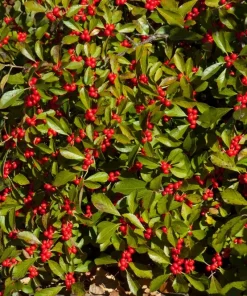
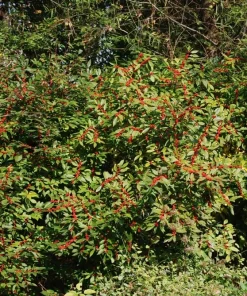
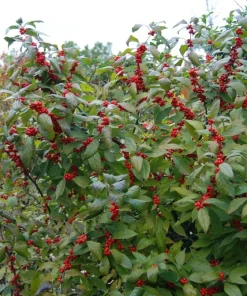
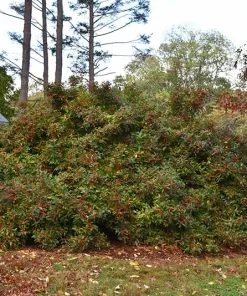
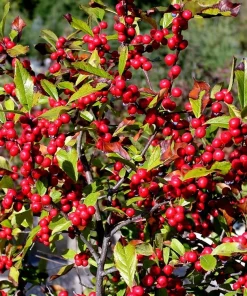
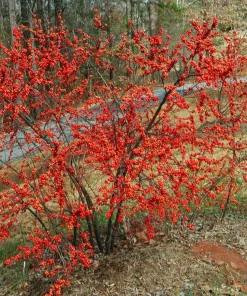
Dwarf Winterberry Holly Nana Red Sprite Live Plant 12-16+ Inches
Original price was: $83.79.$63.79Current price is: $63.79.
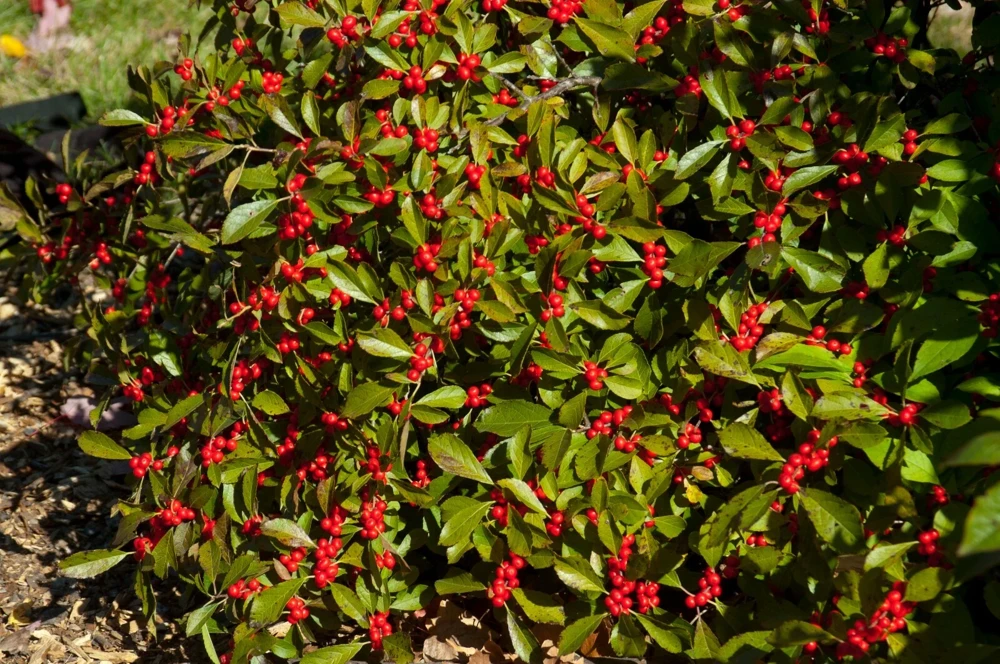
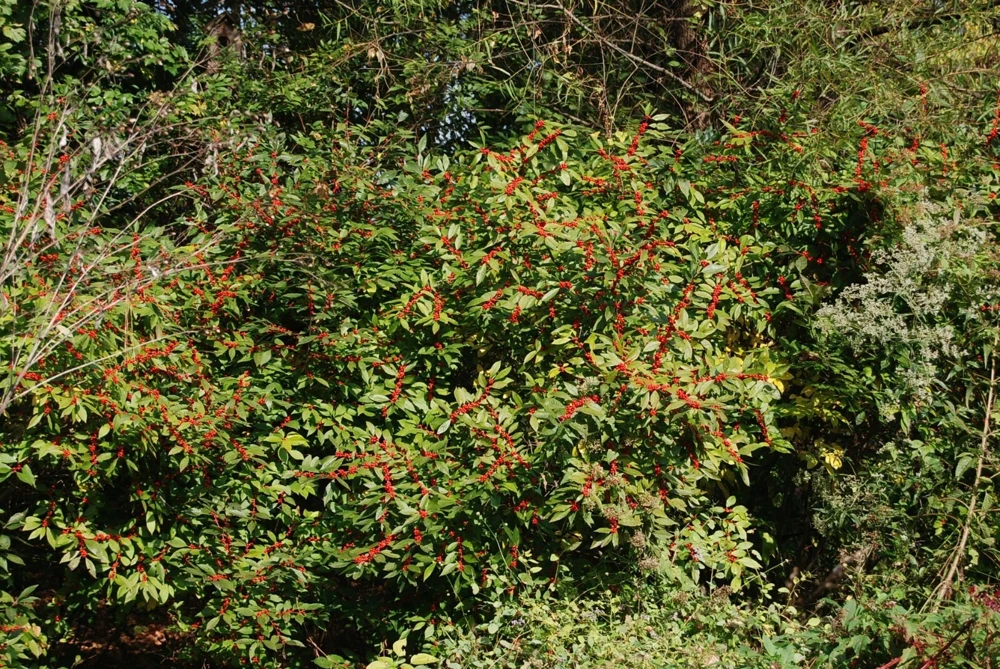
Bring vibrant winter color to your garden with the dwarf winterberry holly ‘Nana Red Sprite’ live plant. This compact shrub grows to 12-16+ inches, producing abundant, bright red berries that persist into winter, providing stunning visual interest and food for birds. Ideal for landscaping, this nana red sprite holly is a deciduous shrub that thrives in moist to wet soils and tolerates full sun to partial shade.
Estimated arrival
Oct 15
Oct 20 - Oct 22
Oct 25 - Oct 29
Shop With Confidence
30-Day Plant Health Guarantee
Arrives damaged? We’ll replace it free — see our return policy.
Responsive Support
Email us anytime, we reply within 1 business day.
Expert Packaging
Temperature-controlled shipping to protect your plants in transit.
Secure Checkout
Pay safely with Visa, Mastercard, PayPal.
Plant Specifications
-
USDA Hardiness Zone
USDA Zones 3-9 -
Soil Type
Moist, acidic, well-draining soil -
Sunlight Exposure
Full sun to partial shade -
Expected Planting Period
Spring or early fall
Overview
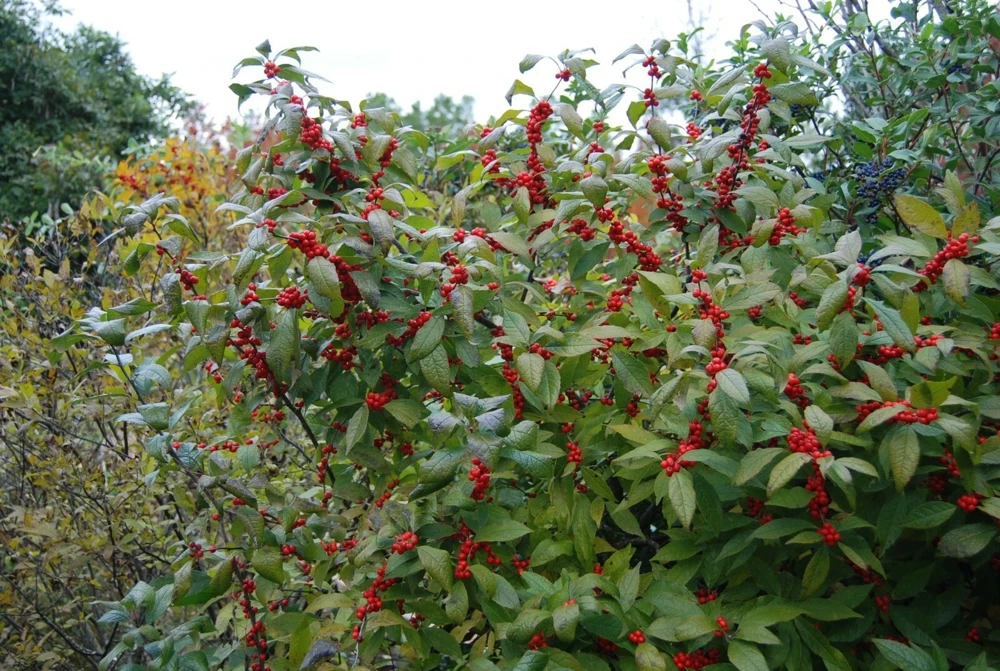
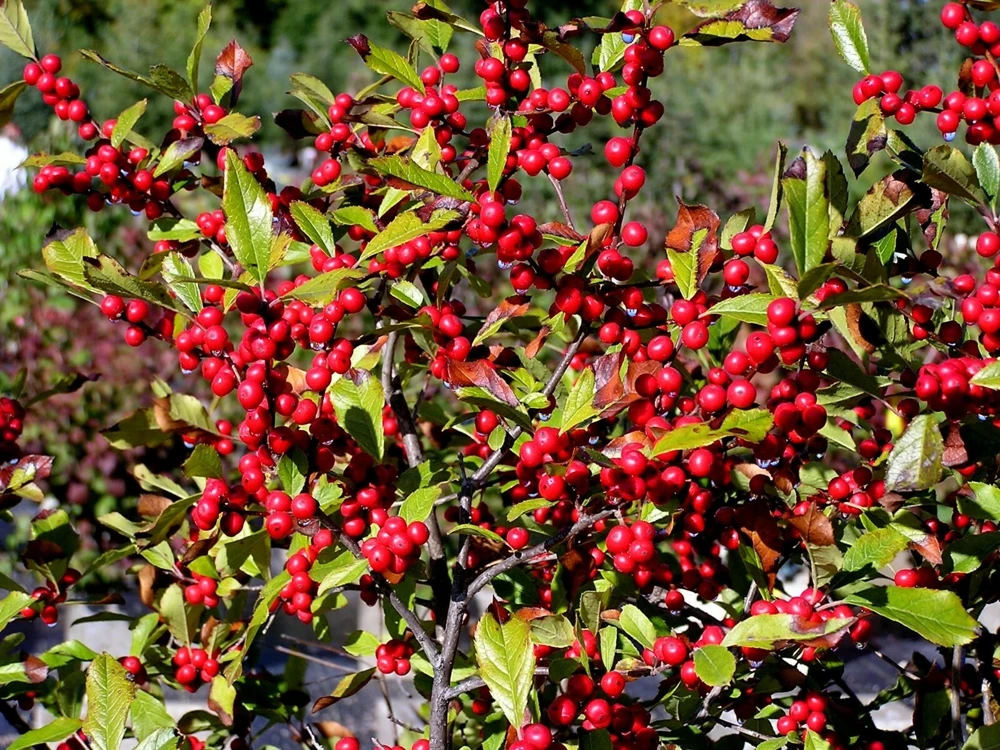
Introduce a burst of vibrant color to your winter landscape with the exquisite dwarf winterberry holly ‘Nana Red Sprite’ live plant. This compact and deciduous shrub is renowned for its spectacular display of bright red berries that cling to bare branches long after the leaves have fallen, providing crucial visual interest during the colder months. The ‘Nana Red Sprite’ cultivar of Ilex verticillata is particularly prized for its dense, mounding habit and prolific fruiting, making it an ideal choice for smaller gardens, foundation plantings, or mass plantings where a splash of winter color is desired. Each winterberry holly plant offered is a healthy, established specimen, ready to thrive in your garden and transform dreary winter scenes into lively, colorful displays. Its moderate size, typically reaching 12-16+ inches, ensures it fits well into various garden designs without overwhelming other plants.
The botanical name for this beautiful plant is Ilex verticillata ‘Nana’ or ‘Red Sprite’. It is a native North American plant, well-adapted to various climates and soil conditions, particularly those that are moist. Unlike evergreen hollies, the winterberry holly loses its leaves in autumn, revealing the striking berries that make it such a garden standout. These berries are not only ornamental but also serve as an important food source for birds, adding another layer of ecological value to your landscape. The ‘Nana Red Sprite’ is a female cultivar, meaning it requires a male pollinator nearby to produce berries. Common male pollinators for this variety include ‘Jim Dandy’ or ‘Southern Gentleman’, which should be planted within 50 feet for optimal berry production. This dwarf winterberry holly is a perfect addition for anyone looking to add reliable, low-maintenance winter beauty.
Key Benefits
The dwarf winterberry holly ‘Nana Red Sprite’ offers numerous benefits, making it an excellent choice for any garden. Its unique winter appeal and ecological value are just a few reasons to consider this beautiful shrub:
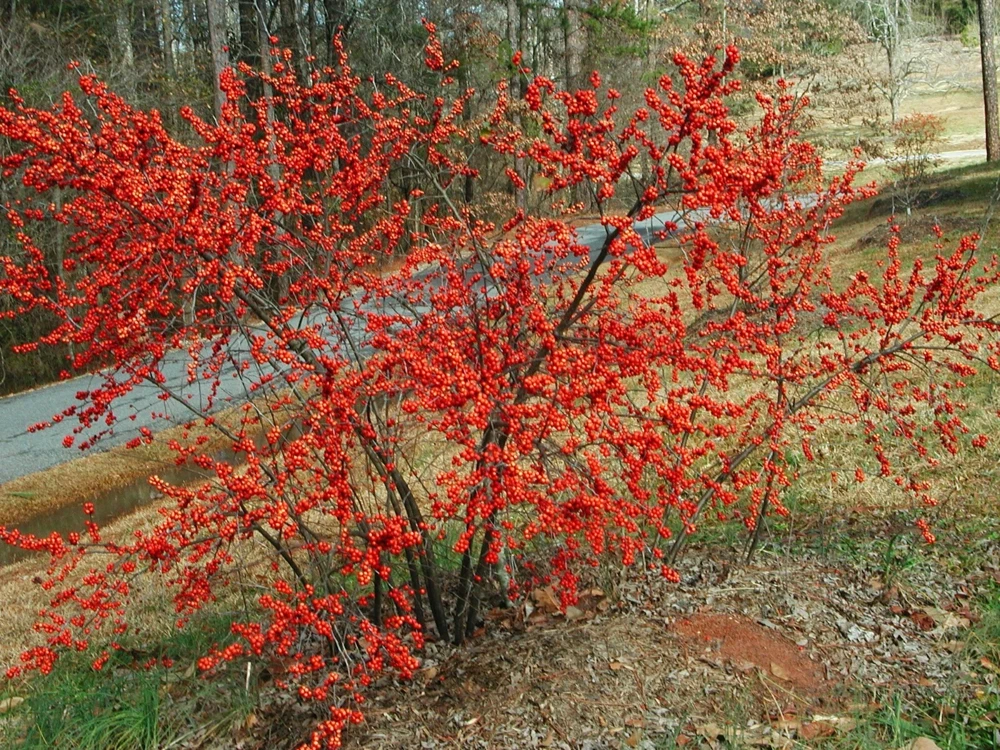
- Spectacular Winter Interest: This plant truly shines in winter, when its bare branches are heavily laden with brilliant red berries. These berries remain vibrant throughout the season, providing a stunning contrast against snow or evergreen foliage, making the winterberry holly plant a focal point in any dormant landscape.
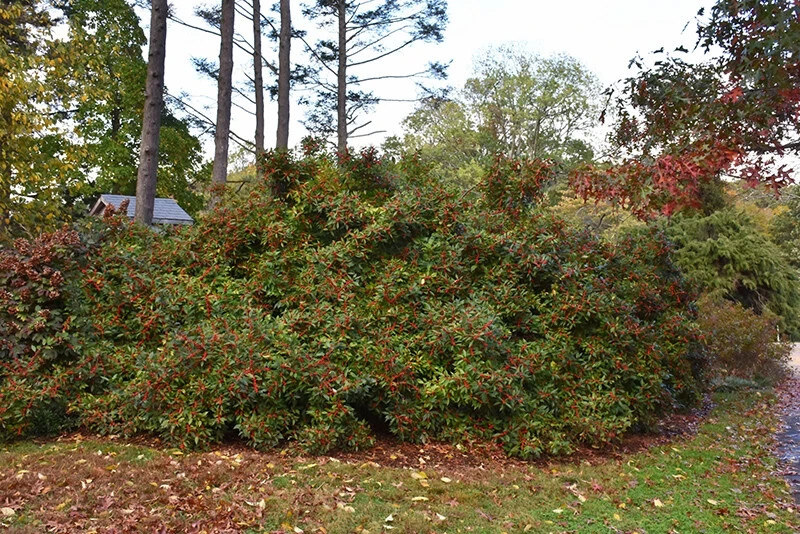
- Compact Growth Habit: As a dwarf variety, ‘Nana Red Sprite’ maintains a manageable size, typically growing 3-5 feet tall and wide. This makes it perfect for smaller gardens, urban landscapes, or as a vibrant accent in mixed borders. Its compact nature also means less pruning is required compared to larger holly varieties.
- Wildlife Attraction: The abundant red berries are a vital food source for various bird species, especially during winter when other food options are scarce. Planting this ilex verticillata red sprite not only enhances your garden’s aesthetic but also supports local wildlife.
- Adaptable and Hardy: This holly is remarkably adaptable to a wide range of soil conditions, thriving in both moist and wet soils. It is also very cold-hardy, tolerating harsh winter temperatures, which makes it a reliable choice for many regions.
- Low Maintenance: Once established, the ‘Nana Red Sprite’ requires minimal care. It is relatively pest and disease resistant, making it an easy-to-grow option for both novice and experienced gardeners.
- Versatile Landscaping Use: Its striking winter display makes it ideal for mass plantings, hedges, naturalizing in wet areas, or as a specimen plant. The vibrant red berry shrub can also be used in cut floral arrangements for indoor winter decor.
Plant Care & Growing Tips
Caring for your dwarf winterberry holly ‘Nana Red Sprite’ is straightforward, ensuring a dazzling display of berries year after year. This hardy shrub is quite forgiving, but providing optimal conditions will lead to the most prolific fruiting. For best results, plant your winterberry holly in a location that receives full sun to partial shade. Full sun (at least 6 hours of direct sunlight per day) will generally encourage the most abundant berry production. While it can tolerate partial shade, too much shade may reduce the number of berries. Ensure the soil is consistently moist, as winterberry hollies naturally thrive in boggy or wet areas. They are an excellent choice for rain gardens or areas with poor drainage where other plants might struggle.
The ideal soil for Ilex verticillata ‘Nana Red Sprite’ is acidic, well-draining, and rich in organic matter. However, it is quite adaptable and can tolerate a range of soil types, including clay, as long as it retains moisture. Water regularly, especially during dry spells, to keep the soil consistently damp. Fertilization is generally not heavily required; a light application of a balanced, slow-release fertilizer in early spring can promote healthy growth. Pruning should be done in late winter or early spring before new growth emerges. Remove any dead, damaged, or crossing branches to maintain the plant’s shape and health. Remember, this is a female plant and requires a male pollinator, such as ‘Jim Dandy’ or ‘Southern Gentleman’, planted within approximately 50 feet to ensure berry production. Without a male pollinator, your winterberry holly plant will not produce the characteristic red berries.
Winterberry hollies are generally resistant to most pests and diseases. However, keep an eye out for common garden issues like scale insects or leaf spot, though these are rare. Ensure good air circulation around the plant to prevent fungal diseases. The ilex verticillata red sprite is cold-hardy, typically thriving in USDA zones 3-9, making it suitable for a wide range of climates across the United States. Protecting young plants from harsh winter winds in exposed locations can be beneficial during their first year. Overall, with minimal effort, your ‘Nana Red Sprite’ will provide years of stunning winter color.
Size & Details
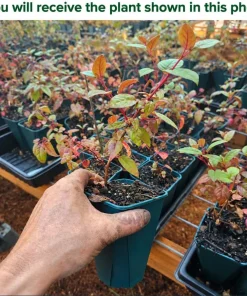
This offering is for one healthy dwarf winterberry holly ‘Nana Red Sprite’ live plant, measuring approximately 12-16+ inches in height. The plant is typically shipped as a bare root or a well-rooted plant in a grower’s pot, depending on the season and nursery practices, ensuring it arrives ready for planting in your garden. This compact cultivar is known for its slow to moderate growth rate, eventually reaching a mature size of about 3-5 feet tall and wide over several years. Its dense, rounded form makes it a versatile addition to various garden settings.
The ‘Nana Red Sprite’ begins to produce its signature bright red berries in late summer to early autumn, which intensify in color and remain on the branches throughout the winter months, often into early spring. Full berry production typically begins within 2-3 years of planting, provided a suitable male pollinator is nearby. This red berry shrub is deciduous, shedding its leaves in fall to highlight the stunning berry display. Ensure adequate space for its mature size when planting to allow for optimal growth and air circulation.
Frequently Asked Questions
- Q: How big does this plant get? A: The dwarf winterberry holly ‘Nana Red Sprite’ typically grows to a mature height and width of 3-5 feet. Its compact size makes it suitable for various garden applications, including smaller spaces and foundation plantings.
- Q: Is this an indoor or outdoor plant? A: This is an outdoor plant, specifically a deciduous shrub that thrives in garden settings. It is not suitable for long-term indoor cultivation as it requires seasonal changes and specific light conditions to flourish and produce berries.
- Q: How much sunlight does it need? A: For the best berry production, the winterberry holly plant ‘Nana Red Sprite’ requires full sun (at least 6 hours of direct sunlight daily). It can tolerate partial shade, but fruiting may be less prolific in shadier conditions.
- Q: Is this plant easy to care for? A: Yes, the ‘Nana Red Sprite’ is considered a low-maintenance plant. Once established, it requires consistent moisture and occasional pruning, making it a good choice for gardeners of all experience levels.
- Q: What condition will it arrive in? A: Your ilex verticillata red sprite will arrive as a healthy, live plant, typically 12-16+ inches tall. Depending on the season, it may be shipped bare root or in a nursery pot, carefully packaged to ensure its safe journey.
- Q: When is the best time to plant? A: The best time to plant winterberry holly is in spring or early fall. This allows the plant to establish its root system before extreme summer heat or winter cold sets in.
- Q: Will it survive winter in my zone? A: The ‘Nana Red Sprite’ is very cold-hardy and is rated for USDA Zones 3-9. It is well-equipped to survive harsh winters in these regions, with its berries providing winter appeal.
- Q: Does it need a pollinator to produce berries? A: Yes, the dwarf winterberry holly ‘Nana Red Sprite’ is a female plant and requires a nearby male winterberry holly pollinator, such as ‘Jim Dandy’ or ‘Southern Gentleman’, to produce its characteristic red berries.
- Q: Can the berries be eaten? A: No, the berries of the winterberry holly are generally considered toxic to humans and pets if ingested. They are primarily for ornamental appeal and as a food source for birds.
- Q: What kind of soil does it prefer? A: This red berry shrub prefers moist, acidic, well-draining soils. It is quite tolerant of various soil types, including clay, as long as consistent moisture is maintained.
Be the first to review “Dwarf Winterberry Holly Nana Red Sprite Live Plant 12-16+ Inches”
People Also Viewed
Reviews
There are no reviews yet.