

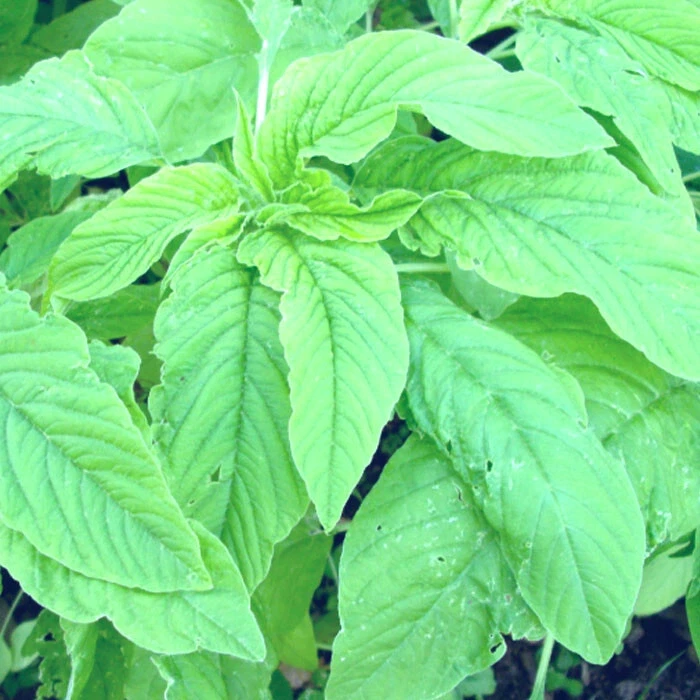
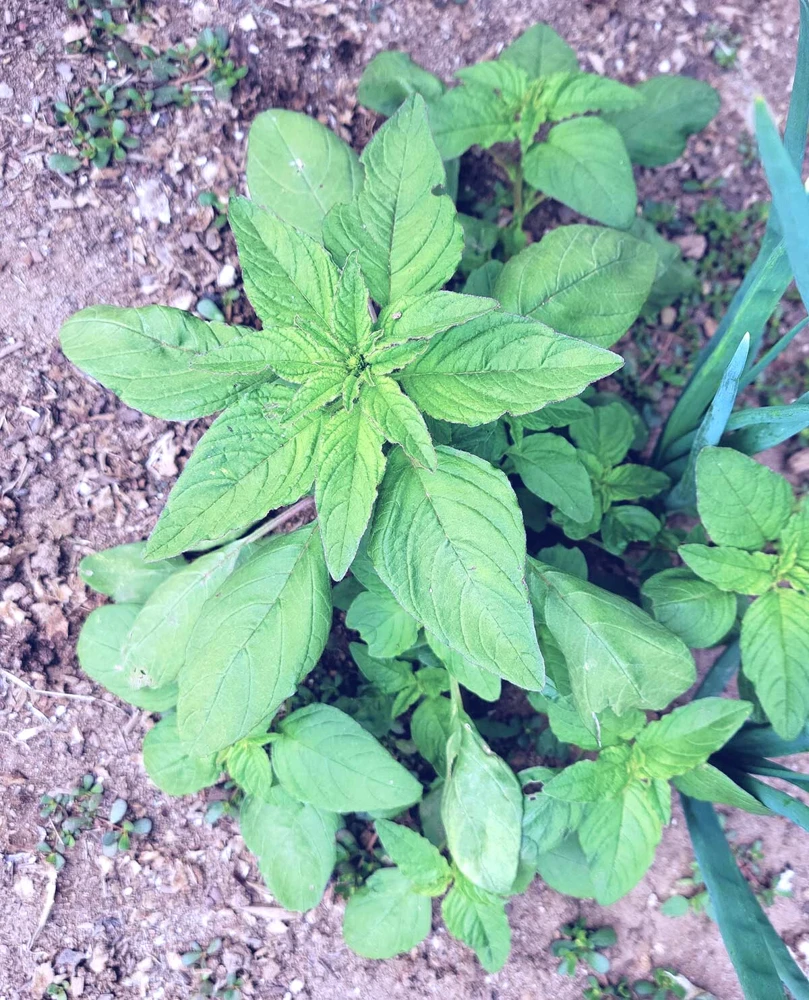
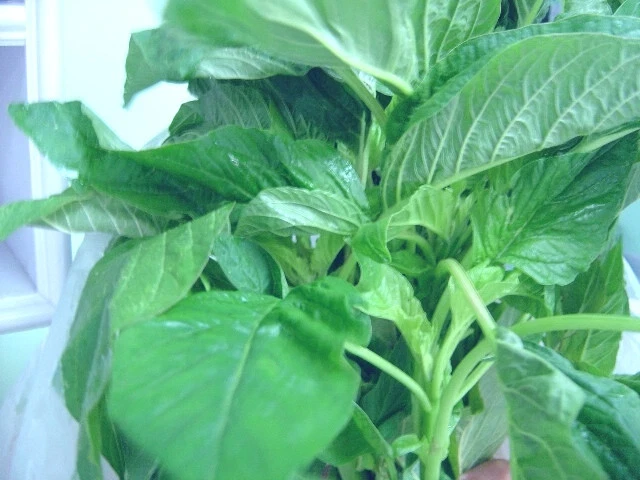
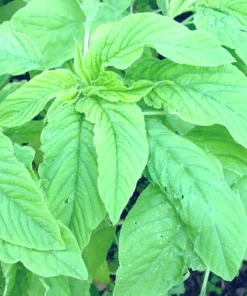
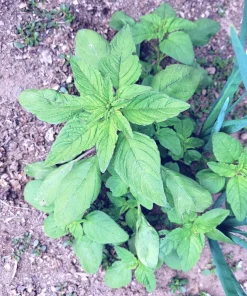
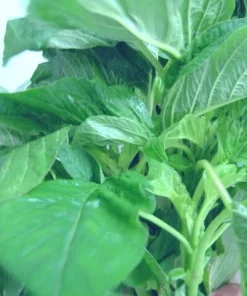
Green Leaf Amaranth Seeds – Amaranthus, 50+ Seed Packet, Edible Greens
Original price was: $27.09.$7.09Current price is: $7.09.
Cultivate your own vibrant and nutritious greens with this packet of green leaf amaranth seeds. Each packet contains 50+ Amaranthus seeds, perfect for growing delicious edible greens seeds in your home garden. Enjoy fresh, healthy produce with ease.
Estimated arrival
Oct 15
Oct 20 - Oct 22
Oct 25 - Oct 29
Shop With Confidence
30-Day Plant Health Guarantee
Arrives damaged? We’ll replace it free — see our return policy.
Responsive Support
Email us anytime, we reply within 1 business day.
Expert Packaging
Temperature-controlled shipping to protect your plants in transit.
Secure Checkout
Pay safely with Visa, Mastercard, PayPal.
Plant Specifications
-
USDA Hardiness Zone
Annual, typically grown in USDA zones 2-11 during warm season -
Soil Type
Well-draining soil, rich in organic matter -
Sunlight Exposure
Full sun -
Expected Planting Period
Late spring to early summer (after last frost)
Overview
Embark on a rewarding gardening journey with our premium green leaf amaranth seeds. This packet contains over 50 high-quality Amaranthus seeds, ready to transform your garden into a vibrant source of nutritious edible greens. Amaranth, known scientifically as Amaranthus spp., is a versatile and fast-growing plant celebrated for its tender leaves and high nutritional value. Often referred to as ‘Chinese Spinach’ or ‘Callaloo’, it’s a staple in many cuisines worldwide, offering a mild, earthy flavor that complements a variety of dishes. Our seeds are carefully selected to ensure vigorous growth and a bountiful harvest, making it easy to grow amaranth successfully. Whether you’re an experienced gardener or just starting, these seeds provide an excellent opportunity to cultivate fresh, healthy produce right at home. The ease of growing and the plant’s resilience make this a fantastic choice for any garden.
The green leaf amaranth seeds are ideal for those looking to add a power-packed vegetable to their diet. These plants thrive in warm weather, producing lush, green foliage that can be harvested multiple times throughout the growing season. Beyond its culinary appeal, amaranth also makes an attractive addition to the garden with its upright growth habit. Discover the satisfaction of harvesting your own food and enjoying the fresh, vibrant taste of home-grown amaranth.
Key Benefits
Adding green leaf amaranth seeds to your garden offers a multitude of benefits, from culinary versatility to nutritional value. These easy-to-grow plants provide a continuous supply of fresh, healthy greens.
- Nutrient-Rich Harvest: Amaranth leaves are packed with vitamins A, C, and K, as well as essential minerals like iron and calcium. Growing your own ensures access to fresh, nutrient-dense produce that supports a healthy diet.
- Fast-Growing & Productive: These Amaranthus seeds germinate quickly and grow rapidly, allowing for multiple harvests throughout the warm season. You can enjoy a continuous supply of fresh leaves from a single planting.
- Culinary Versatility: The tender edible greens seeds produce leaves that can be used in a wide array of dishes, from stir-fries and soups to salads and sautés. Their mild flavor makes them a great substitute for spinach or kale.
- Easy to Grow: Amaranth is known for its resilience and adaptability, making it an excellent choice for beginner gardeners. It tolerates various soil types and is relatively low-maintenance, requiring consistent warmth and sunlight.
- Garden Beauty: While primarily grown for its leaves, the upright structure and vibrant green foliage of the amaranth plant can also add an attractive element to your vegetable patch or ornamental garden.
- Sustainable Food Source: Growing your own green leaf amaranth seeds contributes to food sustainability, reducing your reliance on store-bought produce and connecting you more deeply with your food source.
- Heat Tolerant: Unlike many other greens that bolt in hot weather, amaranth thrives in high temperatures, making it a reliable crop for summer gardens when other leafy vegetables might struggle.
Plant Care & Growing Tips
To successfully grow amaranth from our green leaf amaranth seeds, a few key conditions and practices will ensure a bountiful harvest. Amaranth is generally a robust plant, but providing optimal conditions will maximize its growth and leaf production. Start by selecting a site that receives full sun, meaning at least 6-8 hours of direct sunlight per day. While it can tolerate some partial shade, full sun promotes the most vigorous growth and vibrant green foliage. Prepare your soil by ensuring it is well-draining and rich in organic matter. Amaranth is not overly picky about soil type but prefers a slightly acidic to neutral pH (6.0-7.0).
Sow the Amaranthus seeds directly outdoors after all danger of frost has passed and soil temperatures have warmed to at least 65°F (18°C). Plant seeds about ¼ inch deep and 4-6 inches apart in rows, with rows spaced 12-18 inches apart. Once seedlings emerge and are a few inches tall, thin them to 8-12 inches apart to allow for proper air circulation and leaf development. Consistent watering is crucial during the germination and early growth stages. Once established, amaranth is relatively drought-tolerant but will produce more tender and abundant leaves with regular moisture. Aim for about 1 inch of water per week, either from rainfall or irrigation.
Fertilization is generally not heavily required if your soil is rich in organic matter. However, a balanced organic fertilizer can be applied once or twice during the growing season, especially if your soil is poor. Harvest the leaves when they are young and tender, typically 30-45 days after planting, by picking the outer leaves or trimming the top few inches of the plant. This encourages continuous production. Protect your amaranth plant care efforts from common garden pests like aphids or leaf miners by using organic pest control methods if necessary. With proper care, you’ll enjoy fresh edible greens seeds from your garden all season long.
Size & Details
This product includes a packet containing 50+ green leaf amaranth seeds, providing an ample supply for a productive garden. These seeds are designed to produce robust plants that typically grow to a height of 3-6 feet, depending on growing conditions and variety, though they are often harvested much shorter for their tender leaves. The leaves themselves can reach several inches in length, offering a substantial harvest from each plant. Amaranth is an annual plant, completing its life cycle within one growing season, but its rapid growth means you can sow successive plantings for a continuous supply of fresh greens.
The seeds are shipped in a protective packet, ensuring their viability upon arrival. Expect germination to occur within 7-14 days under optimal conditions. The plants will reach maturity for leaf harvest in approximately 30-45 days. For seed saving, allow some plants to fully mature and produce flower heads, which will then dry and release their seeds. These Amaranthus seeds are suitable for outdoor garden beds, raised beds, or large containers, offering flexibility in your gardening approach. Enjoy the process of watching your amaranth plant care efforts yield delicious results.
Frequently Asked Questions
- Q: How big does the green leaf amaranth plant get? A: When grown for leaves, green leaf amaranth seeds can produce plants that grow 1-3 feet tall, but if left to mature for seeds, they can reach 3-6 feet or more. Regular harvesting of leaves will keep the plant more compact and encourage new growth.
- Q: Is this an indoor or outdoor plant? A: Green leaf amaranth is primarily an outdoor plant as it requires abundant sunlight and warmth to thrive. While it can be started indoors, it should be transplanted to an outdoor garden or large container once conditions are suitable.
- Q: How much sunlight does amaranth need? A: Amaranth thrives in full sun, meaning it needs at least 6-8 hours of direct sunlight per day. This will ensure the most vigorous growth and best leaf production from your Amaranthus seeds.
- Q: Is this plant easy to care for? A: Yes, amaranth is considered a very easy-to-care-for plant, making it an excellent choice for beginner gardeners. It tolerates various soil conditions and is relatively drought-tolerant once established, requiring minimal amaranth plant care.
- Q: What condition will the seeds arrive in? A: Your green leaf amaranth seeds will arrive in a sealed, protective packet designed to maintain their viability and ensure they are ready for planting.
- Q: Can I use green leaf amaranth in cooking? A: Absolutely! The tender leaves from these edible greens seeds are highly prized in cooking. They can be used fresh in salads, steamed, stir-fried, or added to soups and stews, similar to spinach or kale.
- Q: How long until I can harvest the leaves? A: You can typically start harvesting young, tender leaves from your green leaf amaranth seeds about 30-45 days after planting. Continuous harvesting of outer leaves will encourage the plant to produce more.
- Q: What’s the best time to plant green leaf amaranth seeds? A: The best time to plant Amaranthus seeds is after the last spring frost, when soil temperatures have consistently warmed up, usually in late spring or early summer.
- Q: Will amaranth survive winter? A: Green leaf amaranth is an annual plant, meaning it completes its life cycle in one growing season and will not survive winter frosts. You will need to replant green leaf amaranth seeds each year.
- Q: What kind of soil does amaranth prefer? A: Amaranth prefers well-draining soil that is rich in organic matter. While it’s adaptable, a slightly acidic to neutral pH (6.0-7.0) is ideal for optimal growth and leaf quality.
Be the first to review “Green Leaf Amaranth Seeds – Amaranthus, 50+ Seed Packet, Edible Greens”
People Also Viewed


Uncategorized
Reviews
There are no reviews yet.