
Milkweed Blood Flower Seeds – Vibrant Red Blooms, 50 Seeds, Pollinator Friendly
Original price was: $32.99.$12.99Current price is: $12.99.
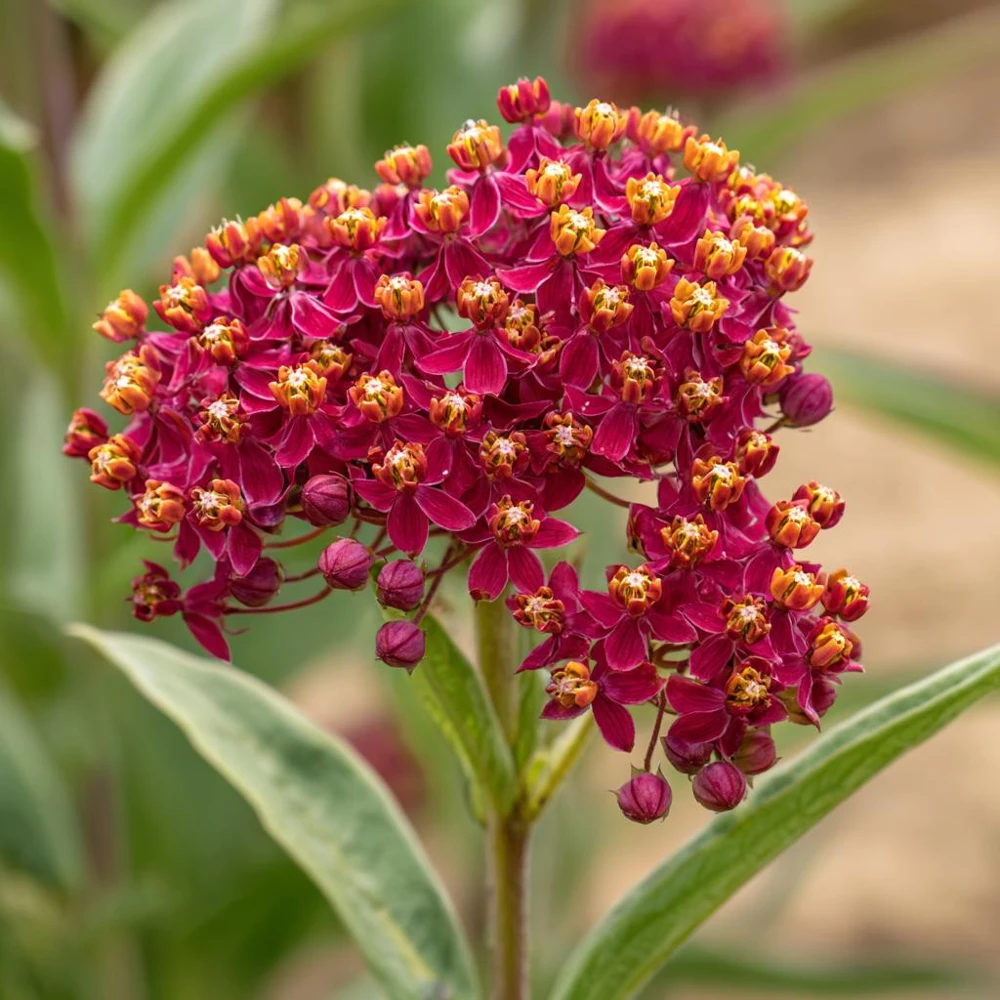
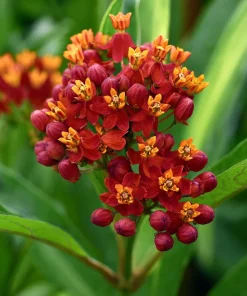
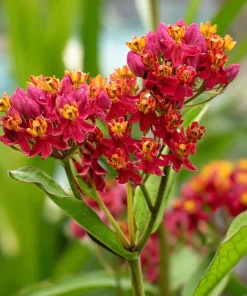
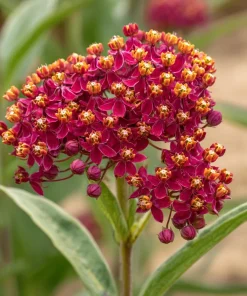
Cultivate stunning milkweed blood flower seeds for a vibrant garden display. These asclepias curassavica seeds produce striking red and orange blooms, perfect for attracting butterflies and hummingbirds. An excellent choice for pollinator friendly seeds and bold garden accents.
Estimated arrival
Oct 14
Oct 19 - Oct 21
Oct 24 - Oct 28
Shop With Confidence
30-Day Plant Health Guarantee
Arrives damaged? We’ll replace it free — see our return policy.
Responsive Support
Email us anytime, we reply within 1 business day.
Expert Packaging
Temperature-controlled shipping to protect your plants in transit.
Secure Checkout
Pay safely with Visa, Mastercard, PayPal.
Plant Specifications
-
USDA Hardiness Zone
USDA zones 9-11 (as perennial), annual elsewhere -
Soil Type
Moderately fertile, well-draining soil -
Sunlight Exposure
Full sun -
Expected Planting Period
Spring after last frost (outdoors) or 4-6 weeks before last frost (indoors)
Overview
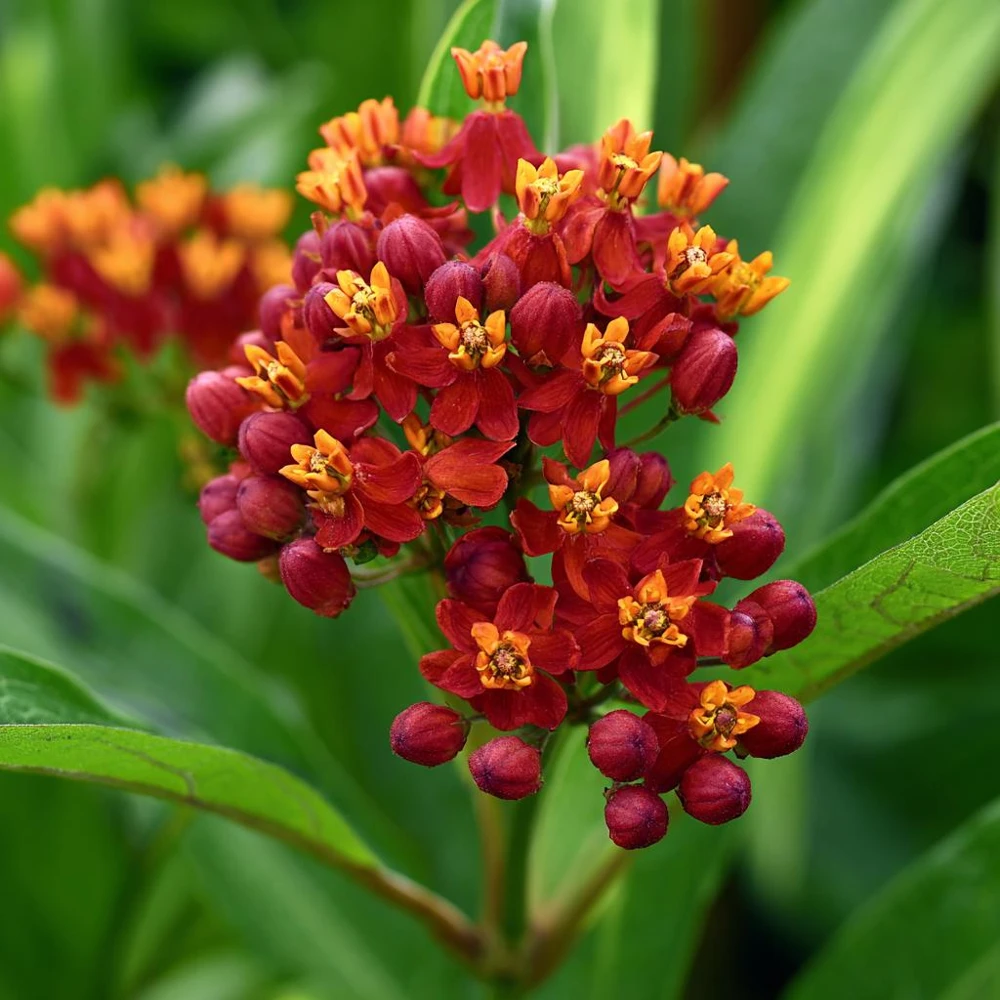
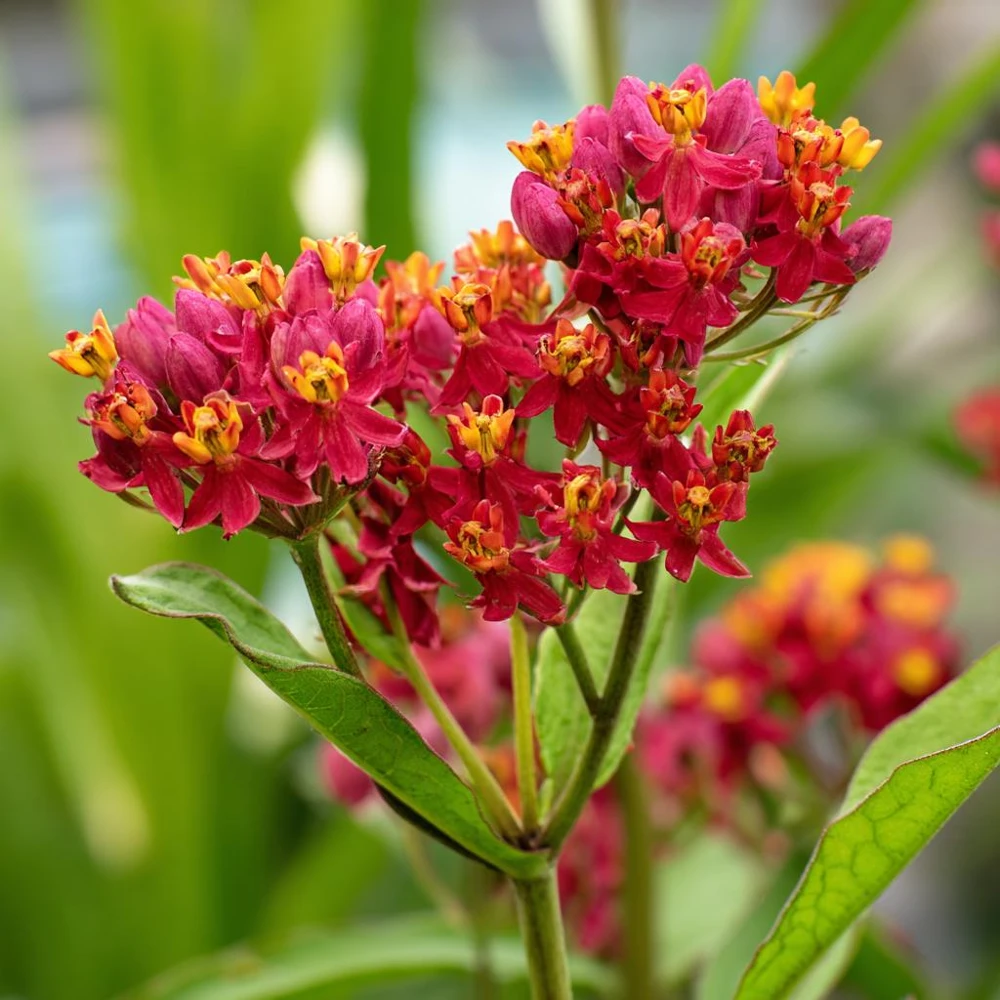
Transform your garden into a haven for pollinators with these exceptional milkweed blood flower seeds. Also known by its botanical name, Asclepias curassavica, or commonly as Bloodflower Milkweed, this plant is cherished for its striking aesthetic appeal and ecological benefits. Each packet contains 50 seeds, providing ample opportunity to cultivate a vibrant display of deep red flowers, often accented with bright yellow or orange centers. These particular red milkweed seeds are an annual or short-lived perennial, known for their upright growth habit and dense clusters of blooms. They are an ideal choice for gardeners looking to add bold color and support local ecosystems by providing crucial nectar for butterflies, bees, and hummingbirds. Growing these plants from asclepias curassavica seeds allows you to witness the full life cycle of a beautiful, beneficial plant.
The milkweed blood flower seeds are incredibly rewarding to grow, offering a spectacular show throughout the growing season. Their vivid coloration makes them a standout in any garden bed, border, or wildflower meadow. Beyond their beauty, these plants play a vital role in supporting various pollinators, making them a must-have for any eco-conscious gardener. The ease of cultivation and the dramatic visual impact ensure that these bloodflower milkweed care requirements are minimal for such a high return in garden splendor. Whether you’re an experienced gardener or just starting, these seeds offer an accessible way to create a truly impactful and lively garden space.
Key Benefits
Planting milkweed blood flower seeds offers a multitude of benefits, enriching your garden and contributing positively to the local environment. These versatile plants are not only beautiful but also highly functional.
- Attracts Pollinators: The nectar-rich blooms are a favorite for butterflies, including monarch butterflies, as well as bees and hummingbirds. Planting these pollinator friendly seeds directly contributes to biodiversity and supports declining pollinator populations.
- Vibrant Garden Accent: With their dense clusters of deep red and orange flowers, Blood Flower Milkweed creates a bold, eye-catching display, adding dramatic color to any landscape.
- Low Maintenance: Once established, these plants are relatively low-maintenance, tolerating some drought and thriving in full sun with well-drained soil. This makes bloodflower milkweed care straightforward.
- Long Blooming Season: With proper deadheading, Milkweed Blood Flower can provide continuous blooms from summer through fall, ensuring a prolonged period of color and pollinator activity.
- Deer Resistant: These plants are generally not favored by deer, making them a good choice for gardens in areas where deer browsing is a concern.
- Easy to Grow from Seed: Starting with milkweed blood flower seeds is a cost-effective and rewarding way to cultivate these beautiful plants, offering a sense of accomplishment as you watch them grow.
- Versatile Landscaping: Ideal for garden beds, borders, wildflower gardens, and container planting, these plants adapt well to various garden designs.
Plant Care & Growing Tips
Successful cultivation of milkweed blood flower seeds begins with proper sowing and continues with mindful care. These plants thrive in conditions that mimic their natural habitat. For optimal germination, soak asclepias curassavica seeds in warm water for 24 hours prior to planting. Sow seeds indoors 4–6 weeks before the last frost date, or directly outdoors once all danger of frost has passed. Plant seeds 1/4–1/2 inch deep in a well-prepared seedbed or potting mix. Expect germination to occur within 10–14 days. Once seedlings emerge, thin them to provide adequate spacing for healthy growth and strong stem development, typically 12-18 inches apart.
Bloodflower milkweed care is relatively simple, making it an excellent choice for a wide range of gardeners. These plants flourish in full sun, requiring at least 6-8 hours of direct sunlight daily to produce the most abundant blooms. They prefer moderately fertile, well-drained soil. While establishing, water regularly to keep the soil consistently moist. As the plants mature, they become more tolerant of drought, so reduce watering frequency, allowing the top inch or two of soil to dry out between waterings. Deadhead spent flowers to encourage continuous blooming throughout the season and prevent unwanted self-seeding, or allow some seed pods to mature if you wish for natural reseeding. These red milkweed seeds will grow into plants that are generally pest-resistant, though monitoring for common garden pests is always recommended. Fertilization is typically not heavily required; a balanced, slow-release fertilizer can be applied once in spring if your soil is poor.
Size & Details
When grown from these milkweed blood flower seeds, plants typically reach a height of 2 to 3 feet (60-90 cm) with a similar spread, forming a bushy, upright habit. Each packet contains 50 seeds, providing a generous quantity for planting a significant area or for multiple seasons. The vibrant deep red and orange flowers are typically small, clustering together to create a large, showy inflorescence. These plants are annuals in most temperate climates but can be short-lived perennials in warmer USDA Zones (typically 9-11). The growth rate is moderate, with plants generally blooming from mid-summer until the first frost. The seeds are small and flat, characteristic of milkweed varieties, and are best started indoors for an earlier bloom or direct-sown after the last frost. The resulting plants are robust and create a magnificent display, making the effort of starting from pollinator friendly seeds truly worthwhile.
Frequently Asked Questions
- Q: How big do these Milkweed Blood Flower plants get? A: When grown from milkweed blood flower seeds, the plants typically reach a height of 2 to 3 feet (60-90 cm) and have a similar spread, forming an attractive, upright bush.
- Q: Is this an indoor or outdoor plant? A: While it can be started indoors, Asclepias curassavica is primarily grown as an outdoor plant, thriving in full sun in garden beds, borders, or large containers.
- Q: How much sunlight do these plants need? A: These plants require full sun, meaning at least 6-8 hours of direct sunlight per day, for the best growth and most abundant flowering.
- Q: Is this plant easy to care for? A: Yes, bloodflower milkweed care is considered low-maintenance once the plants are established. They are drought-tolerant and relatively pest-free.
- Q: What condition will the seeds arrive in? A: You will receive a packet containing 50 seeds, ready for planting. They are typically dry and viable, suitable for immediate sowing or storage.
- Q: How long until the plants bloom from seed? A: If started indoors 4-6 weeks before the last frost, plants grown from these red milkweed seeds can begin to bloom in mid-summer and continue until the first frost.
- Q: Will Milkweed Blood Flower survive winter in my zone? A: In most temperate climates (USDA Zones 8 and below), Milkweed Blood Flower is grown as an annual. In warmer climates (USDA Zones 9-11), it can act as a short-lived perennial.
- Q: What’s the best soil type for these seeds? A: Milkweed Blood Flower thrives in moderately fertile, well-drained soil. Avoid heavy, waterlogged soils.
- Q: Can I grow these in containers? A: Yes, these plants are well-suited for container gardening, especially if you have limited garden space or wish to move them indoors in colder climates. Ensure the container has good drainage.
- Q: Are these pollinator friendly seeds specifically attractive to Monarch butterflies? A: Yes, Asclepias curassavica is a known host plant for Monarch butterfly caterpillars and a significant nectar source for adult Monarchs, making it excellent for supporting their populations.
Be the first to review “Milkweed Blood Flower Seeds – Vibrant Red Blooms, 50 Seeds, Pollinator Friendly”
People Also Viewed
Reviews
There are no reviews yet.