

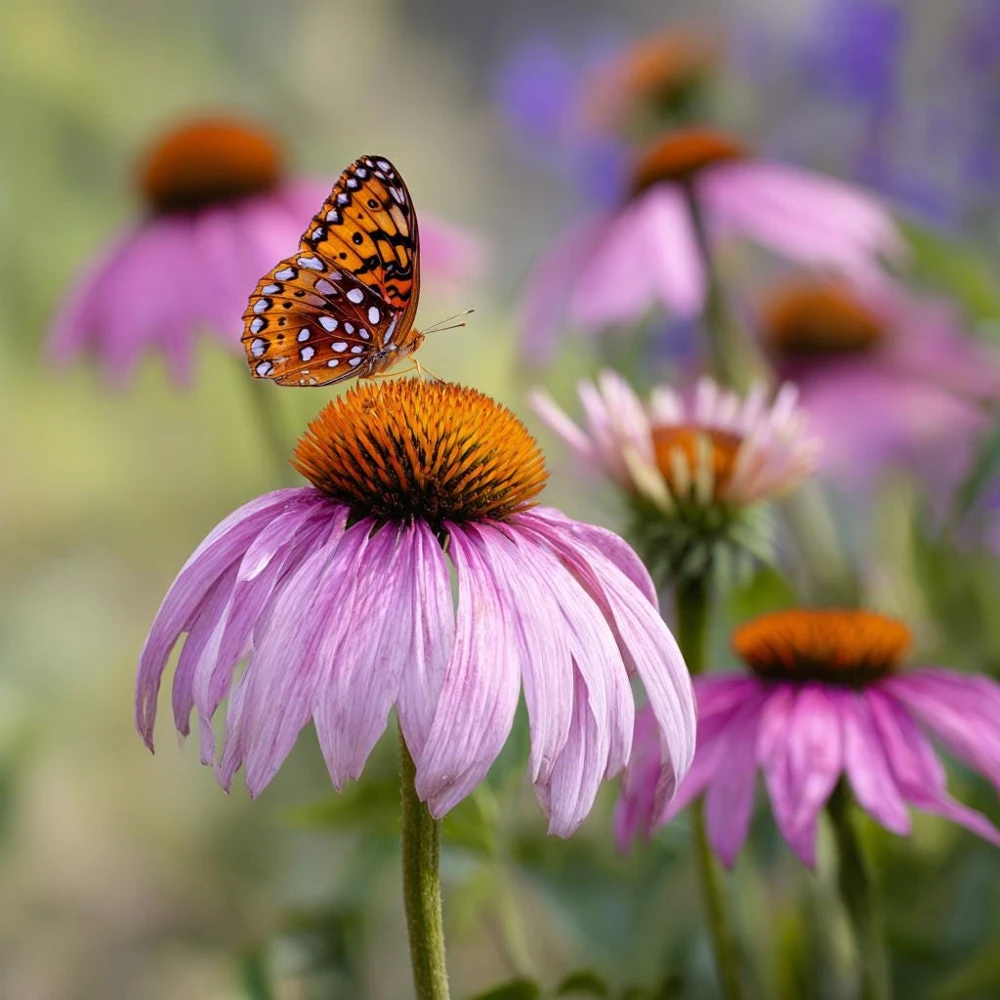
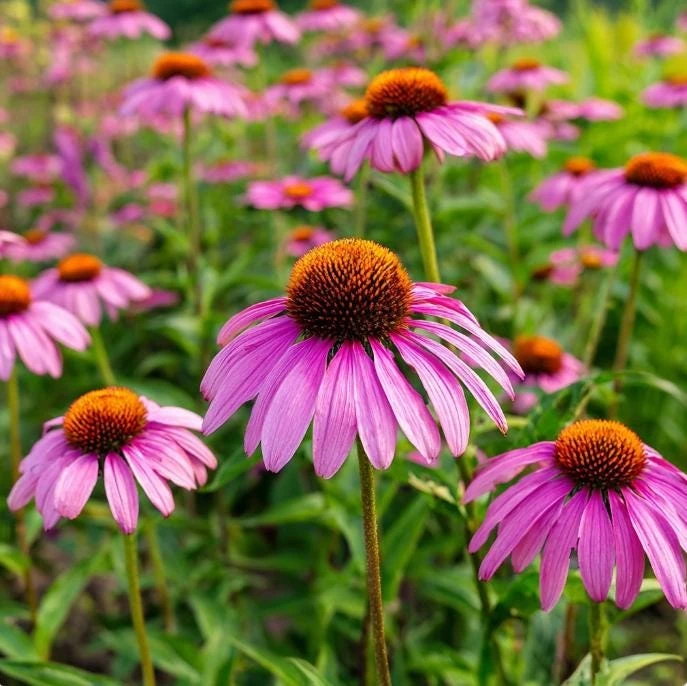
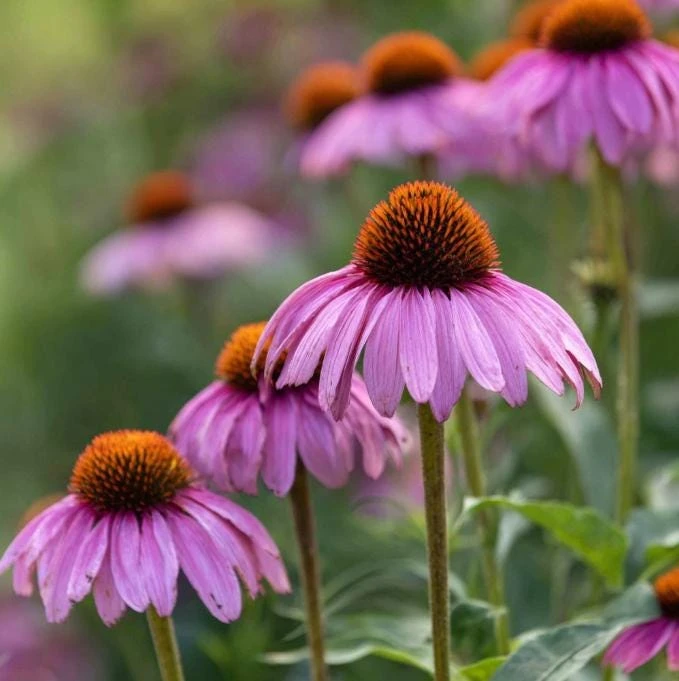
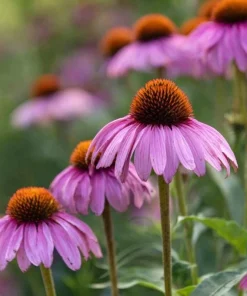
Purple Coneflower Seeds – Echinacea purpurea – 200 Seeds – Hardy Perennial – Pollinator Favorite
Original price was: $31.99.$11.99Current price is: $11.99.
Cultivate stunning purple coneflower seeds in your garden. This echinacea purpurea seeds pack contains 200 seeds for a hardy perennial, beloved by pollinators and valued for its traditional medicinal uses. Ideal for vibrant, low-maintenance landscapes.
Estimated arrival
Oct 14
Oct 19 - Oct 21
Oct 24 - Oct 28
Shop With Confidence
30-Day Plant Health Guarantee
Arrives damaged? We’ll replace it free — see our return policy.
Responsive Support
Email us anytime, we reply within 1 business day.
Expert Packaging
Temperature-controlled shipping to protect your plants in transit.
Secure Checkout
Pay safely with Visa, Mastercard, PayPal.
Plant Specifications
-
USDA Hardiness Zone
USDA Zones 3-9 -
Soil Type
Well-draining soil -
Sunlight Exposure
Full sun -
Expected Planting Period
Late fall or early spring (direct sow), 8-10 weeks before last frost (indoors)
Overview
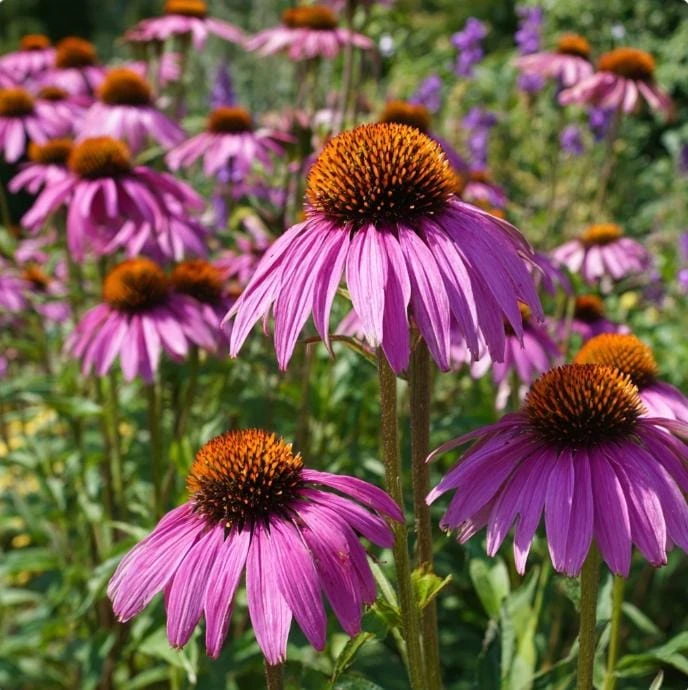
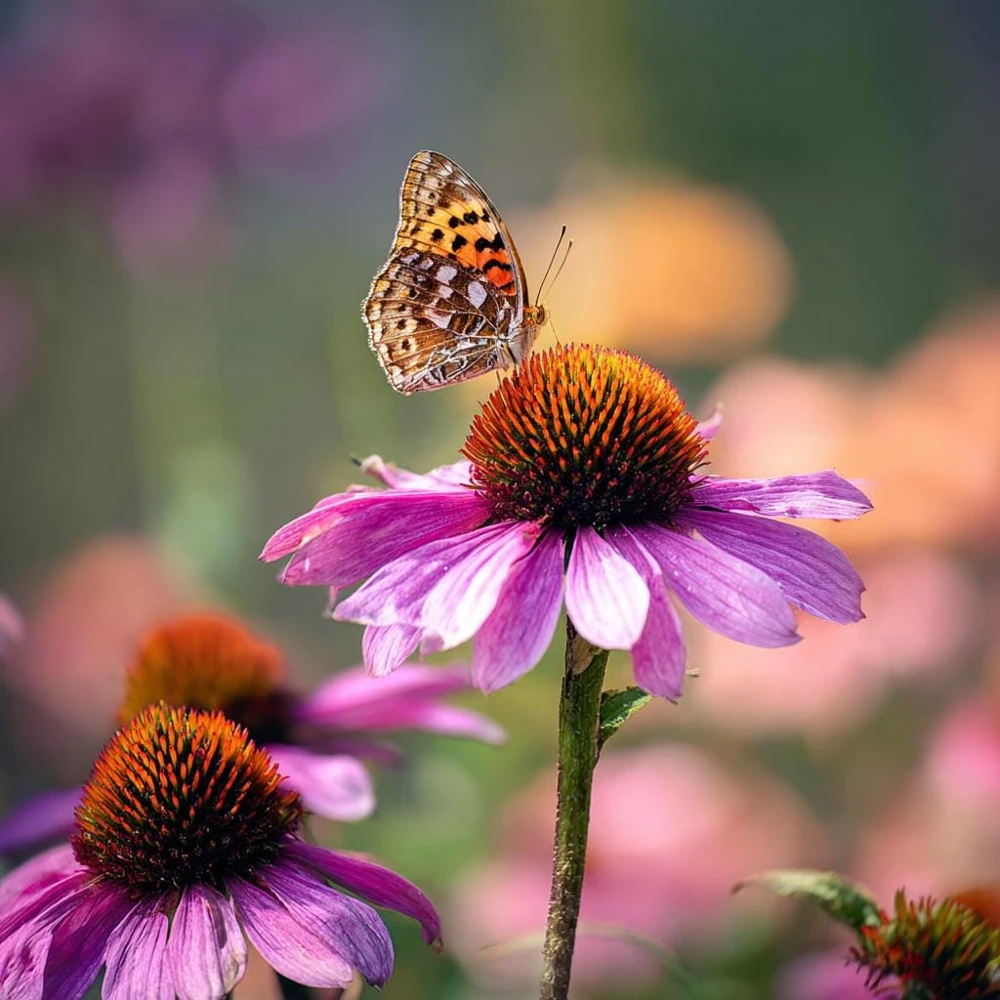
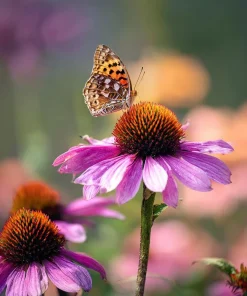
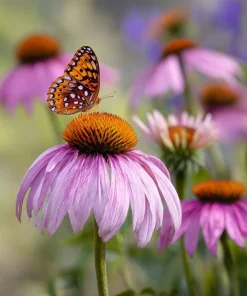
Introduce the timeless beauty and ecological benefits of purple coneflower seeds to your garden. Echinacea purpurea, commonly known as Purple Coneflower, is a cherished North American perennial celebrated for its striking rosy-purple petals and distinctive cone-shaped centers. This pack of 200 high-quality seeds allows you to cultivate a robust patch of these magnificent flowers, transforming your outdoor space into a haven for wildlife. Blooming profusely from mid-summer through fall, these resilient plants are a magnet for bees, butterflies, and goldfinches, making them an essential addition to any pollinator or wildlife garden. Beyond their visual appeal, Purple Coneflowers are renowned for their traditional herbal uses, offering both aesthetic charm and practical value to your landscape. Easy to grow and maintain, these seeds promise a rewarding gardening experience.
Our echinacea purpurea seeds are sourced to ensure excellent germination rates, providing you with a strong foundation for a thriving garden. Whether you’re an experienced gardener or just starting, these seeds are a fantastic choice for creating vibrant borders, naturalized prairies, charming cottage gardens, or dedicated medicinal herb beds. Their strong, drought-tolerant nature and low-maintenance requirements make them a reliable and long-lasting source of color and life. Experience the joy of watching these iconic flowers flourish from seed, bringing both beauty and purpose to your outdoor sanctuary. Growing purple coneflower seeds is an investment in both the aesthetics and biodiversity of your garden.
Key Benefits
Embrace the numerous advantages of integrating Purple Coneflower into your garden design. These resilient perennials offer a blend of beauty, ecological support, and ease of care, making them a top choice for gardeners. Cultivating purple coneflower seeds provides a host of benefits that enhance both your garden and the local ecosystem.
- Attracts Pollinators: Purple Coneflower is a vital food source for bees, butterflies, and other beneficial insects, playing a crucial role in supporting local pollinator populations and promoting biodiversity in your garden.
- Drought-Tolerant: Once established, these plants are highly resistant to drought, requiring minimal watering and making them an excellent choice for water-wise gardening and challenging climates.
- Low Maintenance: Enjoy vibrant blooms with little effort. Purple Coneflowers are known for their hardiness and ability to thrive with minimal intervention, perfect for busy gardeners.
- Extended Bloom Season: Providing continuous color from mid-summer to fall, these flowers ensure your garden remains lively and attractive for months, extending the visual interest and pollinator activity.
- Medicinal Herb: Historically valued for their traditional herbal properties, these plants add a functional dimension to your garden, allowing you to grow a plant known for its wellness applications.
- Wildlife Support: Beyond pollinators, goldfinches are particularly fond of the seeds, providing winter food and adding dynamic wildlife interactions to your landscape.
- Versatile Landscaping: Ideal for borders, wildflower meadows, cottage gardens, and mass plantings, Purple Coneflower adapts well to various garden styles and contributes a natural, untamed beauty. These perennial flower seeds are incredibly versatile.
Plant Care & Growing Tips
Growing purple coneflower seeds successfully requires understanding their basic needs, though they are notably forgiving. For optimal germination, start your coneflower growing indoors 8–10 weeks before the last expected frost date. Lightly press the seeds onto the surface of a well-draining seed-starting mix; do not bury them, as light aids germination. Maintain a consistent soil temperature between 65–70°F. Germination typically occurs within 10–20 days. For significantly improved results, consider cold stratifying the seeds by refrigerating them for 2–4 weeks prior to sowing. This mimics natural winter conditions and can dramatically increase germination rates. Alternatively, you can direct sow the seeds outdoors in late fall or early spring, allowing nature to handle the cold stratification.
Once seedlings are established and the danger of frost has passed, transplant them outdoors, spacing them 18–24 inches apart. Purple Coneflower thrives in full sun, meaning it needs at least 6 hours of direct sunlight per day, and prefers well-drained soil. While young plants will require regular watering until they are fully established, mature plants are remarkably drought-resistant and can tolerate periods of dry weather. Deadhead spent blooms to encourage a longer flowering period and promote a tidier appearance. However, leaving some spent flower heads in place provides winter food for birds and adds architectural interest to the garden. Cut back the main stems in late fall or early spring to prepare the plant for the next growing season. These hardy plants are suitable for USDA Zones 3-9, making them a reliable choice for a wide range of climates. Proper care ensures vigorous growth and abundant blooms from your pollinator garden seeds.
Size & Details
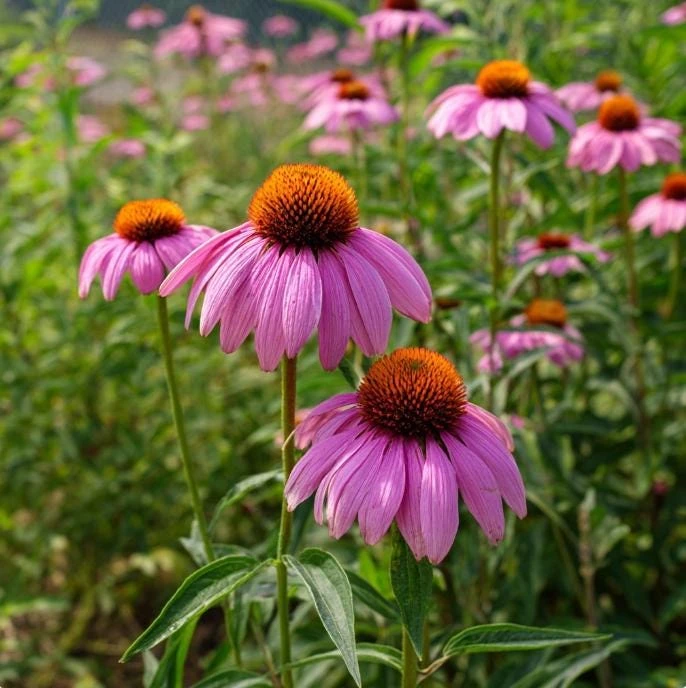
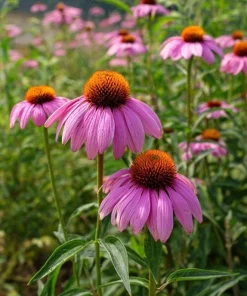
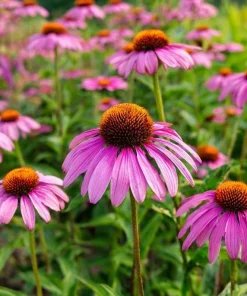
This product includes a generous packet of 200 purple coneflower seeds, providing ample opportunity to establish a substantial planting or share with fellow gardeners. Each seed is carefully selected to ensure high viability, contributing to successful germination and robust plant development. Once mature, Purple Coneflower (Echinacea purpurea) typically reaches a height of 2–4 feet and spreads 1–2 feet wide, forming an upright, bushy clump. The plants produce large, daisy-like flowers with distinctive rosy-purple petals and prominent central cones, blooming from July through October. These are perennial flower seeds, meaning once established, the plants will return year after year, growing larger and more floriferous over time.
The seeds are packaged to maintain freshness and are designed for easy storage until planting. While germination can take 10-20 days, the rewards are well worth the wait, as these plants will provide continuous beauty and ecological benefits for many years. Expect your plants to begin flowering in their second year when grown from seed, with increasing vigor in subsequent seasons. This seed pack is an economical way to create extensive plantings for wildflower meadows, borders, or dedicated pollinator habitats, ensuring a vibrant and healthy ecosystem in your own backyard.
Frequently Asked Questions
- Q: How many purple coneflower seeds are included in this pack? A: This pack contains 200 high-quality purple coneflower seeds, providing a generous quantity for planting a significant area or for multiple planting seasons.
- Q: Is this plant suitable for attracting pollinators? A: Absolutely! Purple Coneflower is a renowned pollinator magnet, highly favored by bees, butterflies, and goldfinches, making it an excellent choice for pollinator garden seeds.
- Q: What are the ideal growing conditions for these echinacea purpurea seeds? A: Purple Coneflower thrives in full sun (at least 6 hours daily) and well-drained soil. It is tolerant of various soil types but performs best when not waterlogged.
- Q: Do these perennial flower seeds require any special treatment before planting? A: For improved germination, cold stratification is highly recommended. You can refrigerate the seeds for 2–4 weeks before sowing, or direct sow them outdoors in late fall or early spring.
- Q: How tall do purple coneflowers typically grow? A: Mature Purple Coneflower plants generally reach a height of 2–4 feet, creating a striking presence in garden beds and borders.
- Q: When is the best time to plant purple coneflower seeds? A: You can start seeds indoors 8–10 weeks before the last frost, or direct sow them outdoors in late fall or early spring after the danger of frost has passed.
- Q: Is Purple Coneflower considered a medicinal herb? A: Yes, Purple Coneflower (Echinacea purpurea) has a long history of traditional use as an herbal remedy, adding another valuable aspect to its garden appeal.
- Q: How much space do I need between plants for successful coneflower growing? A: When transplanting seedlings, aim to space them 18–24 inches apart to allow for adequate growth and air circulation.
- Q: Are these plants drought-tolerant once established? A: Yes, once established, Purple Coneflowers are highly drought-resistant, requiring minimal supplemental watering during dry periods.
- Q: Will these plants return year after year? A: Yes, as a hardy perennial, Purple Coneflower will return each year, often growing larger and producing more blooms as it matures.
Be the first to review “Purple Coneflower Seeds – Echinacea purpurea – 200 Seeds – Hardy Perennial – Pollinator Favorite”
People Also Viewed
Succulents
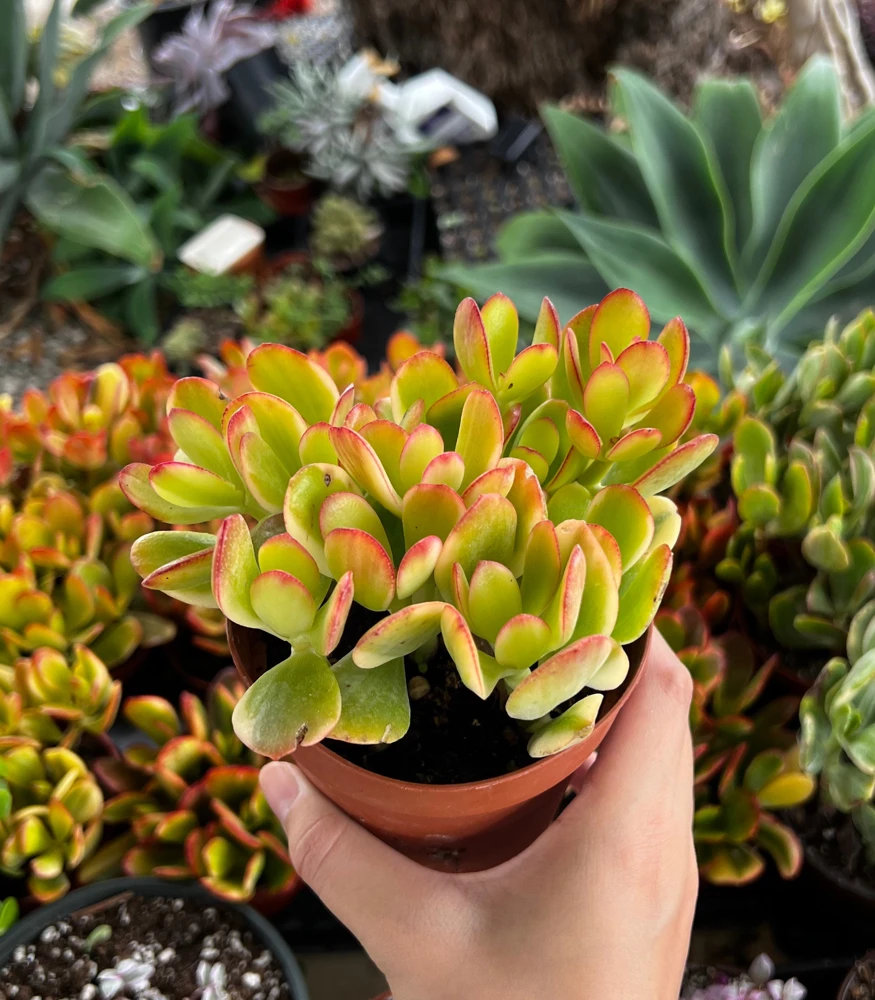
Hummel’s Sunset Golden Jade Live Plant – Crassula Ovata – 4 inch Pot – Colorful Houseplant
Trees
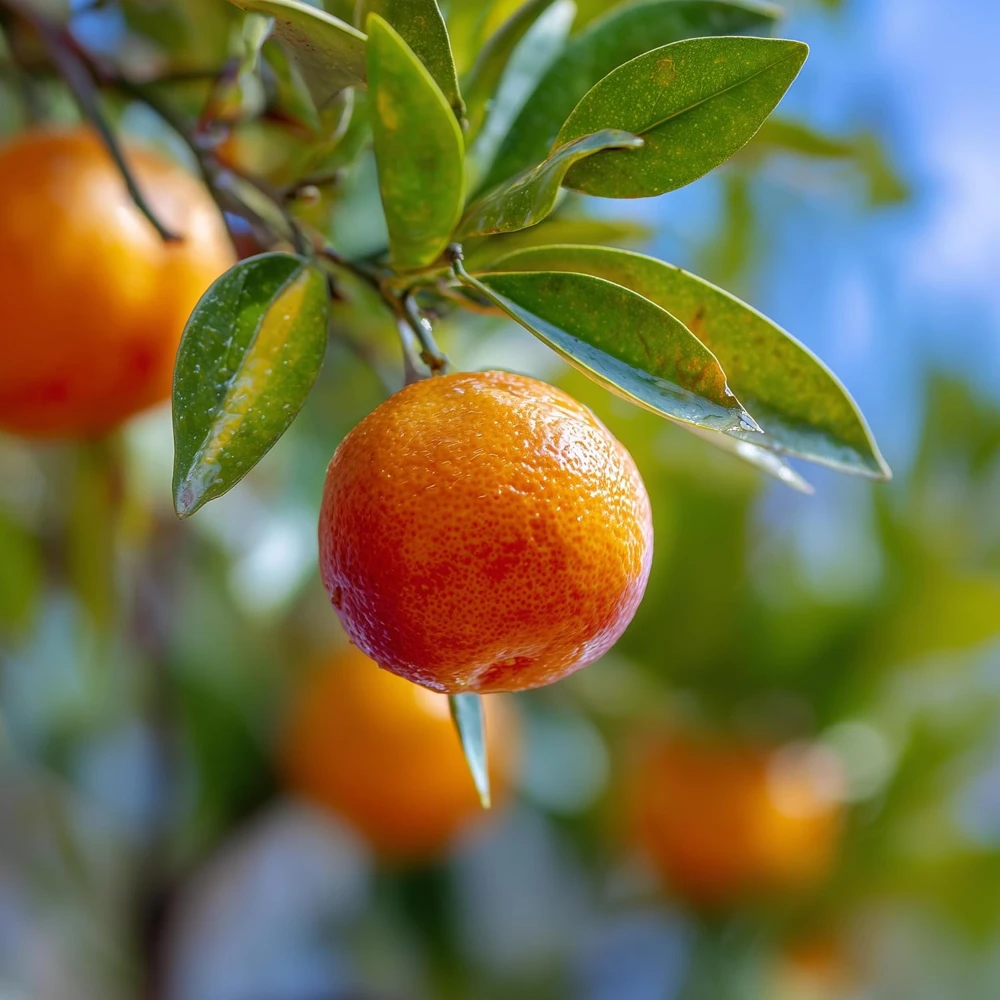
Clementine Mandarin Tree Live Plant 2-5 Inch Tall – Potted Orange Fruit Seedling Indoor/Outdoor
Reviews
There are no reviews yet.