
Stella Cherry Tree Live Plant – 3-4 ft Tall – Self-Fertile Fruit Tree
$157.76
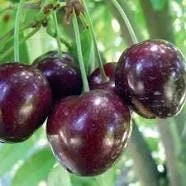
Cultivate your own orchard with a stella cherry tree live plant. This 3-4 ft tall, self-fertile sweet cherry tree produces abundant, dark red, juicy fruit that resists splitting. Ideal for compact gardens, it offers beautiful white spring blossoms and delicious summer harvests.
Estimated arrival
Sep 14
Sep 19 - Sep 21
Sep 24 - Sep 28
Shop With Confidence
30-Day Plant Health Guarantee
Arrives damaged? We’ll replace it free — see our return policy.
Responsive Support
Email us anytime, we reply within 1 business day.
Expert Packaging
Temperature-controlled shipping to protect your plants in transit.
Secure Checkout
Pay safely with Visa, Mastercard, PayPal.
Plant Specifications
-
USDA Hardiness Zone
USDA Zones 5-8 -
Soil Type
Well-draining, fertile loam -
Sunlight Exposure
Full sun (6-8+ hours daily) -
Expected Planting Period
Spring or Fall
Overview
Welcome the joy of homegrown fruit with the exceptional stella cherry tree live plant. Renowned for its luscious, dark red fruit and remarkable self-fertility, the Stella cherry is a true garden gem. This particular offering provides a robust 3-4 ft tall specimen, ready to establish itself in your landscape and begin its journey towards abundant harvests. Originating from British Columbia, Canada, the Stella cherry was the first self-fertile sweet cherry cultivar, making it an ideal choice for gardeners who may only have space for one tree. Its adaptability and delicious yield have earned it the prestigious Royal Horticultural Society’s Award of Garden Merit. Imagine plucking ripe, juicy cherries directly from your own backyard, perfect for snacking, baking, or preserving. This stella cherry tree live plant is an investment in future sweetness and a beautiful addition to any garden, whether large or small. Its manageable size makes it a fantastic option for those seeking a productive yet compact fruit tree.
Key Benefits
The stella cherry tree live plant offers a wealth of advantages for the home gardener, combining ornamental beauty with practical fruit production. Its unique characteristics make it a standout choice for both novice and experienced growers seeking a reliable and rewarding fruit tree.
- Self-Pollinating Success: One of the most significant benefits of the Stella cherry is its self-fertility. Unlike many other sweet cherry varieties that require a pollination partner, you only need one self-fertile cherry tree to enjoy a bountiful crop. This simplifies planting and ensures fruit production even in smaller spaces.
- Delicious, Resilient Fruit: The cherries produced by the Stella tree are a deep, alluring red, boasting a sweet, juicy flavor. Critically, these fruits are known for their resistance to splitting and cracking, a common issue with other cherry varieties, ensuring a higher quality harvest.
- Perfect for Compact Gardens: With its moderate growth habit, the Stella cherry tree is an excellent example of a compact fruit tree. It doesn’t demand vast amounts of space, making it suitable for urban gardens, patios (when grown in large containers), or smaller suburban lots where every inch counts.
- Early & Reliable Cropping: This variety can begin fruiting in as little as 1 to 4 years after planting, offering a relatively quick return on your gardening efforts. Its consistent production ensures you’ll have fresh cherries year after year.
- Stunning Spring Blossoms: Before the fruit appears, the Stella cherry tree adorns itself with a spectacular display of white blossoms in spring. These delicate flowers not only add significant aesthetic appeal to your garden but also attract pollinators.
- Low Maintenance Fruiting: Stella cherry trees are known for not requiring extensive pruning specifically for fruit production, simplifying their care regimen and making them more accessible for gardeners of all skill levels.
- Attracts Beneficial Wildlife: The vibrant fruit and blossoms attract birds, adding life and sound to your garden ecosystem. While netting may be needed to protect your harvest, the presence of wildlife is a welcome natural element.
Plant Care & Growing Tips
Caring for your stella cherry tree live plant is a rewarding experience that ensures a healthy tree and abundant fruit. Understanding its basic needs for sunlight, water, and soil will set you up for success. This sweet cherry tree thrives with consistent attention, especially in its early years.
Sunlight Requirements: Stella cherry trees perform best in full sun, meaning at least 6-8 hours of direct sunlight per day. Choose a location in your garden that receives ample sun exposure throughout the growing season. Adequate sunlight is crucial for fruit development and overall tree health. While they can tolerate some partial shade, fruit production may be reduced.
Watering Schedule & Soil Moisture: Consistent moisture is key for Stella cherry trees, particularly during dry spells and when the fruit is developing. Water deeply and regularly, ensuring the soil remains evenly moist but not waterlogged. Young trees will require more frequent watering until their root systems are well-established. During hot summer months, you may need to water several times a week. Reduce watering frequency in cooler, dormant periods. Proper drainage is paramount to prevent root rot.
Soil Type & Drainage: These trees prefer well-draining, fertile soil with a pH between 6.0 and 7.0. A loamy soil enriched with organic matter is ideal. If your soil is heavy clay, amend it with compost, peat moss, or sand to improve drainage. Conversely, if your soil is very sandy, adding organic matter will help retain moisture and nutrients. Good drainage is critical for preventing diseases and ensuring the tree’s health. For optimal growth, consider soil testing to understand your garden’s specific composition and nutrient levels, which is a key part of good stella cherry care.
Temperature Range & USDA Hardiness Zone: The Stella cherry tree is quite hardy and typically thrives in USDA Zones 5-8. It requires a certain number of chill hours (periods of cold temperatures below 45°F/7°C) to set fruit. Protect young trees from extreme winter winds. In very hot climates, some afternoon shade can be beneficial to prevent heat stress, though full sun is generally preferred.
Fertilization Schedule & Type: Fertilize your Stella cherry tree annually in early spring before new growth begins. Use a balanced, slow-release fruit tree fertilizer, or an organic compost spread around the drip line. Avoid over-fertilizing, especially with nitrogen, as this can promote leafy growth at the expense of fruit production. Follow the manufacturer’s instructions for application rates based on the tree’s age and size. A mature self-fertile cherry tree will benefit from consistent nutrient replenishment.
Common Problems & Solutions: Watch out for common pests like aphids and cherry fruit flies, and diseases such as brown rot and bacterial canker. Good air circulation through proper spacing and occasional pruning can help prevent fungal issues. Promptly address any signs of disease or pest infestation with appropriate organic or chemical treatments. Maintaining good garden hygiene, like clearing fallen leaves and fruit, also contributes to disease prevention.
Size & Details
This offering is for a robust stella cherry tree live plant, typically measuring 3 to 4 feet tall upon shipment. These trees are grown for their sturdy trunks, ensuring a strong foundation for future growth and fruit production. Each plant is carefully nurtured in a pot, which helps minimize transplant shock and ensures a smoother transition to your garden. The Stella cherry is a moderately sized fruit tree, generally reaching a mature height of 15-20 feet with a similar spread, though its size can be managed with proper pruning, making it a versatile compact fruit tree. It is shipped as a well-rooted, actively growing specimen, ready for immediate planting. Expect this tree to begin producing its sweet, dark red cherries within 1-4 years after planting, with full production achieved in subsequent years as it matures. The tree’s vigor and self-pollinating nature mean you can anticipate a generous yield of delicious fruit.
Frequently Asked Questions
- Q: How big does this Stella cherry tree get? A: This particular stella cherry tree live plant ships at 3-4 feet tall. At maturity, a Stella cherry tree typically reaches a height of 15-20 feet with a similar spread, though its size can be managed with pruning.
- Q: Is this an indoor or outdoor plant? A: The Stella cherry tree is an outdoor plant, a deciduous fruit tree that requires seasonal changes and specific chill hours to produce fruit. It should be planted directly in the ground or in a very large outdoor container.
- Q: How much sunlight does a Stella cherry tree need? A: For optimal growth and fruit production, your sweet cherry tree needs at least 6-8 hours of direct sunlight per day. Choose a sunny location in your garden.
- Q: Is this plant easy to care for? Is it good for beginners? A: Yes, the Stella cherry is considered relatively easy to care for, especially for a fruit tree, due to its self-fertility and resilience. Its straightforward needs make it a good choice for beginner fruit tree growers.
- Q: What condition will the Stella cherry tree arrive in? Is it shipped in soil? A: Your stella cherry tree live plant will arrive well-packaged in a pot with its root ball intact and growing medium. This ensures the plant remains healthy during transit and is ready for planting upon arrival.
- Q: How long until it blooms and produces fruit? A: The Stella cherry tree typically begins to bloom in spring and can start producing fruit within 1-4 years after planting. Full fruit production will increase as the tree matures.
- Q: Will it survive winter in my zone? What’s the minimum temperature? A: The Stella cherry tree is hardy in USDA Zones 5-8. It can tolerate winter temperatures well below freezing, but the exact minimum temperature depends on the specific microclimate and the tree’s establishment.
- Q: What makes this a self-fertile cherry tree? A: A self-fertile cherry tree like Stella has the unique ability to pollinate itself, meaning it doesn’t require another cherry tree nearby to produce fruit. This is a significant advantage for smaller gardens.
- Q: Can I grow this compact fruit tree in a large pot? A: While best grown in the ground, a Stella cherry tree can be successfully grown in a very large container (25-gallon or more) as a compact fruit tree, provided it receives adequate water, nutrients, and protection in winter.
- Q: What kind of soil is best for good stella cherry care? A: For effective stella cherry care, the tree thrives in well-draining, fertile soil with a slightly acidic to neutral pH (6.0-7.0). Amending with organic matter is beneficial.
Be the first to review “Stella Cherry Tree Live Plant – 3-4 ft Tall – Self-Fertile Fruit Tree”
People Also Viewed
Vegetable Seeds
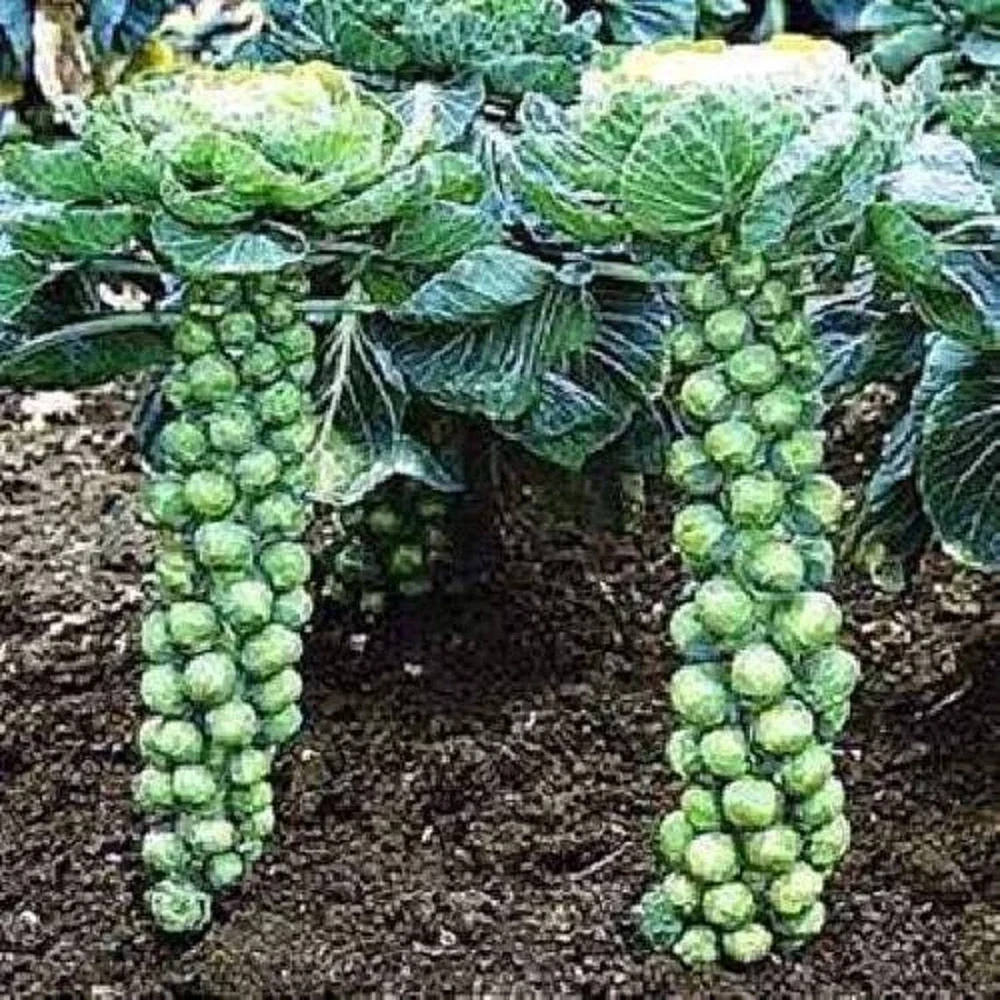
Brussels Sprouts Jade Cross E Seeds – 1000 Count for Home Garden
Reviews
There are no reviews yet.