
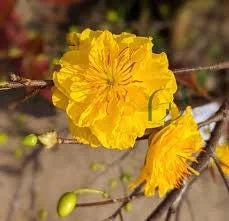
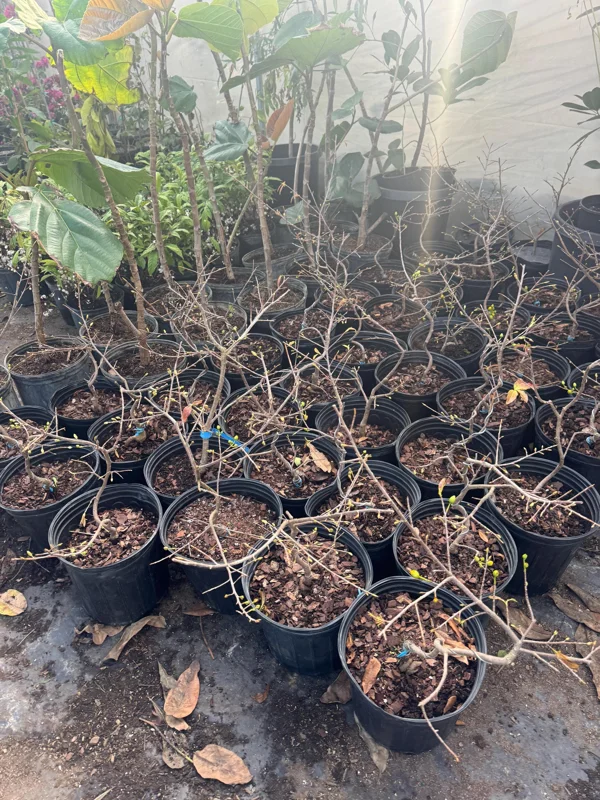
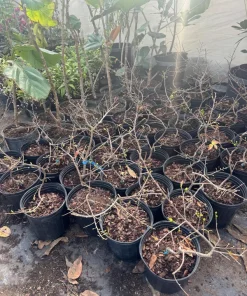
Mai Vang Bonsai Plant – Vietnamese Yellow Apricot Bonsai Tree – 20+ Petals – Live Plant in 6 inch Pot
$221.76
Bring traditional beauty to your home with a Mai Vang bonsai plant. This stunning Vietnamese Yellow Apricot tree is known for its vibrant yellow flowers, often featuring 20 or more petals. Shipped as a live plant in a 6 inch pot, it’s perfect for enthusiasts and collectors.
Estimated arrival
Sep 14
Sep 19 - Sep 21
Sep 24 - Sep 28
Shop With Confidence
30-Day Plant Health Guarantee
Arrives damaged? We’ll replace it free — see our return policy.
Responsive Support
Email us anytime, we reply within 1 business day.
Expert Packaging
Temperature-controlled shipping to protect your plants in transit.
Secure Checkout
Pay safely with Visa, Mastercard, PayPal.
Plant Specifications
-
USDA Hardiness Zone
USDA zones 9-11 (or indoor cultivation) -
Soil Type
Well-draining, slightly acidic bonsai mix -
Sunlight Exposure
Bright, direct sunlight (6-8 hours daily) -
Expected Planting Period
Year-round indoors; Spring to Summer outdoors
Overview
The Mai Vang bonsai plant, also known as the Vietnamese Yellow Apricot (botanical name: Ochna integerrima), is a highly cherished and symbolic plant, especially in Vietnamese culture. This live plant is celebrated for its striking yellow blossoms, which traditionally bloom around the Lunar New Year (Tet) and symbolize prosperity, luck, and joy. Our Mai Vang bonsai specimen is carefully cultivated to produce flowers with 20 or more petals, a highly desirable trait that enhances its ornamental value. Each plant is a testament to the beauty and artistry of bonsai, offering a unique and vibrant addition to any plant collection. It arrives as a healthy, thriving live plant, ready to be nurtured and enjoyed.
Cultivating an Ochna integerrima bonsai is a rewarding experience, connecting you with centuries of horticultural tradition. The intricate structure of its branches and the delicate dance of its bright yellow flowers create a captivating display. Whether you are an experienced bonsai artist or a budding enthusiast, this Mai Vang bonsai plant provides an opportunity to grow a piece of living art. Its resilient nature and stunning floral display make it a conversation starter and a focal point in any indoor or outdoor setting.
Key Benefits
The Mai Vang bonsai plant offers numerous benefits, making it a prized possession for plant lovers and cultural enthusiasts alike. Its unique characteristics contribute to its appeal and symbolic significance.
-
Cultural Significance: The Vietnamese Yellow Apricot is a powerful symbol of good luck, wealth, and prosperity, especially during the Lunar New Year. Owning one can bring a sense of cultural connection and positive energy to your home.
-
Exquisite Floral Display: Known for its brilliant yellow flowers, this particular variety boasts 20 or more petals per bloom, creating a fuller, more spectacular visual impact than standard varieties. The vibrant color adds cheer and brightness.
-
Bonsai Artistry: As a bonsai, it offers a living art form that can be shaped and styled over time, providing a continuous creative outlet. The compact size makes it suitable for various living spaces.
-
Year-Round Interest: While most celebrated for its winter/spring blooms, the attractive foliage and intricate branch structure provide visual interest throughout the year, even when not in flower.
-
Therapeutic Hobby: The practice of caring for a bonsai, including pruning and watering, can be a calming and meditative activity, promoting mindfulness and reducing stress.
-
Unique Collector’s Item: A Mai Vang bonsai plant with 20 or more petals is a unique and sought-after specimen, making it a valuable addition to any serious plant collection.
-
Adaptable Growth: With proper care, the Ochna integerrima can adapt to both indoor and outdoor environments, offering flexibility in placement depending on your climate and preferences.
Plant Care & Growing Tips
Caring for your Mai Vang bonsai plant requires attention to its specific needs to ensure healthy growth and abundant flowering. Understanding these requirements will help your Vietnamese Yellow Apricot thrive and deliver its stunning blooms.
Sunlight Requirements: The Mai Vang bonsai plant thrives in bright, direct sunlight for at least 6-8 hours a day. When grown indoors, place it near a south-facing window or use grow lights to supplement. If outdoors, ensure it receives morning sun and some afternoon shade in extremely hot climates to prevent leaf scorch. Adequate light is crucial for flower development and overall plant vigor. Insufficient light can lead to leggy growth and fewer blooms.
Watering Schedule and Soil Moisture: Water thoroughly when the top inch of soil feels dry to the touch. Allow excess water to drain completely from the pot. Avoid overwatering, which can lead to root rot, and equally avoid letting the soil dry out completely for extended periods. The frequency of watering will depend on environmental factors like temperature, humidity, and pot size. During warmer months, it may need daily watering, while in cooler periods, less frequent watering is required. The soil should remain consistently moist but never waterlogged. Monitoring the soil moisture regularly is key to successful Mai Vang care.
Soil Type and Drainage: A well-draining, slightly acidic soil mix is ideal for the Ochna integerrima. A good bonsai soil mix typically combines akadama, pumice, and lava rock, or a mix of peat moss, perlite, and pine bark. Good drainage is paramount to prevent waterlogging and ensure healthy root development. Repotting every 2-3 years, preferably in early spring, helps refresh the soil and allows for root pruning.
Temperature Range and USDA Hardiness Zone: This plant prefers warm temperatures, ideally between 65°F and 85°F (18°C-29°C). It is sensitive to cold and should be protected from frost. In regions with cold winters, it’s best grown as an indoor plant or brought indoors when temperatures drop below 50°F (10°C). It is generally suited for USDA zones 9-11 for outdoor cultivation. Sudden temperature fluctuations can stress the plant.
Fertilization Schedule: Fertilize regularly during the growing season (spring and summer) with a balanced liquid fertilizer diluted to half strength. Reduce fertilization in fall and cease completely during winter. A fertilizer with higher phosphorus content can encourage more prolific flowering. Always water the plant before fertilizing to prevent root burn.
Pruning and Shaping: Regular pruning is essential for maintaining the bonsai shape and encouraging new growth and flowering. Prune after the main flowering season to shape the tree and remove any dead or weak branches. Pinching back new growth can promote bushier development. Wiring can be used to style branches, but be careful not to damage the bark.
Size & Details
This Mai Vang bonsai plant is shipped as a healthy, established live plant in a 6 inch nursery pot. While specific dimensions may vary slightly depending on the individual plant’s growth, it is typically a compact, desk-friendly size, ideal for indoor display or a patio garden. The plant is cultivated to encourage the development of flowers with 20 or more petals, a highly prized characteristic. Expect the plant to arrive with healthy foliage; flowering may or may not be present at the time of shipping, as bloom times can vary and are often triggered by specific environmental cues, especially around Lunar New Year. With proper Mai Vang care, this plant will mature into a beautiful specimen, providing years of enjoyment. Its growth rate is moderate, allowing for gradual shaping and development of its bonsai form.
Frequently Asked Questions
-
Q: How big does this Mai Vang bonsai plant get? A: As a bonsai, its size is intentionally kept compact through pruning. While it can reach several feet in its natural state, as a bonsai, it’s typically maintained at 1-2 feet in height, depending on your styling preferences. This specific plant ships in a 6 inch pot, indicating a young, manageable size.
-
Q: Is this an indoor or outdoor plant? A: The Vietnamese Yellow Apricot can be grown both indoors and outdoors, depending on your climate. It thrives outdoors in USDA Zones 9-11. In colder regions, it should be brought indoors during winter to protect it from frost and cold temperatures, making it a versatile plant.
-
Q: How much sunlight does it need? A: This plant requires abundant sunlight to flourish and produce its distinctive 20 petal Mai Vang flowers. Aim for at least 6-8 hours of bright, direct sunlight daily. If growing indoors, a south-facing window is ideal, or supplemental grow lights can be used.
-
Q: What condition will the plant arrive in? A: Your Mai Vang bonsai plant will arrive as a healthy, live specimen, carefully packaged in its 6 inch nursery pot with soil. While we ensure careful handling, minor leaf stress from shipping is possible but the plant will quickly recover with proper care. Flowers may or may not be present upon arrival.
-
Q: Is this plant easy to care for? A: While bonsai care requires some dedication and understanding of its specific needs, the Ochna integerrima is generally considered a moderately easy bonsai to care for once its light, water, and temperature preferences are met. Consistent Mai Vang care is key to its long-term health.
-
Q: When is the best time for it to bloom? A: The Vietnamese Yellow Apricot is traditionally known for blooming around the Lunar New Year (Tet) in late winter to early spring. However, with optimal conditions and care, it can produce sporadic blooms at other times of the year, especially if it experiences a slight dry period followed by increased watering.
-
Q: What type of soil is best for this Mai Vang bonsai plant? A: A well-draining, slightly acidic soil mix is crucial. Many bonsai enthusiasts use a mix of akadama, pumice, and lava rock. For a more accessible option, a blend of peat moss, perlite, and pine bark can also provide the necessary drainage and aeration for healthy root growth. The right soil is vital for good Mai Vang care.
-
Q: How often should I fertilize my Ochna integerrima? A: During the active growing season (spring and summer), fertilize every 2-4 weeks with a balanced liquid fertilizer diluted to half strength. Reduce or stop fertilizing during fall and winter when the plant’s growth slows down. Adequate nutrients support robust growth and flowering of your 20 petal Mai Vang.
-
Q: Can I keep the Vietnamese Yellow Apricot permanently indoors? A: Yes, it can be kept permanently indoors if it receives sufficient light and proper humidity. Placing it near a bright window or supplementing with grow lights is essential. Ensuring good air circulation and occasionally misting can help replicate its preferred humid environment.
-
Q: What does ‘20 or more petals‘ mean for this plant? A: This refers to a highly desirable characteristic where each flower produced by the plant has at least 20 petals, rather than the more common 5-10 petals. This makes the blooms appear much fuller and more vibrant, adding to the aesthetic appeal and value of the Mai Vang bonsai plant.
Be the first to review “Mai Vang Bonsai Plant – Vietnamese Yellow Apricot Bonsai Tree – 20+ Petals – Live Plant in 6 inch Pot”
People Also Viewed
Houseplants
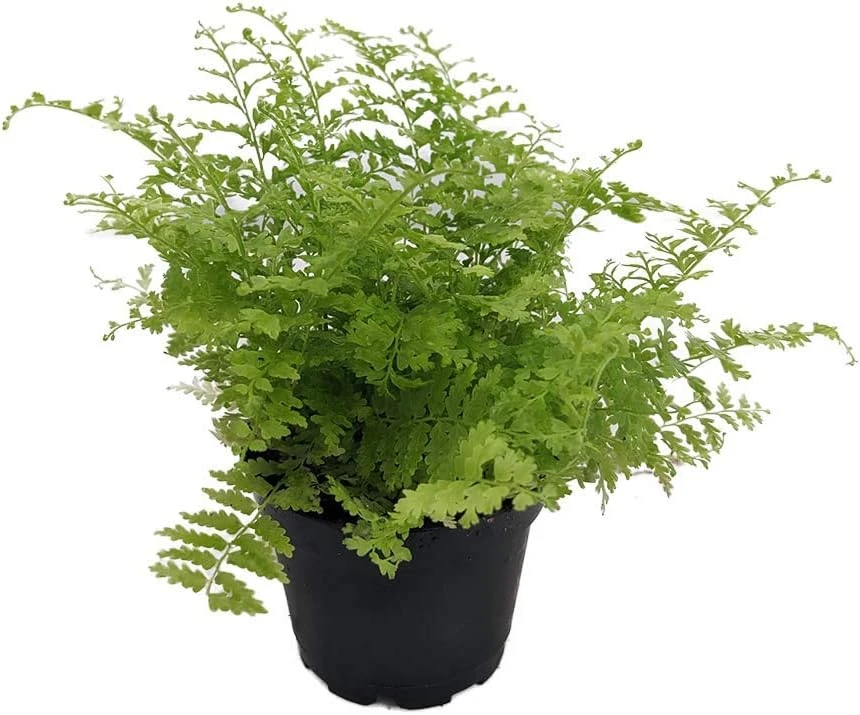
Cotton Candy Fern Live Plant – Nephrolepis exaltata ‘Marisa’ – 2.5″ Pot – Indoor Houseplant
Vegetable Seeds
Reviews
There are no reviews yet.