
Ceanothus Concha Live Plant – 1ft Tall Evergreen Shrub – Outdoor
$51.76
Enhance your garden with a beautiful ceanothus concha live plant. This 1ft tall evergreen shrub thrives in full sun, offering vibrant blooms and year-round foliage. Perfect for a low-maintenance, drought-tolerant landscape.
Estimated arrival
Sep 14
Sep 19 - Sep 21
Sep 24 - Sep 28
Shop With Confidence
30-Day Plant Health Guarantee
Arrives damaged? We’ll replace it free — see our return policy.
Responsive Support
Email us anytime, we reply within 1 business day.
Expert Packaging
Temperature-controlled shipping to protect your plants in transit.
Secure Checkout
Pay safely with Visa, Mastercard, PayPal.
Plant Specifications
-
USDA Hardiness Zone
USDA zones 8-10 -
Soil Type
Well-draining soil -
Sunlight Exposure
Full sun -
Expected Planting Period
Spring to early summer or fall
Overview
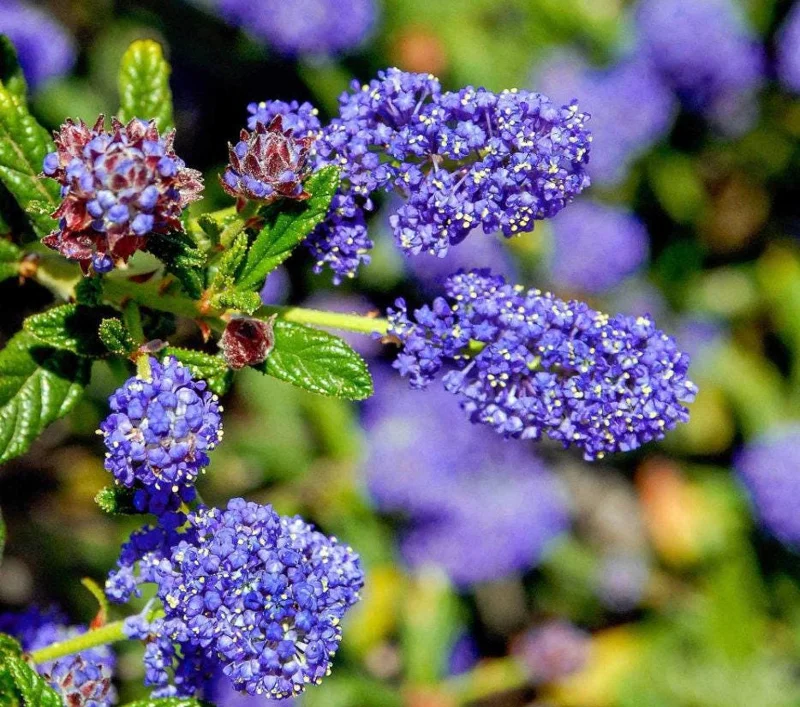
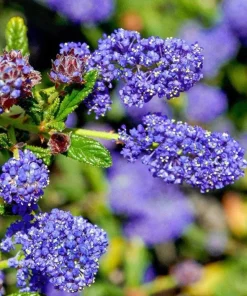
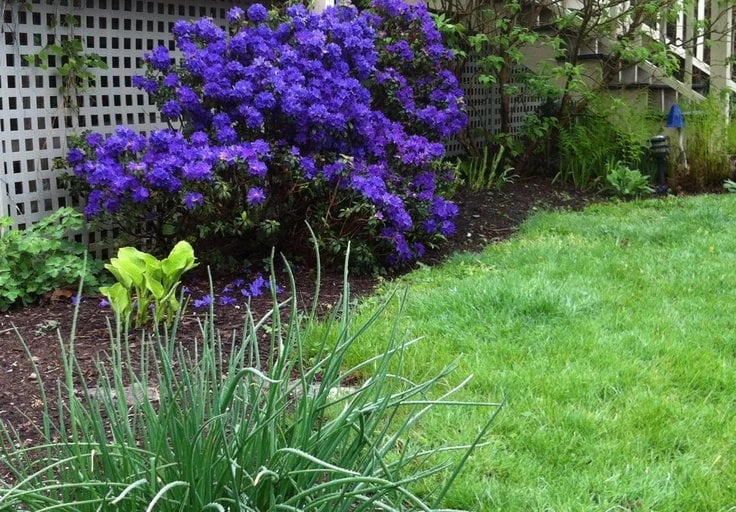
Introduce a touch of Californian beauty to your landscape with the spectacular ceanothus concha live plant. This captivating evergreen shrub, often referred to as california lilac plant, is renowned for its prolific clusters of deep blue flowers that create a breathtaking display in spring. Growing to approximately 1ft tall in its current pot size, this specimen is ready to establish itself and bring vibrant color to your garden. The Ceanothus ‘Concha’ variety is particularly prized for its vigorous growth, attractive glossy green foliage, and exceptional drought tolerance once established, making it an ideal choice for sustainable gardening and water-wise landscapes. Its dense growth habit provides excellent ground cover or an attractive border plant, contributing to a lush and inviting outdoor space.
The ‘Concha’ cultivar is a hybrid known for its intense flower color and robust nature. It’s a fantastic choice for gardeners seeking a plant that combines ornamental appeal with resilience. This ceanothus concha live plant will quickly become a focal point, attracting pollinators like bees and butterflies, further enhancing the biodiversity of your garden.
Key Benefits
The ceanothus concha live plant offers a multitude of benefits that make it a standout choice for any garden. Its hardiness and beauty ensure a rewarding gardening experience.
- Stunning Floral Display: Enjoy an abundance of deep blue flowers in spring, creating a spectacular visual impact and attracting beneficial pollinators to your garden.
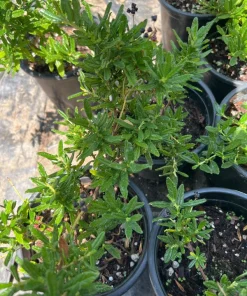
- Evergreen Foliage: Maintain year-round interest with glossy, dark green leaves that provide consistent color and structure to your landscape, even in winter.
- Drought Tolerance: Once established, this drought tolerant shrubs requires minimal watering, making it an excellent choice for xeriscaping and water-conscious gardening.
- Low Maintenance: This shrub is relatively easy to care for, needing only occasional pruning to maintain its shape and promote healthy growth. Its robust nature means less fuss for the gardener.
- Attracts Pollinators: The vibrant flowers are a magnet for bees, butterflies, and other beneficial insects, supporting local ecosystems and enhancing garden vitality.
- Versatile Landscaping: Ideal for borders, hedges, mass plantings, or as a specimen plant, the california lilac plant adapts well to various garden designs.
- Erosion Control: Its strong root system helps to stabilize soil on slopes, making it a functional as well as beautiful addition to your garden.
Plant Care & Growing Tips
Proper ceanothus care is straightforward, ensuring your ceanothus concha live plant thrives and produces its stunning blooms. This plant prefers conditions that mimic its native Californian habitat.
Sunlight Requirements: The Ceanothus ‘Concha’ absolutely loves the sun. Plant it in a location that receives full sun evergreen exposure, meaning at least 6-8 hours of direct sunlight per day. While it can tolerate some partial shade, too little sun will result in fewer flowers and a less vigorous plant. Ensure good air circulation to prevent fungal issues.
Watering Schedule & Soil Moisture: Once established, this is a truly drought tolerant shrubs. During its first year, water regularly to help it establish a strong root system. After that, it will only need occasional watering during prolonged dry spells. Avoid overwatering, as this can lead to root rot. The soil should be allowed to dry out completely between waterings.
Soil Type & Drainage: Ceanothus thrives in well-draining soil. It is tolerant of various soil types, including sandy, loamy, or even clay soils, as long as drainage is excellent. It prefers slightly acidic to neutral soil pH. Amend heavy clay soils with organic matter and grit to improve drainage before planting.
Temperature Range & USDA Hardiness Zone: This california lilac plant is hardy in USDA Zones 8-10. It can tolerate mild frosts but may suffer damage in prolonged freezing temperatures. In colder zones, it can be grown in containers and protected during winter, or treated as an annual. It prefers warm, dry summers.
Fertilization: Ceanothus generally does not require heavy fertilization. In fact, too much fertilizer, especially those high in phosphorus, can be detrimental. If your soil is poor, a light application of a balanced, slow-release fertilizer in early spring can be beneficial. Avoid feeding during the flowering period.
Pruning: Prune after flowering to maintain shape and size, and to remove any dead or damaged branches. Light pruning encourages bushier growth and more blooms. Avoid heavy pruning into old wood, as Ceanothus does not always recover well from severe cuts. This careful ceanothus care will ensure a healthy and attractive plant.
Size & Details
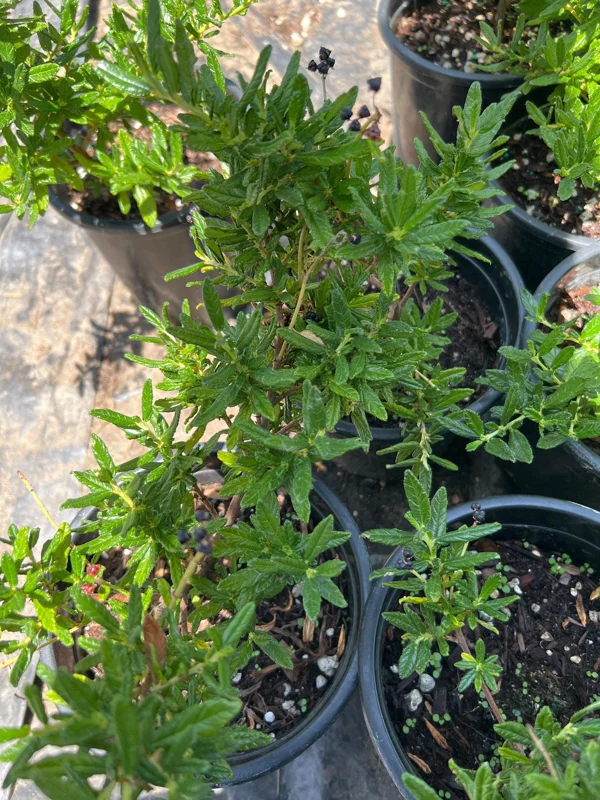
This ceanothus concha live plant is currently supplied at approximately 1ft tall (including the pot) and shipped in a 6-inch nursery pot. It is a vigorous grower and can reach a mature height of 6-8 feet with a similar spread when planted in the ground, though its size can be managed with pruning. The growth rate is moderate to fast, allowing it to establish quickly in your garden. Expect prolific deep blue blooms from late spring to early summer, providing a stunning contrast against its dark green, evergreen foliage. This full sun evergreen shrub will develop a dense, mounding habit, making it an excellent choice for a variety of landscape applications. It typically reaches its full ornamental potential within 3-5 years.
Frequently Asked Questions
- Q: How big does this ceanothus concha live plant get? A: This plant can grow to a mature height and spread of 6-8 feet. Regular pruning after flowering can help manage its size and maintain a more compact shape.
- Q: Is this an indoor or outdoor plant? A: The Ceanothus ‘Concha’ is an outdoor plant, ideally suited for garden beds, borders, and hedges in suitable climates. It thrives in full sun and is not typically grown indoors.
- Q: How much sunlight does the california lilac plant need? A: This shrub requires at least 6-8 hours of direct sunlight per day to flower profusely and maintain healthy growth. It is a true full sun evergreen.
- Q: Is this plant easy to care for? A: Yes, once established, the Ceanothus ‘Concha’ is considered low maintenance. Its drought tolerance and minimal fertilization needs make ceanothus care relatively easy, making it a good choice for busy gardeners.
- Q: What condition will the plant arrive in? A: Your ceanothus concha live plant will arrive well-packaged in a 6-inch pot, carefully prepared for shipment to ensure its health upon arrival. We take great care to protect the foliage and root system.
- Q: When is the best time to plant a drought tolerant shrubs like this? A: The best time to plant Ceanothus ‘Concha’ is in fall or early spring, allowing it to establish its root system before the heat of summer or the cold of winter.
- Q: Will it survive winter in my zone? A: This plant is hardy in USDA Zones 8-10. If you are in a colder zone, it may require winter protection or can be grown in a container and moved indoors during the coldest months.
- Q: What kind of soil does it prefer? A: Ceanothus ‘Concha’ prefers well-draining soil. It can adapt to various soil types, but good drainage is crucial to prevent root rot.
- Q: Does this plant attract pollinators? A: Absolutely! The vibrant blue flowers of the ceanothus concha live plant are a magnet for bees, butterflies, and other beneficial pollinators, enhancing the biodiversity of your garden.
- Q: Does it have any fragrance? A: While not intensely fragrant, some varieties of Ceanothus have a subtle, sweet scent, particularly on warm days. The primary appeal of ‘Concha’ is its visual beauty and hardiness.
Be the first to review “Ceanothus Concha Live Plant – 1ft Tall Evergreen Shrub – Outdoor”
People Also Viewed
Vegetable Seeds
Reviews
There are no reviews yet.