


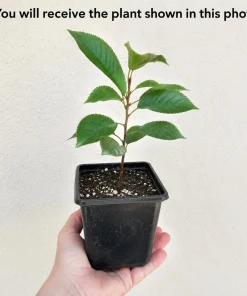
Sassafras Live Tree (Sassafras albidum) Native Shade Tree, 15-20″ Tall, 1 Gallon
Original price was: $143.98.$89.99Current price is: $89.99.
Bring home a beautiful sassafras live tree (Sassafras albidum), a wonderful native shade tree. Celebrated for its brilliant fall color, this 15-20″ tall plant is ideal for adding natural beauty to your landscape. Easy to grow and a true garden standout.
Estimated arrival
Oct 14
Oct 19 - Oct 21
Oct 24 - Oct 28
Shop With Confidence
30-Day Plant Health Guarantee
Arrives damaged? We’ll replace it free — see our return policy.
Responsive Support
Email us anytime, we reply within 1 business day.
Expert Packaging
Temperature-controlled shipping to protect your plants in transit.
Secure Checkout
Pay safely with Visa, Mastercard, PayPal.
Plant Specifications
-
USDA Hardiness Zone
USDA Zones 4-9 -
Soil Type
Well-draining, slightly acidic to neutral soil -
Sunlight Exposure
Full sun to partial shade -
Expected Planting Period
Early spring to fall
Overview
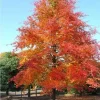
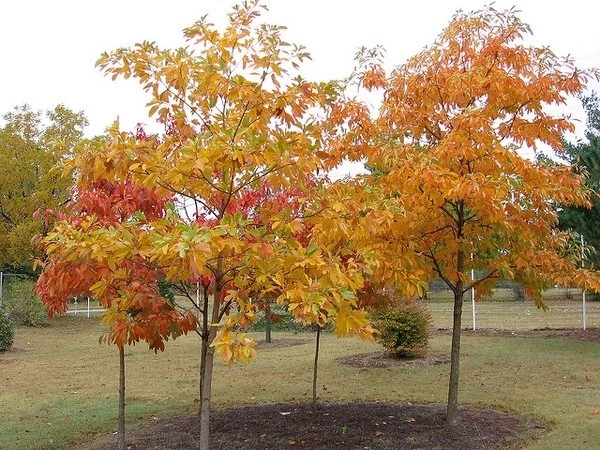
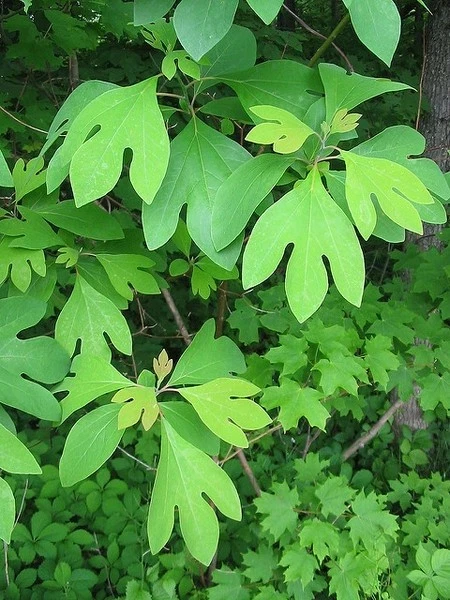
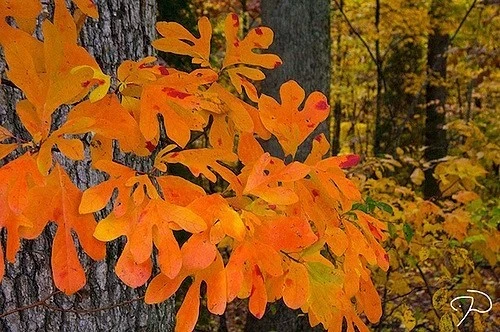
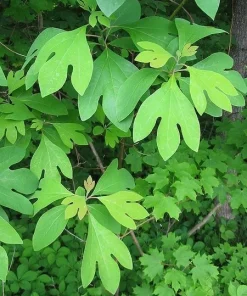
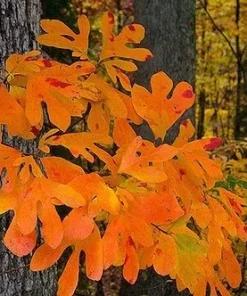
The sassafras live tree (Sassafras albidum) is a beloved native shade tree renowned for its distinctive foliage and stunning autumn display. This particular specimen arrives as a healthy 15-20 inch tall plant in a Trade 1 Gallon container, ready to establish itself in your garden. Known for its unique mitten-shaped leaves, the sassafras tree transforms into a breathtaking spectacle of brilliant orange, red, and purple hues each fall, making it a focal point in any landscape. Beyond its ornamental appeal, the sassafras albidum is an important ecological species, providing food and shelter for various wildlife. It’s a fantastic choice for those looking to introduce a piece of authentic American wilderness into their yard, offering both aesthetic beauty and environmental benefits. Whether you’re aiming to create a naturalized area or simply want a majestic shade tree, the sassafras is an excellent selection.
This deciduous tree is relatively fast-growing, quickly providing ample shade and contributing to the overall biodiversity of your property. Its aromatic leaves, twigs, and bark also add a sensory dimension to your garden experience. The sassafras live tree is a resilient and enchanting addition that promises years of enjoyment and seasonal beauty.
Key Benefits
Choosing a sassafras tree for your landscape offers a multitude of advantages, from its striking appearance to its ecological value. This native species is a low-maintenance option that brings significant charm to any outdoor space.
- Brilliant Fall Color: The most striking feature of the sassafras is its incredible autumn foliage. Leaves transition to vibrant shades of orange, red, and purple, creating a spectacular display that enhances your garden’s visual appeal. This brilliant fall color makes it a standout choice.
- Native Shade Tree: As a native shade tree, the sassafras is well-adapted to local climates and soils, requiring less intervention once established. It provides excellent shade during hot summer months, helping to cool your home and outdoor living areas.
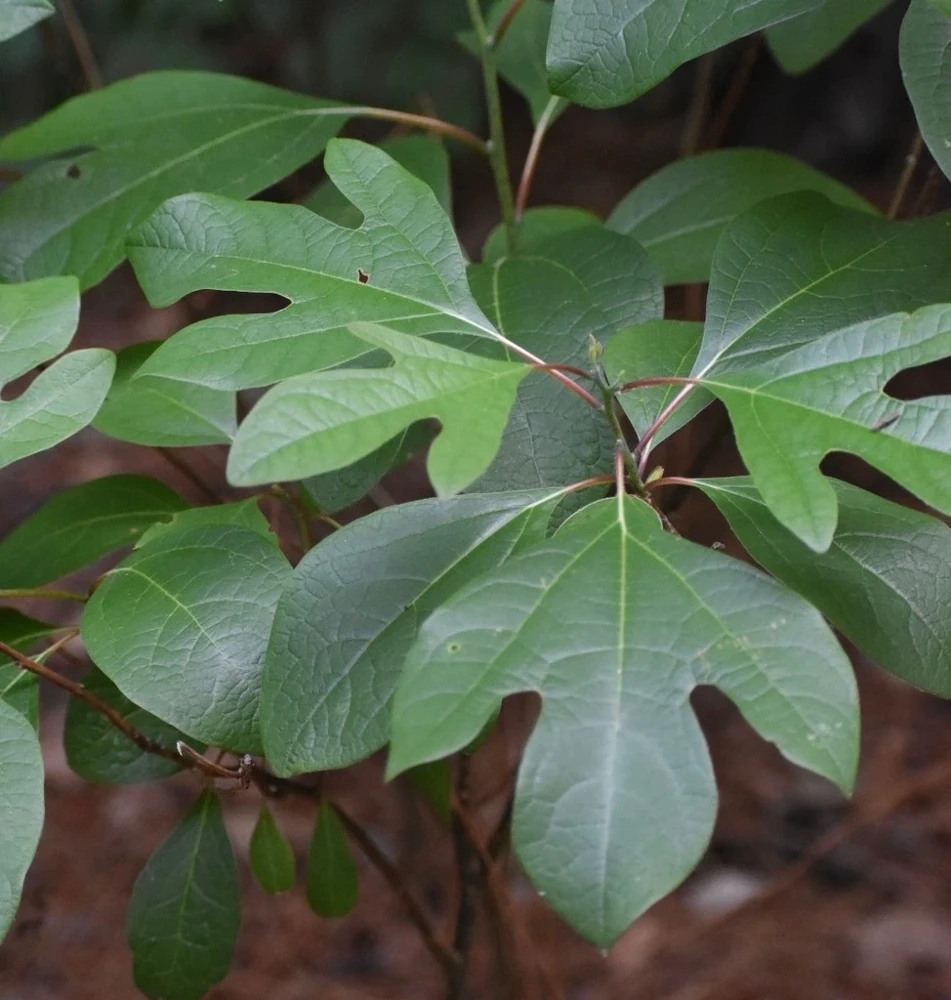
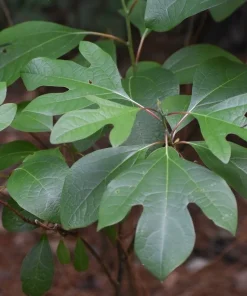
- Unique Foliage: The sassafras tree boasts distinctively shaped leaves, often appearing as three different forms on the same branch: oval, mitten-shaped, and three-lobed. This unique characteristic adds an interesting textural element to your garden.
- Wildlife Attraction: Sassafras trees are vital for local ecosystems. They provide food for various bird species, deer, and other wildlife, with their berries being a particular favorite. Planting a sassafras live tree supports biodiversity.
- Aromatic Qualities: The leaves, twigs, and bark of the sassafras tree are highly aromatic, releasing a pleasant, spicy scent when bruised or broken. This natural fragrance adds an appealing sensory experience to your garden.
- Low Maintenance: Once established, sassafras trees are relatively low-maintenance, tolerating a range of soil conditions and requiring minimal pruning. This makes them an ideal choice for gardeners seeking beauty without constant upkeep.
- Fast Growth Rate: This tree generally exhibits a moderate to fast growth rate, allowing you to enjoy its benefits and shade-providing capabilities sooner rather than later.
Plant Care & Growing Tips
Caring for your sassafras live tree is straightforward, especially since it’s a native species well-suited to many environments. To ensure your tree thrives and displays its best sassafras fall color, consider the following guidelines for planting and ongoing care. Sassafras trees generally prefer full sun to partial shade, meaning they need at least 6 hours of direct sunlight per day for optimal growth and the most vibrant fall colors. While they can tolerate some shade, too much will result in leggy growth and less intense autumn hues. Ensure the planting location receives adequate light throughout the day.
When it comes to watering, young sassafras trees need consistent moisture to establish a strong root system. Water deeply once or twice a week, especially during dry spells, until the tree is well-established, typically for the first one to two years. Mature trees are more drought-tolerant but will benefit from occasional watering during prolonged dry periods. The ideal soil for a sassafras live tree is well-draining, slightly acidic to neutral (pH 6.0-7.0), and rich in organic matter. Avoid heavy, compacted clay soils that retain too much moisture, as this can lead to root rot. Amending the soil with compost before planting can significantly improve drainage and nutrient content. Sassafras trees are hardy in USDA zones 4-9, tolerating a wide range of temperatures. They are deciduous, shedding their leaves in winter, and are quite resilient to cold. Fertilization is generally not necessary for established trees growing in good soil. If your soil is poor, a balanced, slow-release granular fertilizer can be applied in early spring, following package directions. Watch out for common pests like Japanese beetles or sassafras scale, and treat with appropriate organic or chemical controls if infestations become severe. Proper air circulation and sanitation can help prevent fungal diseases.
Size & Details
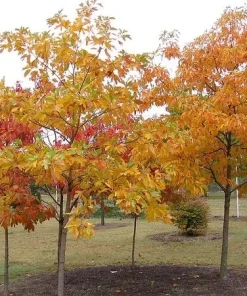
This offering is for one sassafras live tree, a healthy young plant standing approximately 15-20 inches tall from the top of the soil. It is shipped in a Trade 1 Gallon container, which provides a robust root ball for successful transplanting. The tree is a young specimen, ready to be planted in your landscape where it will begin its journey to maturity. Sassafras trees typically grow to be medium to large shade trees, reaching heights of 30-60 feet with a spread of 25-40 feet at maturity, though some can grow taller in ideal conditions. Its growth rate is moderate to fast, meaning you can expect noticeable growth each year. The tree will begin to develop its characteristic three-lobed and mitten-shaped leaves as it matures, culminating in the highly anticipated sassafras fall color display. Expect to see significant development and a more pronounced canopy within a few years of planting.
Frequently Asked Questions
- Q: How big does this sassafras live tree get at maturity? A: A: The sassafras live tree (Sassafras albidum) typically grows to a height of 30-60 feet with a spread of 25-40 feet at maturity, providing substantial shade. Its ultimate size can vary based on growing conditions and climate.
- Q: What size pot does this sassafras tree come in? A: This sassafras tree is provided as a 15-20 inch tall plant, rooted and growing in a Trade 1 Gallon nursery container. This size ensures a well-developed root system for successful planting.
- Q: Is this an indoor or outdoor plant? A: The sassafras live tree is an outdoor plant, best suited for planting in gardens, yards, or naturalized areas where it can grow to its full potential as a shade tree. It is not suitable for long-term indoor cultivation.
- Q: How much sunlight does the sassafras need? A: Sassafras trees thrive in full sun to partial shade, ideally receiving at least 6 hours of direct sunlight per day. Adequate sunlight is crucial for robust growth and the most vibrant sassafras fall color.
- Q: Is this plant easy to care for? A: Yes, once established, the sassafras albidum is considered a low-maintenance tree. It is native to North America and well-adapted to various conditions, making it a relatively easy plant for most gardeners.
- Q: What condition will the sassafras live tree arrive in? A: Your sassafras live tree will arrive as a healthy, actively growing plant, carefully packaged in its Trade 1 Gallon container with soil to ensure its well-being during transit. It will be ready for immediate planting upon arrival.
- Q: When is the best time to plant a sassafras tree? A: The best time for growing sassafras tree is typically in early spring or fall when temperatures are moderate. This allows the tree to establish its root system before the stress of extreme summer heat or winter cold.
- Q: Will it survive winter in my zone? A: Sassafras trees are hardy and generally thrive in USDA Hardiness Zones 4-9. If you are within these zones, your tree should successfully survive the winter and return with new growth in spring.
- Q: Does the sassafras tree have any unique features? A: Absolutely! Beyond its brilliant fall color, the sassafras is known for its unique three-lobed, mitten-shaped, and oval leaves, often all appearing on the same branch. Its bark and leaves also have a distinctive aromatic quality.
- Q: What kind of soil does this native shade tree prefer? A: This native shade tree prefers well-draining, slightly acidic to neutral soil that is rich in organic matter. It tolerates a range of soil types but performs best when water can drain freely to prevent root issues.
Be the first to review “Sassafras Live Tree (Sassafras albidum) Native Shade Tree, 15-20″ Tall, 1 Gallon”
People Also Viewed
Flowers
Plumbago Imperial Blue Live Plant – Pack of 3 Starter Plants 4-6 Inches Tall – Perennial Shrub
Reviews
There are no reviews yet.