
Rudbeckia Missouriensis – Missouri Coneflower Live Plant, 2-3 ft, Zone 5-8
Original price was: $52.99.$22.99Current price is: $22.99.
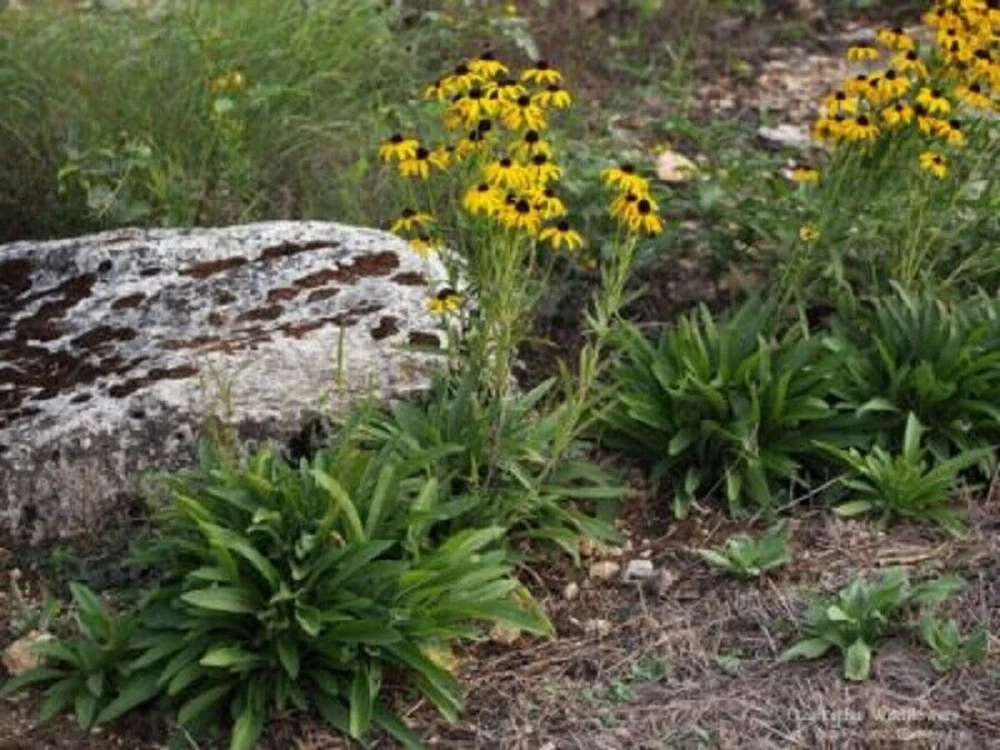
Enhance your garden with a vibrant rudbeckia missouriensis live plant, also known as the missouri coneflower care. This perennial features stunning daisy-like yellow flowers with black centers, growing 2-3 feet tall. Ideal for full sun and well-drained soil, it thrives in USDA Zones 5-8.
Estimated arrival
Nov 07
Nov 12 - Nov 14
Nov 17 - Nov 21
Shop With Confidence
30-Day Plant Health Guarantee
Arrives damaged? We’ll replace it free — see our return policy.
Responsive Support
Email us anytime, we reply within 1 business day.
Expert Packaging
Temperature-controlled shipping to protect your plants in transit.
Secure Checkout
Pay safely with Visa, Mastercard, PayPal.
Plant Specifications
-
USDA Hardiness Zone
USDA Zones 5-8 -
Soil Type
Well-draining soil -
Sunlight Exposure
Full sun -
Expected Planting Period
Spring to early summer
Overview
Introduce a touch of natural beauty to your outdoor space with the magnificent rudbeckia missouriensis live plant. Also commonly known as the Missouri Coneflower, this striking perennial is celebrated for its cheerful, daisy-like flowers that bring a vibrant splash of yellow to any garden. Each bloom features bright yellow rays gracefully surrounding a prominent black center disk, creating a captivating visual contrast. The scientific name, Rudbeckia Missouriensis, refers to its native origins and unique characteristics. This particular offering is for a well-rooted live plant, ready to establish itself and flourish in your landscape, adding both charm and ecological value by attracting pollinators. The yellow coneflower perennial is a hardy and resilient choice, promising years of consistent blooms and verdant foliage with minimal effort once established. Its slender green leaves provide a perfect backdrop for the showy flowers.
The rudbeckia missouriensis live plant is an excellent choice for gardeners seeking a plant with both aesthetic appeal and robust growth. It’s a fantastic addition to perennial borders, native plant gardens, or meadow-style plantings. Its upright growth habit ensures it stands out, while its long blooming season provides continuous color throughout the summer months. Gardeners looking for a low-maintenance yet high-impact perennial will find the Missouri Coneflower to be an ideal candidate, perfectly blending into various garden designs from formal to informal.
Key Benefits
The rudbeckia missouriensis live plant offers a multitude of benefits, making it a highly desirable addition to any garden. Its vibrant blooms and hardy nature contribute significantly to a healthy and beautiful outdoor environment.
- Stunning Visual Appeal: The bright yellow, daisy-like flowers with distinctive black centers create a cheerful and eye-catching display, adding a burst of color to garden beds, borders, and naturalized areas.
- Attracts Pollinators: As a native plant, the Missouri Coneflower is a magnet for bees, butterflies, and other beneficial pollinators, supporting local ecosystems and enhancing garden biodiversity.
- Low Maintenance: Once established, this perennial requires minimal care, making it an excellent choice for busy gardeners or those new to gardening. It’s known for its resilience and ability to thrive without constant attention.
- Drought Tolerant: The rudbeckia missouriensis zone hardiness extends to dry conditions, making it a good option for water-wise gardening landscapes once mature.
- Long Blooming Season: Enjoy continuous blooms throughout the summer, providing extended periods of color and interest in your garden when many other plants might be fading.
- Deer Resistant: Generally unappealing to deer, this plant is a practical choice for areas where deer browsing is a concern, helping to protect your garden’s beauty.
- Hardy Perennial: This robust perennial returns year after year, offering reliable beauty and growth in USDA Zones 5-8, proving to be a long-term investment for your garden.
Plant Care & Growing Tips
Caring for your rudbeckia missouriensis live plant is straightforward, ensuring it thrives and produces abundant blooms. This hardy perennial is quite forgiving, but providing optimal conditions will maximize its growth and flowering potential. For best results, plant your garden coneflower plant in a location that receives full sun, meaning at least 6-8 hours of direct sunlight per day. Adequate sunlight is crucial for vigorous growth and prolific flowering. While it can tolerate some partial shade, too much shade will result in leggy growth and fewer blooms. Ensure good air circulation around the plant to prevent fungal issues, especially in humid climates.
When it comes to watering, the Missouri Coneflower prefers consistently moist soil, especially during its establishment period. Once mature, it becomes quite drought tolerant, but regular watering during prolonged dry spells will promote healthier growth and more flowers. The most critical factor for this plant is well-drained soil. Heavy, waterlogged soils can lead to root rot. Amend clay soils with organic matter like compost to improve drainage. A slightly acidic to neutral soil pH (6.0-7.0) is ideal. This plant thrives in USDA Hardiness Zones 5-8, meaning it can withstand winter temperatures down to -20°F (-29°C). For fertilizing, a balanced, slow-release granular fertilizer applied in early spring is generally sufficient. Avoid over-fertilizing, as this can lead to excessive foliage at the expense of flowers. Deadhead spent blooms to encourage new flower production and prevent self-seeding if desired. Pest and disease problems are generally minimal, but keep an eye out for powdery mildew in humid conditions or aphids, which can be easily managed with organic insecticidal soap.
Size & Details
This offering is for a well-rooted rudbeckia missouriensis live plant, typically shipped in a 2 1/2 x 3 1/2 inch pot, ensuring a strong start in your garden. The plant is a starter size, ready to be transplanted and establish quickly. Expect this yellow coneflower perennial to reach a mature height of 2-3 feet tall, with a similar spread, forming a bushy and upright clump. Its growth rate is moderate, and it will typically reach its full size within 1-2 growing seasons under ideal conditions. Blooms usually appear from mid-summer through early fall, providing a long season of color. The plant’s narrow green leaves contribute to its elegant stature, creating a beautiful contrast with the bright flowers. This perennial is suitable for a wide range of garden applications, from mass plantings to mixed borders.
Frequently Asked Questions
- Q: How big does this plant get? A: The rudbeckia missouriensis live plant typically grows to a mature height of 2-3 feet tall and can have a similar spread, forming a nice, upright clump in your garden.
- Q: What size pot does it come in? A: Your Missouri Coneflower starter plant will arrive well-rooted in a 2 1/2 x 3 1/2 inch pot, ready for transplanting into your garden or a larger container.
- Q: Is this an indoor or outdoor plant? A: This is primarily an outdoor plant, best suited for garden beds, borders, and naturalized areas. It thrives in full sun and is hardy in USDA Zones 5-8.
- Q: How much sunlight does it need? A: The rudbeckia missouriensis live plant requires full sun, meaning at least 6-8 hours of direct sunlight daily, to produce the most abundant blooms and maintain a healthy growth habit.
- Q: Is this plant easy to care for? A: Yes, the missouri coneflower care is considered easy. It’s a low-maintenance perennial that is drought-tolerant once established and generally pest and disease resistant.
- Q: Is it good for beginners? A: Absolutely! Its hardiness and minimal care requirements make it an excellent choice for beginner gardeners looking for a reliable and beautiful flowering plant.
- Q: What condition will it arrive in? A: Your plant will arrive as a well-rooted, healthy starter plant in its pot, carefully packaged to ensure it reaches you in the best possible condition.
- Q: Is it shipped in soil? A: Yes, the rudbeckia missouriensis live plant is shipped in its original growing pot with soil to minimize transplant shock and ensure its health upon arrival.
- Q: How long until it blooms? A: Depending on the planting time and growing conditions, your yellow coneflower perennial typically blooms from mid-summer through early fall in its first or second year.
- Q: When is the best time to plant? A: Spring to early summer is generally the best time to plant your garden coneflower plant, allowing it ample time to establish before winter.
- Q: Will it survive winter in my zone? A: Yes, if you are in USDA Zones 5-8, the rudbeckia missouriensis zone rating means it is cold-hardy and will typically survive winter and return in spring.
- Q: What’s the minimum temperature it can tolerate? A: This perennial can tolerate winter temperatures down to approximately -20°F (-29°C), making it suitable for a wide range of temperate climates.
Be the first to review “Rudbeckia Missouriensis – Missouri Coneflower Live Plant, 2-3 ft, Zone 5-8”
People Also Viewed

Herb Seeds
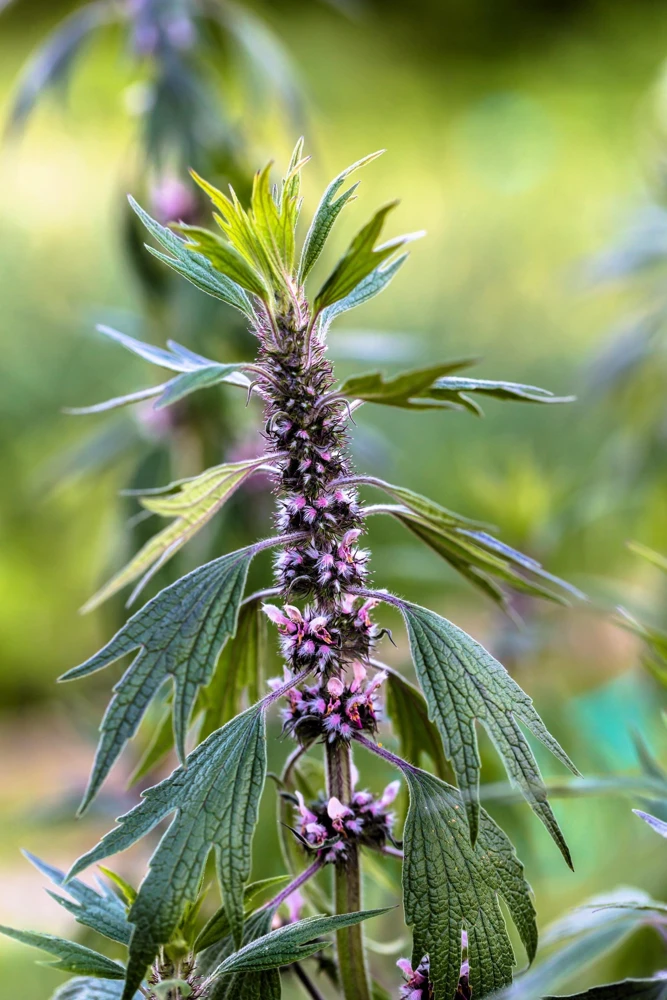
50 Motherwort Seeds (Lion’s Tail) – Leonurus Cardiaca Herb Flower Seeds, Pale Pink-Purple Blooms




Reviews
There are no reviews yet.