
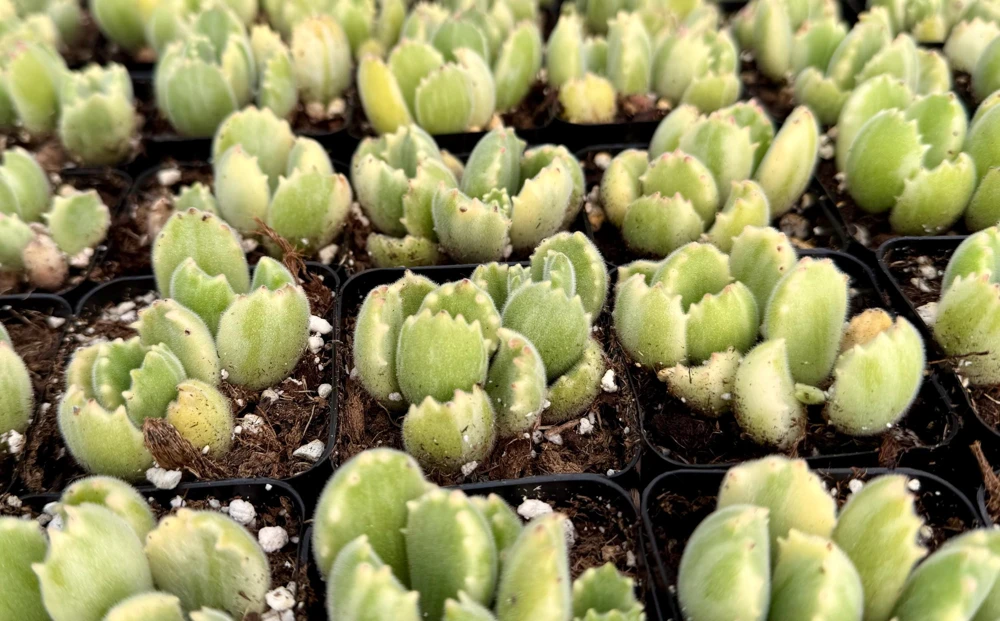
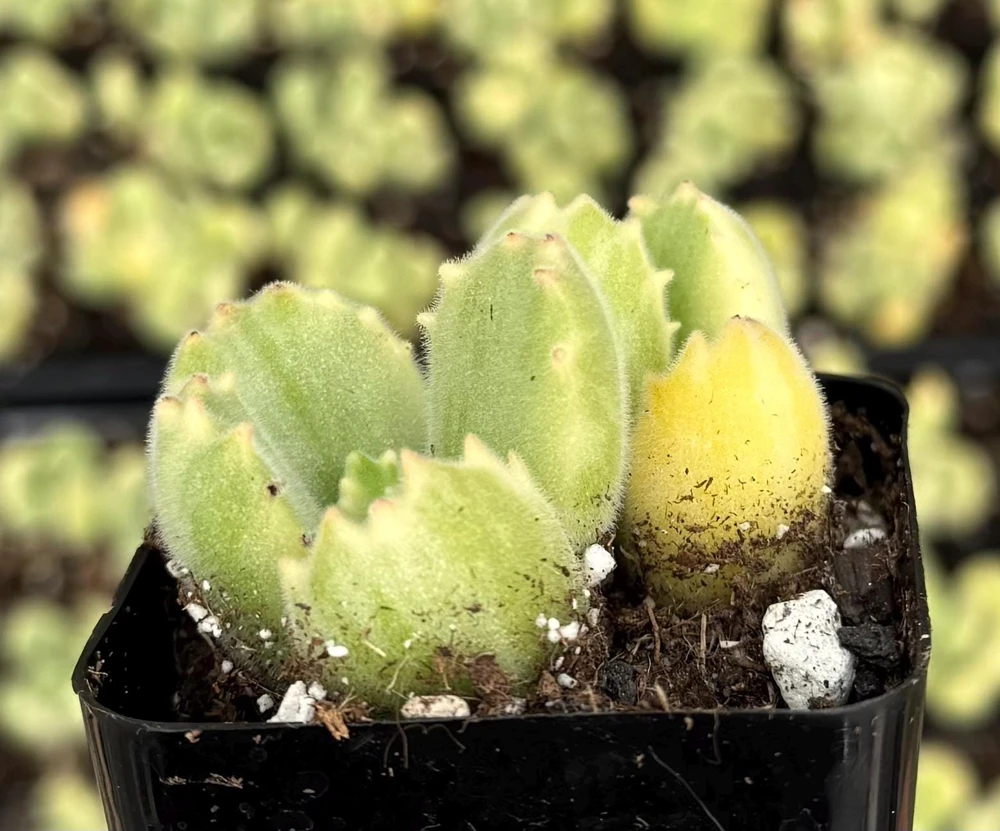
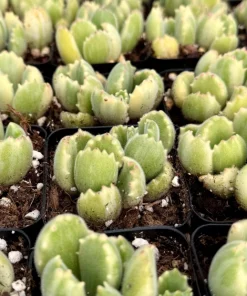
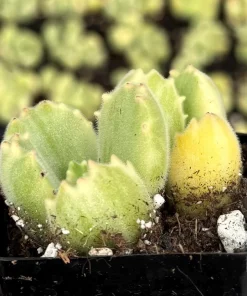
Variegated Bear Paw Succulent Live Plant – Cotyledon tomentosa variegata – 2 Inch or 4 Inch Pot
Original price was: $37.08.$17.08Current price is: $17.08.
Bring home the delightful variegated bear paw succulent, a charming live plant known for its unique fuzzy leaves resembling tiny bear paws. This compact, easy-care succulent is perfect for bright indoor spaces, adding a touch of rare beauty to your collection. Available in 2 Inch or 4 Inch nursery pots, it’s an ideal choice for succulent enthusiasts and beginners alike.
Estimated arrival
Oct 23
Oct 28 - Oct 30
Nov 02 - Nov 06
Shop With Confidence
30-Day Plant Health Guarantee
Arrives damaged? We’ll replace it free — see our return policy.
Responsive Support
Email us anytime, we reply within 1 business day.
Expert Packaging
Temperature-controlled shipping to protect your plants in transit.
Secure Checkout
Pay safely with Visa, Mastercard, PayPal.
Plant Specifications
-
USDA Hardiness Zone
USDA zones 9-11 (outdoors) or year-round indoors -
Soil Type
Well-draining succulent or cactus mix -
Sunlight Exposure
Bright indirect light, gentle morning sun -
Expected Planting Period
Year-round indoors
Overview
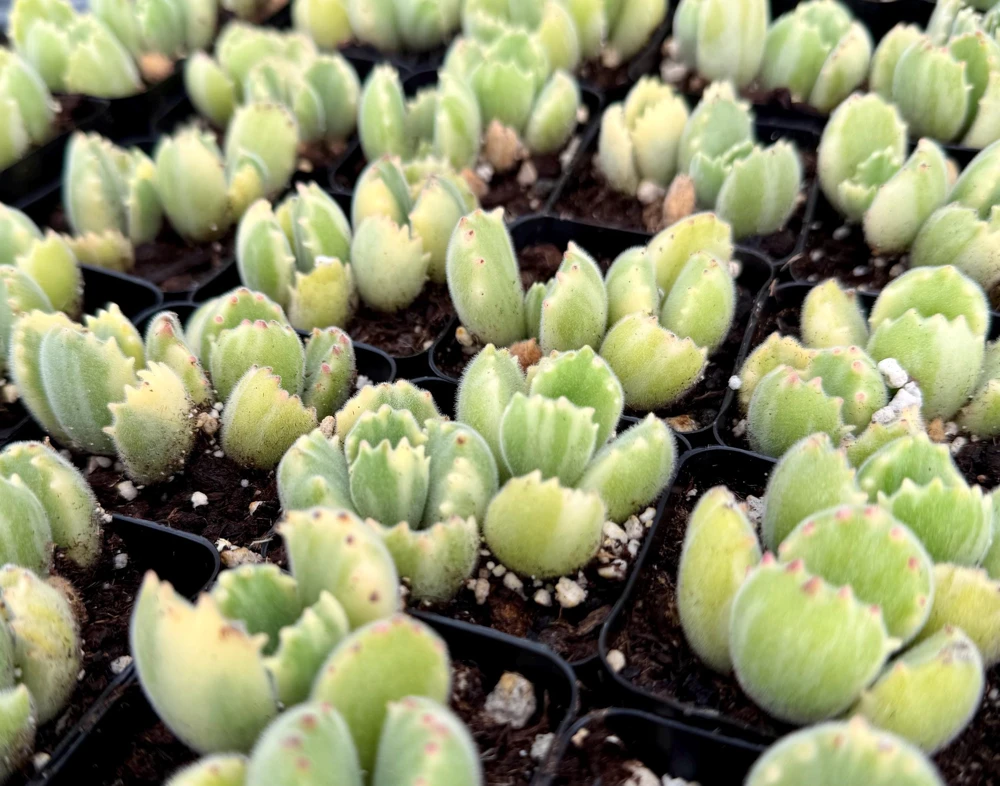
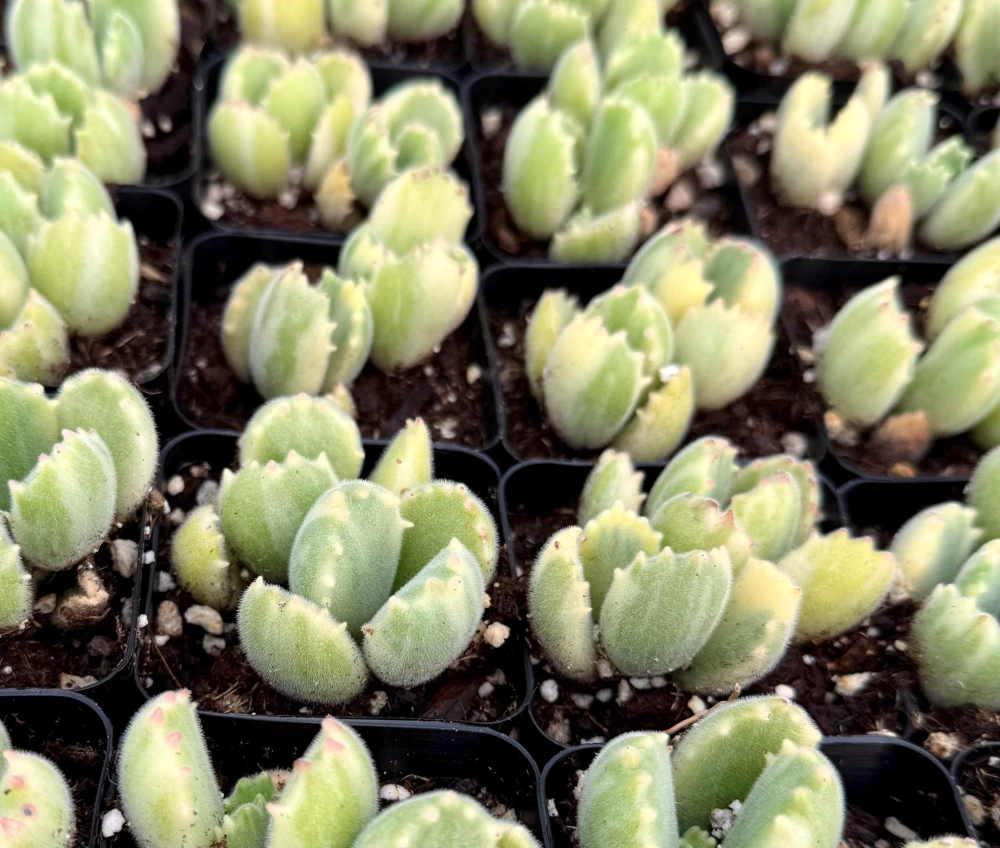
The variegated bear paw succulent, scientifically known as Cotyledon tomentosa variegata, is a truly captivating and highly sought-after live plant. Renowned for its distinctive appearance, this succulent features chubby, fuzzy leaves that uncannily resemble the soft paws of a bear cub. What makes this variety particularly special is its stunning variegation, displaying a beautiful mosaic of creamy white, soft yellow, and pale green hues across its plump foliage. This rare and charming succulent maintains a compact growth habit, making it an excellent choice for container gardening, small spaces, or as an enchanting addition to any succulent arrangement. Whether you’re a seasoned collector or new to the world of succulents, the cotyledon tomentosa variegata offers unique visual appeal and fascinating textures.
Originating from South Africa, the variegated bear paw succulent thrives in conditions mimicking its native arid environment. It’s a slow-growing plant, which adds to its allure and keeps it manageable in size, perfect for windowsills or desks. Its delicate variegation requires a bit more attention to light exposure compared to its non-variegated counterpart, ensuring its vibrant colors are preserved without scorching. This succulent is shipped as a live plant, carefully selected to ensure a healthy start in its new home, ready to bring joy and a touch of the exotic to your indoor garden.
Key Benefits
Adding a variegated bear paw succulent to your collection offers numerous benefits, from its unique aesthetic to its relatively low-maintenance nature. This beautiful plant is more than just a pretty face; it’s a living piece of art that brings tranquility and a touch of nature indoors.
- Unique Ornamental Appeal: The most striking feature is its adorable, fuzzy, paw-shaped leaves with incredible creamy white and green variegation. It’s a conversation starter and a visual delight.
- Compact Size for Small Spaces: With its slow and compact growth habit, this succulent is ideal for desks, windowsills, terrariums, or small apartment living, providing beauty without taking up much room.
- Low Maintenance & Drought Tolerant: As a succulent, it requires infrequent watering and is highly tolerant of dry conditions, making it perfect for busy individuals or those new to plant care.
- Rare & Collectible Plant: The variegation makes this a particularly rare and desirable form of the Bear Paw Succulent, a must-have for any serious succulent collector.
- Air Purifying Qualities: Like many houseplants, it contributes to a healthier indoor environment by naturally filtering airborne toxins, improving air quality in your home or office.
- Therapeutic Presence: Tending to plants, especially unique ones like the fuzzy succulent, can be a calming and rewarding hobby, promoting well-being and reducing stress.
- Easy to Propagate: While slow-growing, mature plants can be propagated from stem or leaf cuttings, allowing you to expand your collection or share with friends.
Plant Care & Growing Tips
Caring for your variegated bear paw succulent is straightforward, but its unique variegation requires a few specific considerations to ensure its health and vibrant colors. This plant thrives with attention to light, water, and soil.
Sunlight: The cotyledon tomentosa variegata prefers bright, indirect sunlight or gentle morning sun. Too much direct, harsh afternoon sun can scorch its delicate variegated leaves, causing discoloration or damage. An east-facing window is often ideal, providing ample morning light. If grown outdoors, place it in a spot with filtered light or morning sun only. Ensure it receives at least 4-6 hours of bright light daily for optimal growth and color.
Watering: Employ the ‘soak and dry’ method for watering. Allow the soil to dry out completely between waterings, typically checking the top 1-2 inches of soil. When dry, water thoroughly until water drains from the bottom of the pot. Overwatering is the most common cause of root rot in succulents, so err on the side of underwatering. Reduce watering significantly during its dormant period in winter.
Soil & Potting: A well-draining succulent or cactus mix is crucial for the health of your variegated bear paw succulent. Amend regular potting soil with perlite, pumice, or coarse sand to improve drainage. The pot should always have a drainage hole to prevent water from accumulating. Repotting is generally needed every 2-3 years or when the plant outgrows its container.
Temperature & Humidity: This succulent prefers warm temperatures, ideally between 65-80°F (18-27°C). It is not frost-tolerant and should be protected from temperatures below 40°F (4°C). USDA hardiness zones 9-11 are suitable for outdoor growth. Average household humidity levels are perfectly fine; it doesn’t require high humidity.
Fertilization: Fertilize sparingly during the growing season (spring and summer) with a diluted, balanced liquid succulent fertilizer. Avoid fertilizing in fall and winter when the plant’s growth slows. Over-fertilization can harm the plant.
Size & Details
Our variegated bear paw succulent is offered as a live plant, carefully grown and prepared for shipment. You can choose between a 2 Inch or 4 Inch nursery pot, providing a perfect starting size for your collection. These plants typically exhibit a compact, bushy growth habit, reaching mature sizes of about 6-12 inches tall and wide over several years. The slow growth rate of this variegated variety makes it an excellent, long-lasting desk or shelf companion. Each plant is shipped rooted in its nursery pot with well-draining soil, ensuring it arrives healthy and ready to thrive in your home. While blooming is rare indoors, mature plants may occasionally produce small, bell-shaped orange flowers in late spring or early summer, adding another layer of charm to this already delightful succulent.
The unique coloration of this rare variegated plant develops best with adequate light, maintaining its creamy white, yellow, and pale green patterns. Expect your plant to arrive vibrant and robust, ready to acclimate to its new environment. Its delicate nature means careful handling is advised during unpacking and repotting. This variety is known for its resilience once established, making it a rewarding addition for both novice and experienced plant parents looking for a truly special specimen.
Frequently Asked Questions
- Q: How big does this plant get? A: The variegated bear paw succulent is a compact grower, typically reaching 6-12 inches in height and width at maturity. Its slow growth rate ensures it remains a manageable size for many years, perfect for small spaces.
- Q: Is this an indoor or outdoor plant? A: While it can be grown outdoors in USDA zones 9-11 in mild climates, it is primarily enjoyed as an indoor plant due to its sensitivity to frost and strong direct sunlight. It thrives indoors with bright, indirect light.
- Q: How much sunlight does it need? A: This fuzzy succulent prefers bright, indirect sunlight or gentle morning sun for 4-6 hours daily. Avoid harsh afternoon sun, which can scorch its variegated leaves.
- Q: Is this plant easy to care for? A: Yes, the variegated bear paw succulent is considered relatively easy to care for, especially for those familiar with succulents. The main care points are proper watering (soak and dry) and adequate light.
- Q: What condition will it arrive in? A: Your plant will arrive as a healthy, live plant, rooted in its nursery pot with well-draining soil. We pack carefully to ensure its safe journey to your home.
- Q: How often should I water my bear paw plant? A: Water only when the soil has completely dried out. The frequency will vary based on light, temperature, and humidity, but typically every 2-4 weeks. Always check the soil moisture before watering.
- Q: Can I propagate my variegated bear paw succulent? A: Yes, propagation is possible through stem or leaf cuttings. Allow cuttings to callous for a few days before planting in well-draining soil.
- Q: What kind of pot is best for this succulent? A: A pot with a drainage hole is essential to prevent root rot. Terracotta pots are often recommended as they allow for better airflow and help the soil dry out faster.
- Q: Why are my plant’s leaves turning yellow or brown? A: Yellowing leaves can indicate overwatering or lack of sufficient light, while browning or crispy leaves often point to too much direct sun or extreme underwatering. Adjust your care routine accordingly for your cotyledon tomentosa variegata.
- Q: Is the variegated bear paw succulent pet-safe? A: No, Cotyledon tomentosa is considered toxic if ingested by pets. It’s best to keep this plant out of reach of curious animals.
| Size | 2", 4" |
|---|
Be the first to review “Variegated Bear Paw Succulent Live Plant – Cotyledon tomentosa variegata – 2 Inch or 4 Inch Pot”
People Also Viewed



Vegetable Seeds
Golden Zucchini Seeds – 50 Heirloom Summer Bush Squash Seeds
Uncategorized



Flower Plants
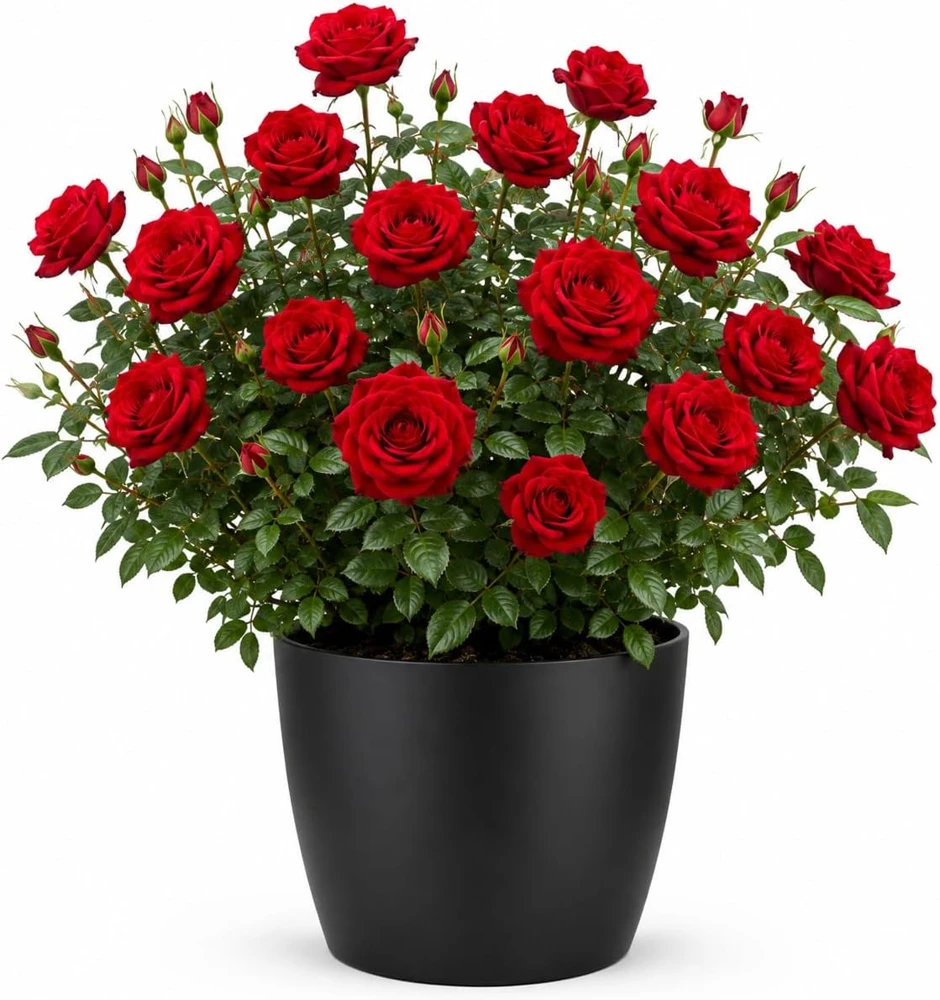
Red Climbing Roses Plant – Fragrant Perennial Rose Bush – Outdoor Live Plant – 2-4 Inch Tall
Reviews
There are no reviews yet.