

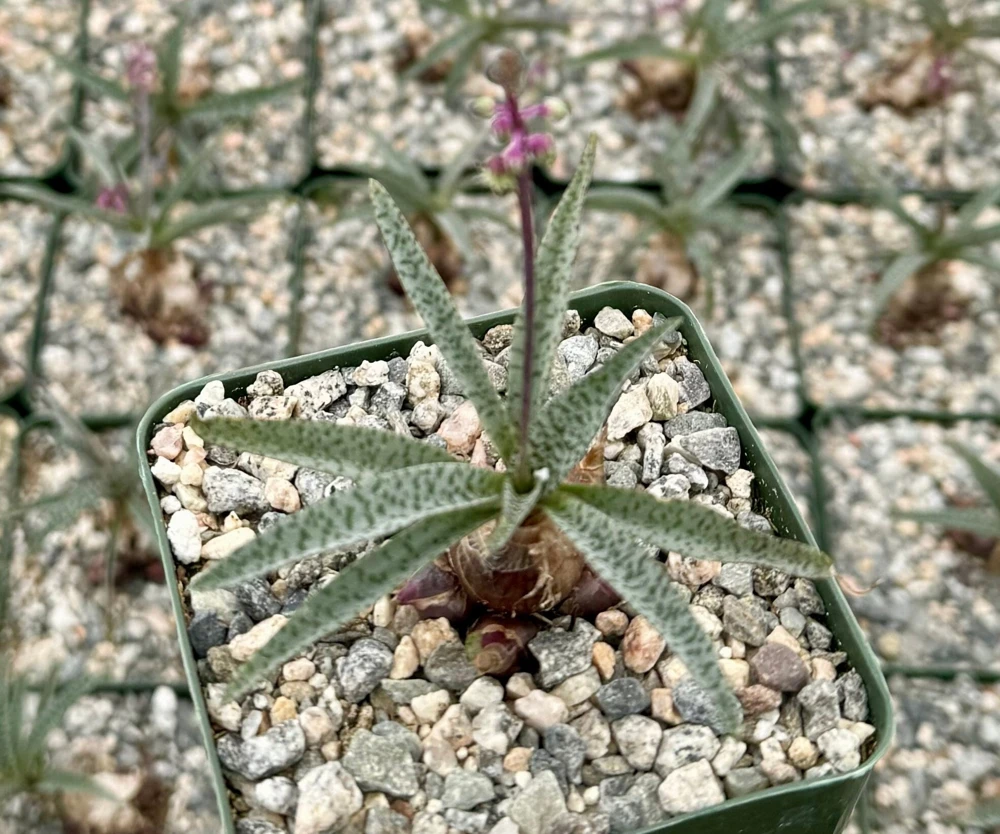
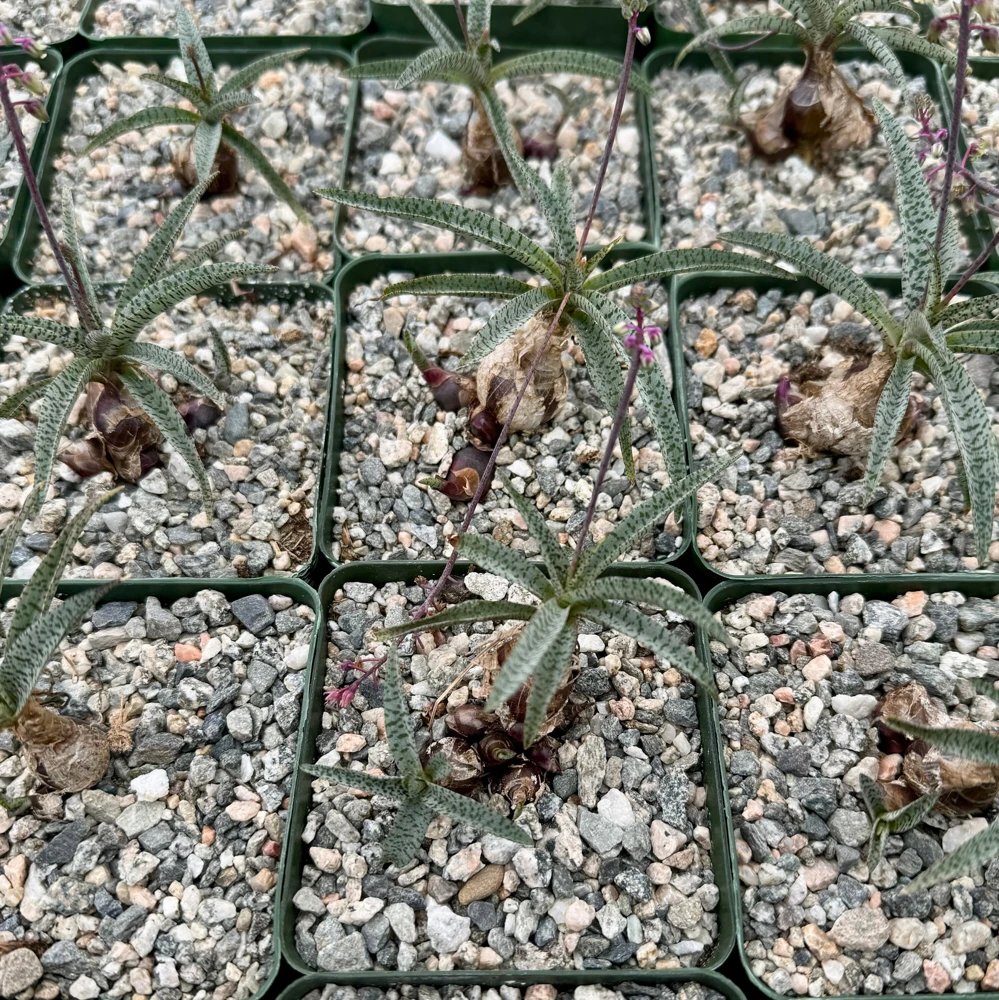
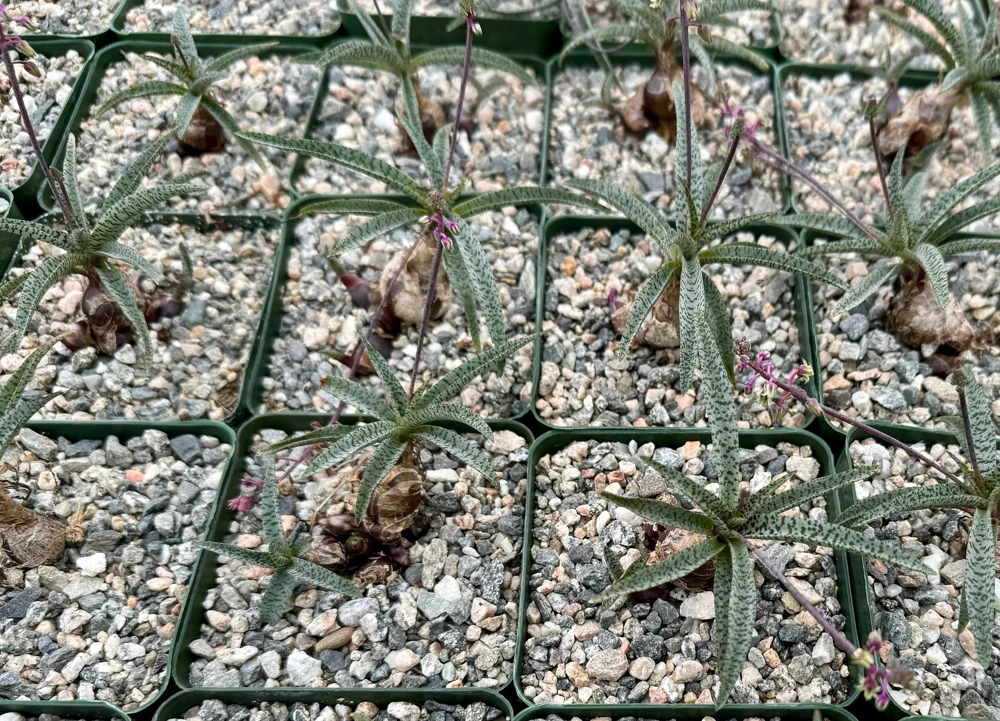
Silver Squill Ledebouria Socialis Live Plant in 3 Inch Pot – Indoor Caudex
Original price was: $45.90.$25.90Current price is: $25.90.
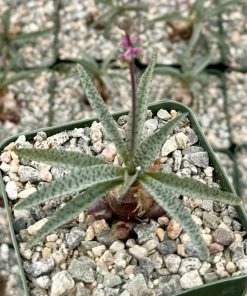
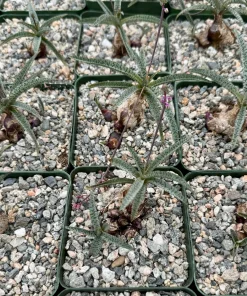
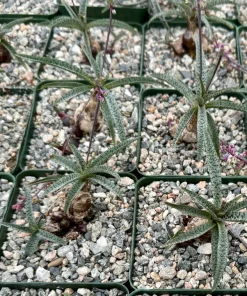
Enhance your indoor space with the captivating Silver Squill live plant, also known as Ledebouria socialis indoor. This unique caudex plant for sale features striking silvery-green leaves with dark spots, adding an exotic touch to any collection. An easy care houseplant, it thrives in various indoor conditions, making it perfect for beginners and experienced plant enthusiasts alike.
Estimated arrival
Oct 23
Oct 28 - Oct 30
Nov 02 - Nov 06
Shop With Confidence
30-Day Plant Health Guarantee
Arrives damaged? We’ll replace it free — see our return policy.
Responsive Support
Email us anytime, we reply within 1 business day.
Expert Packaging
Temperature-controlled shipping to protect your plants in transit.
Secure Checkout
Pay safely with Visa, Mastercard, PayPal.
Plant Specifications
-
USDA Hardiness Zone
year-round indoors (USDA zones 9-11 if outdoors) -
Soil Type
well-draining succulent or cactus mix -
Sunlight Exposure
bright indirect light -
Expected Planting Period
year-round indoors
Overview
Introduce a touch of unique beauty to your home with the stunning Silver Squill live plant. Also known by its botanical name, Ledebouria socialis, this fascinating succulent is a bulbous perennial plant native to the Eastern Cape Province of South Africa. It’s renowned for its distinctive caudex and exceptionally attractive, patterned foliage, making it a standout addition to any indoor garden. The leaves typically display a silvery-green hue adorned with dark green spots or markings, creating a truly striking appearance that captures attention. While it does produce small, purple flowers on tall stalks, the primary appeal of this plant lies in its captivating leaves. This particular offering is a healthy Ledebouria socialis indoor specimen, carefully cultivated and ready to thrive in your home.
The Silver Squill live plant is a popular choice for both seasoned collectors and those new to the world of houseplants. Its unique aesthetic and relatively simple care requirements make it an ideal selection for various indoor environments, from sunny windowsills to office desks. This resilient plant is a testament to nature’s artistry, providing continuous visual interest with its intricate leaf patterns. Whether you’re looking to expand your succulent collection or simply add a distinctive green accent to your living space, this caudex plant for sale offers an unparalleled blend of beauty and ease.
Key Benefits
The Silver Squill live plant offers numerous advantages that make it a highly desirable addition to any plant collection. Its unique characteristics provide both aesthetic appeal and practical benefits for plant enthusiasts.
- Stunning Foliage: The most prominent feature of the Silver Squill live plant is its incredibly attractive, patterned leaves. These silvery-green leaves with dark green spots create a striking visual contrast, ensuring it stands out in any setting. This beautiful foliage provides year-round decorative appeal.
- Unique Caudex Formation: As a caudex plant for sale, the Ledebouria socialis develops a swollen base that stores water, adding an interesting sculptural element to the plant’s appearance. This unique growth habit appeals to collectors and adds an exotic touch.
- Easy Care Houseplant: This plant is remarkably low maintenance, making it an excellent choice for beginners or those with busy lifestyles. It tolerates a range of conditions and doesn’t require constant attention, proving itself as an easy care houseplant.
- Indoor Adaptability: The Ledebouria socialis indoor plant thrives in typical household environments. It’s well-suited for container planting and can be placed on windowsills, shelves, or desks, adapting gracefully to various light and humidity levels found indoors.
- Compact Size: Generally remaining a compact plant, the Silver Squill is perfect for small spaces, apartments, or adding to a crowded plant shelf. Its manageable size makes it versatile for different display options.
- Drought Tolerant: Thanks to its bulbous nature and caudex, the plant stores water efficiently, making it quite drought-tolerant. This feature reduces the frequency of watering, making it forgiving if you occasionally forget to water.
- Conversation Starter: Its unusual appearance and distinctive patterns often spark curiosity and conversation, making it a great focal point or a unique gift. The patterned foliage plant is truly eye-catching.
Plant Care & Growing Tips
Caring for your Silver Squill live plant is straightforward, making it an ideal choice for both novice and experienced plant parents. Understanding its basic needs will ensure your Ledebouria socialis indoor specimen thrives and continues to display its beautiful patterned foliage.
Sunlight Requirements: The Silver Squill live plant prefers bright, indirect light. A south or east-facing window where it receives several hours of bright, filtered sunlight is ideal. While it can tolerate some direct morning sun, avoid harsh afternoon sun, which can scorch its delicate leaves. In lower light conditions, the vibrant patterns on the leaves may become less pronounced. For optimal growth and coloration, aim for consistent, bright ambient light.
Watering Schedule and Soil Moisture: This caudex plant for sale is a succulent and therefore prone to root rot if overwatered. Allow the soil to dry out completely between waterings. When watering, do so thoroughly until water drains from the bottom of the pot. During the active growing season (spring and summer), you might water every 1-2 weeks. In fall and winter, when the plant’s growth slows, reduce watering frequency significantly, often to once a month or less, depending on your home’s humidity and temperature. Always check the soil moisture with your finger before watering.
Soil Type and Drainage Requirements: The Silver Squill live plant requires a well-draining soil mix to prevent waterlogging. A standard succulent or cactus potting mix is perfect. You can also create your own by mixing regular potting soil with perlite, pumice, or coarse sand in a 1:1 ratio to enhance drainage. Ensure the pot has drainage holes to allow excess water to escape, which is crucial for the health of your easy care houseplant.
Temperature Range and USDA Hardiness Zone: Ledebouria socialis thrives in average room temperatures, ideally between 65-80°F (18-27°C). It is not frost-tolerant and should be protected from temperatures below 50°F (10°C). As an indoor plant, it is generally grown year-round and does not have a specific USDA hardiness zone for outdoor cultivation in most regions. However, if grown outdoors in very warm climates, it would typically fall into USDA zones 9-11.
Fertilization Schedule and Type: Fertilize your Silver Squill live plant sparingly. During the active growing season (spring and summer), you can feed it every 2-4 weeks with a balanced, diluted liquid fertilizer formulated for succulents or houseplants. Dilute the fertilizer to half or quarter strength to avoid over-fertilization, which can harm the plant. Do not fertilize during its dormant period in fall and winter.
Common Problems and Solutions: Overwatering is the most common issue, leading to soft, mushy bulbs and root rot. If you notice this, reduce watering immediately and ensure good drainage. Pests like mealybugs or spider mites can occasionally appear; treat these with neem oil or insecticidal soap. Yellowing leaves can indicate either overwatering or insufficient light. Adjust care as needed to maintain the health of your beautiful patterned foliage plant.
Size & Details
The Silver Squill live plant, Ledebouria socialis, typically arrives as a compact specimen in a 3 inch pot, making it an ideal desk or shelf plant. At maturity, this caudex plant for sale usually reaches a height of 6-12 inches (15-30 cm) with a similar spread, depending on growing conditions and pot size. The unique bulbous caudex at its base can grow to about 1-2 inches in diameter, adding to its distinctive charm. This particular offering is a young, healthy plant, well-rooted and ready to establish itself in your home.
It is shipped as a live, potted plant, ensuring minimal transplant shock and immediate enjoyment upon arrival. The growth rate is moderate, allowing you to observe its development over time. While the small purple flowers are a delightful bonus, the plant is primarily cultivated for its striking patterned foliage plant. Expect it to maintain its vibrant leaf patterns throughout the year when provided with adequate light and care. This easy care houseplant is perfect for adding consistent greenery and unique texture to your indoor plant collection.
Frequently Asked Questions
- Q: How big does this plant get? A: The Silver Squill live plant typically grows to a compact size of 6-12 inches tall and wide, making it perfect for indoor spaces. Its unique caudex can reach 1-2 inches in diameter.
- Q: What size pot does it come in? A: This particular Ledebouria socialis indoor plant is shipped in a 3 inch pot, suitable for immediate display or repotting into a slightly larger container.
- Q: Is this an indoor or outdoor plant? A: While native to South Africa, the Silver Squill live plant is primarily grown as an indoor houseplant in most climates due to its sensitivity to cold. It thrives in typical indoor conditions.
- Q: How much sunlight does it need? A: This caudex plant for sale prefers bright, indirect light. Avoid direct afternoon sun, which can scorch its leaves. A spot near an east or south-facing window is ideal.
- Q: Is this plant easy to care for? A: Yes, the Silver Squill is considered an easy care houseplant. It’s relatively low-maintenance and forgiving, making it a great choice for beginners or those seeking a resilient plant.
- Q: What condition will it arrive in? A: Your Silver Squill live plant will arrive as a healthy, well-rooted, potted specimen, carefully packaged to ensure its safe journey to your home.
- Q: Is it shipped in soil? A: Yes, the plant is shipped in its nursery pot with soil, ensuring it stays hydrated and stable during transit.
- Q: How often should I water my Silver Squill? A: Water thoroughly only when the soil has completely dried out. Reduce watering significantly during the cooler, dormant months. Overwatering is the biggest risk.
- Q: Is this plant pet-safe? A: While generally considered low toxicity, it’s always best to keep plants out of reach of pets, especially if they are prone to chewing on foliage.
- Q: What kind of soil does it need? A: The patterned foliage plant thrives in well-draining soil. A succulent or cactus potting mix, or a mix of potting soil with perlite or sand, is recommended.
- Q: When is the best time to repot? A: Repot your Silver Squill when it outgrows its current pot, typically every 1-2 years, during the spring or early summer growing season.
Be the first to review “Silver Squill Ledebouria Socialis Live Plant in 3 Inch Pot – Indoor Caudex”
People Also Viewed





Reviews
There are no reviews yet.