

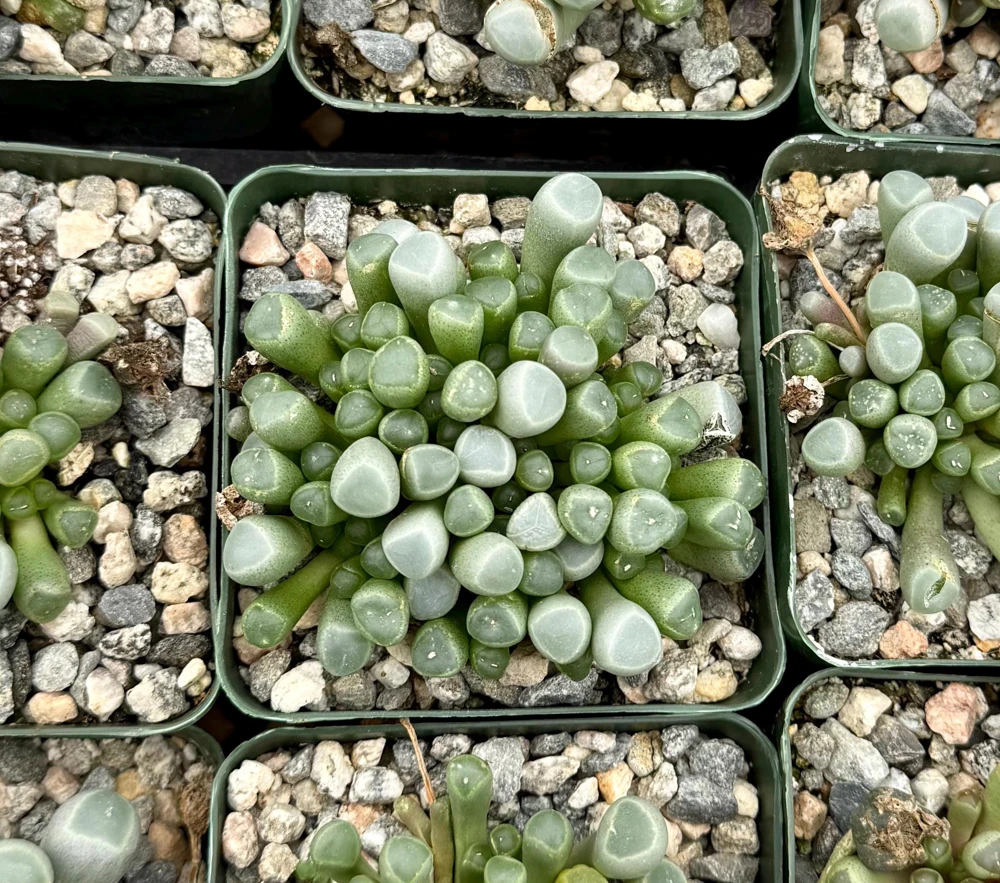
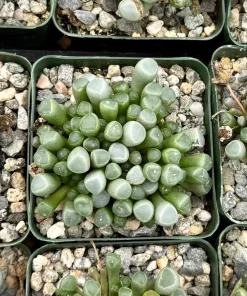
Baby Toe Succulent Live Plant – Fenestraria Rhopalophylla – 2 inch or 4 inch Pot – Indoor
Original price was: $48.84.$28.84Current price is: $28.84.
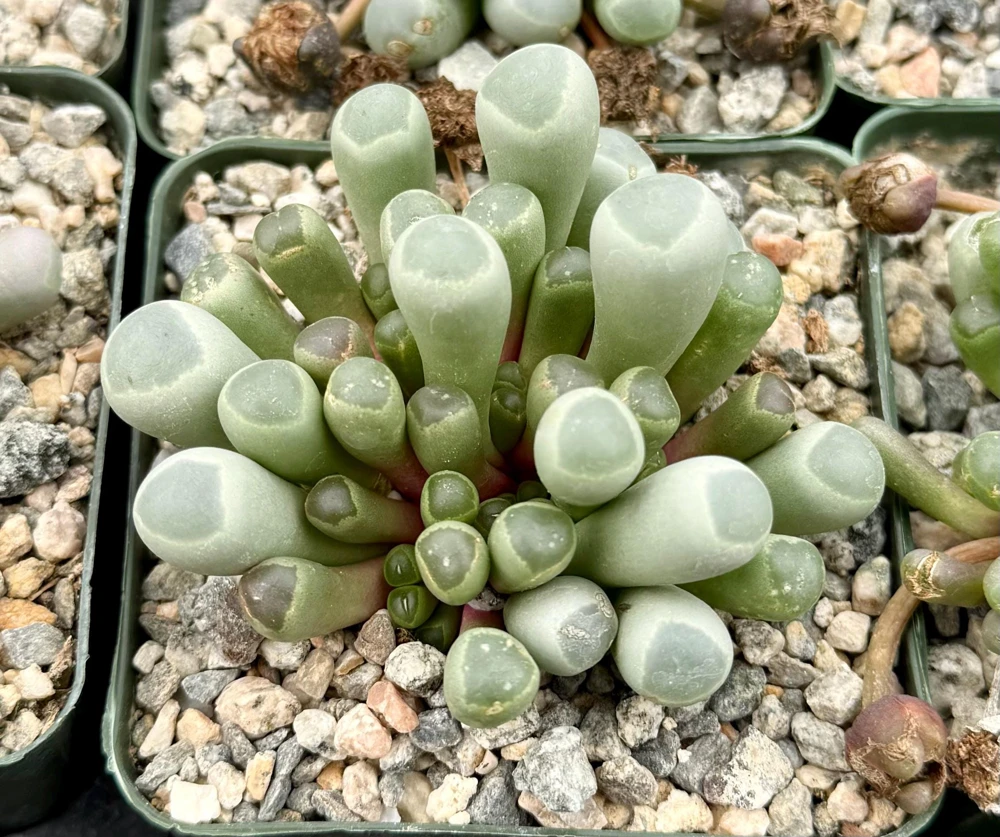
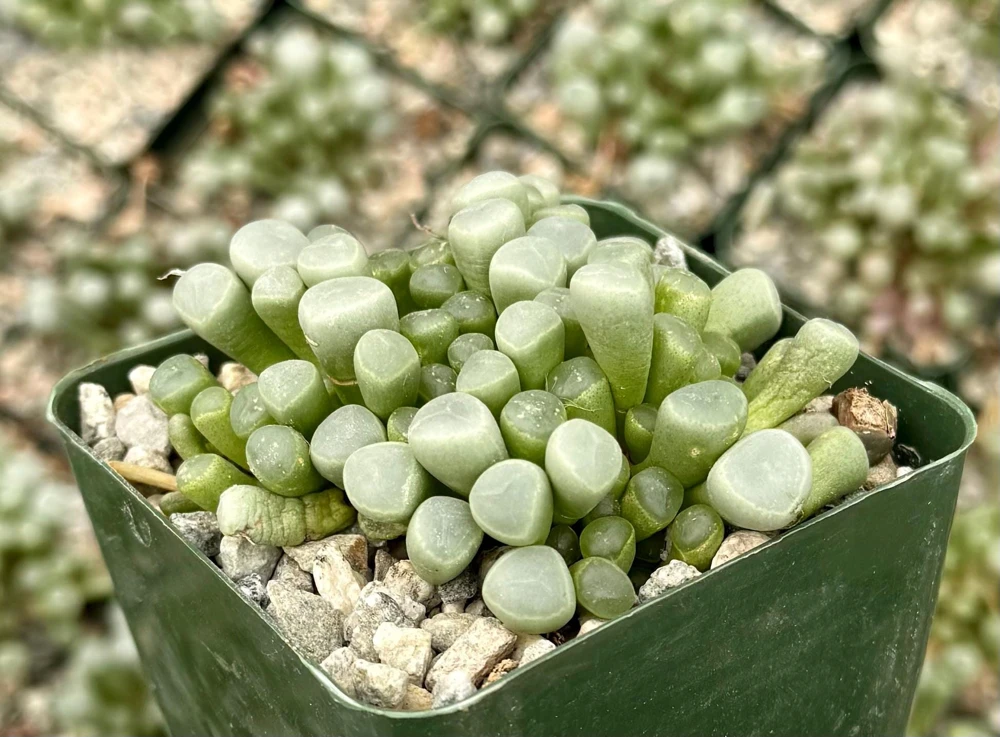
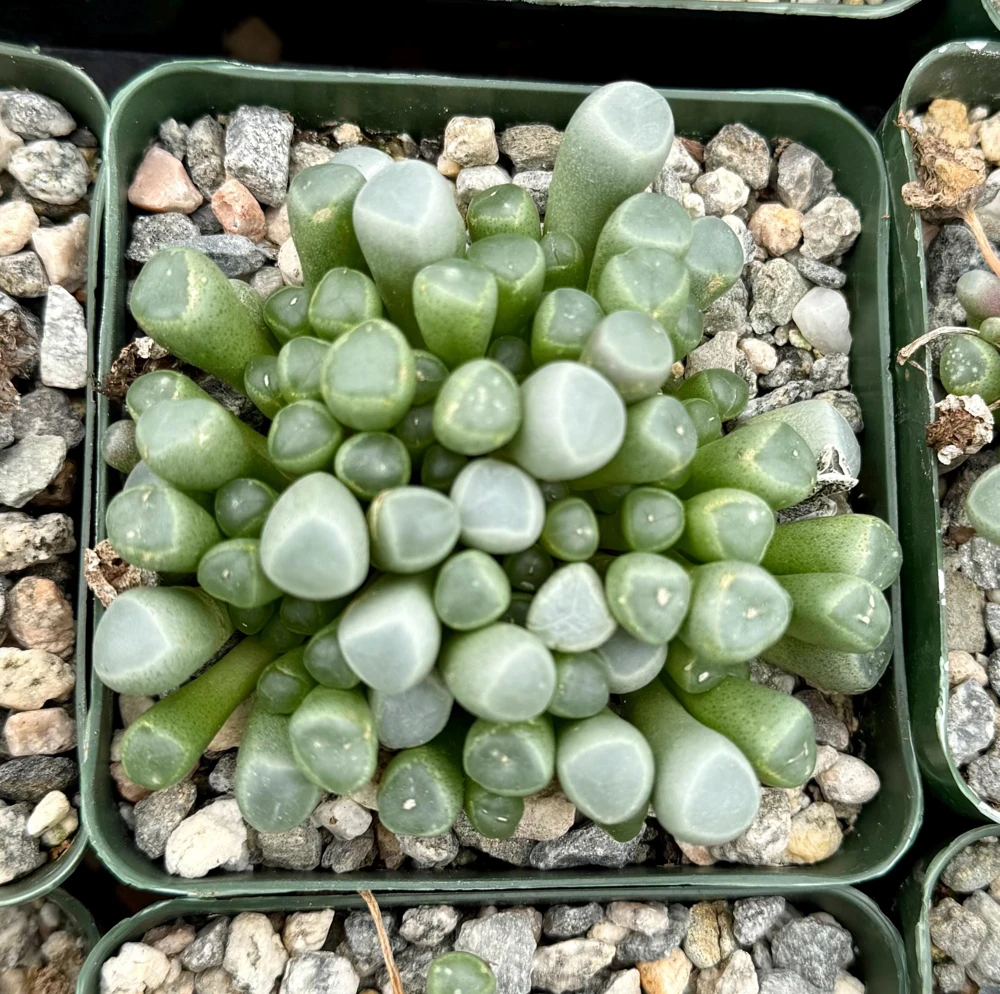
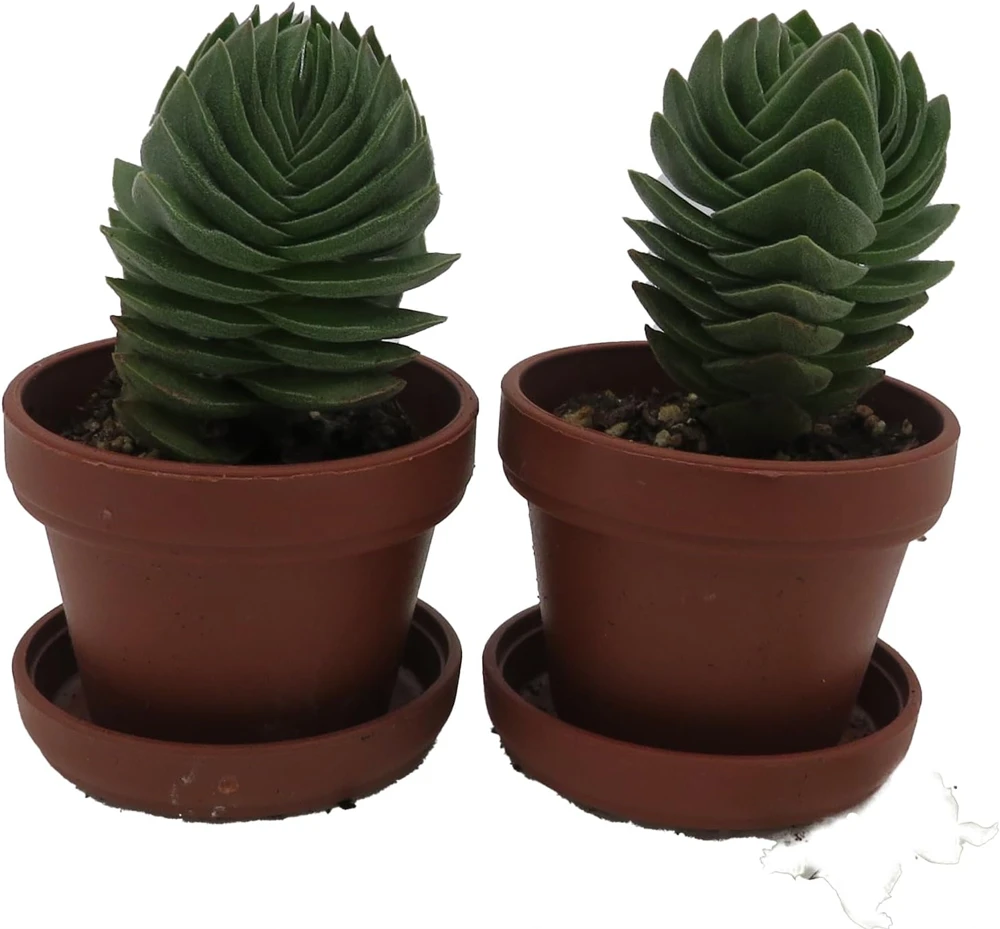
Bring home a delightful baby toe succulent live plant, also known as Fenestraria rhopalophylla. This unique indoor plant features charming cylindrical leaves with translucent ‘windows’ at their tips, resembling tiny toes. It’s a low-maintenance choice for brightening any desk or shelf.
Estimated arrival
Oct 23
Oct 28 - Oct 30
Nov 02 - Nov 06
Shop With Confidence
30-Day Plant Health Guarantee
Arrives damaged? We’ll replace it free — see our return policy.
Responsive Support
Email us anytime, we reply within 1 business day.
Expert Packaging
Temperature-controlled shipping to protect your plants in transit.
Secure Checkout
Pay safely with Visa, Mastercard, PayPal.
Plant Specifications
-
USDA Hardiness Zone
USDA zones 9-11 (outdoors) / Year-round (indoors) -
Soil Type
Well-draining sandy or cactus soil mix -
Sunlight Exposure
Bright indirect light, some direct morning sun -
Expected Planting Period
Year-round indoors
Overview
Introducing the captivating baby toe succulent live plant, scientifically known as Fenestraria rhopalophylla. This charming succulent is a must-have for any plant enthusiast, boasting a distinctive appearance that makes it a true conversation starter. Originating from the arid regions of South Africa and Namibia, the Baby Toe Succulent is perfectly adapted to thrive with minimal care, making it an excellent choice for both seasoned collectors and beginner plant parents. Its compact size and unique foliage make it ideal for windowsills, desks, or terrariums, adding a touch of natural whimsy to any indoor setting.
The Fenestraria rhopalophylla is characterized by its cylindrical, upright leaves that form dense clusters. Each leaf tip features a translucent ‘window’ – a fascinating adaptation that allows sunlight to penetrate the leaf’s interior for efficient photosynthesis, protecting the plant from intense desert sun. This unique trait gives the plant its common name, as the leaves truly resemble tiny green toes peeking out from the soil. Occasionally, this resilient succulent will surprise you with delicate, daisy-like white or yellow flowers, typically blooming in the cooler months of fall or winter, further enhancing its appeal as a cute succulent plant.
Whether you’re looking to expand your succulent collection or seeking a unique gift, the baby toe succulent live plant offers unparalleled charm and ease of care. Its intriguing form and low-maintenance needs ensure it will be a beloved addition to your indoor garden for years to come. Embrace the beauty of this resilient desert dweller and enjoy its distinctive presence.
Key Benefits
The baby toe succulent live plant offers numerous benefits, making it a popular choice for indoor plant lovers.
- Unique Aesthetic Appeal: Its distinctive cylindrical leaves with translucent ‘windows’ create a captivating visual interest, resembling tiny toes. This makes it a perfect focal point or an intriguing addition to any succulent arrangement.
- Low Maintenance: Fenestraria rhopalophylla is incredibly forgiving, requiring minimal watering and thriving on neglect, making it ideal for busy individuals or novice gardeners. It’s truly a low-stress plant that offers maximum enjoyment.
- Compact Size: Growing to a small, manageable size, this succulent is perfect for small spaces, desks, windowsills, or as part of a miniature garden. Its compact nature ensures it won’t outgrow its spot quickly.
- Drought Tolerant: As a desert native, the baby toe succulent live plant stores water efficiently in its plump leaves, allowing it to withstand extended periods without water. This reduces the need for frequent watering.
- Air Purification: Like many succulents, it contributes to a healthier indoor environment by converting carbon dioxide into oxygen, especially at night, and can help filter certain airborne toxins.
- Educational Value: Its unique ‘window’ adaptation provides an excellent opportunity to learn about plant physiology and how plants adapt to harsh environments. It’s a great plant for curious minds.
- Easy Propagation: This succulent can be easily propagated from offsets or seeds, allowing you to expand your collection or share with friends and family. Learning about fenestraria rhopalophylla care extends to its easy multiplication.
Plant Care & Growing Tips
Caring for your baby toe succulent live plant, or Fenestraria rhopalophylla, is straightforward, making it a joy to grow. This succulent thrives in bright, indirect light. While it can tolerate some direct morning sun, especially in cooler climates, intense afternoon sun can scorch its delicate leaves. An east or west-facing window is often ideal, providing ample light without harshness. If growing indoors, consider supplementing with a grow light during darker winter months to ensure consistent growth and maintain its vibrant appearance. Proper light is crucial for the development of its unique ‘windows’.
When it comes to watering, less is definitely more for this succulent. Its plump leaves are designed to store moisture, so overwatering is the quickest way to cause root rot. Allow the soil to dry out completely between waterings, then water thoroughly until water drains from the bottom of the pot. In warmer months, this might be every 2-4 weeks, while in cooler, dormant periods, it could be as infrequent as once a month or even less. Always check the soil moisture with your finger before watering. A well-draining sandy or cactus soil mix is absolutely essential for healthy growth, preventing water from sitting around the roots. This is a key aspect of good fenestraria rhopalophylla care.
The baby toe succulent live plant prefers warm temperatures, ideally between 65-80°F (18-27°C). It should be protected from frost, as it is not cold-hardy. If growing outdoors in a suitable climate, bring it indoors before temperatures drop below 40°F (4°C). Fertilization is rarely needed for this slow-growing succulent; a diluted succulent-specific fertilizer can be applied once in spring or summer, but it’s not strictly necessary. Watch for common succulent pests like mealybugs or spider mites, though they are generally rare. Good airflow helps prevent fungal issues. This mini succulent indoor plant is quite resilient, making it a rewarding choice for many homes.
Size & Details
The baby toe succulent live plant is typically a compact, low-growing succulent that forms dense clusters of upright leaves. When mature, individual plants can reach a height of approximately 2-4 inches (5-10 cm) and spread similarly, though they tend to grow wider as they produce offsets. Each plant ships as a live specimen, either in a 2-inch or 4-inch nursery pot, depending on your selection. The plant will arrive healthy and ready to be placed in your desired location or repotted. Its slow growth rate means it will maintain its charming, desk-friendly size for an extended period. Expect the plant to establish itself quickly after arrival, with new growth appearing within a few weeks under optimal conditions.
This particular succulent with windows is shipped as a rooted plant in its nursery pot, ensuring minimal transplant shock. While it is a relatively slow grower, it will gradually expand its cluster of ‘toes’ and may produce offsets around its base, which can be separated for propagation. The blooming period, when it occurs, typically happens in fall or winter, with small white or yellow daisy-like flowers appearing above the foliage. This provides an additional layer of charm to an already fascinating plant.
Frequently Asked Questions
- Q: How big does this plant get? A: The baby toe succulent live plant is quite compact, typically growing to about 2-4 inches tall and spreading to form dense clusters. Its small size makes it perfect for windowsills and desks.
- Q: Is this an indoor or outdoor plant? A: While it can thrive outdoors in warm, frost-free climates (USDA zones 9-11), it is primarily cultivated as an mini succulent indoor plant in most regions due to its temperature sensitivity.
- Q: How much sunlight does it need? A: This succulent prefers bright, indirect light. It can tolerate some direct morning sun but should be protected from harsh afternoon sun which can cause sunburn. A bright east or west-facing window is ideal.
- Q: Is this plant easy to care for? A: Yes, the baby toe succulent live plant is considered very easy to care for, making it suitable for beginners. Its main requirement is infrequent watering and plenty of light.
- Q: What condition will it arrive in? A: Your Fenestraria rhopalophylla will arrive as a healthy, rooted live plant in its nursery pot, carefully packaged to ensure safe transit and ready for you to enjoy.
- Q: How often should I water my Baby Toe Succulent? A: Water sparingly. Allow the soil to dry out completely between waterings. In most indoor conditions, this means watering every 2-4 weeks, or even less frequently in winter. Overwatering is the biggest risk.
- Q: What kind of soil is best for this succulent? A: A well-draining soil mix is crucial. A specialized cactus or succulent potting mix, often containing perlite or sand, is highly recommended to prevent root rot, which is vital for proper fenestraria rhopalophylla care.
- Q: Is this succulent pet-safe? A: While generally considered non-toxic, it’s always best to keep plants out of reach of pets to prevent any accidental ingestion that could cause mild stomach upset.
- Q: Does this plant bloom? A: Yes, the baby toe succulent live plant can produce small, daisy-like white or yellow flowers, typically blooming in the fall or winter months when mature and happy.
- Q: What is the significance of the ‘windows’ on the leaves? A: The translucent ‘windows’ at the tips of the leaves are a unique adaptation. They allow sunlight to penetrate the interior of the leaf for photosynthesis while protecting the rest of the plant from intense sun exposure in its native arid environment. This is what makes it a true succulent with windows.
Be the first to review “Baby Toe Succulent Live Plant – Fenestraria Rhopalophylla – 2 inch or 4 inch Pot – Indoor”
People Also Viewed

Uncategorized




Reviews
There are no reviews yet.