
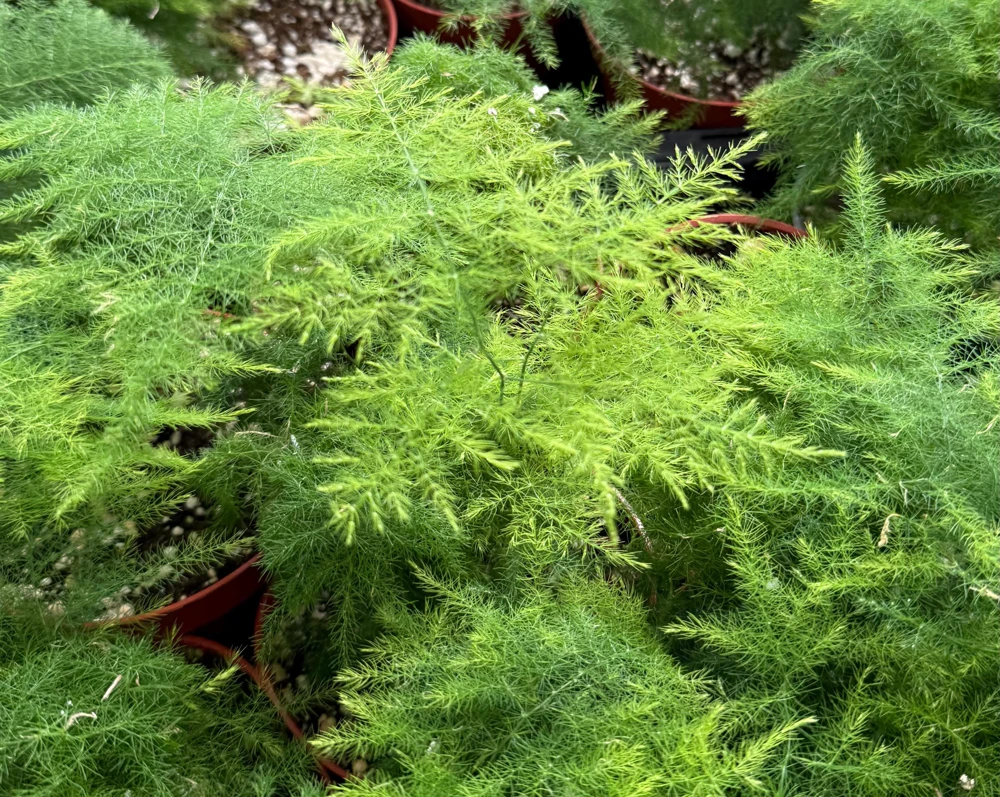
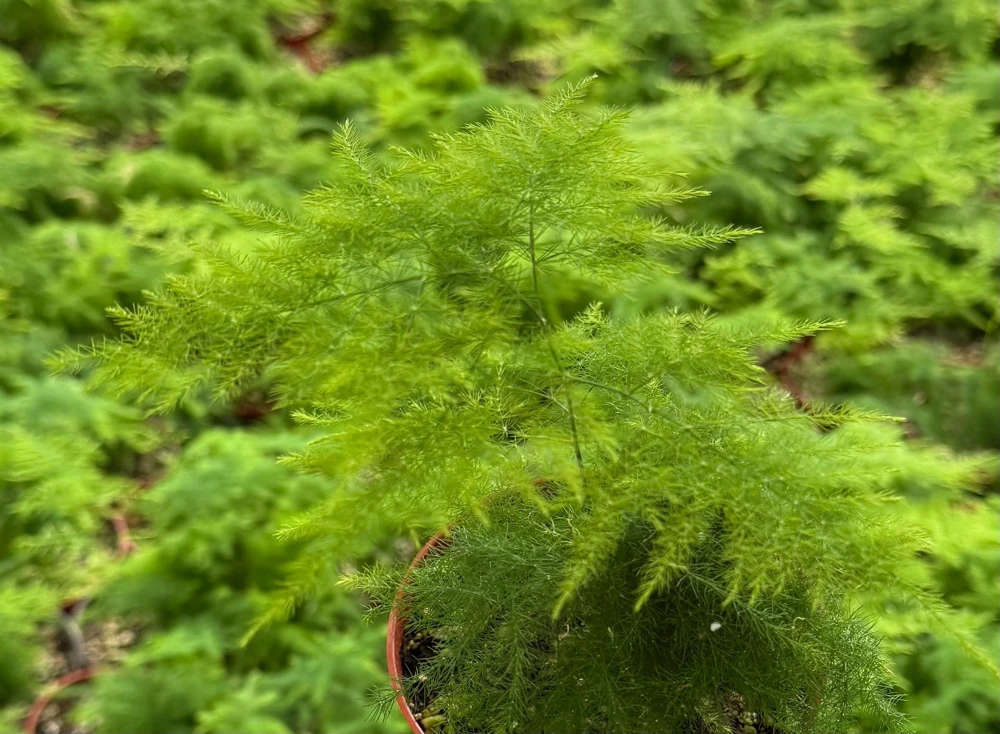
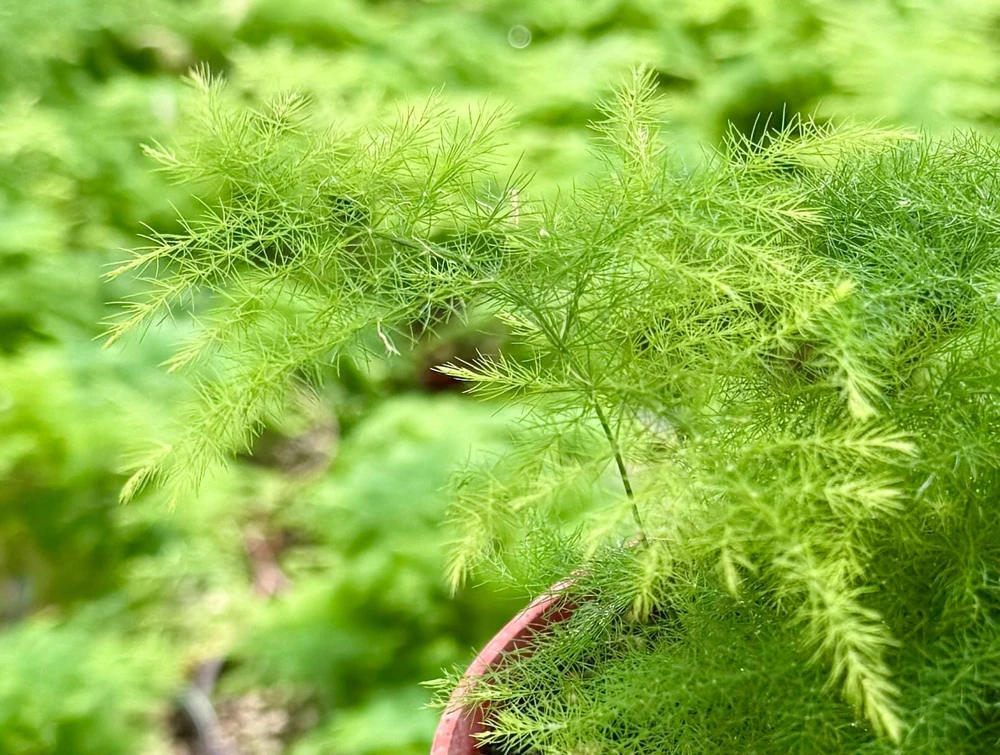
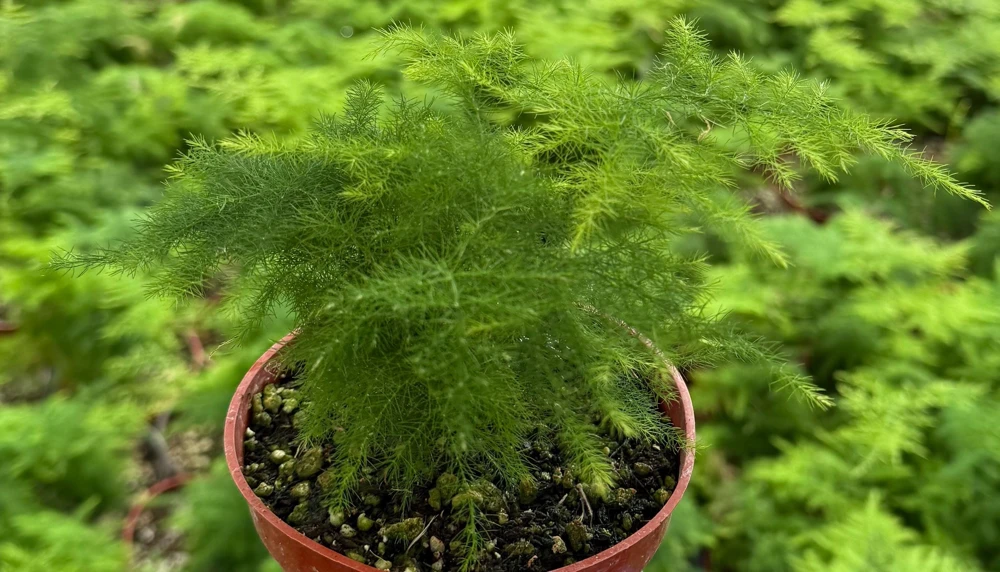
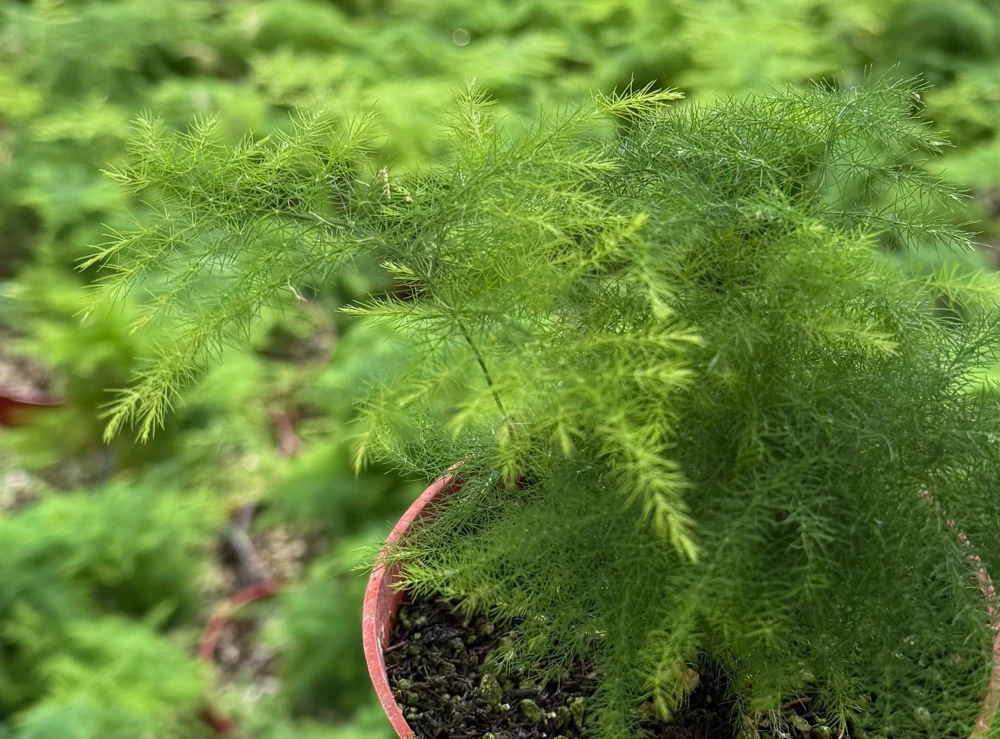
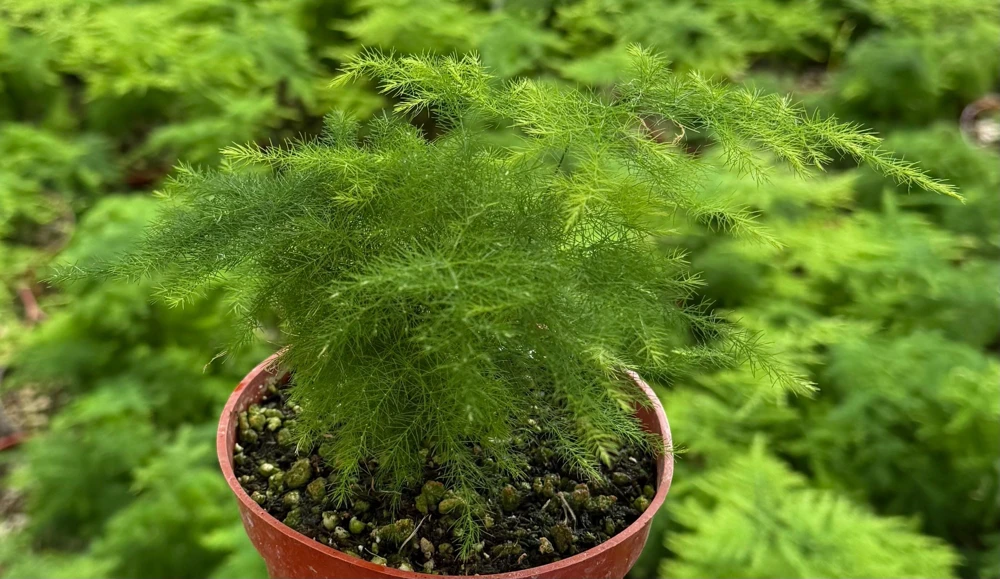
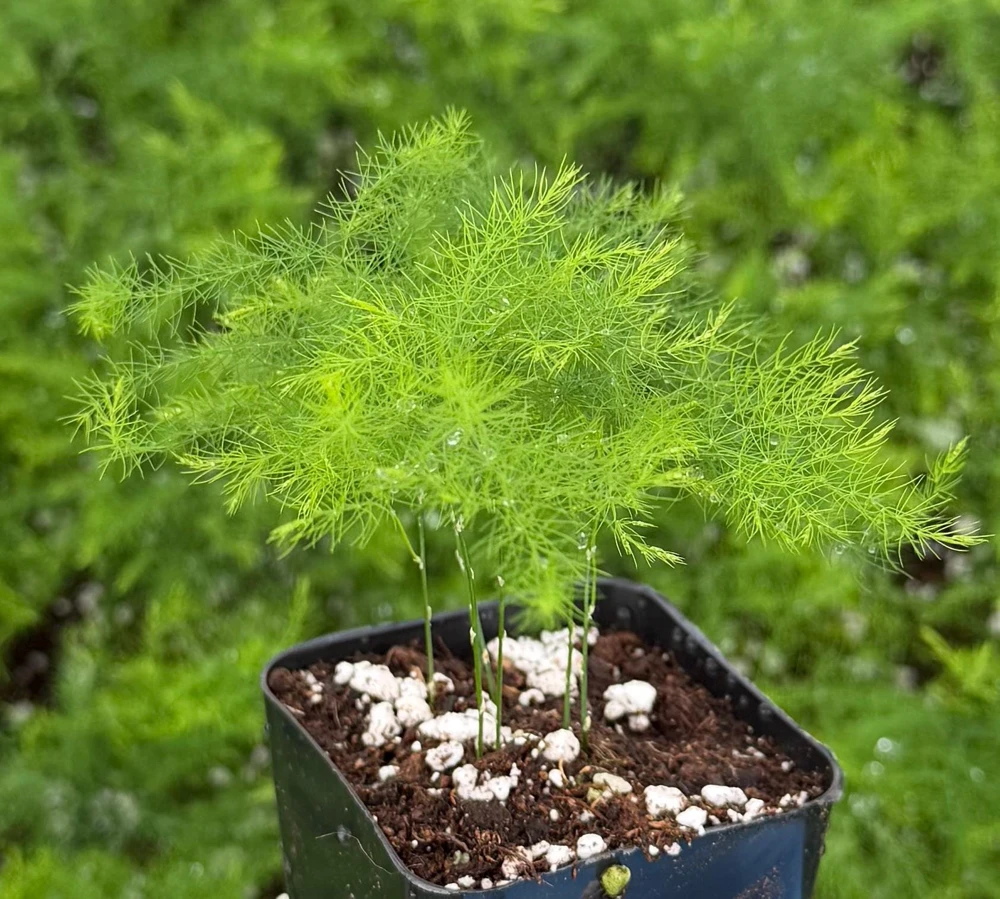
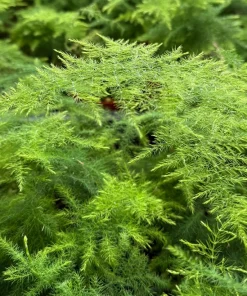
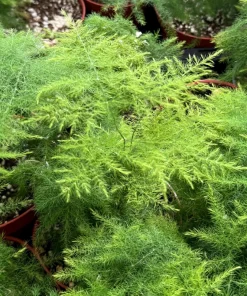
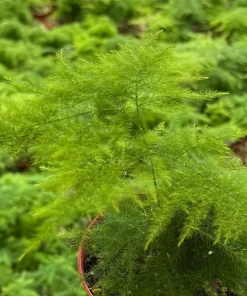
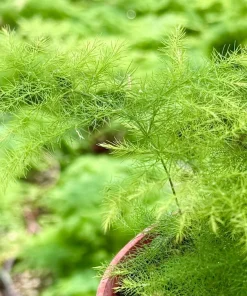
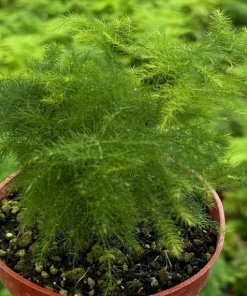
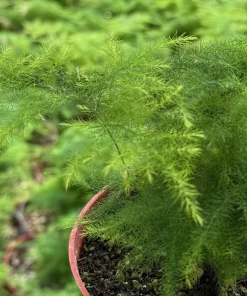
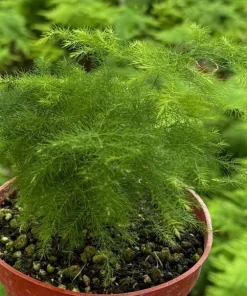
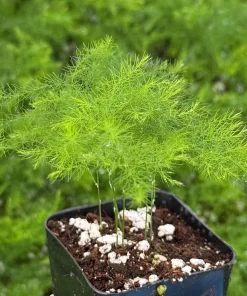
Asparagus Fern Live Plant – Delicate Foliage Houseplant for Indoors
Original price was: $38.55.$18.55Current price is: $18.55.
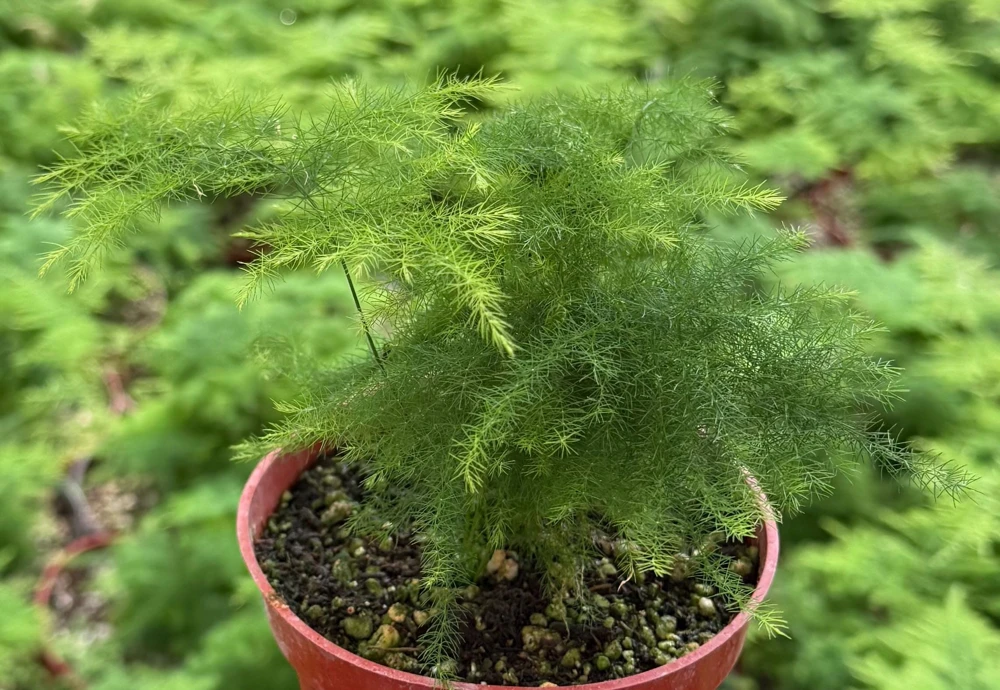
Enhance your home with a beautiful asparagus fern live plant. This unique houseplant, known for its delicate, airy foliage, is a charming addition to any indoor space. Perfect for hanging baskets or as a trailing plant, it brings a touch of natural elegance.
Estimated arrival
Oct 23
Oct 28 - Oct 30
Nov 02 - Nov 06
Shop With Confidence
30-Day Plant Health Guarantee
Arrives damaged? We’ll replace it free — see our return policy.
Responsive Support
Email us anytime, we reply within 1 business day.
Expert Packaging
Temperature-controlled shipping to protect your plants in transit.
Secure Checkout
Pay safely with Visa, Mastercard, PayPal.
Plant Specifications
-
USDA Hardiness Zone
USDA zones 9 to 11 (outdoors); commonly grown indoors year-round -
Soil Type
Well-draining potting mix -
Sunlight Exposure
Bright indirect light -
Expected Planting Period
Year-round indoors
Overview
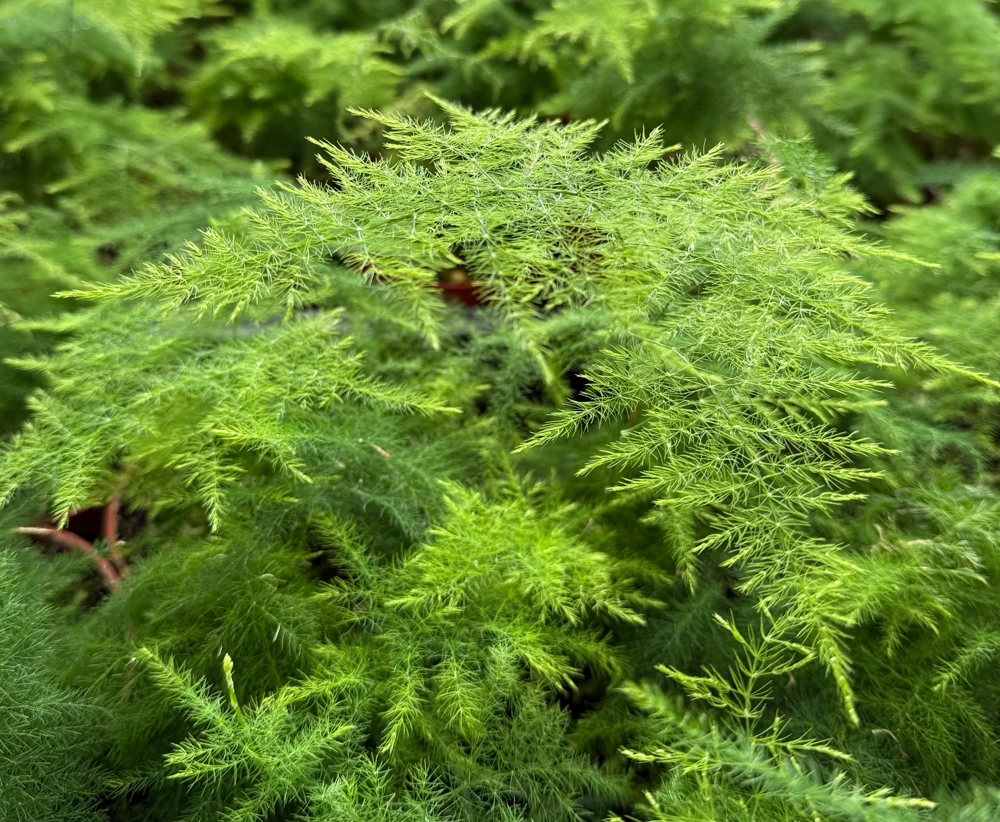
Introduce a touch of whimsical greenery into your home with the exquisite asparagus fern live plant. Despite its common name, the asparagus fern is not a true fern but a member of the Asparagaceae family, closely related to the edible garden asparagus. This fascinating plant, often grown as Asparagus setaceus (lace fern or climbing asparagus) or Asparagus densiflorus (foxtail and sprenger’s asparagus fern), is celebrated for its ethereal, feathery foliage. These delicate, fern-like fronds are actually modified stems called cladodes, giving the plant its distinctive soft appearance. A fast-growing and versatile plant, the asparagus fern live plant can trail gracefully from hanging baskets, climb with support, or form lush, upright clumps, depending on the specific variety. It occasionally produces small white flowers, which may be followed by attractive red berries, adding seasonal interest. Ideal for brightening up interiors, this plant is a popular choice for those seeking a unique and elegant houseplant.
The indoor asparagus fern adapts well to various settings, making it a versatile choice for plant enthusiasts. Its robust nature and charming aesthetics make it a standout among foliage plants. Whether placed on a shelf, in a decorative pot, or allowed to cascade from a hanging planter, this plant brings a refreshing and serene ambiance to any room. Its delicate appearance belies its relatively hardy nature, making it a rewarding plant for both novice and experienced growers. Embrace the unique beauty and lush texture that an asparagus fern live plant can bring to your living environment.
Key Benefits
The asparagus fern live plant offers numerous benefits, making it an excellent choice for enhancing your indoor garden:
- Aesthetic Appeal: The plant’s delicate, airy, and feathery foliage creates a soft, elegant look that can complement any decor style. It adds a touch of natural beauty and sophistication to homes and offices.
- Versatile Growth Habit: Depending on the variety, the asparagus fern can trail, climb, or form upright clumps. This versatility allows it to be used in various displays, from hanging baskets to tabletop pots and even trained on trellises.
- Fast Grower: Known for its relatively fast growth rate, this plant quickly fills out its space, providing lush greenery in a short amount of time. This makes it satisfying for those who enjoy seeing their plants thrive and expand.
- Low to Moderate Maintenance: While it appreciates consistent care, the asparagus fern care routine is straightforward, making it suitable for a wide range of plant parents. It’s not overly demanding once its basic needs for light and water are met.
- Air Purifying Qualities: Like many houseplants, the asparagus fern can contribute to improved indoor air quality by absorbing common household toxins and releasing oxygen, fostering a healthier living environment.
- Unique Texture: The fine, needle-like leaves (cladodes) provide a distinctive texture that stands out among other houseplants, adding visual interest and depth to your plant collection.
- Potential Seasonal Interest: Small white flowers and subsequent red berries can appear, offering an additional layer of charm and visual delight, especially during the colder months when other plants might be dormant.
Plant Care & Growing Tips
Proper asparagus fern care ensures a thriving and vibrant plant. These plants flourish with consistent attention to their environment. For optimal growth, provide bright, indirect light. Direct, harsh sunlight can scorch the delicate foliage, leading to yellowing or browning. An east-facing window or a few feet away from a south or west-facing window is usually ideal. If light levels are too low, the plant may become leggy and lose its characteristic lushness. Rotating your plant periodically will encourage even growth and prevent it from leaning towards the light source.
Watering is crucial for an indoor asparagus fern. It prefers consistently moist but not waterlogged soil. Allow the top inch of soil to dry out slightly before watering again. Overwatering can lead to root rot, while underwatering can cause the foliage to crisp and drop. Higher humidity levels are also beneficial, mimicking its natural habitat. You can increase humidity by misting the plant regularly, placing it near a humidifier, or setting its pot on a pebble tray filled with water. A well-draining potting mix is essential to prevent water accumulation around the roots. Fertilize every 2-4 weeks during the growing season (spring and summer) with a balanced liquid fertilizer diluted to half strength. Reduce or stop fertilization during fall and winter when growth slows.
The asparagus fern live plant is hardy in USDA zones 9 to 11 when grown outdoors, but it is most commonly cultivated as an indoor plant in cooler climates. It prefers temperatures between 60-75°F (15-24°C) and should be protected from cold drafts. Pests like spider mites and mealybugs can occasionally be an issue; inspect your plant regularly and treat with insecticidal soap if necessary. Pruning can help maintain its shape and encourage bushier growth, especially for climbing asparagus varieties. Remove any yellowing or browning fronds to keep the plant looking tidy and healthy. Consistent care will ensure your asparagus fern live plant remains a stunning feature in your home for years to come.
Size & Details
Our asparagus fern live plant is carefully selected to ensure a healthy and vigorous specimen upon arrival. These plants typically grow to a manageable indoor size, often reaching 1-3 feet in height and spreading similarly, though some varieties can trail much longer when given the space. The growth rate is generally fast, allowing the plant to quickly establish and fill out its chosen location. Each plant is shipped as a rooted, live plant, often in a nursery pot (size may vary, but commonly 4-6 inches in diameter) to ensure its safe journey and easy transition to your home. The delicate, feathery foliage is dense and vibrant, ready to add immediate beauty to your space.
The indoor asparagus fern is known for its graceful cascading habit, making it an excellent choice for hanging baskets where its soft fronds can truly shine. While it can produce small white flowers and red berries, its primary appeal lies in its lush green foliage. With proper care, you can expect your plant to thrive and grow consistently, adding a dynamic and living element to your decor. This plant is a fantastic choice for those looking for a relatively easy-to-care-for yet visually striking addition to their indoor plant collection, offering a unique texture that sets it apart from other houseplants.
Frequently Asked Questions
- Q: How big does this plant get? A: The asparagus fern live plant typically grows 1-3 feet tall and wide indoors, though some varieties, especially those allowed to trail, can extend much further. Its size can be managed with regular pruning.
- Q: Is this an indoor or outdoor plant? A: While hardy outdoors in USDA zones 9-11, the asparagus fern live plant is predominantly grown as an indoor houseplant in most climates due to its preference for warmer temperatures and consistent humidity.
- Q: How much sunlight does it need? A: This plant thrives in bright, indirect light. Avoid direct harsh sunlight, which can scorch its delicate foliage. A spot near an east-facing window or a few feet from a south/west window is ideal for optimal asparagus fern care.
- Q: Is this plant easy to care for? A: Yes, the asparagus fern live plant is considered relatively easy to care for, making it suitable for beginners. It requires consistent watering and bright, indirect light, but is generally forgiving.
- Q: What condition will it arrive in? A: Your asparagus fern live plant will arrive as a healthy, rooted plant, typically in a nursery pot, carefully packaged to ensure its safety during transit and ready for you to introduce to its new home.
- Q: Is it pet-safe? A: No, asparagus ferns are considered mildly toxic to pets if ingested, potentially causing gastrointestinal upset. It’s best to keep them out of reach of curious pets.
- Q: What is the best soil for an asparagus fern? A: The best soil for an indoor asparagus fern is a well-draining potting mix. A mix designed for houseplants, possibly with added perlite or coco coir for enhanced drainage and aeration, works well.
- Q: How often should I water my asparagus fern? A: Water your asparagus fern live plant when the top inch of soil feels dry to the touch. It prefers consistently moist soil but dislikes being waterlogged. Adjust frequency based on light, humidity, and temperature.
- Q: Why are the leaves on my asparagus fern turning yellow? A: Yellowing leaves can indicate several issues, including overwatering, underwatering, too much direct sunlight, or a lack of humidity. Review your asparagus fern care routine to identify and correct the cause.
- Q: Can I propagate an asparagus fern? A: Yes, climbing asparagus and other varieties can be propagated through division, especially when repotting. Carefully separate a section of the plant with its roots and plant it in fresh potting mix.
Be the first to review “Asparagus Fern Live Plant – Delicate Foliage Houseplant for Indoors”
People Also Viewed



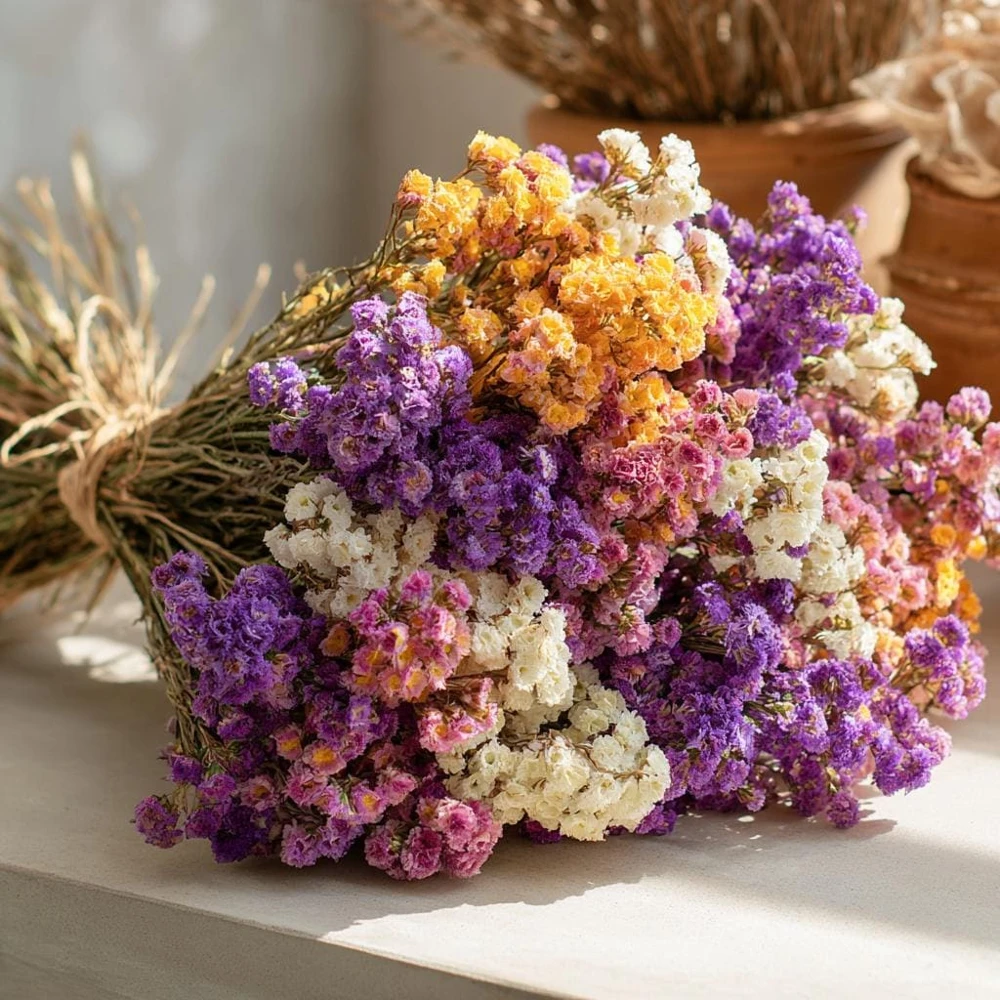
Flower Seeds
Colorful Statice Seeds Mix – Limonium Sinuatum – 50 Seed Pack for Fresh & Dried Bouquets
Reviews
There are no reviews yet.