

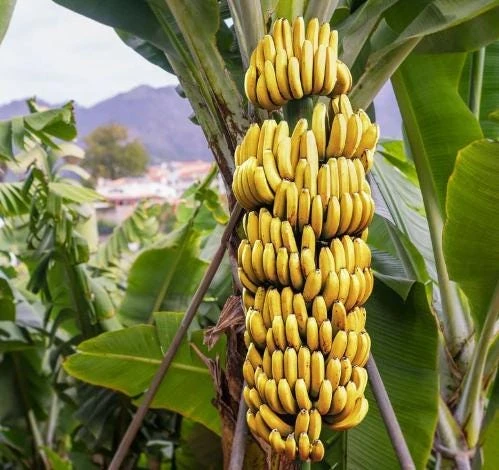
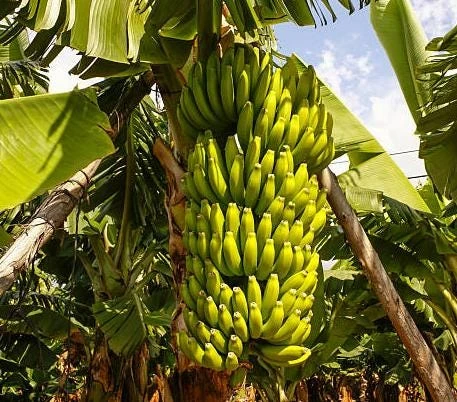
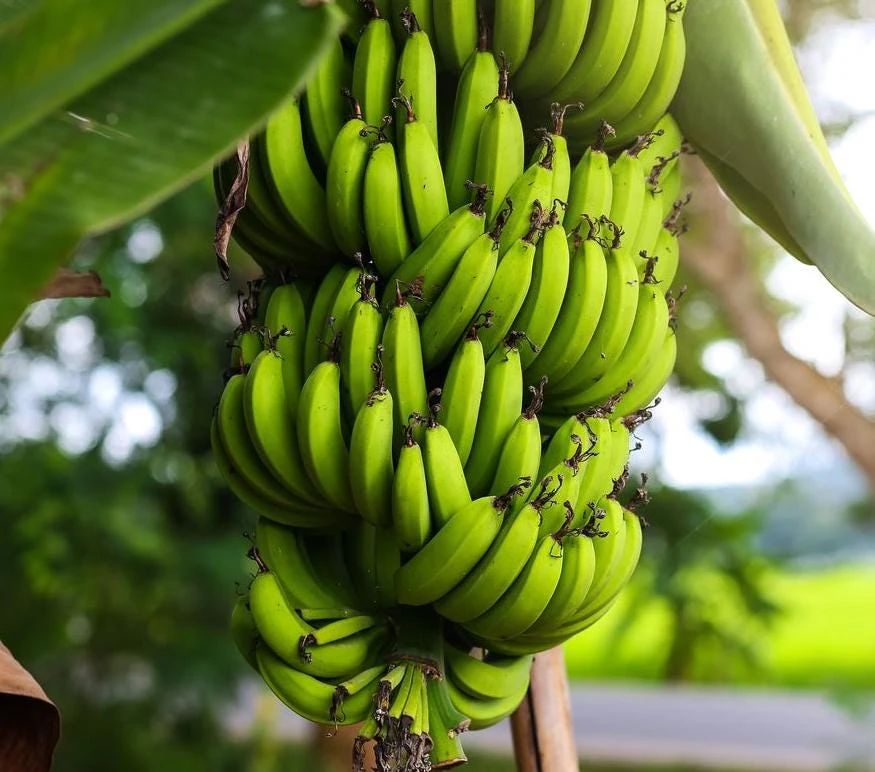
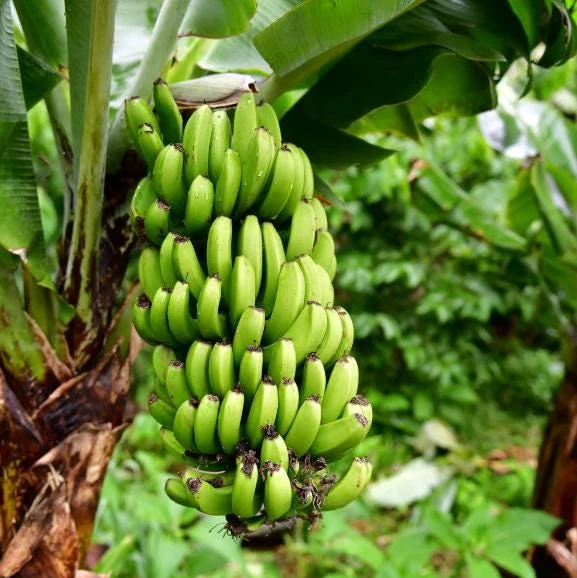
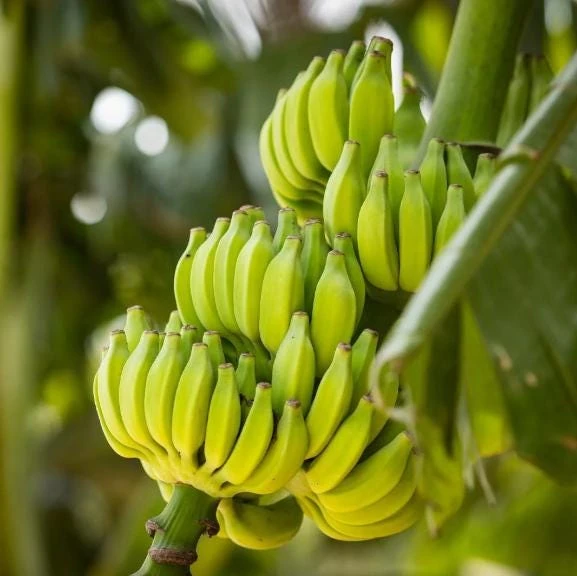
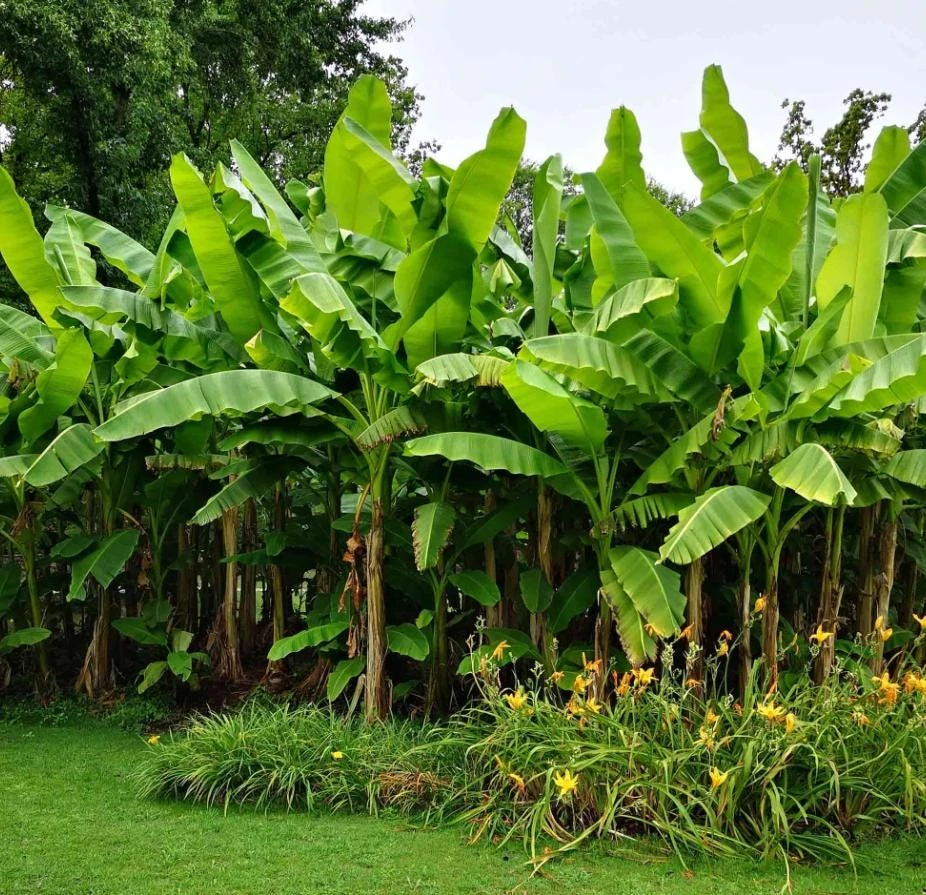
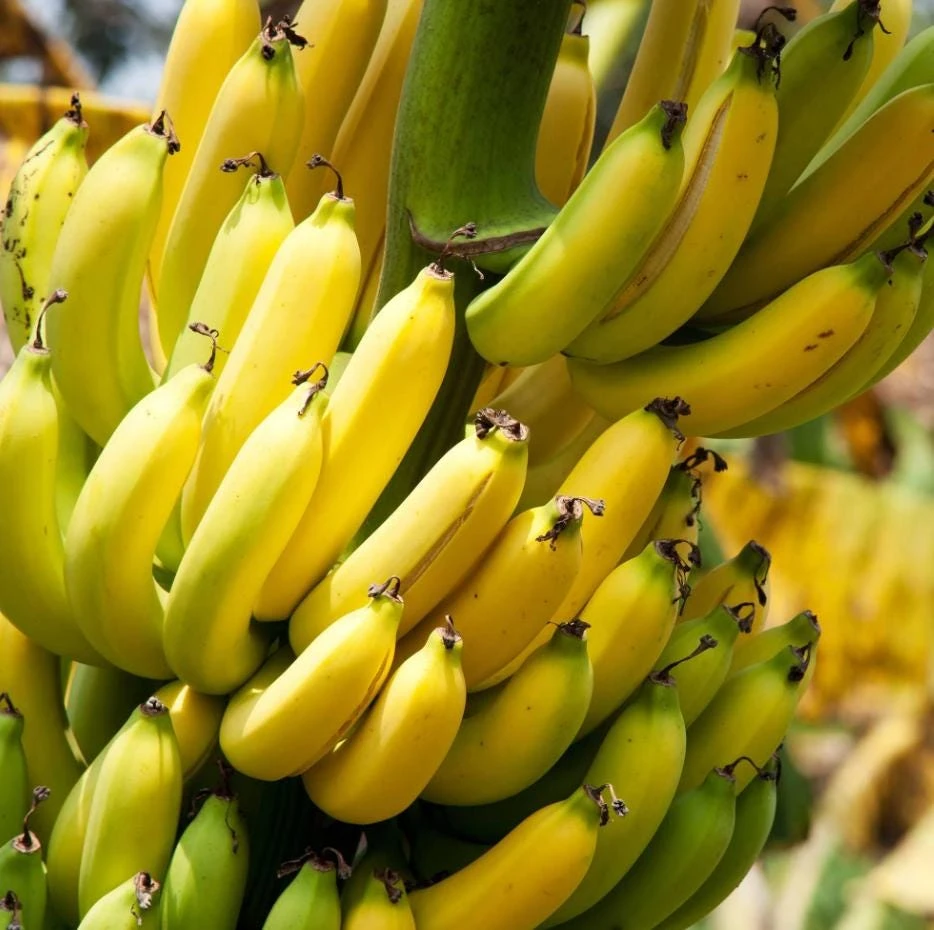
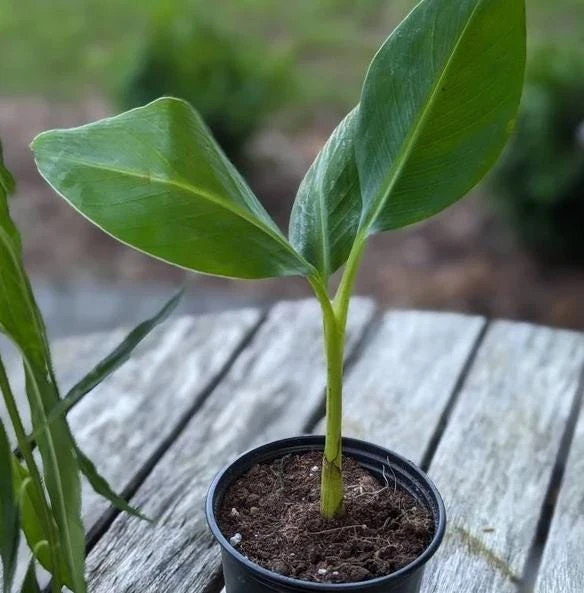
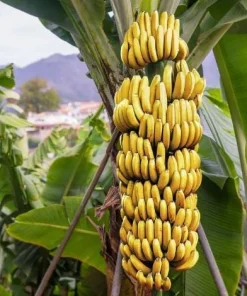
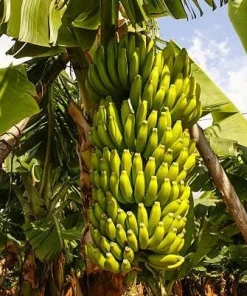
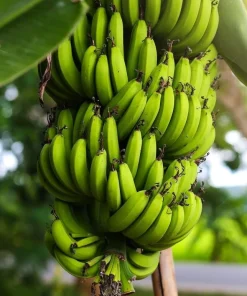
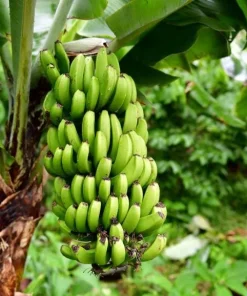
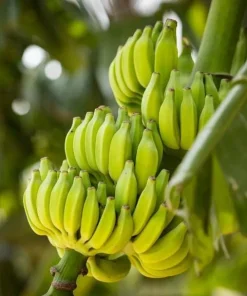
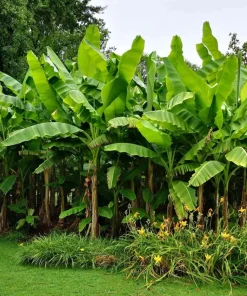
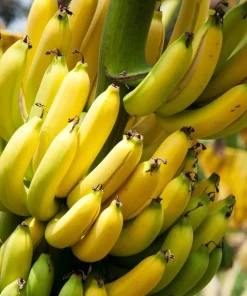
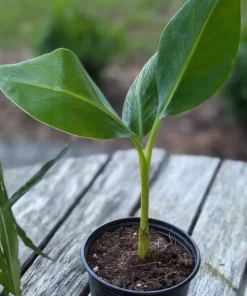
Dwarf Cavendish Banana Live Plant, Musa Acuminata, 4-6 Inch Tall, Tropical Fruit for Patio & Garden
Original price was: $44.99.$29.99Current price is: $29.99.
Bring the tropics home with a dwarf cavendish banana plant! This compact musa acuminata live plant produces delicious, full-sized bananas and features lush, ornamental foliage. Perfect for patios, gardens, or as a striking indoor accent, this tropical fruit plant thrives in warm climates and bright sunlight, offering both beauty and tasty fruit.
Estimated arrival
Oct 14
Oct 19 - Oct 21
Oct 24 - Oct 28
Shop With Confidence
30-Day Plant Health Guarantee
Arrives damaged? We’ll replace it free — see our return policy.
Responsive Support
Email us anytime, we reply within 1 business day.
Expert Packaging
Temperature-controlled shipping to protect your plants in transit.
Secure Checkout
Pay safely with Visa, Mastercard, PayPal.
Plant Specifications
-
USDA Hardiness Zone
9 to 11 -
Soil Type
Rich, well-draining soil -
Sunlight Exposure
Full sun (at least 6-8 hours direct sunlight daily) -
Expected Planting Period
Spring to summer (outdoors), year-round indoors
Overview
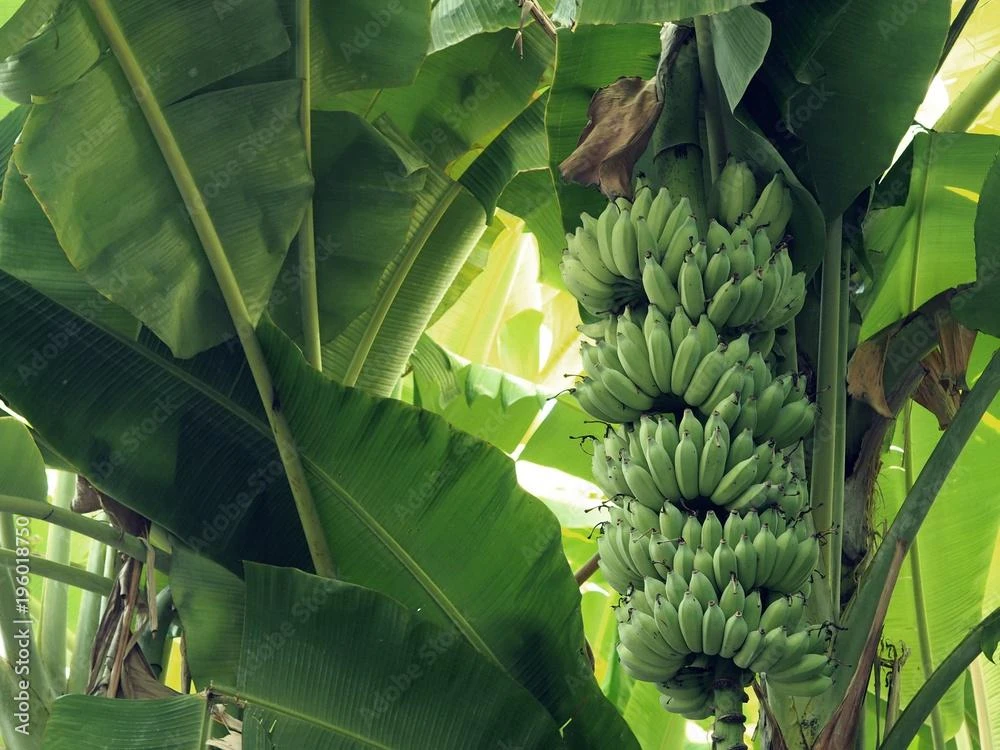
Cultivate your own tropical paradise with the exceptional dwarf cavendish banana plant. This remarkable musa acuminata live plant is renowned for its ability to produce sweet, full-sized bananas despite its more compact stature compared to other banana varieties. Ideal for both experienced gardeners and enthusiastic beginners, this tropical fruit plant brings an exotic touch to any space, whether you’re looking to enhance your patio, garden, or even a spacious indoor area. Its vibrant green leaves, often tinged with red or purple when young, create a stunning visual display, transforming your environment into a lush, tropical haven. The Dwarf Cavendish is celebrated not only for its delicious fruit but also for its ornamental appeal, making it a versatile choice for diverse landscaping and interior design schemes. Growing your own bananas can be a rewarding experience, offering fresh, creamy fruit directly from your home.
The dwarf cavendish banana plant (Musa acuminata ‘Dwarf Cavendish’) is a popular choice due to its manageable size and prolific fruiting. Originating from Southeast Asia, this variety has been selectively bred for its compact growth habit, allowing it to be grown in containers or smaller garden plots where larger banana trees might be impractical. It’s an excellent choice for those seeking to enjoy homegrown tropical fruits without the need for extensive land. This resilient plant is designed to thrive in a range of conditions, primarily favoring warmth and ample sunlight, making it a perfect addition for those in suitable USDA zones or with the right indoor environment.
Key Benefits
The dwarf cavendish banana plant offers a multitude of benefits, making it a highly desirable addition to any plant collection. From its delicious fruit to its aesthetic appeal, this plant is truly a treasure.
- Homegrown Tropical Fruit: Enjoy the unparalleled taste of fresh, sweet, and creamy bananas harvested directly from your own dwarf cavendish banana plant. These fruits are identical in flavor and texture to those found in stores.
- Compact Growth Habit: Unlike larger banana varieties, the Dwarf Cavendish maintains a smaller stature, making it perfect for container gardening on patios, balconies, or in smaller garden spaces. It’s an excellent patio banana plant.
- Ornamental Appeal: Its large, lush green leaves, often adorned with reddish-purple hues when young, provide a stunning tropical aesthetic, enhancing the beauty of any indoor or outdoor setting.
- Relatively Easy to Grow: With proper care, including adequate sunlight, water, and rich soil, this musa acuminata live plant can be a rewarding experience for gardeners of all levels.
- Fast Fruiting: Under optimal conditions, the Dwarf Cavendish can produce fruit relatively quickly, allowing you to enjoy your harvest sooner than many other fruit-bearing plants.
- Versatile Placement: Suitable for USDA zones 9-11 outdoors, it can also thrive indoors in cooler climates when provided with sufficient light and warmth, making it a versatile tropical fruit plant.
- Air Purification: Like many large-leafed plants, the Dwarf Cavendish contributes to improving air quality by absorbing carbon dioxide and releasing oxygen.
Plant Care & Growing Tips
Caring for your dwarf cavendish banana plant involves understanding its tropical needs to ensure healthy growth and abundant fruiting. This musa acuminata live plant thrives in conditions that mimic its native warm, humid environment. For optimal growth, provide ample sunlight. The plant requires at least 6-8 hours of direct sunlight daily, making a south-facing window indoors or a sunny spot outdoors ideal. If growing indoors, consider supplementing with a grow light during shorter winter days to ensure it receives sufficient light intensity. Proper light exposure is crucial for the development of its ornamental foliage and the production of delicious bananas.
Watering is another critical aspect of care. Dwarf cavendish banana plants prefer consistently moist soil but absolutely cannot tolerate waterlogging, which can lead to root rot. Check the soil moisture regularly; when the top inch or two of soil feels dry, it’s time to water thoroughly until water drains from the bottom of the pot. During warmer months and active growth, this may mean daily watering. In winter, when growth slows, reduce watering frequency. The ideal soil for a tropical fruit plant like this is rich, well-draining, and slightly acidic. A good quality potting mix amended with compost or organic matter will provide the necessary nutrients and drainage. Fertilize regularly during the growing season (spring through summer) with a balanced, slow-release fertilizer or a liquid feed specifically formulated for fruiting plants.
Temperature and humidity are key environmental factors. The dwarf banana tree thrives in temperatures between 75°F and 95°F (24°C and 35°C). It is not frost-tolerant and will suffer damage if temperatures drop below 50°F (10°C). If you live in a colder climate, it’s best to grow your plant in a container that can be moved indoors during the colder months. High humidity is also beneficial, so consider misting the leaves regularly or placing the pot on a pebble tray filled with water, especially in dry indoor environments. Be aware that these plants naturally lose their leaves in winter or during periods of stress, which is a normal part of their growth cycle. Pests like spider mites and aphids can be an issue; regularly inspect your plant and treat any infestations promptly with organic insecticidal soap.
Size & Details
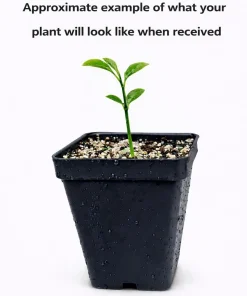
This offering is for a dwarf cavendish banana plant, a live specimen measuring approximately 4 to 6 inches tall at the time of shipment. These young musa acuminata live plant starts are carefully selected to ensure vigorous growth upon arrival. While compact in its early stages, the Dwarf Cavendish can eventually reach a mature height of 6 to 10 feet outdoors, or a more manageable 4 to 8 feet when grown in a container indoors or on a patio. It will arrive as a healthy, rooted plant, ready for transplanting into a larger pot or your garden. Expect a moderate to fast growth rate under ideal conditions, with fruiting typically occurring within 18-24 months from planting, depending on care and environment. This resilient patio banana plant is shipped in a nursery pot, ensuring its roots are protected during transit and ready for its new home.
The dwarf banana tree is known for producing standard-sized bananas that are rich, creamy, and delicious, despite the plant’s smaller overall stature. Its lush green foliage adds significant visual interest, making it an excellent choice for ornamental purposes in addition to its fruit-bearing capabilities. While the exact mature size can vary based on growing conditions, container size, and climate, these plants are designed to be more manageable than their larger counterparts, fitting well into various garden designs and indoor settings. This tropical fruit plant represents a fantastic opportunity to cultivate an exotic and productive specimen right at your home.
Frequently Asked Questions
- Q: How big does this dwarf cavendish banana plant get? A: While this dwarf cavendish banana plant starts at 4-6 inches tall, it can reach a mature height of 6-10 feet outdoors and 4-8 feet indoors, depending on growing conditions and container size. It’s considered dwarf due to its shorter stature compared to other banana varieties.
- Q: Is this an indoor or outdoor plant? A: The musa acuminata live plant can be grown both indoors and outdoors. It thrives outdoors in USDA Zones 9-11. In colder climates, it’s best grown in a container and brought indoors during winter or treated as an annual.
- Q: How much sunlight does a dwarf banana tree need? A: This plant requires abundant sunlight to produce fruit and maintain healthy foliage. Provide at least 6-8 hours of direct sunlight daily. If growing indoors, a bright, south-facing window or supplemental grow lights are recommended.
- Q: Is this plant easy to care for? A: The dwarf cavendish banana plant is moderately easy to care for. It needs consistent watering, rich, well-draining soil, and plenty of sunlight. Monitoring for pests and providing adequate warmth are key to its success.
- Q: How long until it blooms and produces fruit? A: Under optimal conditions, a tropical fruit plant like the Dwarf Cavendish can begin to produce fruit within 18-24 months from planting. Factors like light, temperature, and feeding greatly influence this timeline.
- Q: What condition will the plant arrive in? A: Your dwarf cavendish banana plant will arrive as a healthy, live rooted plant, typically in a nursery pot, with its roots protected and ready for transplanting. We ensure careful packaging for safe transit.
- Q: What are the ideal temperatures for this patio banana plant? A: Ideal temperatures for the Dwarf Cavendish are between 75°F and 95°F (24°C and 35°C). It is sensitive to cold and should be protected from temperatures below 50°F (10°C).
- Q: Can I grow this dwarf cavendish banana plant in a pot? A: Yes, the Dwarf Cavendish is an excellent choice for container growing, making it a perfect patio banana plant. Ensure the pot is large enough to accommodate its root system and has good drainage.
- Q: What kind of soil is best for a musa acuminata live plant? A: This plant prefers rich, well-draining soil with a slightly acidic pH. A high-quality potting mix amended with organic matter or compost is ideal to support its growth.
- Q: Will it survive winter in my zone? A: The dwarf banana tree is hardy in USDA Zones 9-11. If you are in a colder zone, you will need to bring the plant indoors before the first frost or provide significant winter protection.
Be the first to review “Dwarf Cavendish Banana Live Plant, Musa Acuminata, 4-6 Inch Tall, Tropical Fruit for Patio & Garden”
People Also Viewed
Fruits
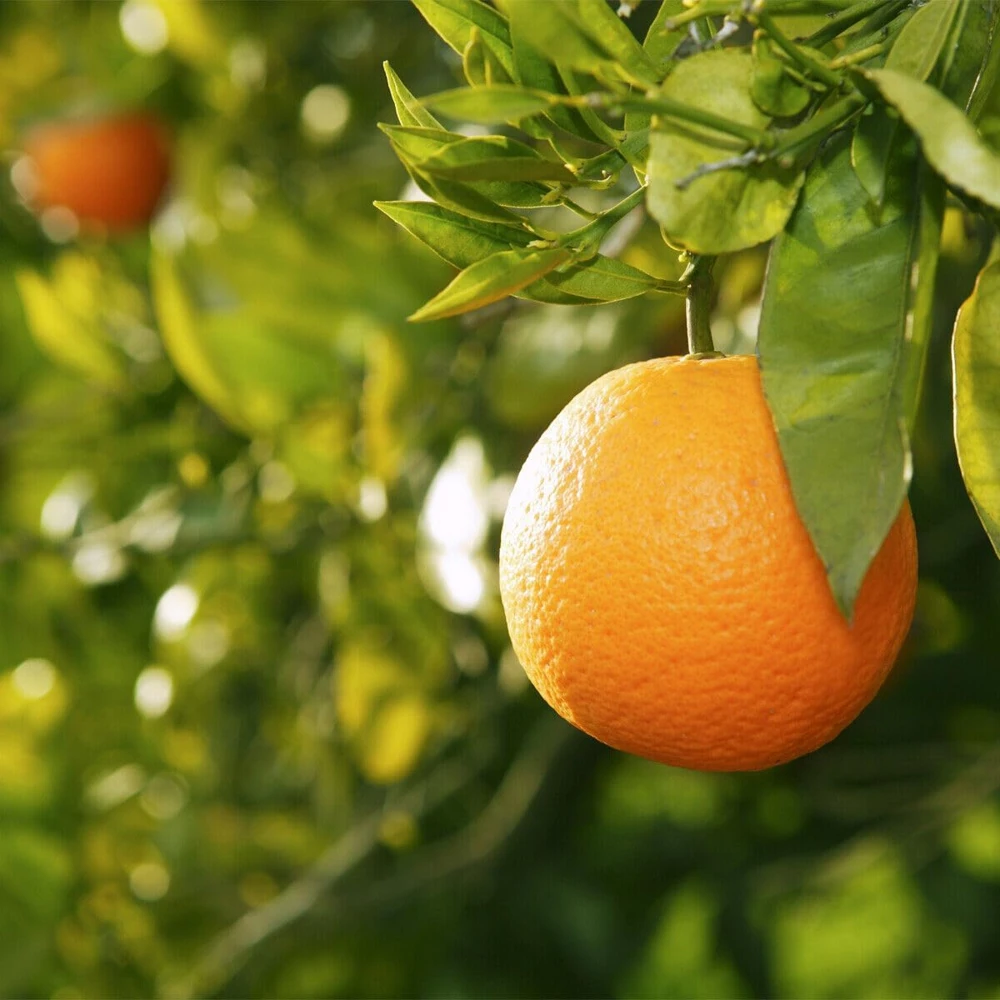
Valencia Orange Live Plant – 2-5 Inch Tall Potted Fruit Tree – Indoor/Outdoor Citrus sinensis
Vegetable Seeds
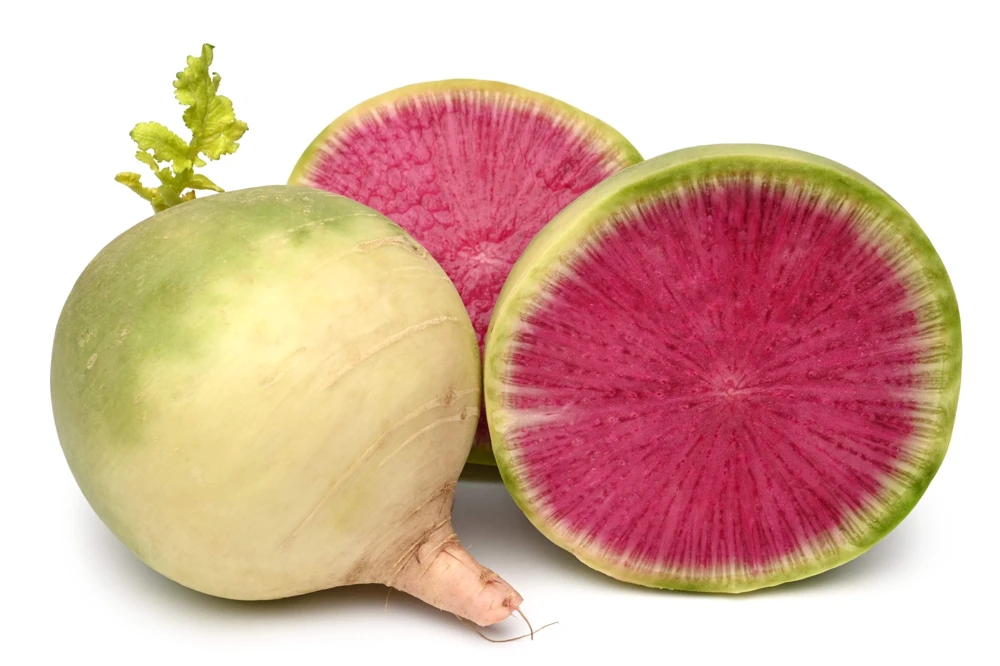
300 Watermelon Radish Seeds – Beauty Heart Pink White Vegetable
Reviews
There are no reviews yet.